MATS Summer 2026
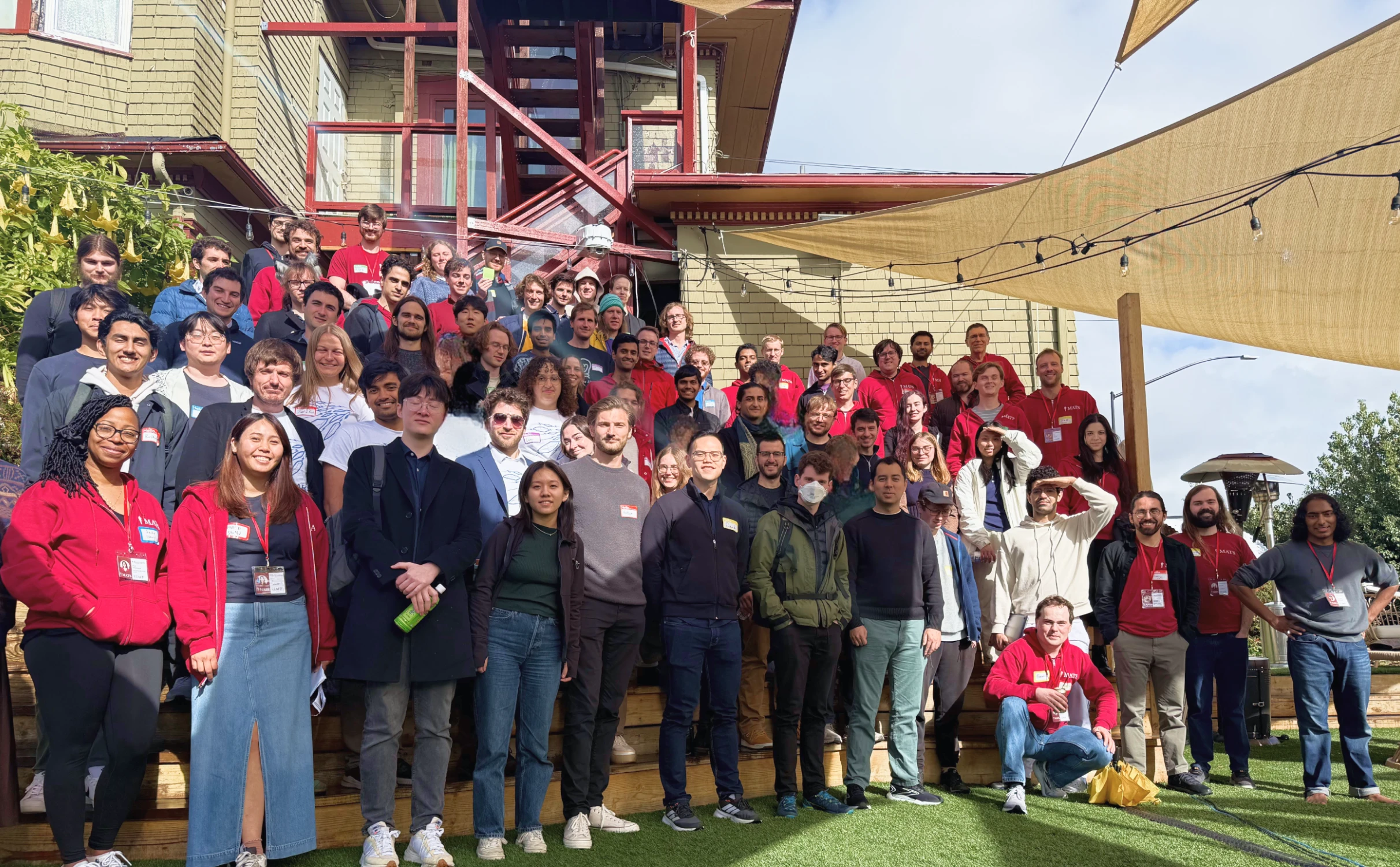
The Summer 2026 program will run from June through August. It will be largest MATS program to date with 120 fellows and 100 mentors. Fellows will be connected with mentors or organizational research groups, such as Anthropic's Alignment Science team, UK AISI, Redwood Research, ARC, and LawZero, to collaborate on a research project over the summer. Some fellows will be offered a 6+ month extension to continue this collaboration.
Applications are now closed.
Program phases
Key dates for the application and admissions timeline
Applications typically open several months before the program begins. Applicants complete a multi-stage admissions process, beginning with a general application. Depending on the tracks, streams, and mentors they apply to, applicants may also complete additional evaluations such as interviews, work tests, coding assessments, or writing samples before final admissions decisions are made.
Each MATS stream brings together scholars and mentors around a shared research agenda. Streams vary in methodology and focus area, spanning topics such as interpretability, control, evaluations, governance, cybersecurity, and agent foundations.

We will continue working on black-box monitors for scheming in complex agentic settings, building on the success of the previous stream.
See here for details.

AI control focussed stream, probably running in-person in London.

Escalation risks from state perceptions of AI capability, AI-enabled targeting, AI-enabled decision manipulation, and the impact of AI integration into nuclear command and control.

This stream focuses on AI policy, especially technical governance topics. Tentative project options include: technical projects for verifying AI treaties, metascience for AI safety and governance, and proposals for tracking AI-caused job loss. Scholars can also propose their own projects.

This stream will focus on the science and development of model evaluations, especially monitorability and alignment evals.

Research papers (technical governance or ML) related to evaluating and mitigating dangerous AI capabilities, with a focus on what's actionable and relevant for AGI companies
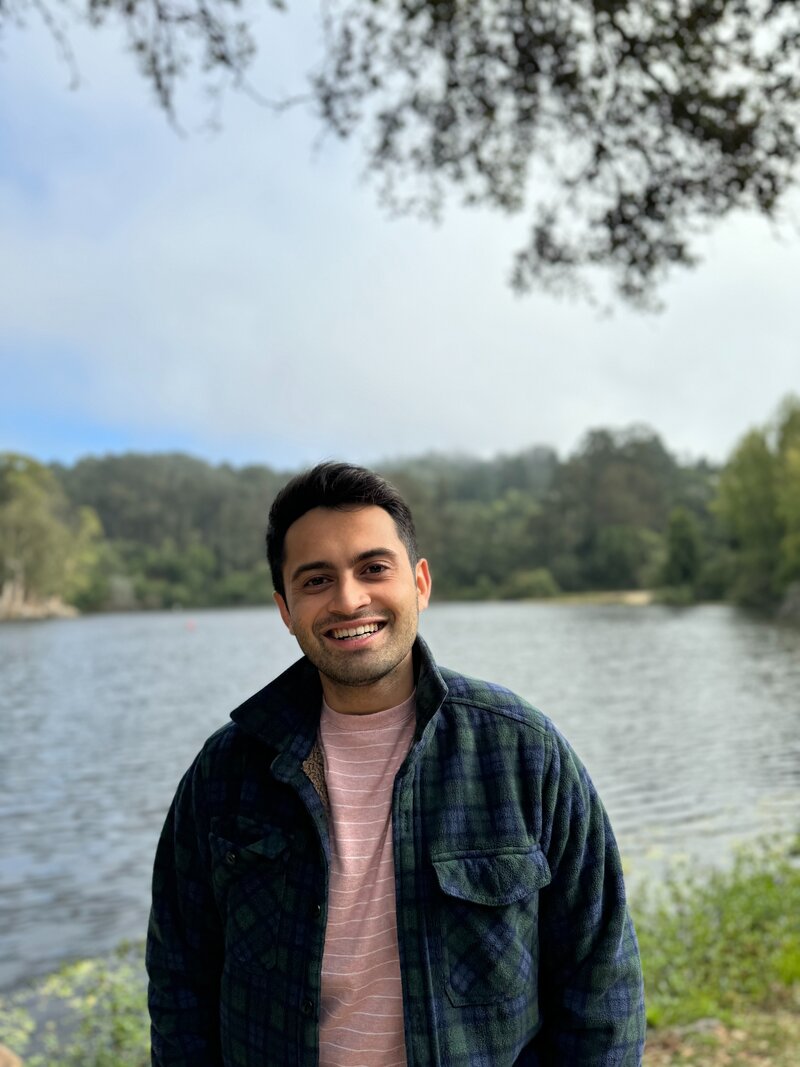
I'm interested in empirical projects that improve our ability to evaluate model capabilities or enable us to understand or evaluate model monitorability. An ideal project culminates in a research output (conference/Arxiv paper or research blogpost with artifacts).

Making society safe from AI doesn't just mean making safe AI: we're figuring out how to uplift human collective intelligence, manage a highly multiagent world, improve foresight and institutional competence, ideally learning how to make best positive use of frontier AI systems as we go. FLF has a small, sharp team of researchers with a wide network, and we're looking to nurture new and missing approaches to minimising large-scale risks while steering to a flourishing future.