MATS Summer 2026
The Summer 2026 program will run from June through August. It will be largest MATS program to date with 120 fellows and 100 mentors. Fellows will be connected with mentors or organizational research groups, such as Anthropic's Alignment Science team, UK AISI, Redwood Research, ARC, and LawZero, to collaborate on a research project over the summer. Some fellows will be offered a 6+ month extension to continue this collaboration.
Applications are now closed.
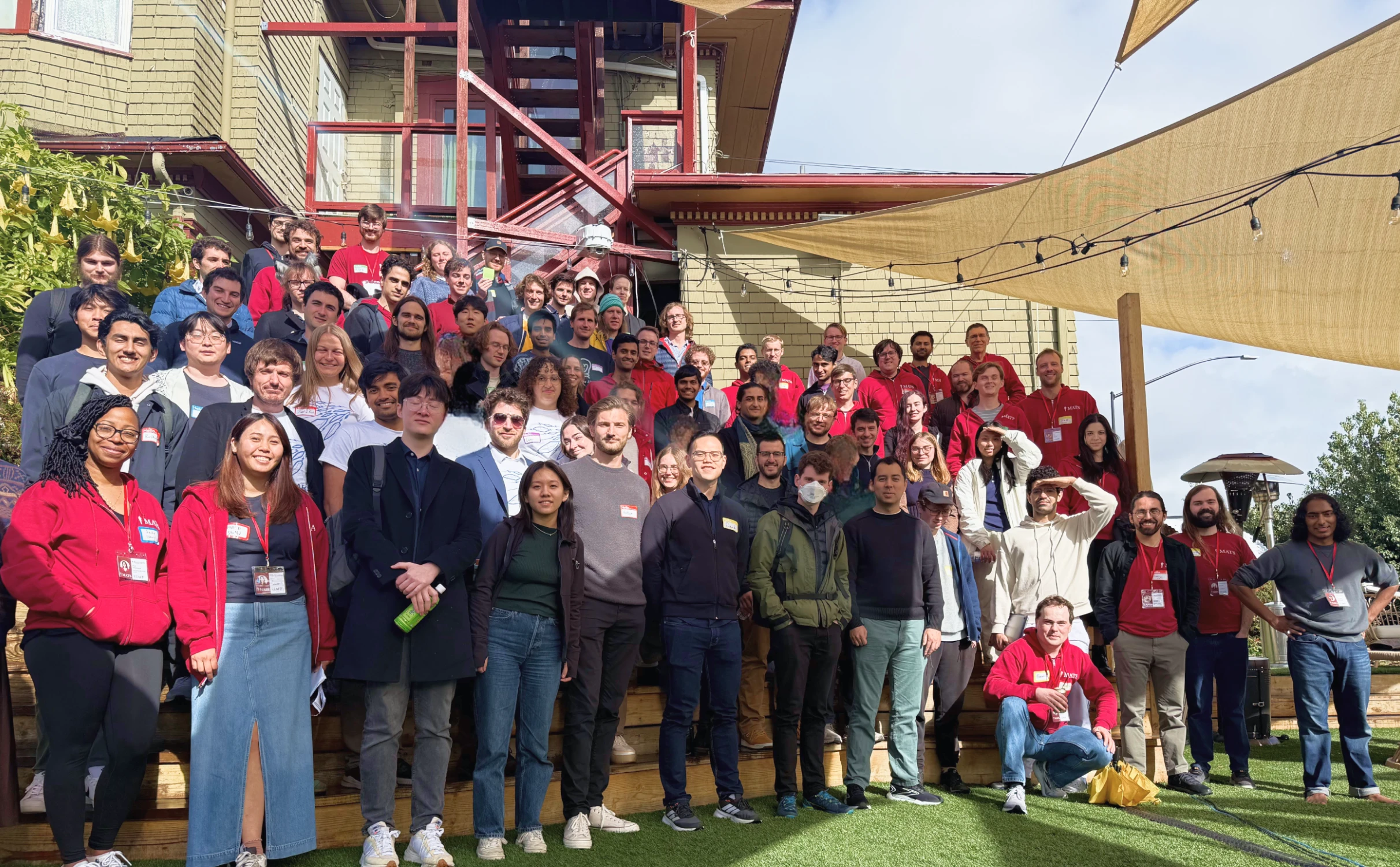
Program phases
Key dates for the application and admissions timeline
Applications typically open several months before the program begins. Applicants complete a multi-stage admissions process, beginning with a general application. Depending on the tracks, streams, and mentors they apply to, applicants may also complete additional evaluations such as interviews, work tests, coding assessments, or writing samples before final admissions decisions are made.
Each MATS stream brings together scholars and mentors around a shared research agenda. Streams vary in methodology and focus area, spanning topics such as interpretability, control, evaluations, governance, cybersecurity, and agent foundations.
We are interested in AI control and scalable oversight. I'm excited to work with scholars interested in empirical projects building and evaluating control measures and oversight techniques for LLM agents, especially those based on chain of thought monitoring. I'm also interested in the science of chain of thought monitorability, misalignment and control. An ideal project ends with a paper submitted to NeurIPS/ICML/ICLR.

Projects in this stream will be on AI welfare and moral status; more specifically, on what it takes to be a moral patient and how we can determine whether AI systems meet the conditions. I'm looking for applicants who have ideas about these topics and are motivated to explore them in more detail.

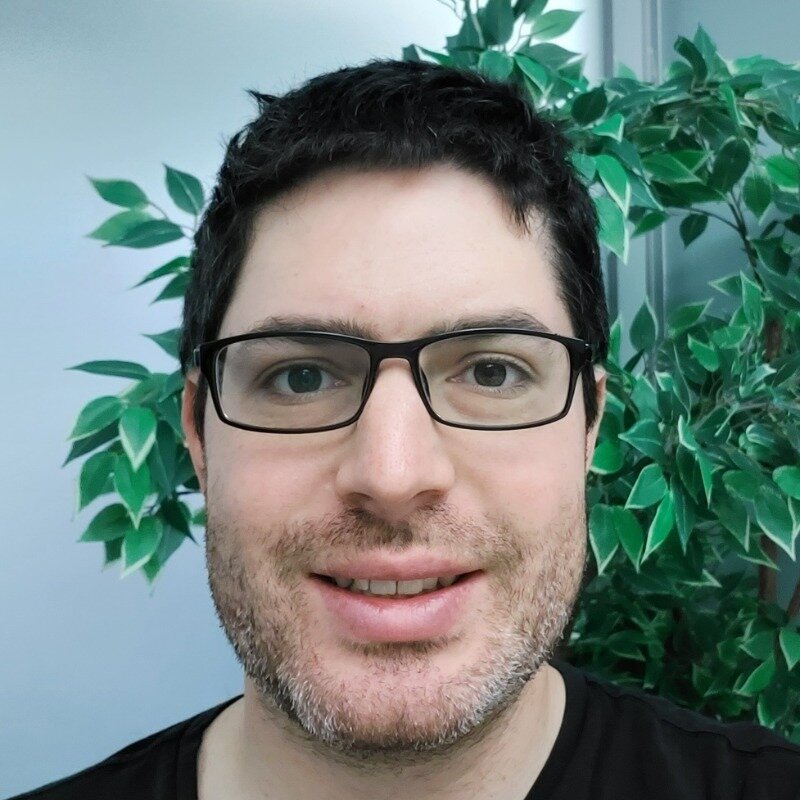
In this stream we will explore extensions and implications of our discovery that neural networks pretrained on next-token prediction represent belief-state geometry in their activations. We will build on this fundamental theory of neural network representations in order to discover what AI systems are thinking, and understand their emergent behaviors.

Peter Henderson’s stream focuses on developing safe, aligned AI agents, with projects on scalable oversight rules informed by law and game theory, safe long-horizon exploration, and measuring “jagged” capability/safety frontiers. Scholars will join an independently driven, engineering-heavy research environment, collaborating with other MATS scholars and PhD students, with weekly 1:1s and active async mentorship.
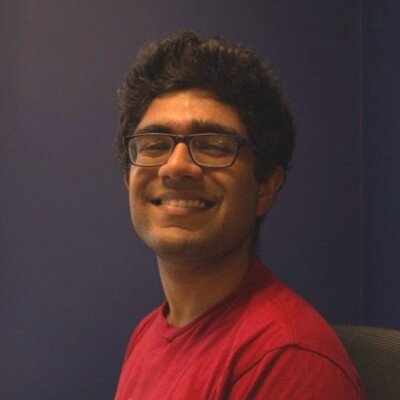
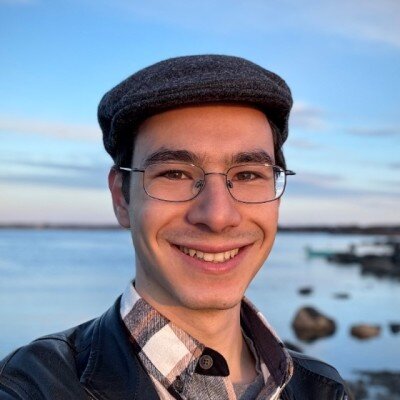


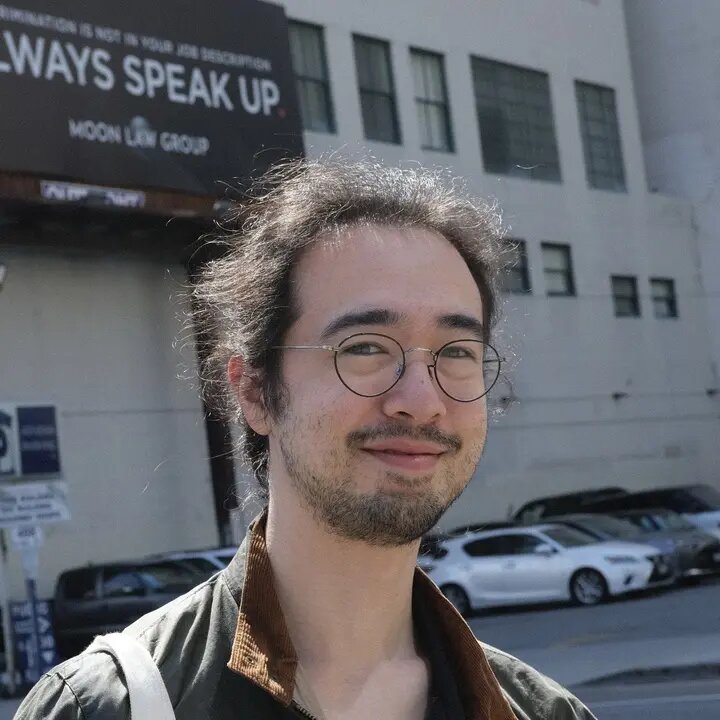
The Redwood Research stream is looking for fast empirical iterators and strategists to work on control research.
My MATS fellows will do philosophical thinking about multi-agent intelligence and how agents change their values. This will likely involve trying to explore and synthesize ideas from game theory, signaling theory, reinforcement learning, and other related domains.

Roger Grosse’s stream investigates how to improve influence functions and other training data attribution methods, and uses these tools to study alignment-related phenomena such as out-of-context reasoning and emergent misalignment. The ideal scholar has experience with LLM internals, strong statistics/applied math skills (especially numerical linear algebra), and can independently drive research from literature review through experimentation and analysis. Roger provides shovel-ready projects while giving exceptional scholars freedom to pursue their own ideas, and is open to scholars collaborating with others.


International coordination to reduce frontier AI risks, with a focus on China and the West.