The Autumn 2026 program will run for 10 weeks in Berkeley, CA and London, UK from September 28th to December 4th. Fellows will receive mentorship from world-class researchers and at organizations like Anthropic, Google DeepMind, OpenAI, Redwood Research, and ARC, with the option to apply for a 6–12 month funded extension beyond the main program. For the first time, we are running Founding & Field-Building and Biosecurity tracks.
Applications are now open. Apply by June 7th.

Key dates for the application and admissions timeline
Applications typically open several months before the program begins. Applicants complete a multi-stage admissions process, beginning with a general application. Depending on the tracks, streams, and mentors they apply to, applicants may also complete additional evaluations such as interviews, work tests, coding assessments, or writing samples before final admissions decisions are made.
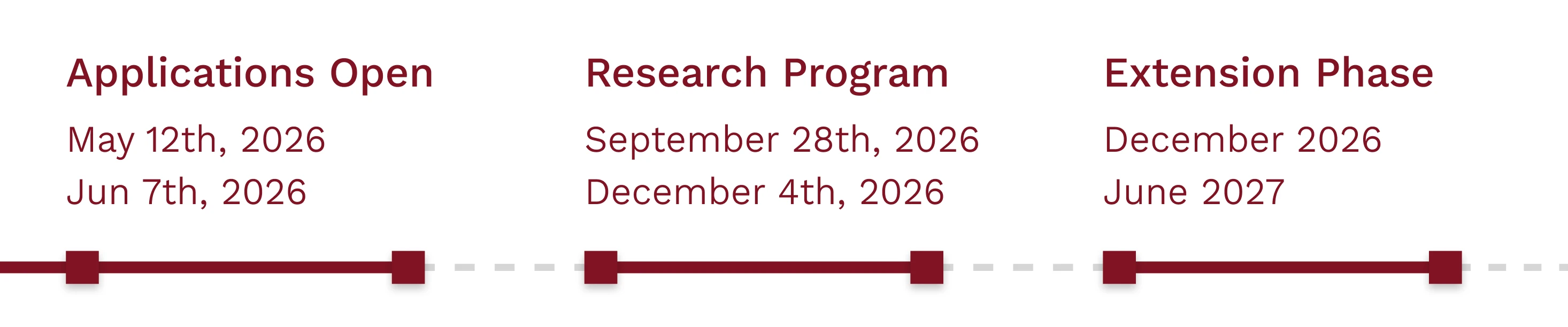
The main program is a 10 to 12 week full-time research fellowship. Fellows work closely with one or more mentors on independent research projects while participating in workshops, talks, office hours, and the broader MATS community. Research directions are developed collaboratively with mentors, with increasing independence throughout the program.
The extension phase typically begins approximately two weeks after the main program concludes. Fellows who demonstrate strong research potential during the main program may apply for a funded 6 to 12 month extension. Extension fellows continue developing independent research with ongoing mentorship and support, typically working from MATS offices or other approved research locations. In recent cohorts, roughly 80% of fellows who applied to the extension phase were accepted.
MATS aims to accelerate researchers who will:
MATS alumni have gone on to publish safety research, join alignment organizations, including Anthropic and MIRI, and found an alignment research lab. You can read more about MATS alumni here.
In stage one, applicants apply to one or more tracks (broad research areas): Empirical, Theory, Strategy & Forecasting, Policy & Governance, System Security, Biosecurity, and Founding & Field-Building. In stage two, advancing applicants choose specific streams within those tracks, each led by one or more mentors with their own research agenda. You can view this list as a grid here.
This stream focuses on mathematical modelling projects that quantify the comparative value and cost-effectiveness of pandemic and GCBR mitigating interventions (early warning and detection, biohardening, medical countermeasures etc), with a particular focus on how that picture shifts under threat scenarios involving AI-enabled uplift to biological capabilities, rather than a natural-emergence baseline. I'm also happy to supervise non-modelling, strategic and exploratory work in the same space (e.g. reasoning through how those AI-enabled scenarios actually differ and what they imply for the prospects of different interventions). For a better sense of what my team do more generally, have a look here: https://whittakerlab.com/.
One 30-60 min weekly meeting by default. I'm pretty active on Slack and can usually respond to questions there within a day or two. I also anticipate you'll work closely with another member of my group (either a postdoctoral researcher or a PhD student, perhaps both), who will serve as another point of contact and also provide feedback/project assistance on an ~weekly basis.
Essential:
Preferred:
Not a good fit:
I'll provide fellows with a short list of potential projects and will meet with them to discuss which they feel most excited about / best suited for. Also very happy to chat through any specific ideas or proposals they might have and where they think I could be helpful!
Junior grantmaking on Coefficient Giving's Technical AI Safety team ($150M+ in grants in 2025). Fellows will co-lead grant investigations, scope new active grantmaking projects (incl. founding new orgs), and help shape the team's strategy and future RFPs.
Active mentorship, similar to a regular manager relationship, with at least one 1-1 per week, async guidance…
You can find a full list of criteria in this document.
In short, we are looking for a combination of:
Fellows will work on a range of projects throughout the fellowship, and will work closely with their mentor to assign and execute on these projects. Fellows will have a comparable amount of freedom as a new grantmaker joining our team does.
This mentor also has a stream in the Strategy and Forecasting track
This stream focuses on how advanced AI could enable new and dangerous bio technologies, and on assessing when risks become tractable or urgent as those capabilities arrive.
Half-hour one-on-one weekly meetings by default, with the option to extend or add ad-hoc calls when useful. I'm active on Slack and typically respond within a day for quick questions. I'm happy to read drafts and leave written feedback async between meetings.
Essential:
Preferred:
I'll talk with the fellow about what they're interested in, and we'll pick a broad area together from a few directions I'd want to pitch. From there we'll work together to scope something sharp and well-defined, with me leaning on my sense of what's tractable and high-value. The fellow then runs with the project, and we adjust as it develops.
I have two broad areas.
Security:
I am interested in building demonstrations for hacking real-world AI deployments to show that they are not secure. The goal is to force companies to invest in alignment techniques that can solve the underlying security issues.
Benchmarks:
I am interested in building benchmarks to determine how generalizable modern LLM techniques actually are, now that we are no longer in the pre-training scaling era.
I will meet 1-1 or as a group, depending on the interests as they relate to the projects. Slack communication outside of the 1-1.
I strongly prefer multiple short meetings over single long meetings, except at the start.
I'll help with research obstacles, including outside of meetings
For security:
You should have a strong security mindset, having demonstrated the willingness to be creative on this. I would like to see past demonstration of willingness to get your hands dirty and try many different systems.
For benchmarks:
As creative as possible, willingness to work on the nitty gritty, willingness to work really hard on problems other people fine boring. As interests as far away from SF-related interests as possible.
Mentor(s) will talk through project ideas with scholar
The stream focuses on evaluating and/or mitigating catastrophic risk emerging from dangerous scientific capabilities in frontier AI systems, with an emphasis on the challenges that emerge from lab integrations and novel science. Potential research directions include evaluation design, risk mitigations and evaluation science.
We can schedule a weekly 1h meeting, for general progress updates, share result and overall guidance. I would be reachable on Slack as well for async comms. Happy to jump on ad-hoc calls for specific discussions or pair coding/debugging. I am based in London and I work UK hours (10am-7pm), but I also visit the US (Boston) a few times a year.
Essential
Preferred
Not a good fit:
I will work with the fellow to find the right project that suits their interest within the directions spelled out above. I will pitch a few project ideas and support the fellow in making the decision. I also welcome project suggestions; in those cases I would work with the fellow to scope it appropriately.
Founding ambitious AI safety and field-building projects.
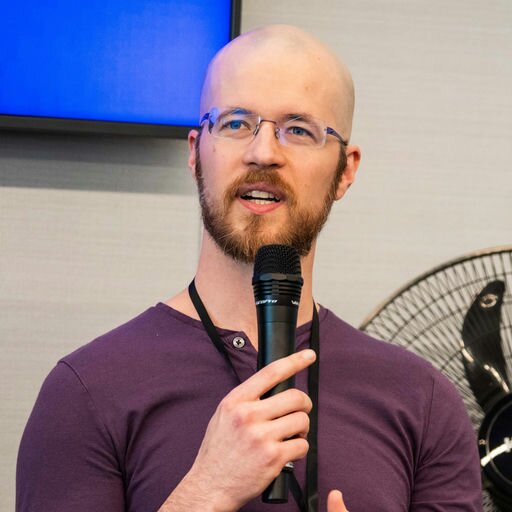
Minimum support = 2x 30-min meetings per week. We could scale this up as appropriate.
I'll be based in SF. If the fellows want to work in BlueDot's office for some periods of time, I could collaborate with them daily.
I'm available for quick calls anytime, and am responsive on Slack.
I'm open to people with a wide range of backgrounds. Though you need to be willing to work very hard, be great at communicating, and have a burning desire to make AI go well.
I work best with people who are intense, communicate and reason clearly, and are mission-driven.
We'll work together to design the project. You'll have a lot of freedom to figure out what the best shape of thing to do is, and I'll provide lots of regular feedback and make relevant introductions to help you refine the proposal.
Your first 1-2 weeks will be focused on figuring out what to do, and the rest of the fellowship will be focused on execution.
This is the empirical research stream of Eleos AI Research. We’re dedicated to understanding and addressing the potential wellbeing and moral status of AI systems. We are open to fellows working on a broad range of topics, including LLM introspection, LLM preferences, persona vectors, and more, using either white-box or black-box interpretability techniques.
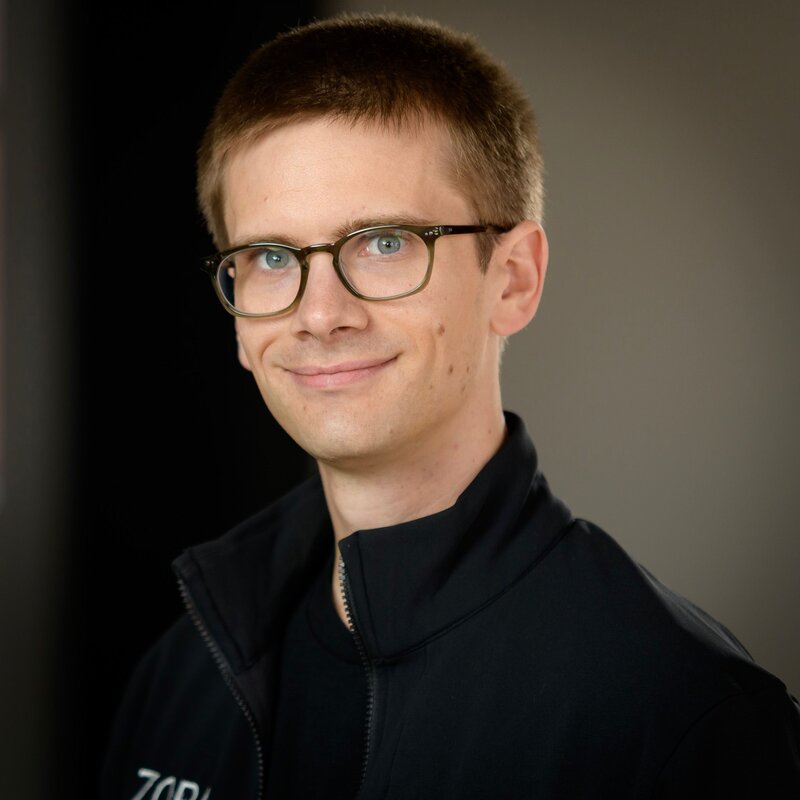
By default, we will meet in person for at least an hour per week. We’ll communicate regularly on Slack between meetings, and I will often be able to hop on brief calls on short-notice to discuss time-sensitive, blocking issues.
Essential:
Strong advantages, but not strictly required:
Familiarity with existing research on AI well-being
We’ll meet at the start of the program to discuss ideas for projects aligned with Eleos’s research priorities, including any ideas that fellows would like to pitch. We’ll work together to select a project that best fits each fellow’s goals and skills.
This stream offers two broad projects focused on improving current detection efforts at SecureBio. The first is to characterize when AI-bio or general AI tools are actually useful for large-scale metagenomic detection, including tradeoffs between compute cost, sequencing cost, model type, model size, and pipeline stage. The second is to explore genomic language models as novelty detectors—for example, using perplexity-style metrics to flag surprising sequences—and to evaluate whether this approach can complement traditional bioinformatics systems in a cost-effective, sensitive, and interpretable way.
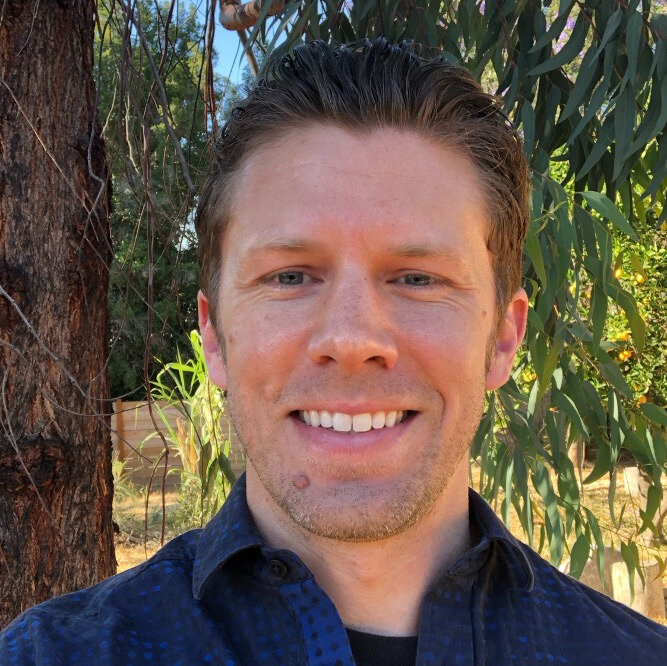
By default, we'll mostly collaborate via a standing weekly meeting (~1 hour), wherein we'll discuss recent progress and next directions. I'm available via Slack for quick back-and-forth on ideas, sanity checks, and unblocking (data access, etc.), but will rely on the fellow to manage their own implementations, code review, debugging, etc.
Essential:
Preferred:
Not a good fit:
I'll determine which of the two broad project ideas we're running with based on SecureBio Detection needs, which fellows match to me, etc. Within that broad project, I'll guide with what I think is helpful / interesting / relevant to SecureBio Detection, and I expect the fellow to have both autonomy and responsibility to pick concrete work directions.
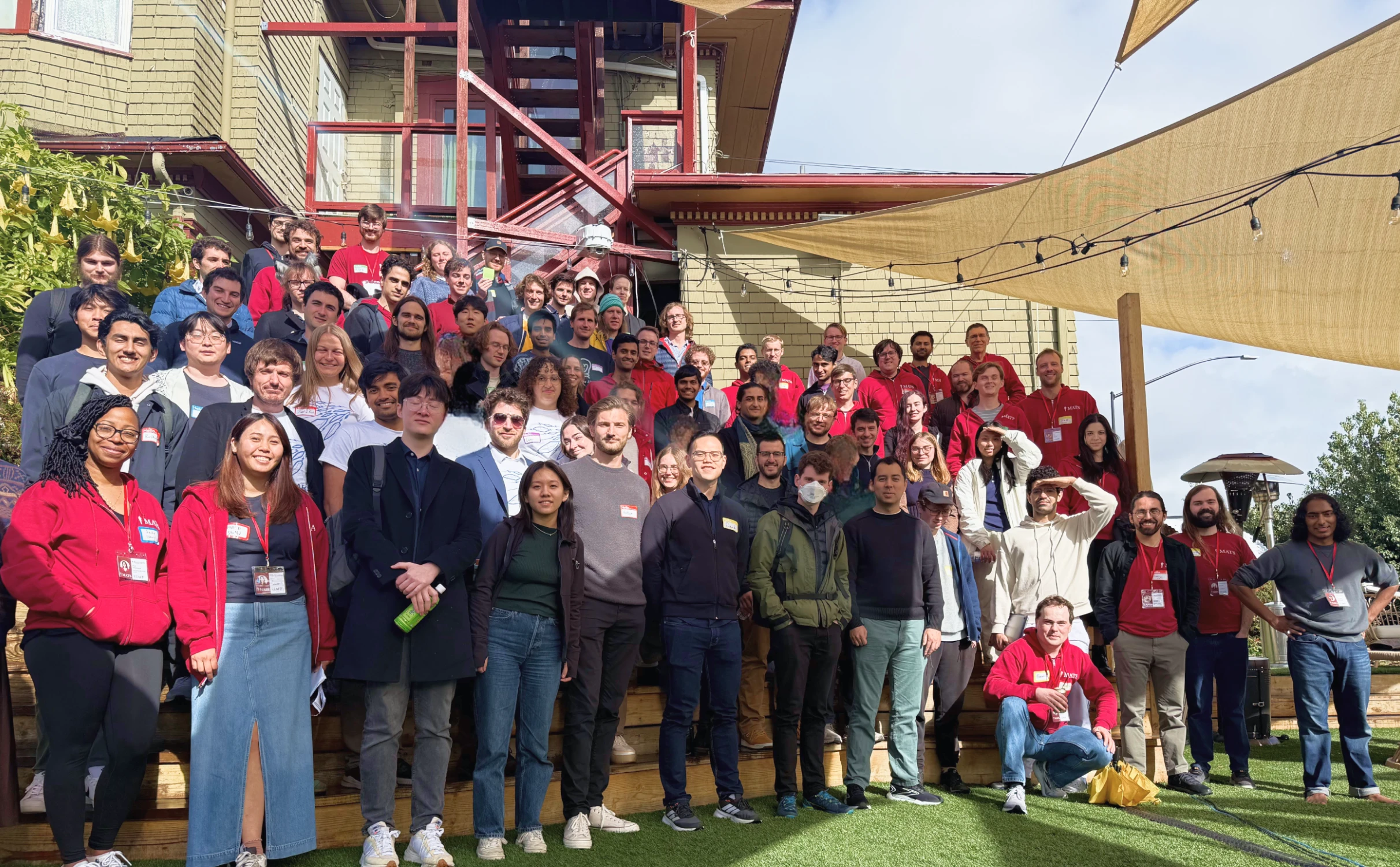
MATS Research phase provides scholars with a community of peers.

Scholars work out of a shared office and are supported by the Community Team.
MATS alumni report that the connections with peers that they made during MATS have had the largest impact on them years later. Our full-time Community Team works to facilitate these connections and also provide general well-being support. Weekly lightning talks, scholar-led discussion groups, game nights, and outings to SF are some examples of MATS events.