
Founding and Field-Building
This track is for prospective founders, field-builders, high-agency generalists, and general managers who want to launch new AI safety initiatives. Over 12 weeks (with a potential 6–12 month extension), fellows build and launch something new with weekly guidance from mentors (founders, field-builders, sitting CEOs, program directors, etc.) who have done it themselves.
- Stage 1: Complete the general application, including track-specific short-response questions
- Stage 2: Stream selection questions alongside possibly reference requests
- Stage 3: Interviews and work-tests
We think AI safety needs to scale fast to ensure AI development and deployment goes well. At MATS, we are proud to have trained 10 cohorts of top researchers, but high-impact organizations are increasingly bottlenecked by management and scaling. There are more promising ideas than there are “general managers” to champion them, and available funding and capital are outpacing the capacity for deployment. We are launching the MATS Founding & Field-Building track to solve these bottlenecks and scale AI safety.
We want fellows who are resourceful, principled, and motivated to do work that matters. There are three main pathways in this track:
- Founder: You are an experienced or fast-learning founder who wants to launch new AI safety initiatives in a high-talent, deep-research, mission-aligned environment. Our mentors have high-impact agendas in need of founders, or you can bring your own ideas.
- Amplifier: You are a high-agency org-builder or generalist who wants to enter AI safety for impact at an existing org as they scale or expand their reach with new projects.
- Field-Builder: You are a well-connected, high-context generalist who wants to own talent development and deployment initiatives within AI safety.
If you see yourself in any of these roles, we want you to apply!
Potential project inspiration from: Coefficient Giving 2025 Technical AI Safety RFP, Bio Action Plan, Lizka Vaintrob & Owen Cotton-Barratt, Eric Ho, Marius Hobbhahn, Julian Hazell, Abbey Chaver, and Asya Bergal.
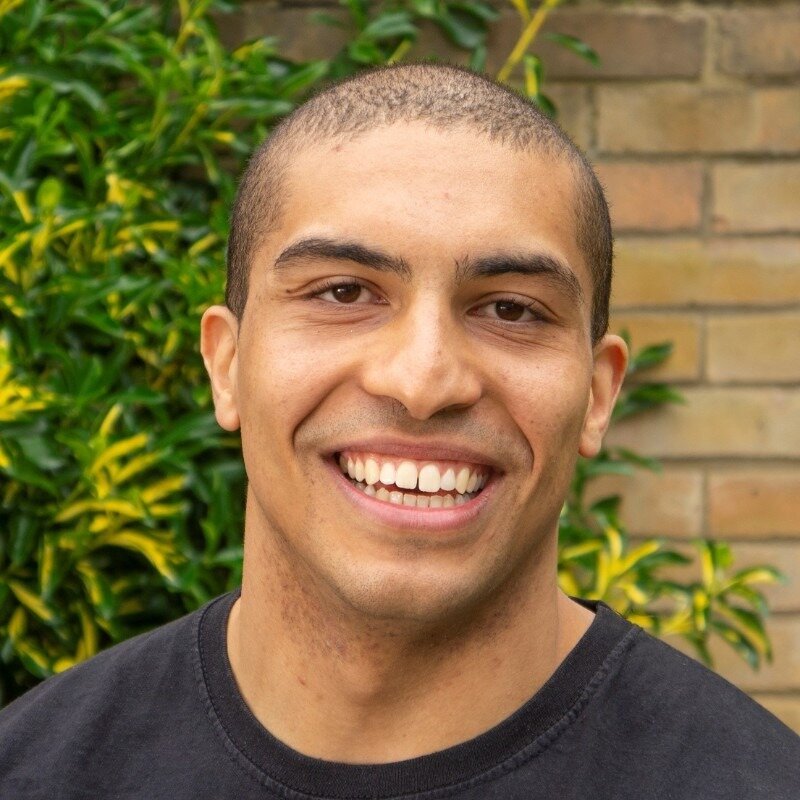
This stream will focus on field-building and research amplification, including headhunting and talent projects, ecosystem incentives such as large impact bounties, and operational work to scale an alignment research team.

Founding ambitious AI safety and field-building projects.
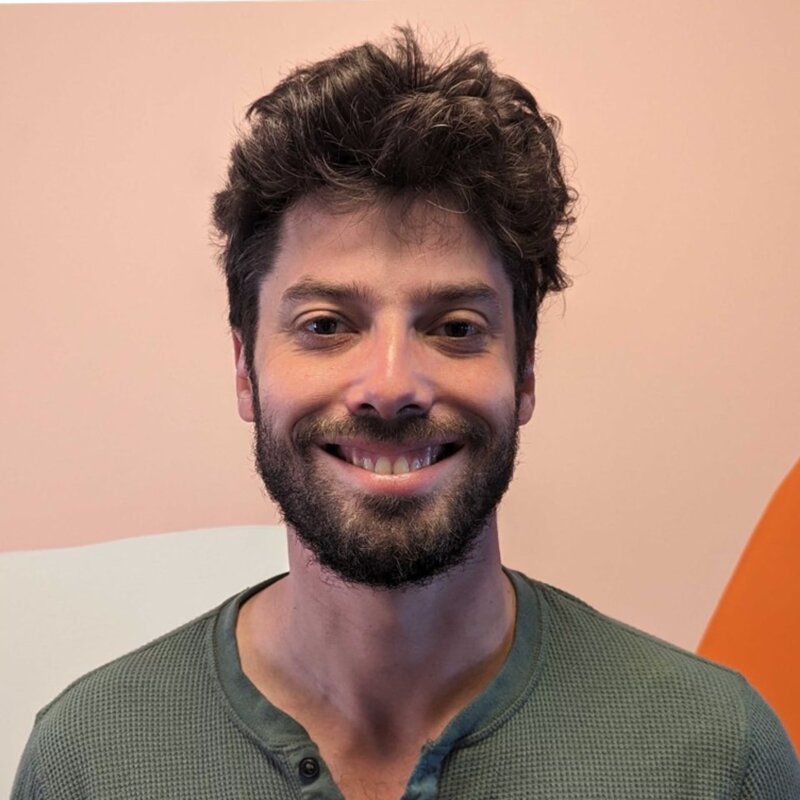
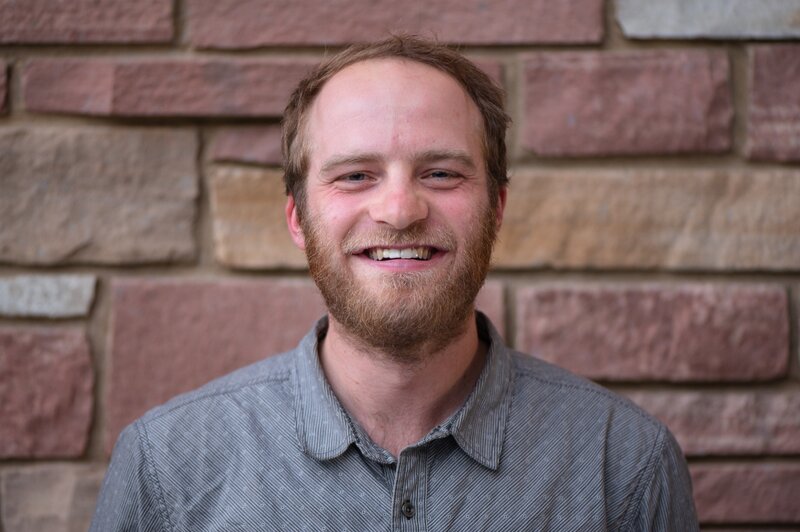

This stream focuses on building companies in AI assurance infrastructure, from energy and physical networking to authentication and interpretability.
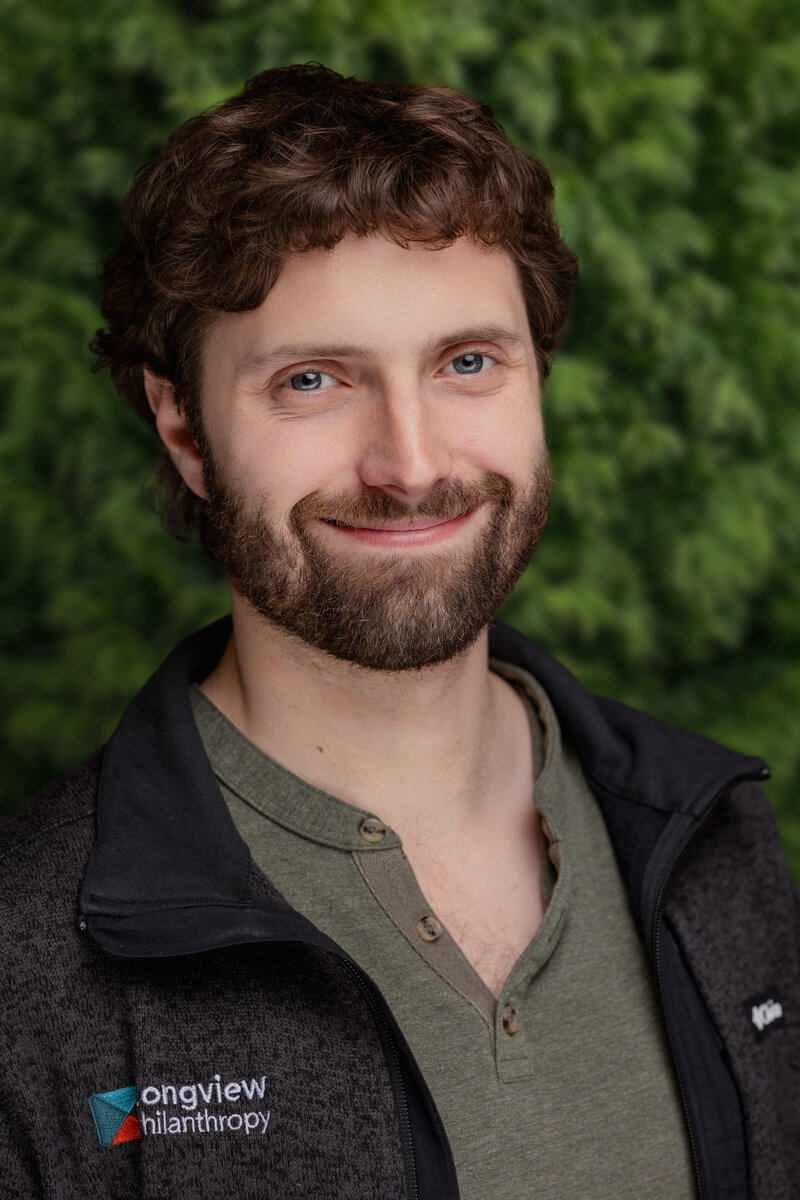
My stream aims to prevent catastrophic outcomes through the AI transition by focusing on three lines of effort: nuclear and AI-enabled strategic threats; cognitive security, information competition, and AI-enabled influence; and moral game theory, competitive strategy, and peace. Fellows can pursue their own research, help build the field, or support grantmaking in any of these areas.
This stream works on infrastructure for AI safety research: AI tools that give safety researchers uplift, mechanism design and product development for funder coordination, and AI policy scenarios and proposals.

Eleos AI Research is a nonprofit working to ensure the interests of AI systems are appropriately taken into account as we navigate transformative AI. We are looking for competent generalists to help scale up our AI welfare field-building by running high-impact events, or to otherwise amplify our research, communications, and operational capacity.

Backing projects focused on product development and organization building in the areas of AI safety and alignment, biosecurity, and critical cybersecurity. Looking for fellows who are self starters, default to action, and have a desire to create.
This stream focuses on forecasting, real world applications of world modeling with LLMs, formal & semiformal verification, capability evaluations design, coordination mechanisms, collective intelligence applications, and gradual disempowerment.