MATS mentors are advancing the frontiers of AI alignment, transparency, and security
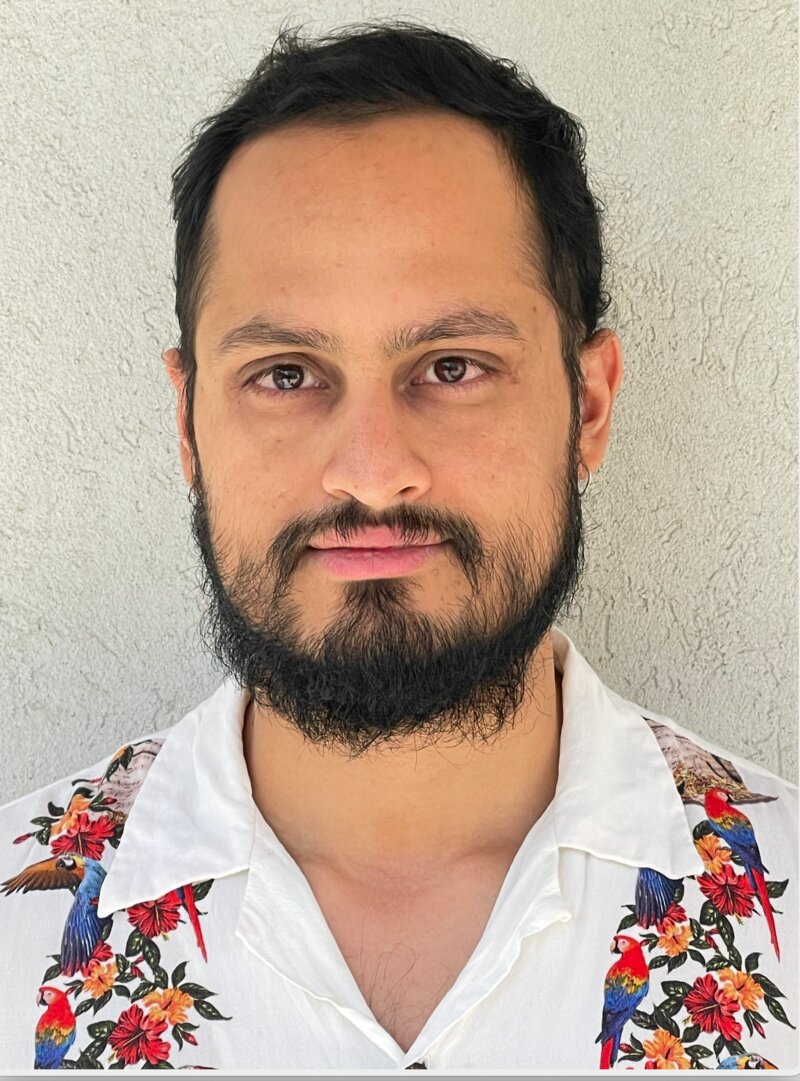
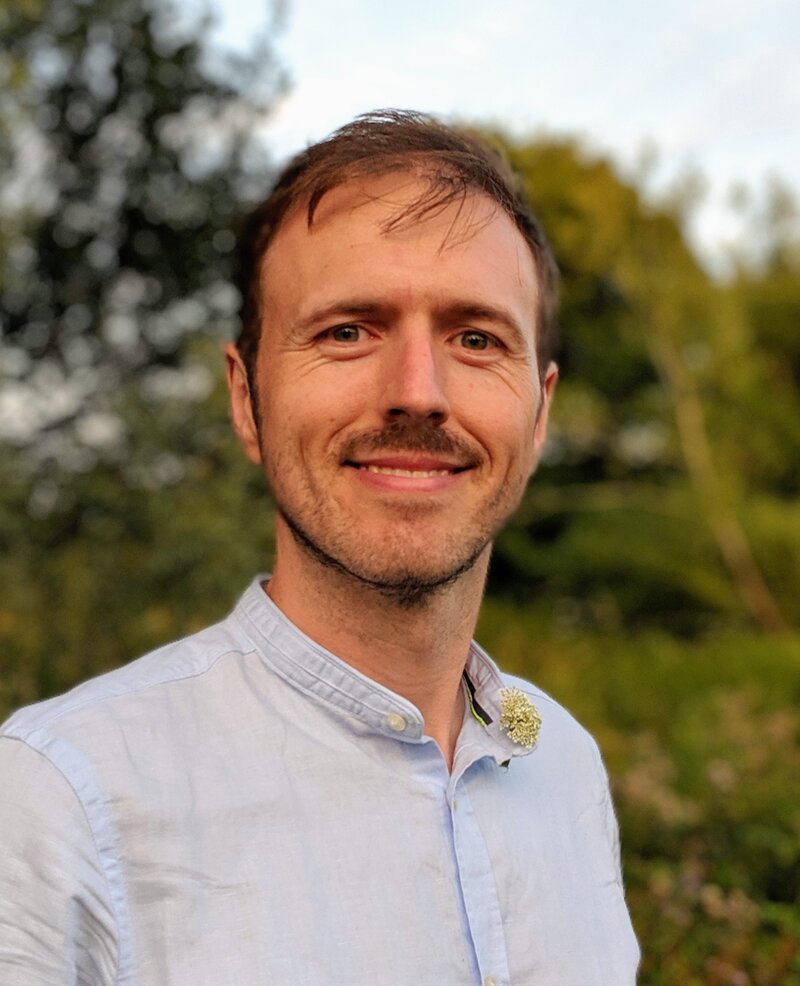


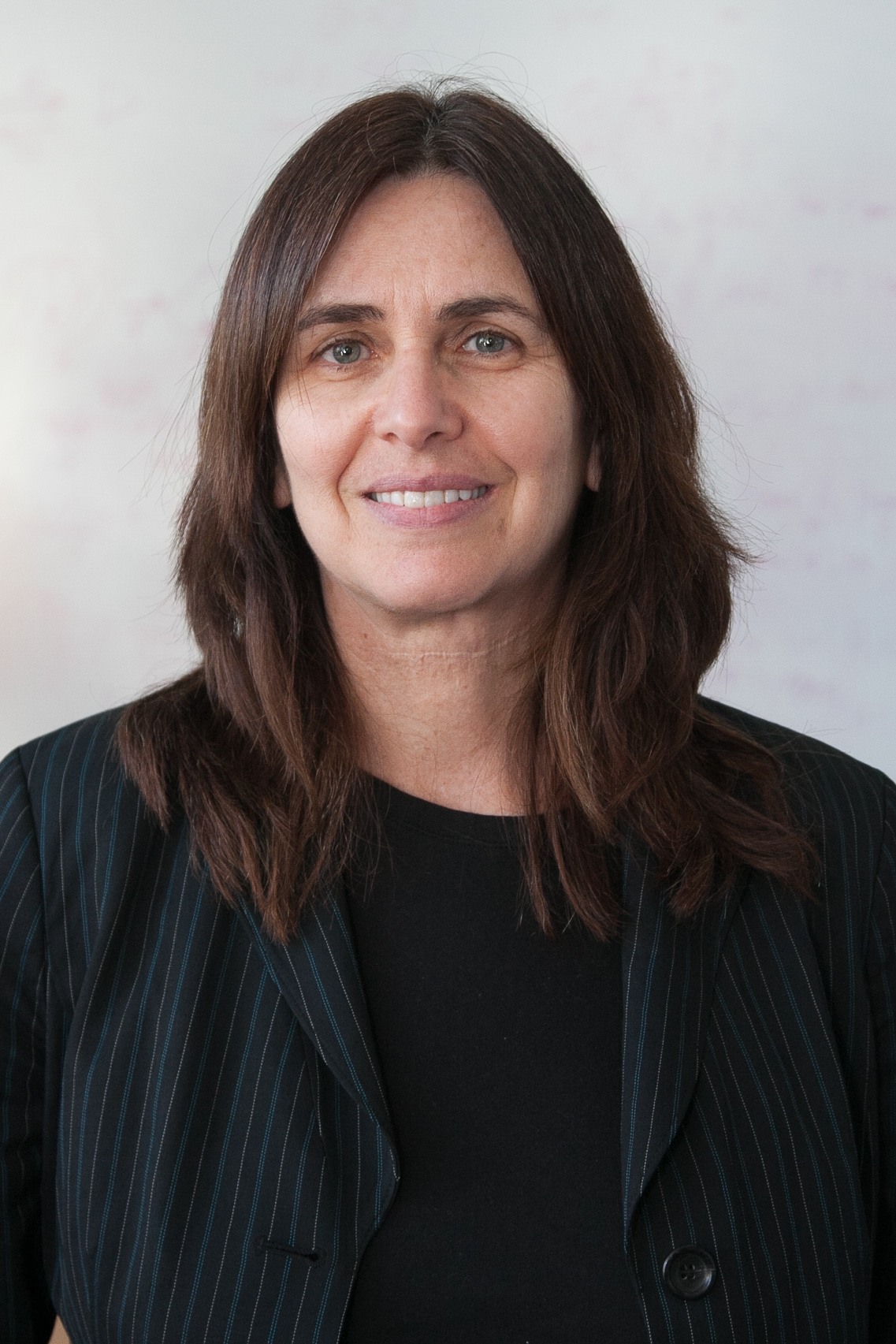

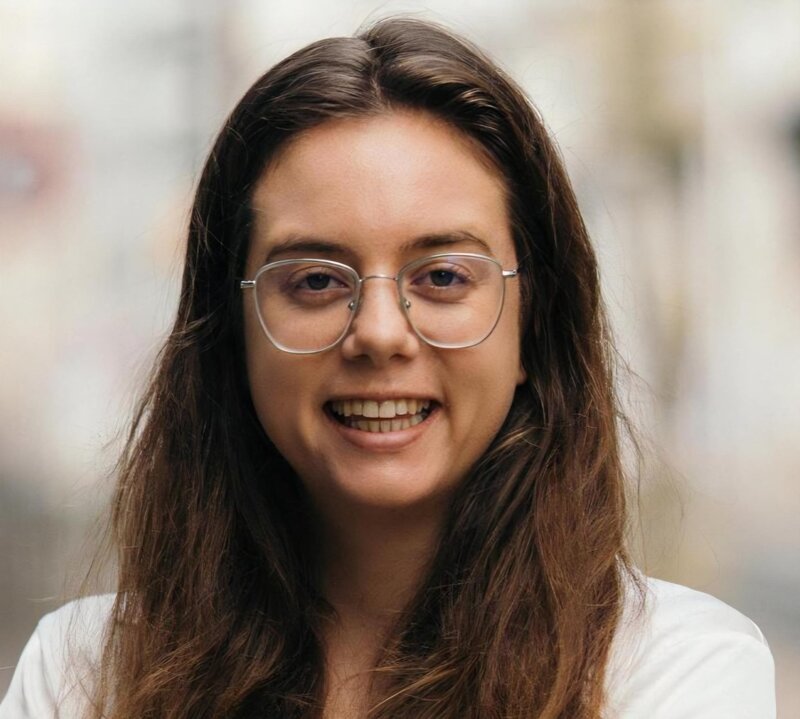
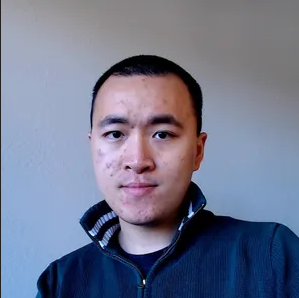
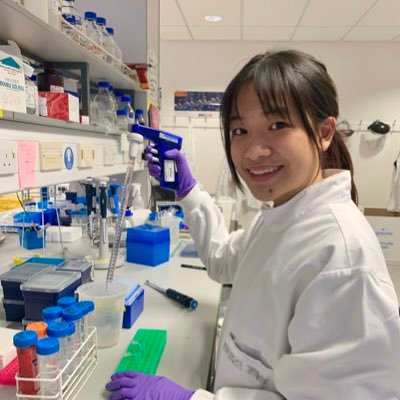

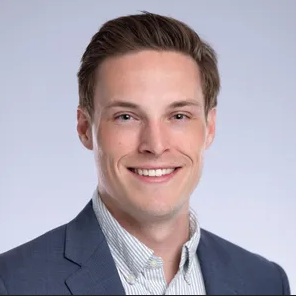

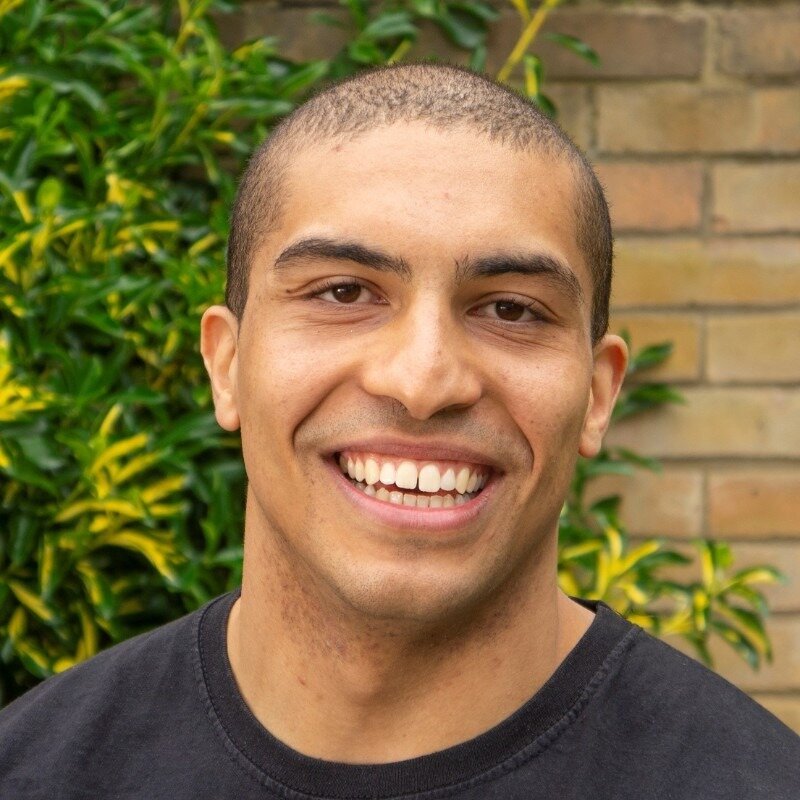

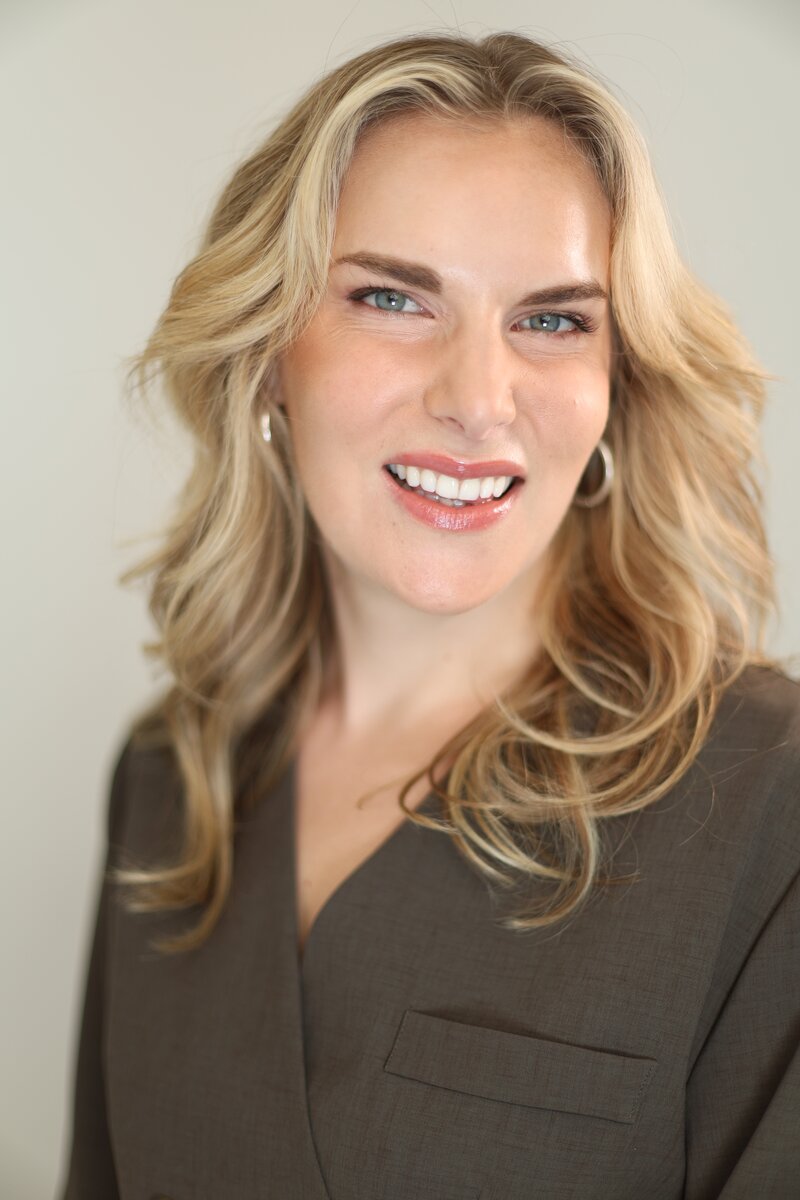
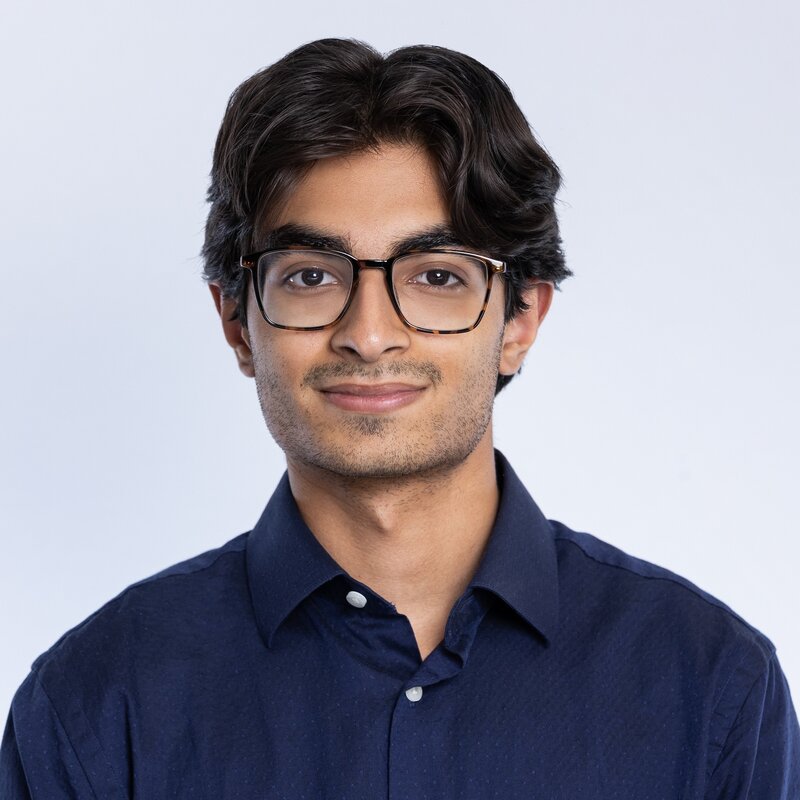
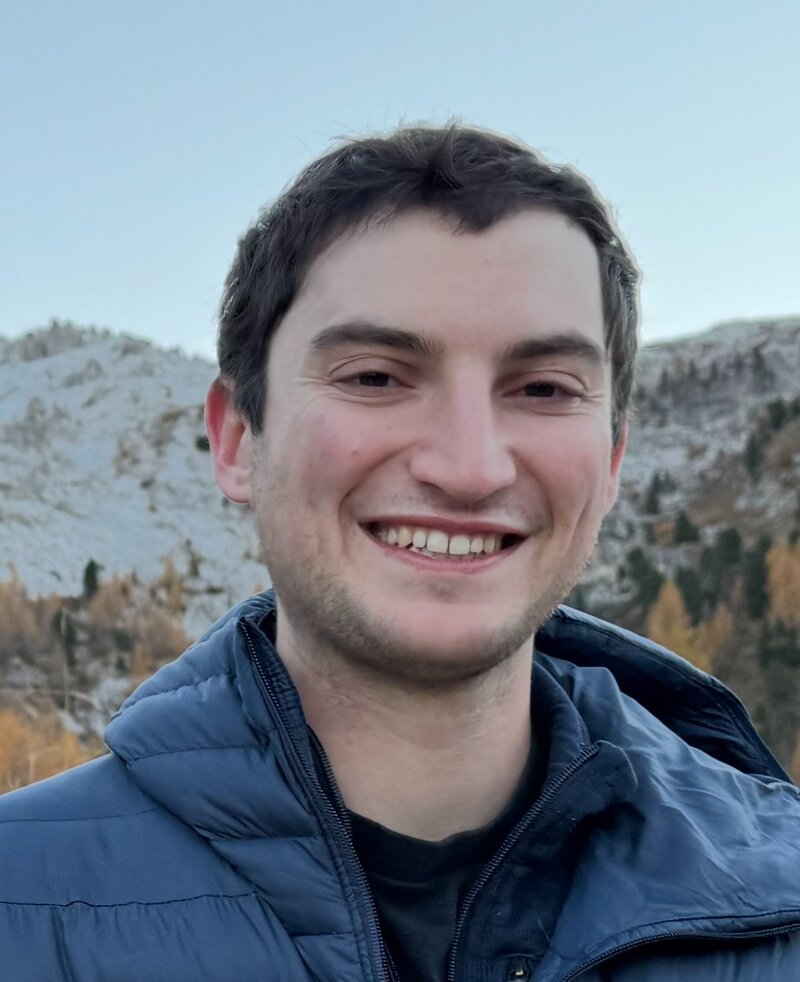
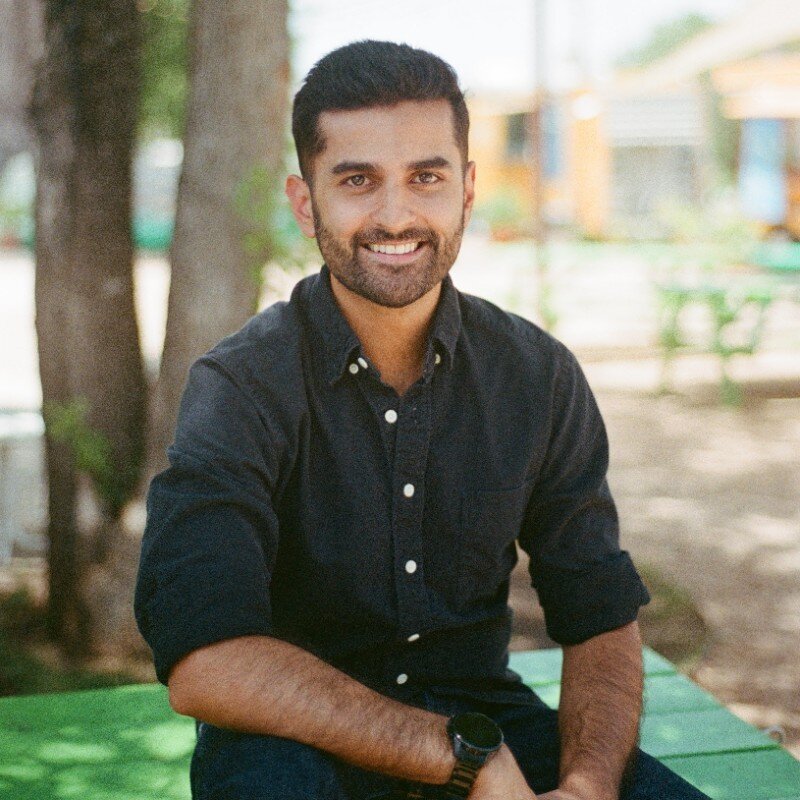
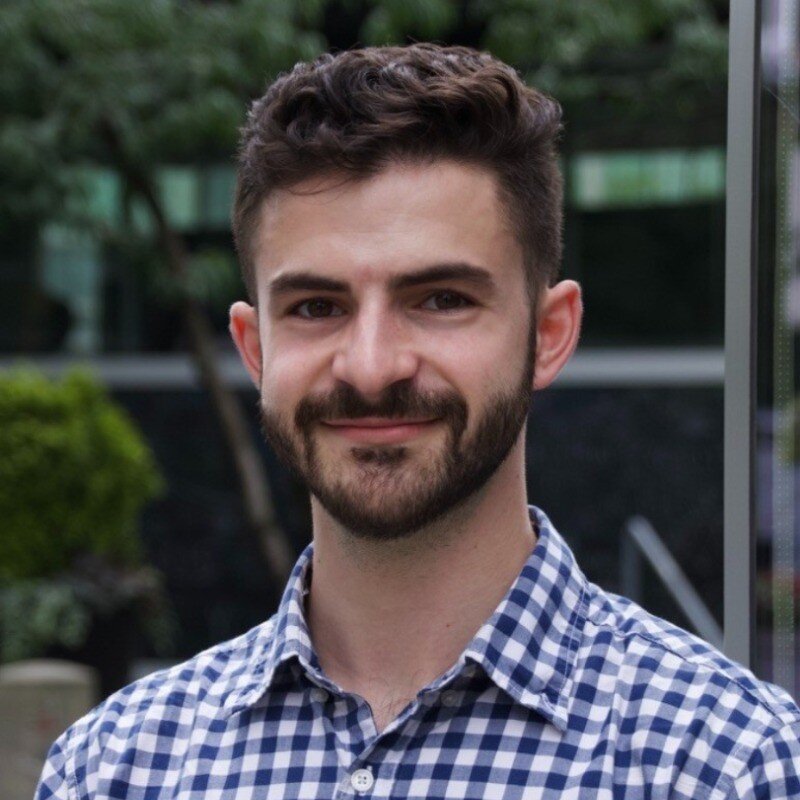
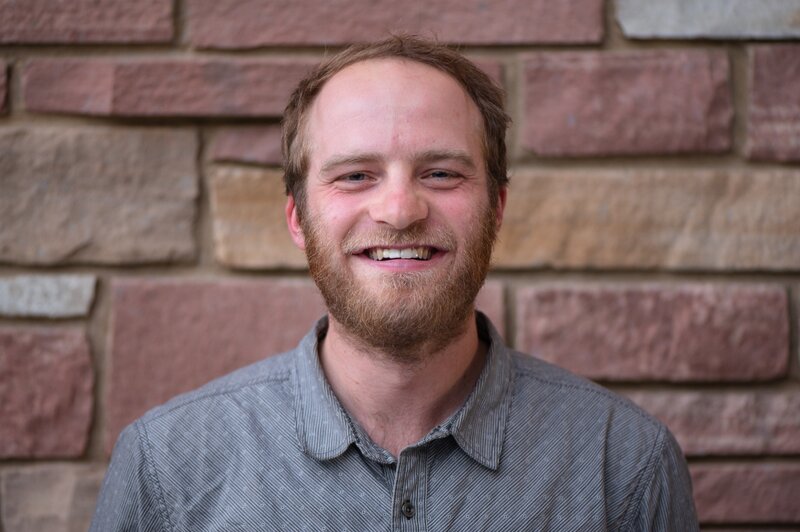

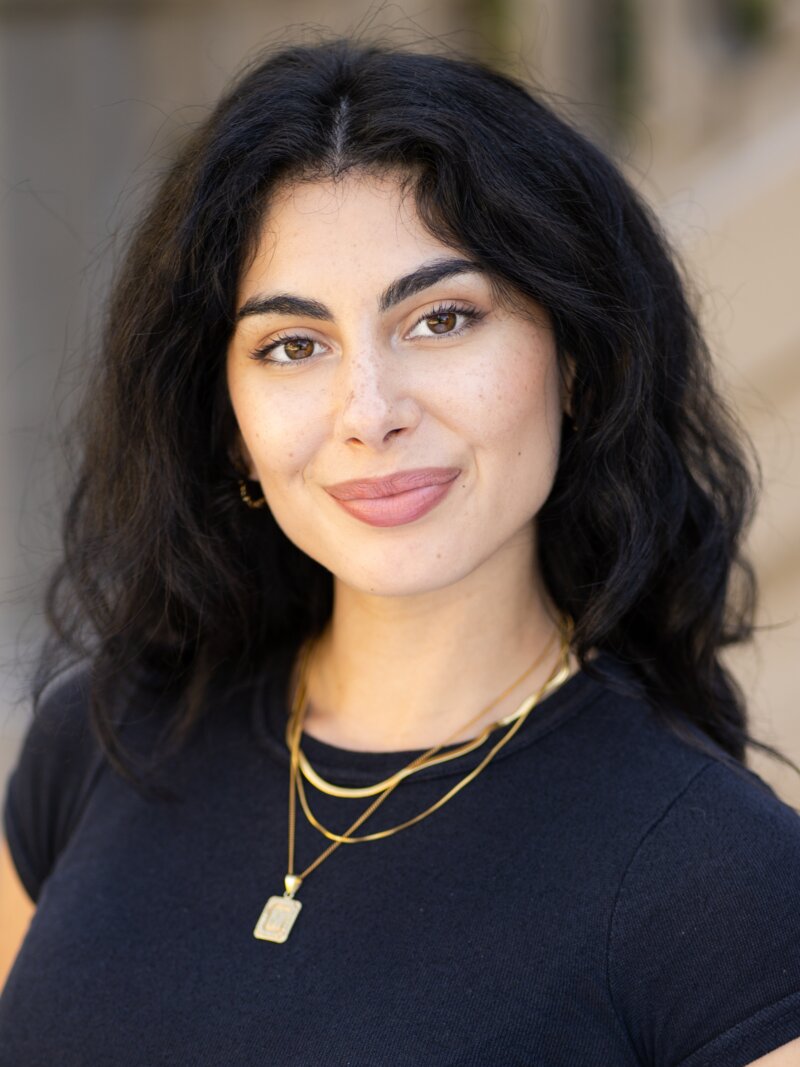
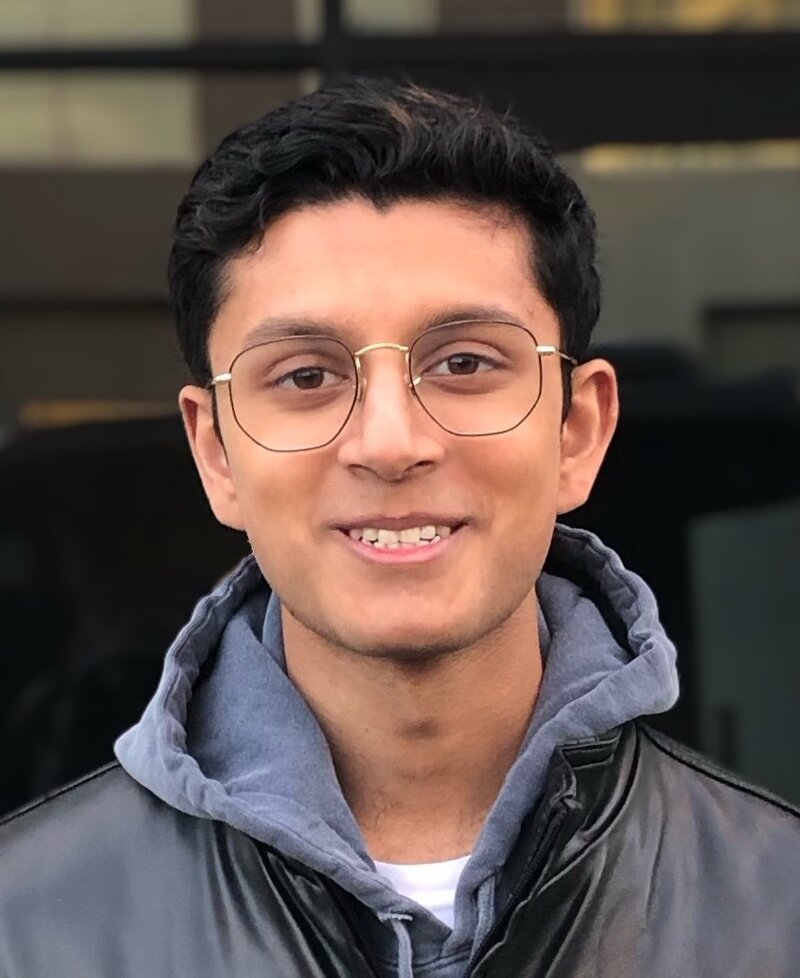



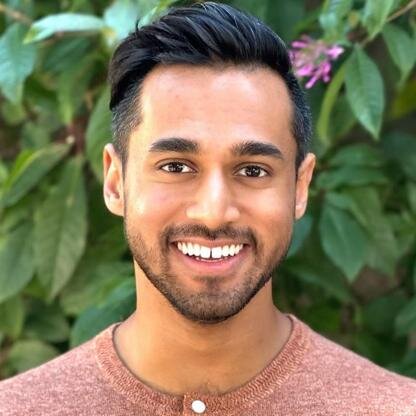
Ethan Perez is a researcher at Anthropic, where he leads a team working on AI control, adversarial robustness, and other areas of AI safety research. His interests span many areas of LLM safety; he's previously led work on sleeper agents, red-teaming language models with language models, developing AI safety via debate using LLMs, and demonstrating and improving unfaithfulness in chain of thought reasoning. Read more on his website.

Sam leads the Cognitive Oversight subteam of Anthropic's Alignment Science team. Their goal is to be able to oversee AI systems not based on whether they have good input/output behavior, but based on whether there's anything suspicious about the cognitive processes underlying those behaviors. For example, one in-scope problem is "detecting when language models are lying, including in cases where it's difficult to tell based solely on input/output". His team is interested in both white-box techniques (e.g. interpretability-based techniques) and black-box techniques (e.g. finding good ways to interrogate models about their thought processes and motivations). For more flavor on this research direction, see his post here.
Neel leads the mechanistic interpretability team at Google DeepMind, trying to use the internals of models to understand them better, and use this to make them safer - eg detecting deception, understanding concerning behaviours, and monitoring deployed systems for harmful behaviour.
Since mid 2024, Neel has become more pessimistic about ambitious mechanistic interpretability, and more optimistic that pragmatic approaches can add a lot of value. He's doing less work on basic science, and working more on model biology work, and work applying interpretability to real-world safety problems like monitoring.
He has spent far too much time having MATS scholars, and has about 50 alumni - he's excited to take on even more!
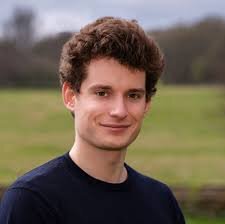
Marius Hobbhahn is the CEO of Apollo Research, where he also leads the monitoring team. Apollo is an AI safety research organization focused on scheming, evals and control/monitoring. He is a TIME100 in AI2025 recipient. Prior to starting Apollo, Marius did a PhD in Bayesian ML and worked on AI forecasting at Epoch.
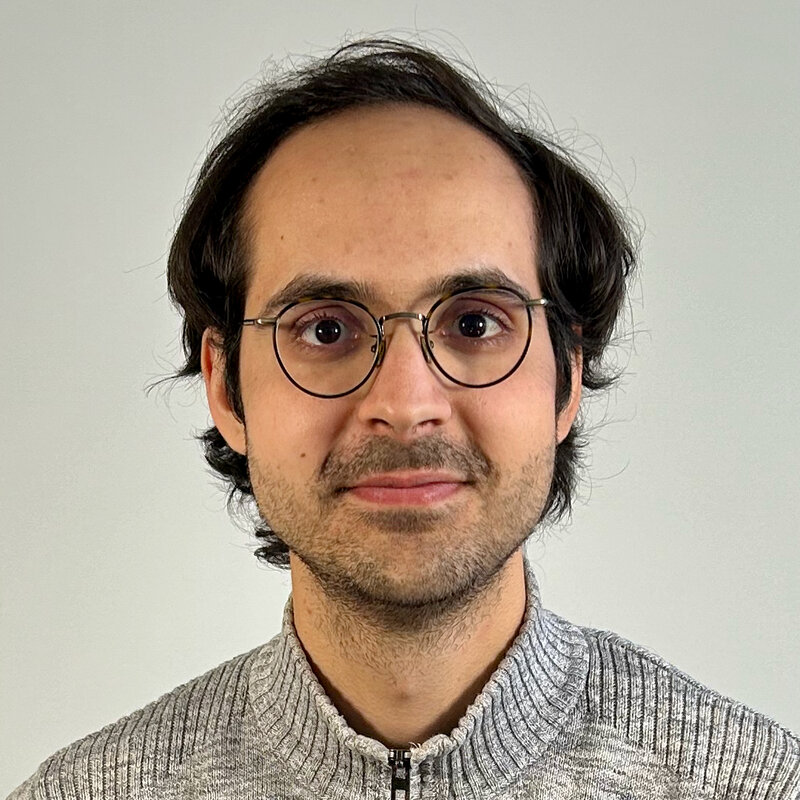
Fabien Roger is an AI safety researcher at Anthropic and previously worked at Redwood Research. Fabien’s research focuses on AI control and dealing with alignment faking.
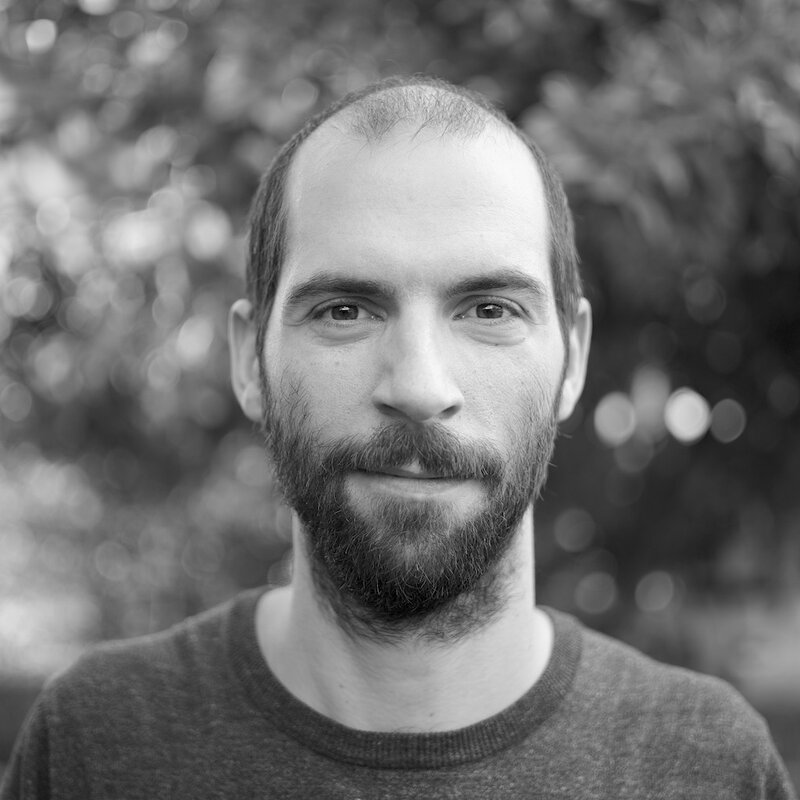
Nicholas is a research scientist at Anthropic (previously Google DeepMind) researching adversarial machine learning; he likes to break things.
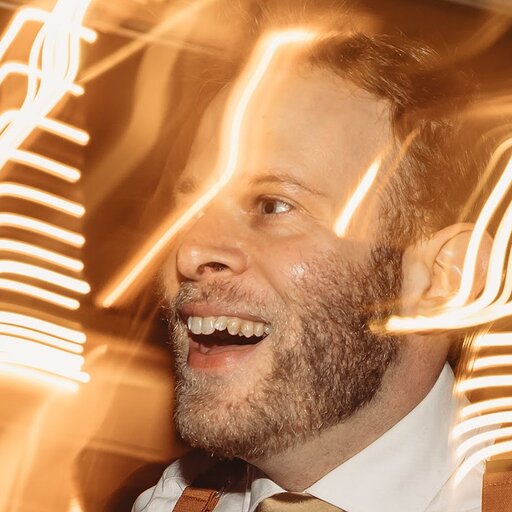
Sam Bowman leads a research group working on AI alignment and welfare at Anthropic, with a particular focus on evaluation. Sam is also on leave from NYU as an Associate Prof. of Computer Science and Data Science. He has been studying neural network language models since 2012.
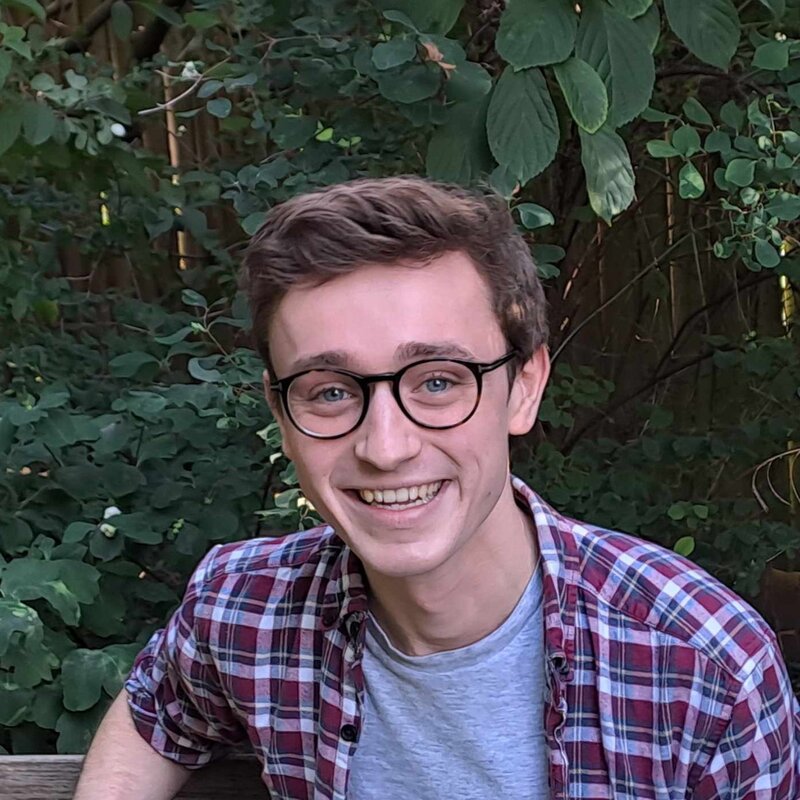
Joe is a member of the Alignment Science team at Anthropic. He's currently working on scalable oversight and also has interests in control, chain-of-thought monitoring, and alignment evaluations. For some examples of recent projects, including MATS collaborations, see: https://joejbenton.com/research/.
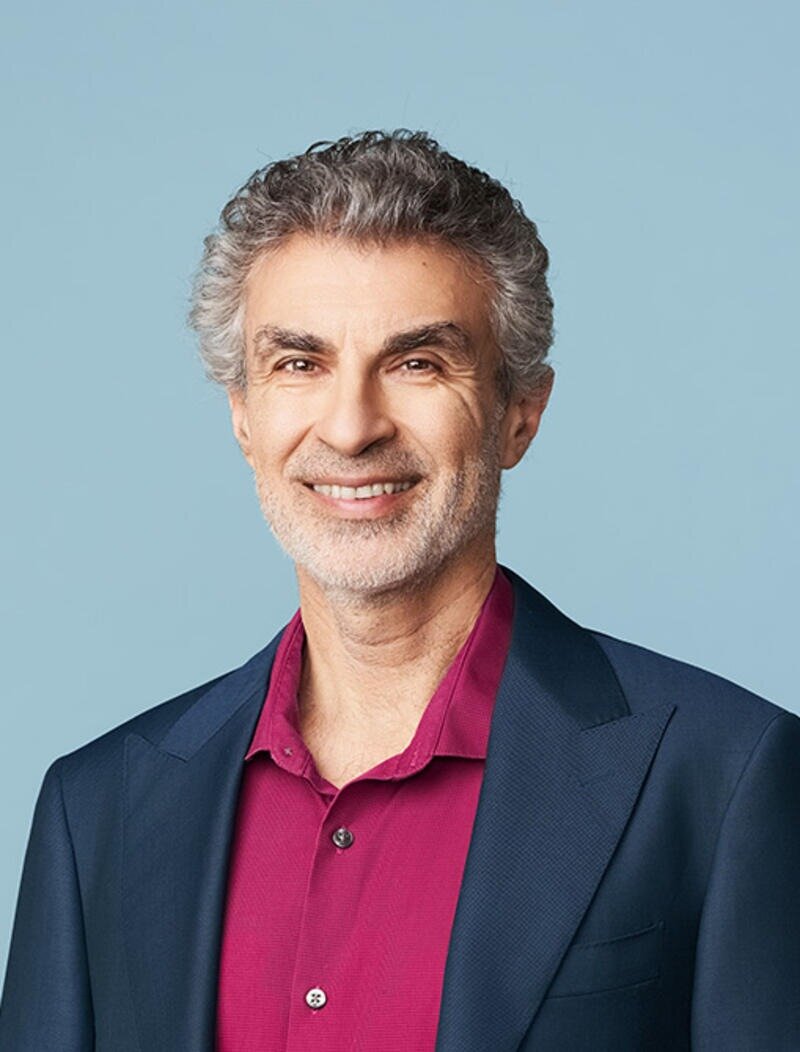
Yoshua Bengio is Full Professor of Computer Science at Université de Montreal, Co-President and Scientific Director of LawZero, as well as the Founder and Scientific Advisor of Mila. He also holds a Canada CIFAR AI Chair. Considered one of the world’s leaders in Artificial Intelligence and Deep Learning, he is the recipient of the 2018 A.M. Turing Award, considered to be the "Nobel Prize of computing." He is the most cited computer scientist worldwide, and the most-cited living scientist across all fields (by total citations).
Professor Bengio is a Fellow of both the Royal Society of London and Canada, an Officer of the Order of Canada, a Knight of the Legion of Honor of France, a member of the UN’s Scientific Advisory Board for Independent Advice on Breakthroughs in Science and Technology, and chairs the International AI Safety Report.

Alex is currently working on training invariants into model behavior. In the past, he formulated and proved the power-seeking theorems, co-formulated the shard theory of human value formation, and proposed the Attainable Utility Preservation approach to penalizing negative side effects.
Highlighted outputs from past streams:
- MATS 3.0: Mechanistic interpretability to understand and control maze-solving agents — introduced the now-staple technique of “steering vectors”
- MATS 3.1 extension: Steering GPT-2-XL by adding an activation vector
- MATS 4.0: Steering Llama-2 with contrastive activation additions
- MATS 5.0: Unsupervised discovery of model behaviors using steering vectors
- MATS 6.0: Gradient routing
- MATS 7.0: Unlearn and distill, for making robust unlearning a reality
- MATS 8.0: Output supervision can obfuscate the CoT
- MATS 9.0: Eval cooperativeness may be a scalable mitigation for eval gaming