MATS mentors are advancing the frontiers of AI alignment, transparency, and security
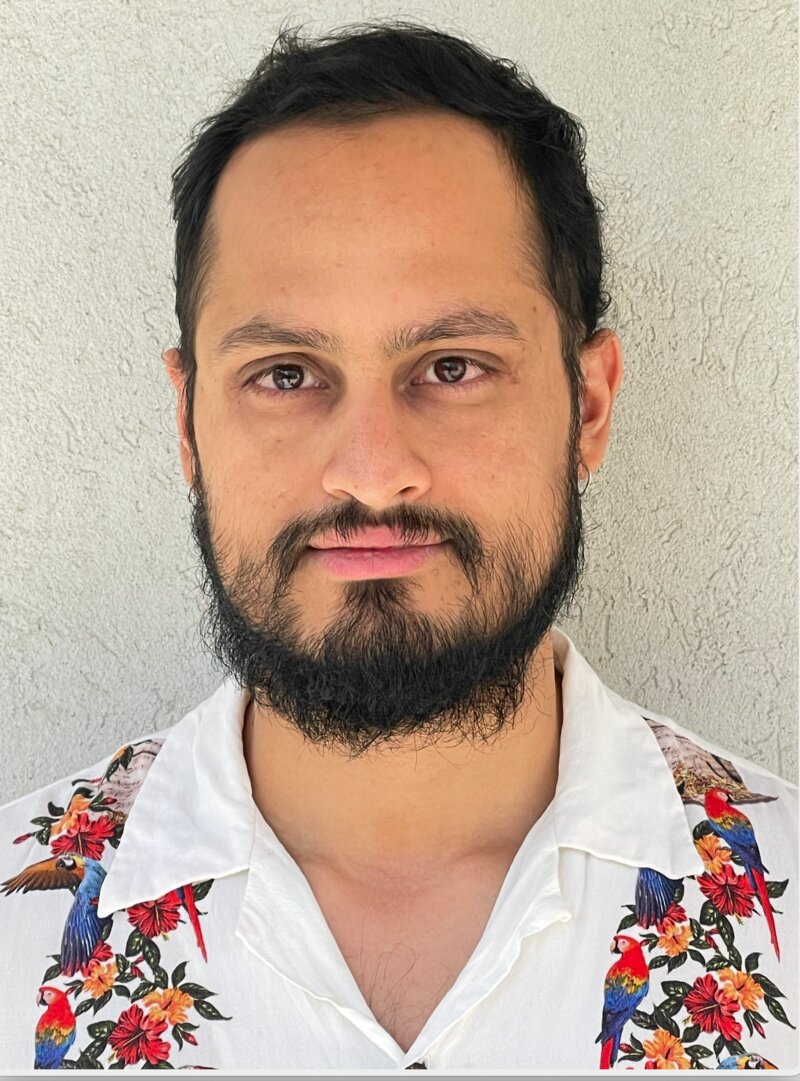
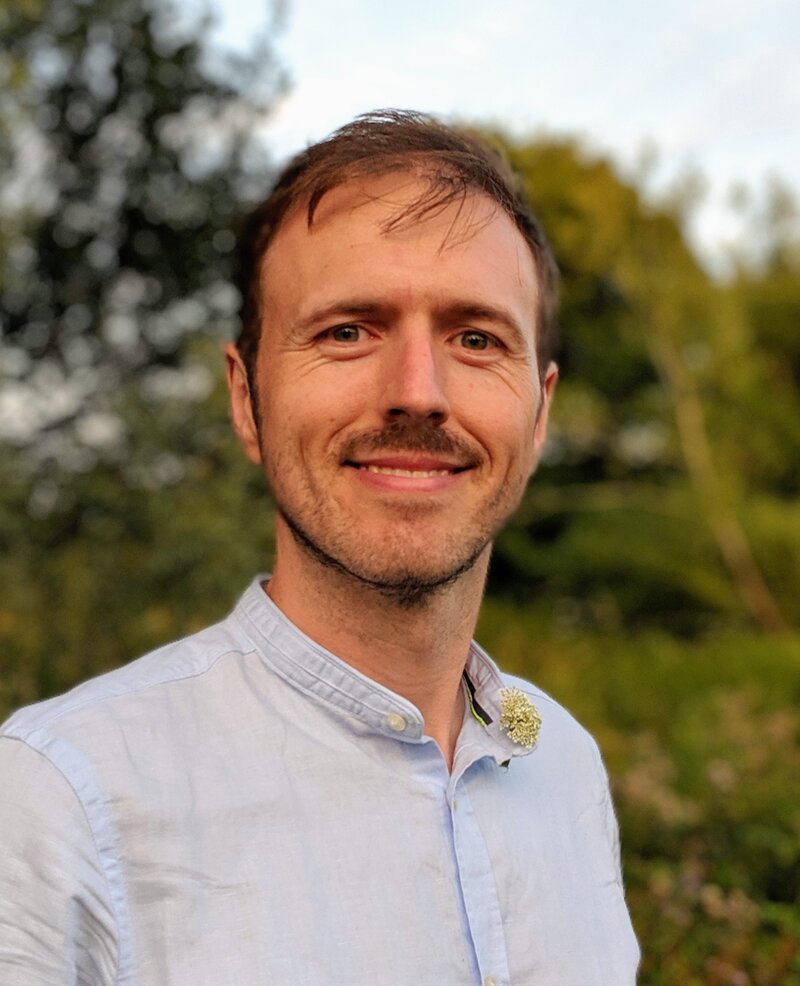
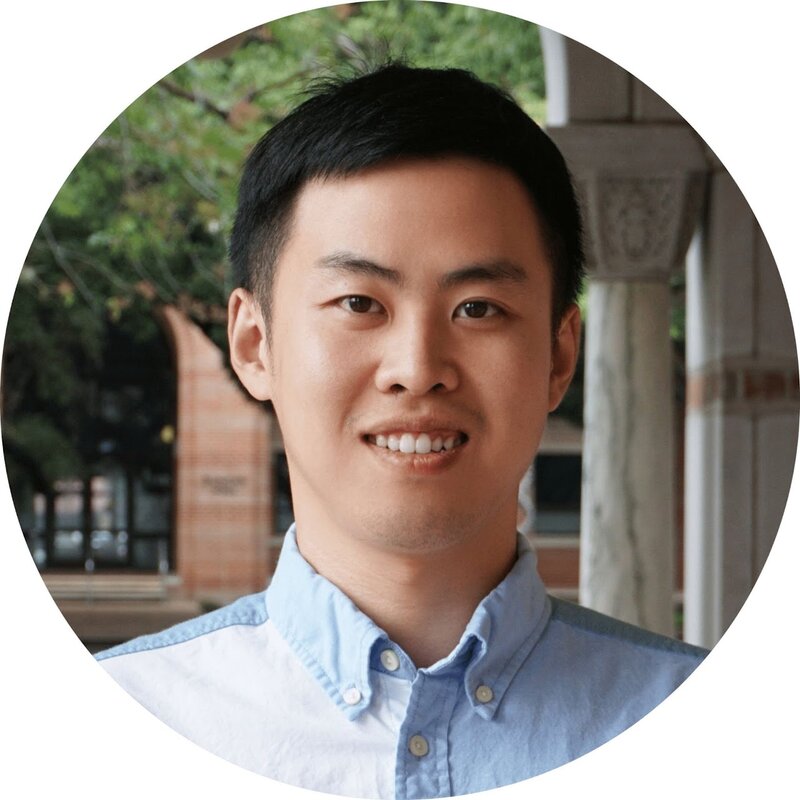
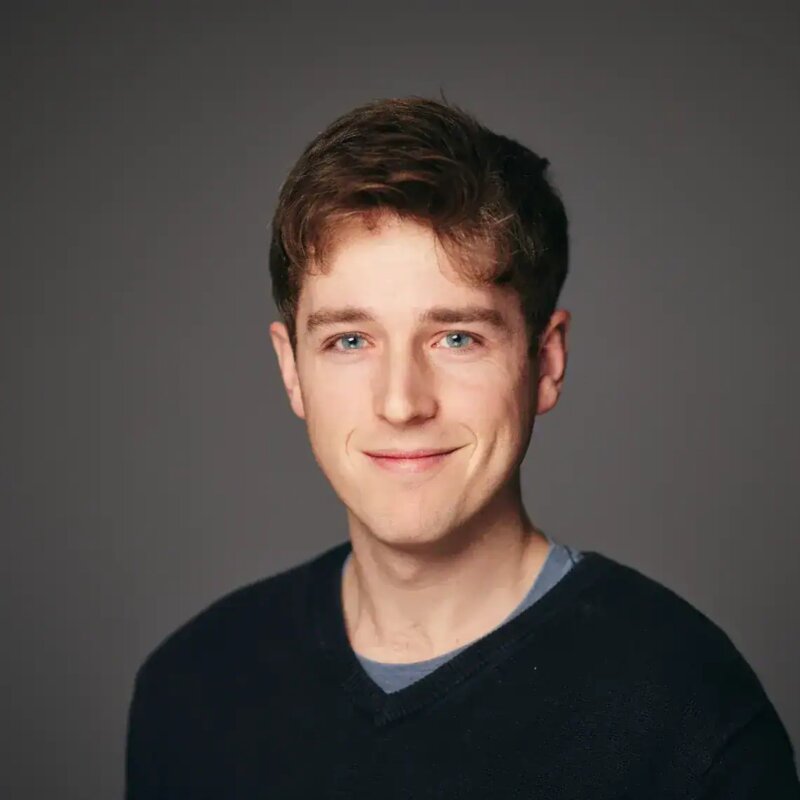
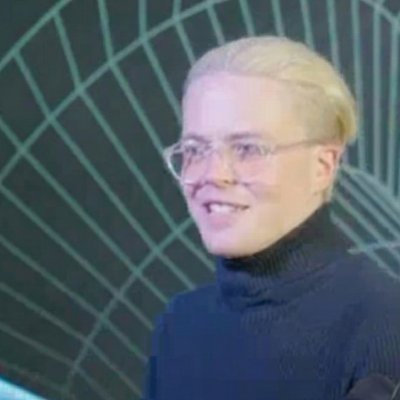
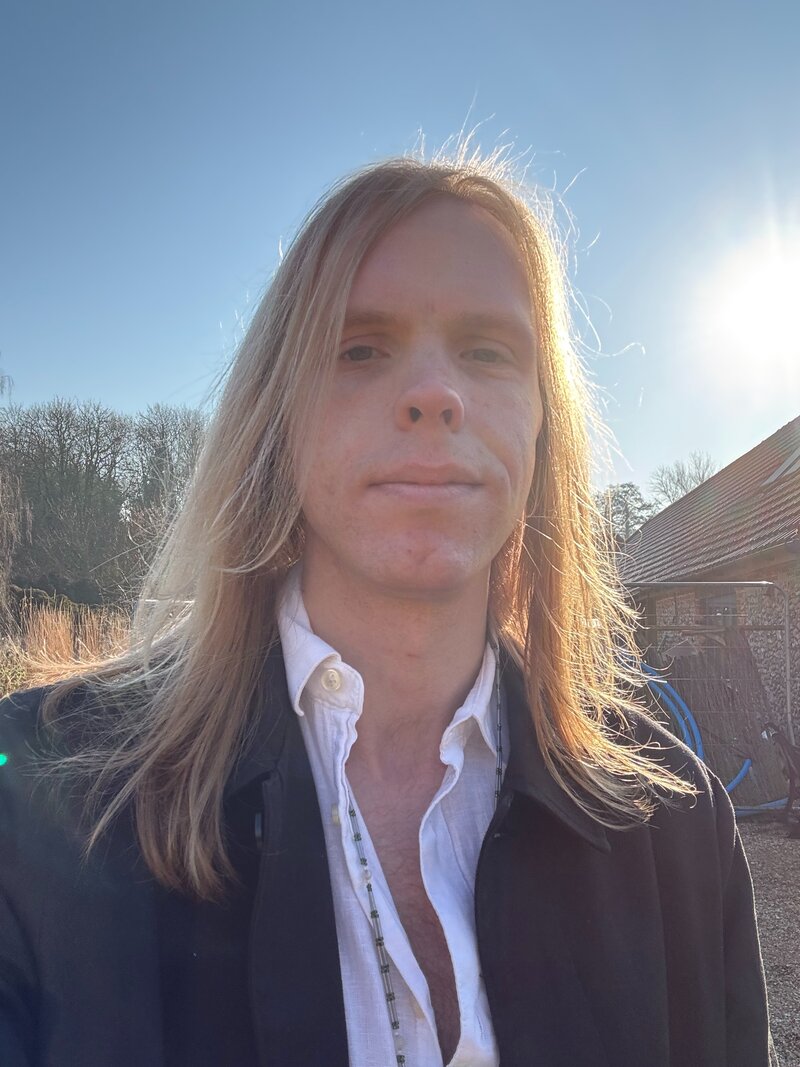
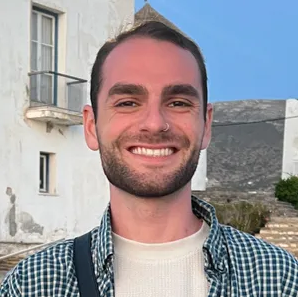
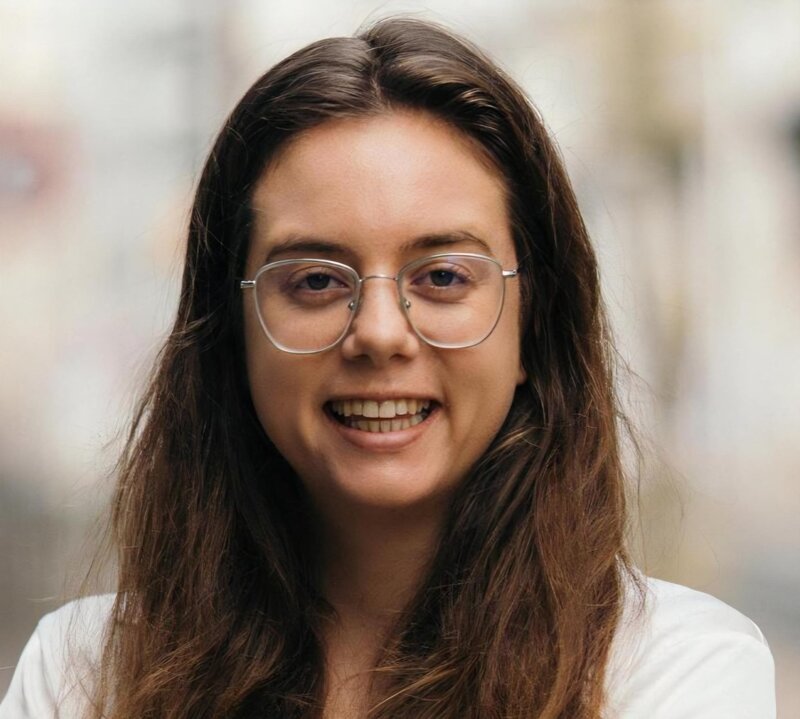
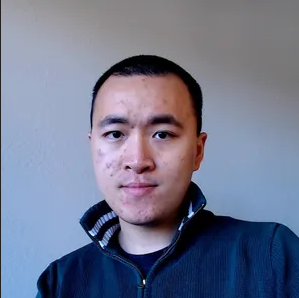
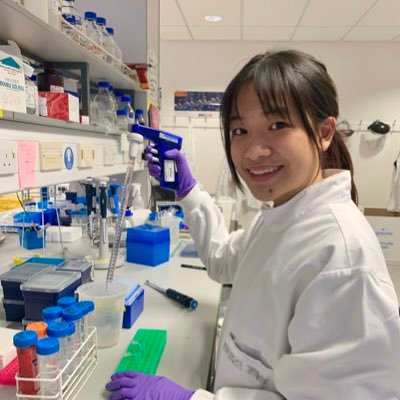

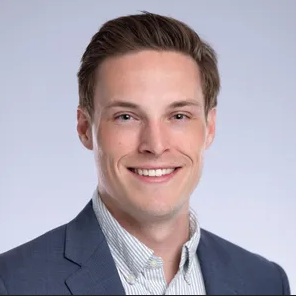
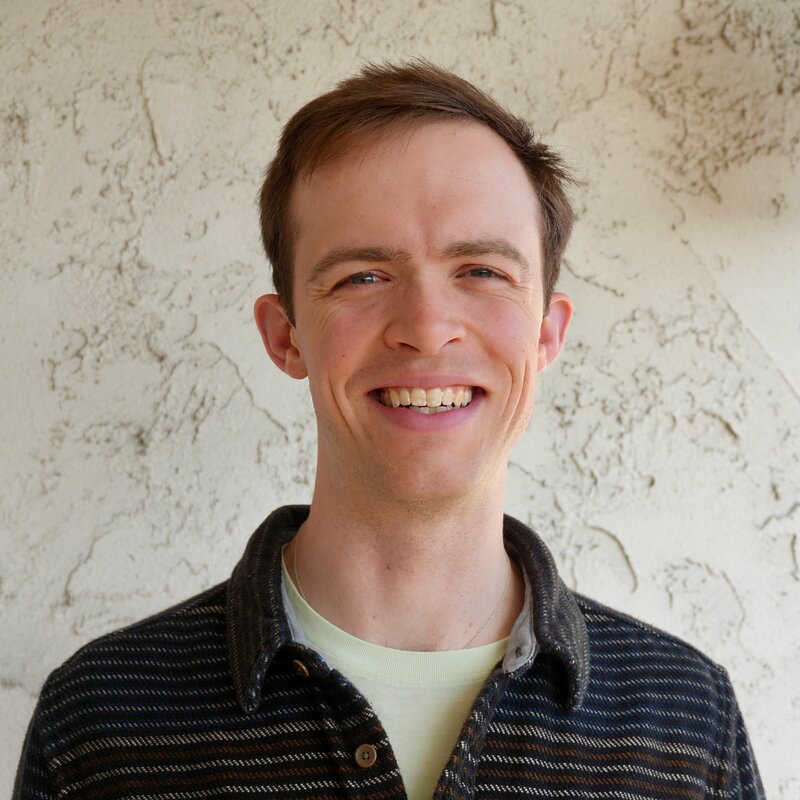
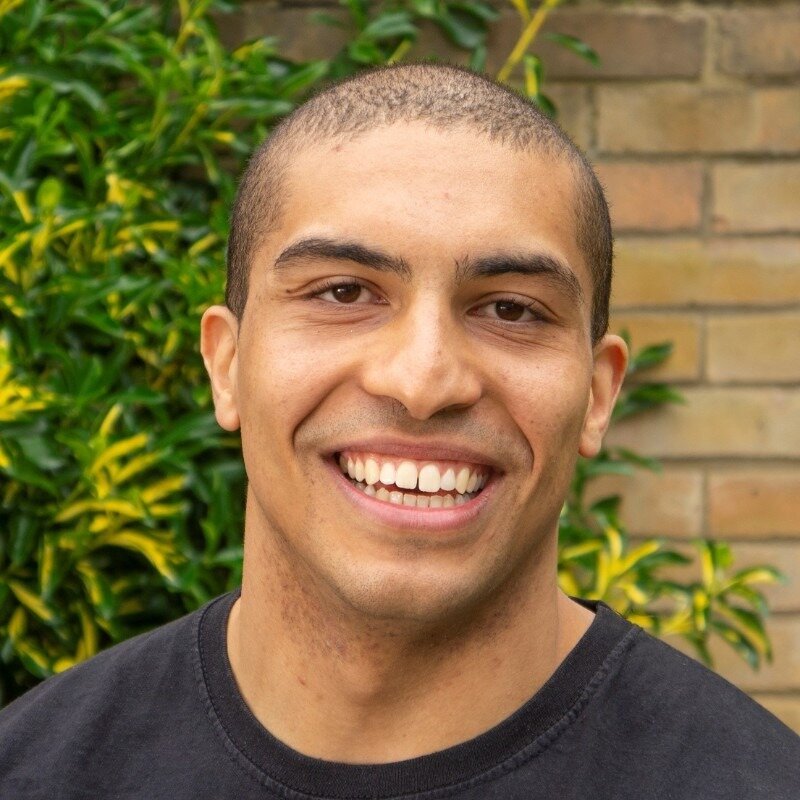
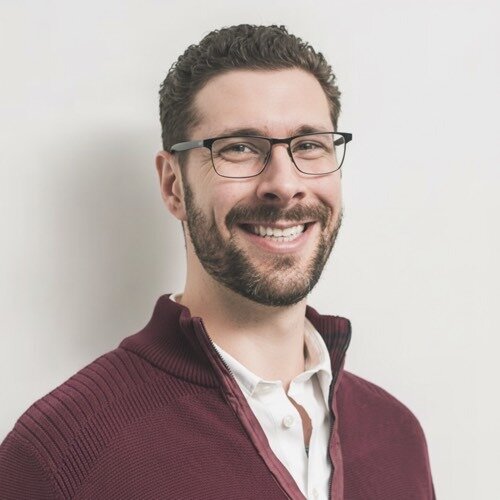
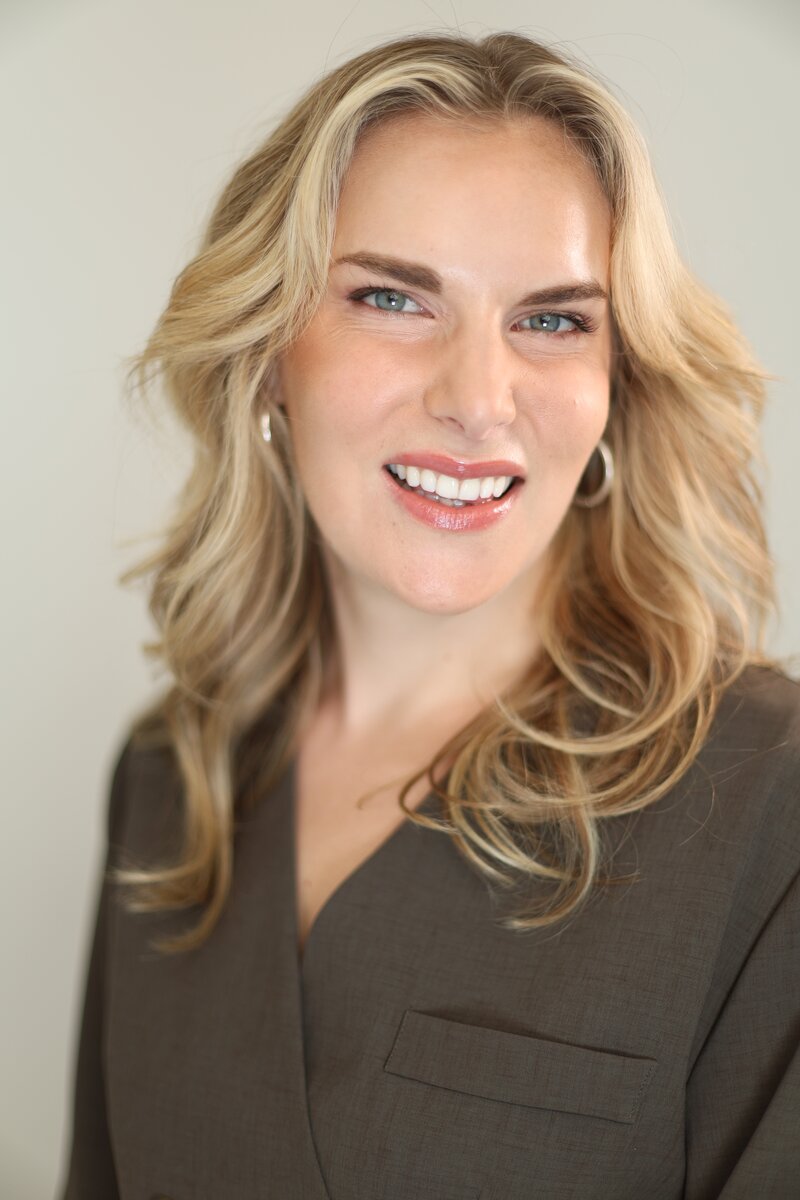
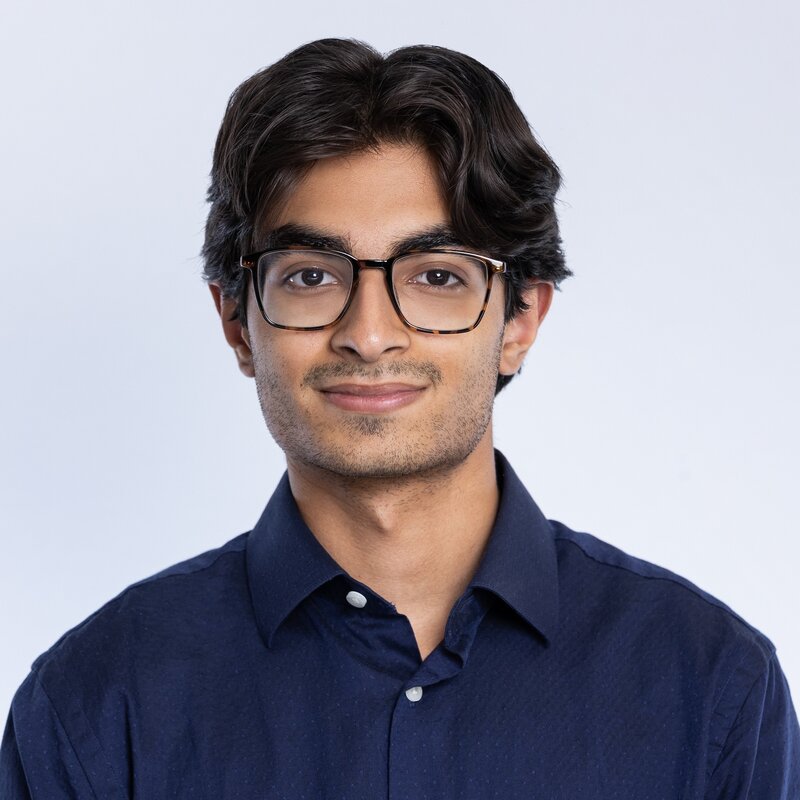
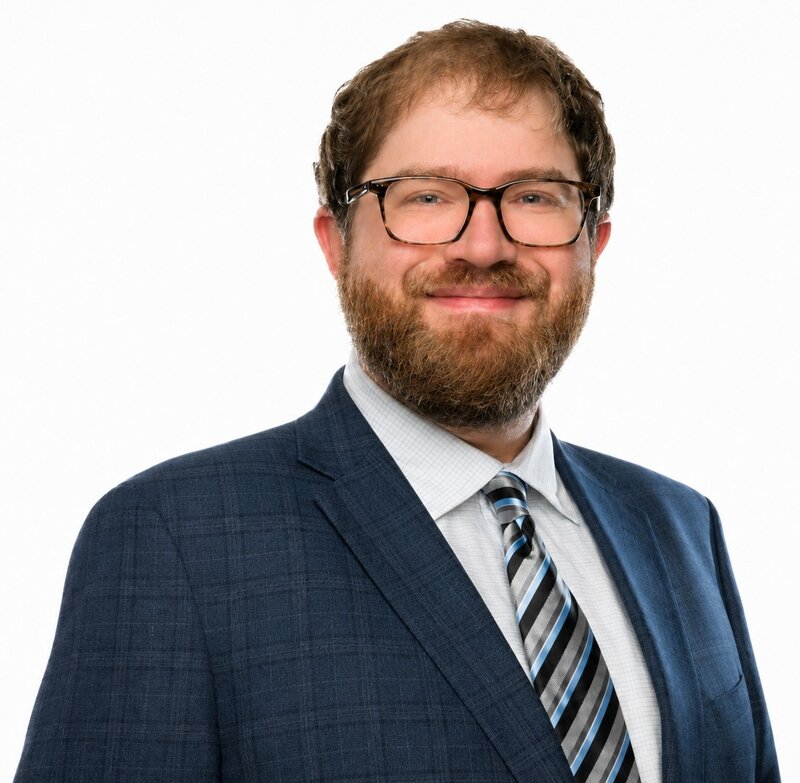
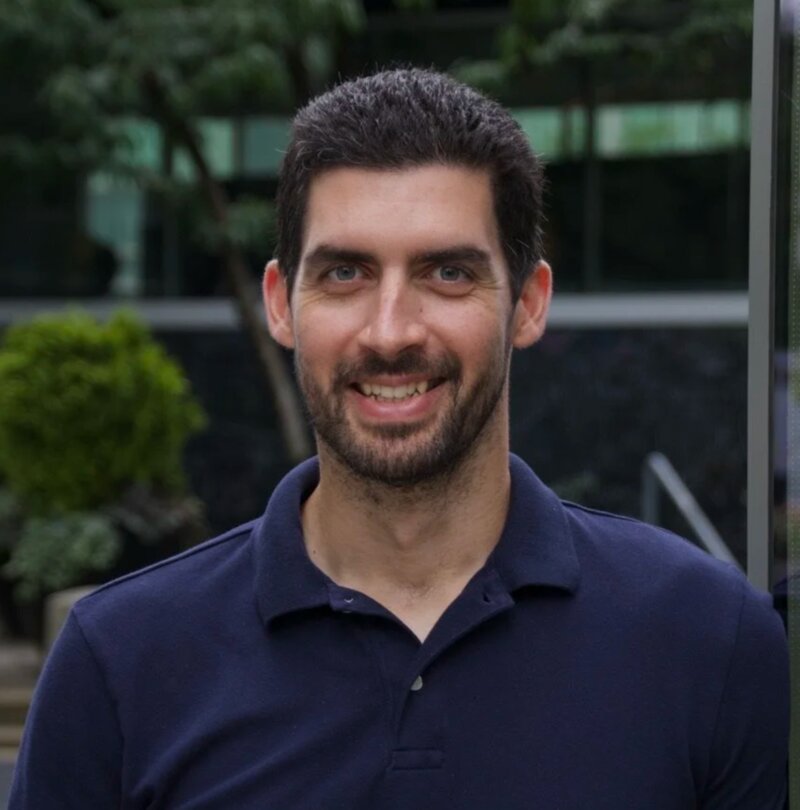
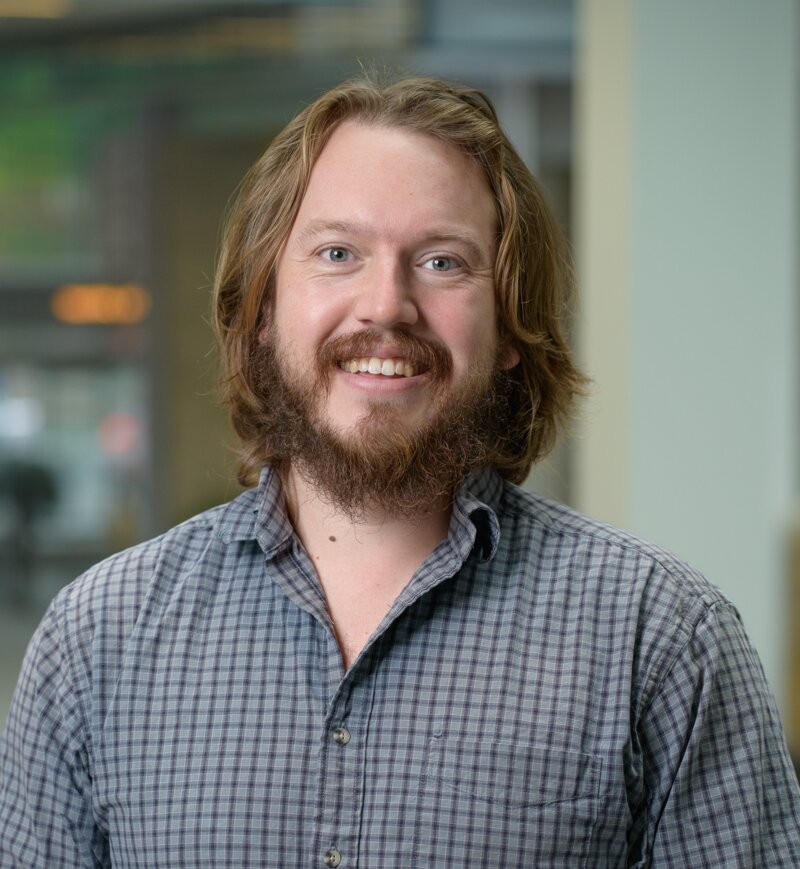
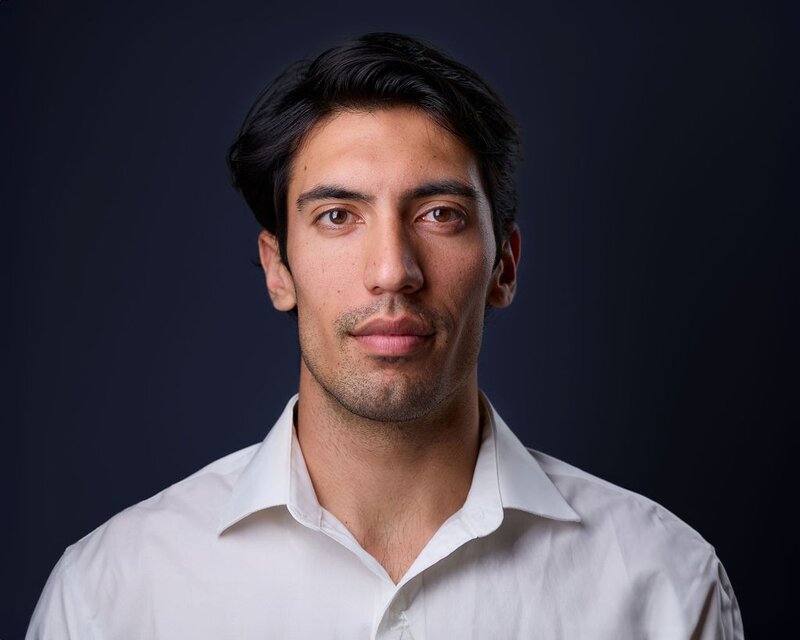
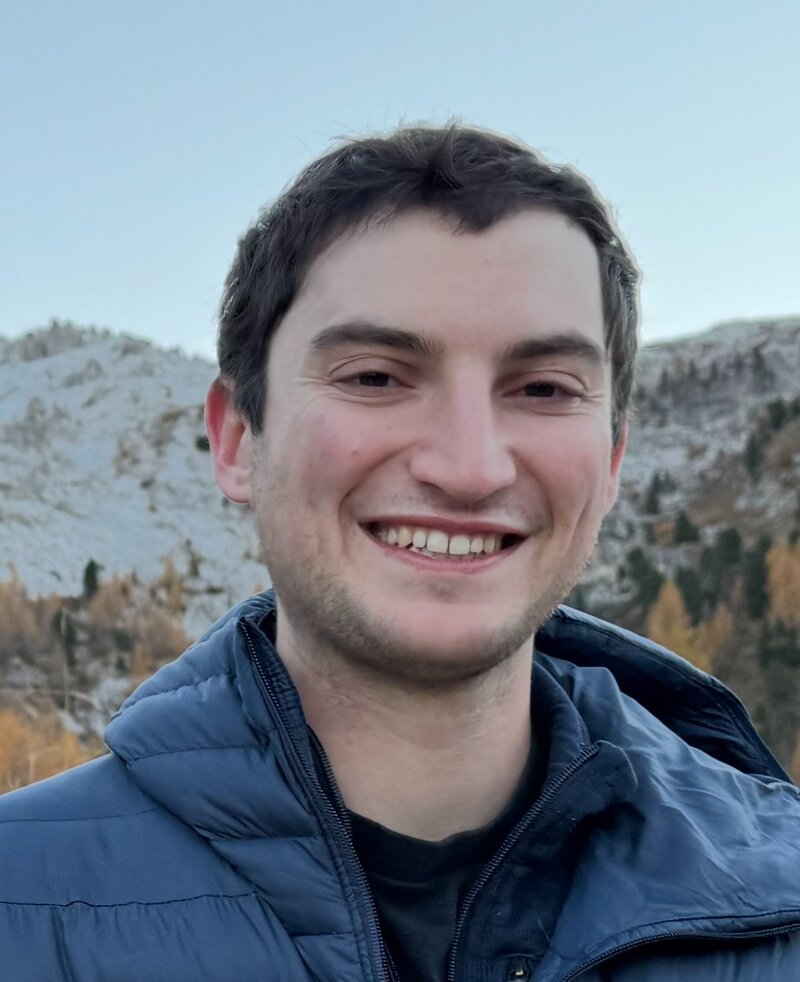
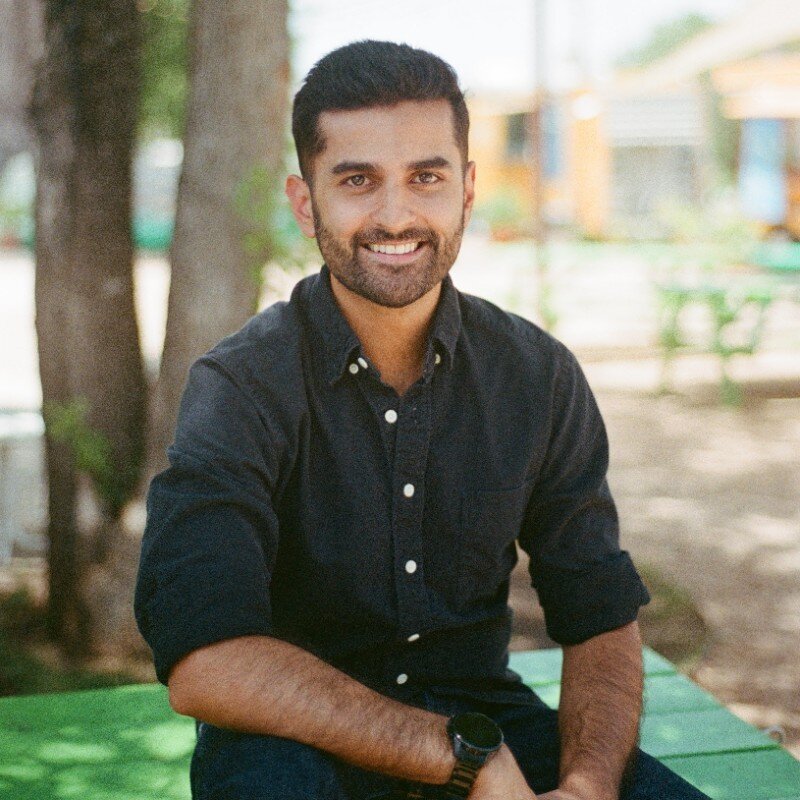
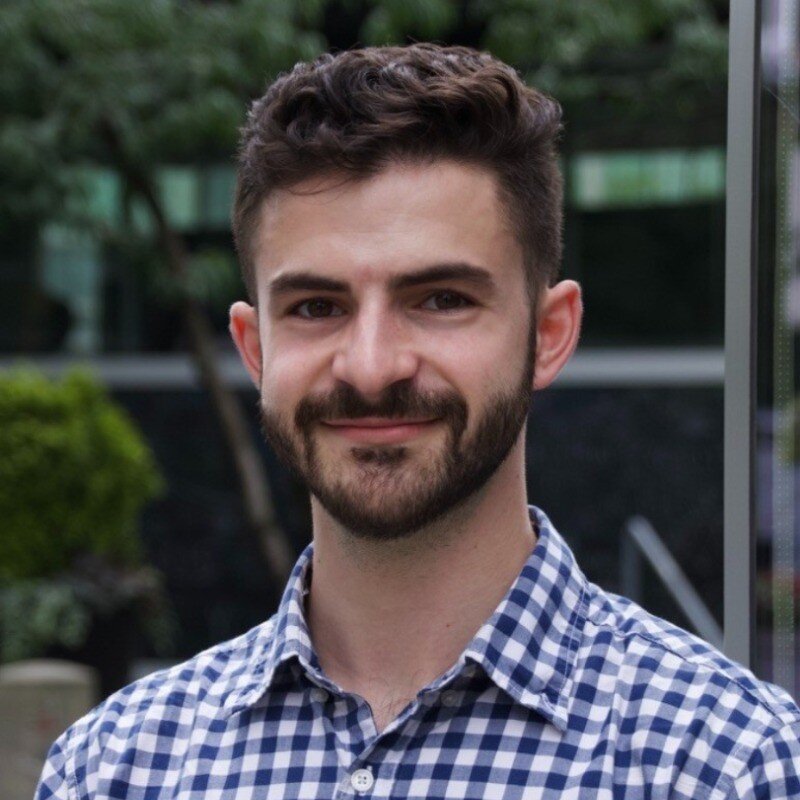
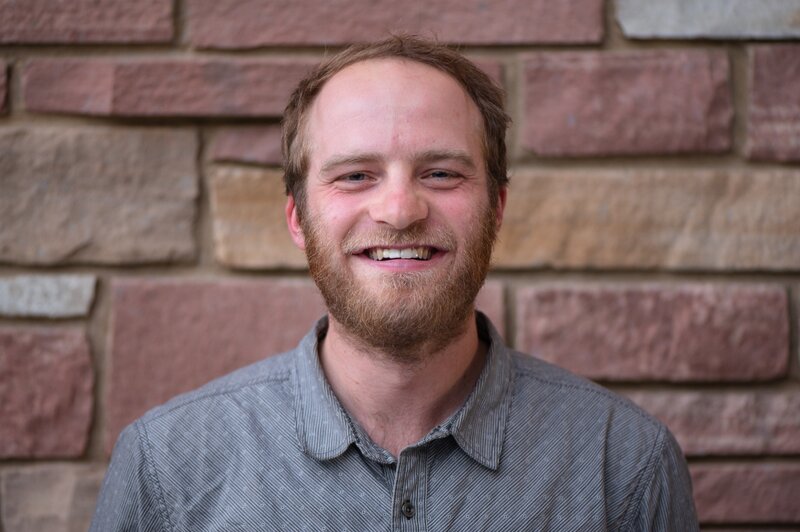
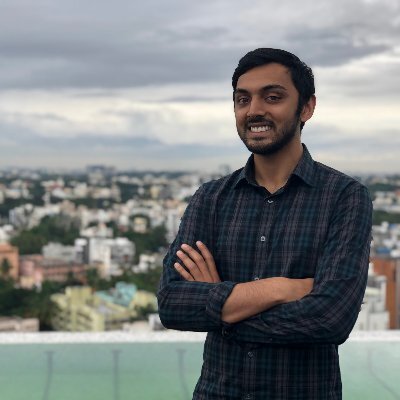
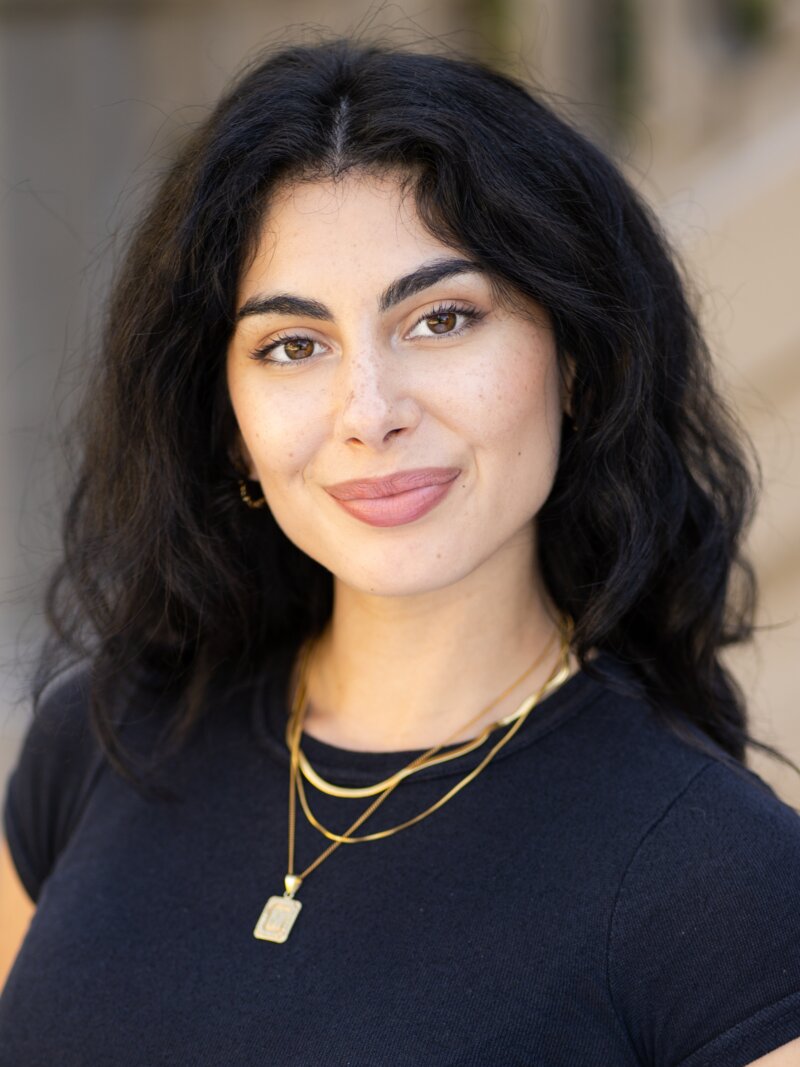
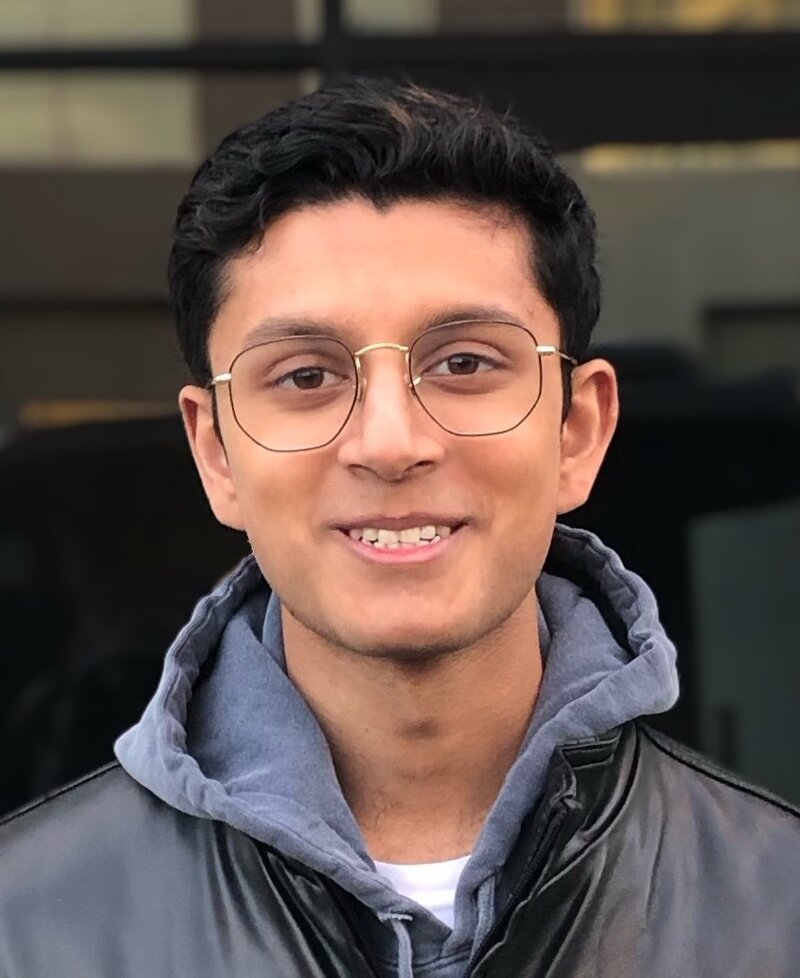
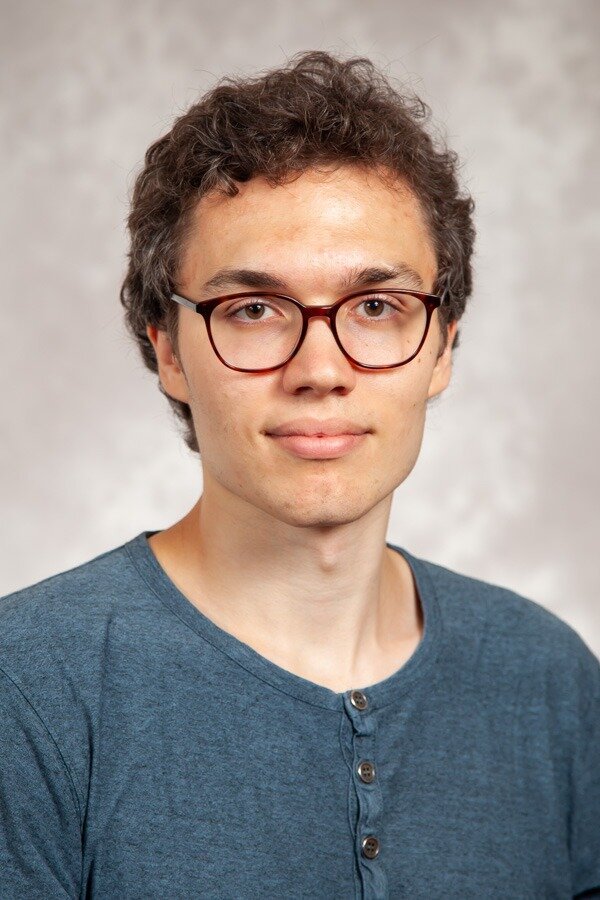
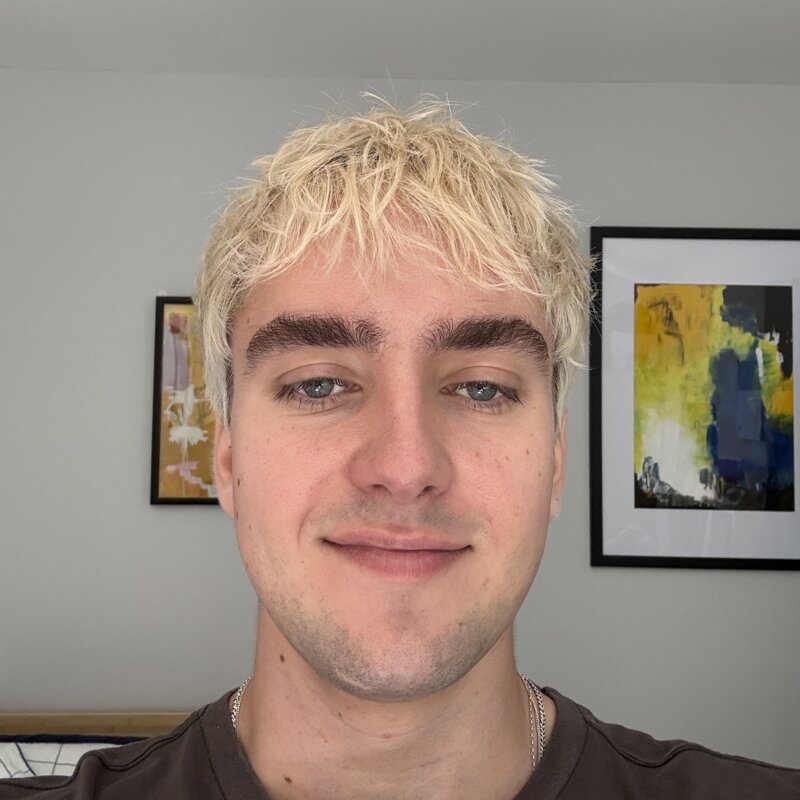
Lucius Bushnaq is a Research Scientist at Goodfire.
He works on parameter decomposition methods for interpretability, such as Attribution-based Parameter Decomposition, Stochastic Parameter Decomposition, and adVersarial Parameter Decomposition. Alongside this, he works on learning theory and the theory behind interpretability, for example theoretical frameworks for computation in superposition and connections between singular learning theory and algorithmic information theory.
Previously, Lucius was a member of the interpretability team at Apollo Research, where he worked on the Local Interaction Basis and degeneracy in the loss landscape. He holds a PhD in physics.
Esben founded Apart Research, an AI safety research organization where he now serves as board chair, and Seldon Labs, an accelerator for AI safety startups. He co-founded ENAIS, the European Network for AI Safety, and built DarkBench, a benchmark for manipulative behaviors in language models. A serial entrepreneur trained in cognitive science, his work spans evals, interpretability, and turning research into assurance.
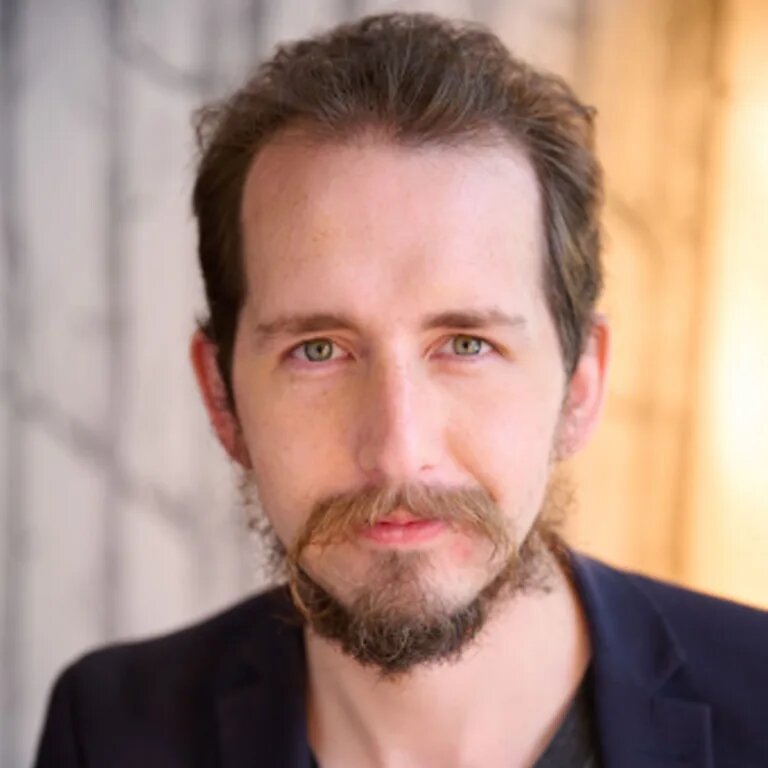
Oliver Habryka is the chief executive officer of Lightcone Infrastructure, the nonprofit behind the LessWrong forum and the Lighthaven venue. Habryka also leads Lightcone Commons, the organization's platform for funding ambitious philanthropic projects.
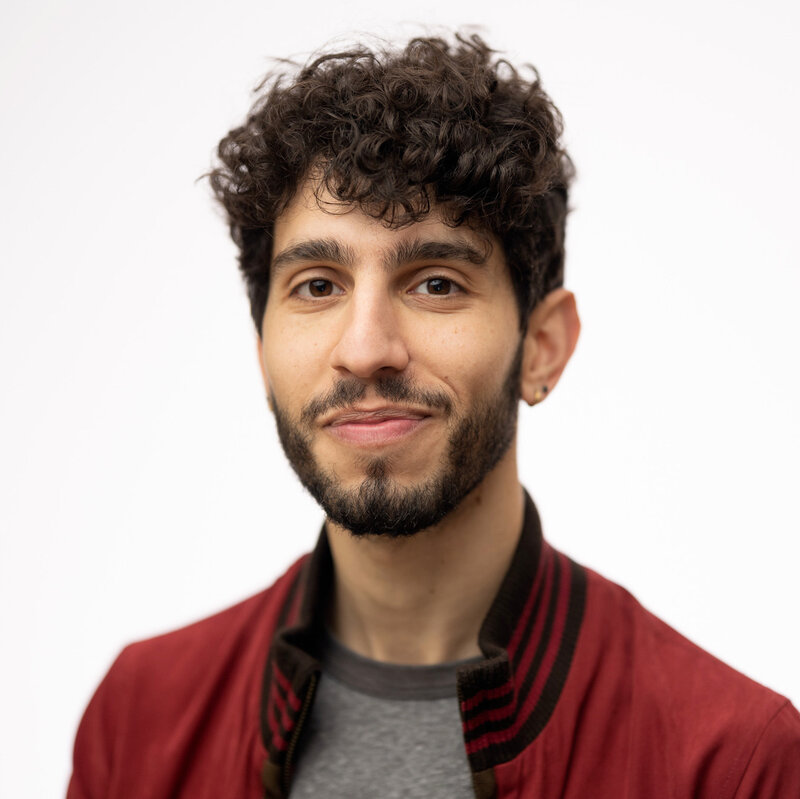
Orr Paradise is a scientist at EPFL, appointed in its Theory of Machine Learning Laboratory and its Verification and Computer Architecture Lab. Paradise is also a researcher on Project CETI's theoretical analysis team, working on the machine analysis of sperm whale communication.
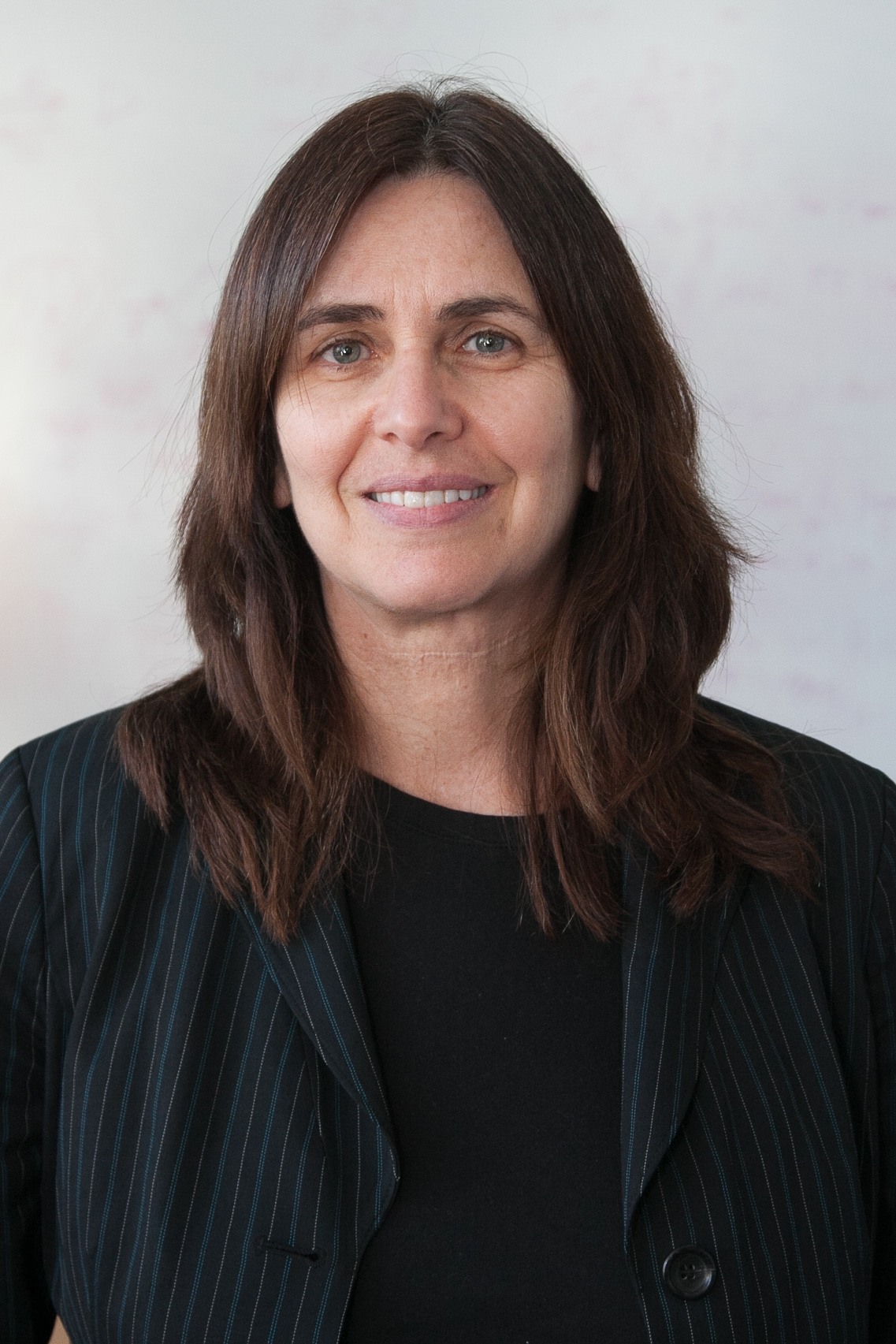
Shafi Goldwasser is the C. Lester Hogan Professor in Electrical Engineering and Computer Sciences at the University of California, Berkeley, the RSA Professor of Electrical Engineering and Computer Science at MIT, and directs the Simons Institute's resilience research pod. Goldwasser is a cryptographer, and a co-founder and chief scientist of Duality Technologies.
James is Compute Security and Governance Lead at the Future of Life Institute and a Research Affiliate with the Oxford Martin AI Governance Initiative. His current research focuses on verifying how AI compute is used: designing verification protocols, prototyping zero-knowledge proofs of inference, and prototyping network certifier hardware. Previously, he completed a PhD in Applied Mathematics based on his work during the COVID-19 pandemic building the first decentralized digital contact tracing system. He also has a Master's Degree in Computational Mathematics, a Bachelor's Degree in Engineering Physics, and worked as a Firmware Engineer at Intel.
Abhishek Mishra is Head of AI Safety at Lila Sciences. Mishra's research covers dangerous capability evaluations for novel scientific risks across biology, chemistry and materials science, and scalable oversight of models operating automated scientific labs.
Andrew Saxe is Professor of Theoretical Neuroscience and Machine Learning at University College London, and a joint group leader at the Gatsby Computational Neuroscience Unit and the Sainsbury Wellcome Centre. Saxe runs the Theory of Learning Lab, which works on the theory of learning in brains and deep networks.
Nischal is a research scientist at Principia interested in theoretical understanding of AI systems and using that understanding for interpretability, i.e., theory-first interpretability. He is currently interested in solvable models of learning dynamics and their applications, and mean-field theories of learning and representation formation, and would be interested in either pushing the theory frontier and developing basic understanding of safety-relevant phenomena (e.g., silent alignment, representation structure in mean-field networks, solvable models of superposition, etc.) or applying various ideas coming from theory for practical purposes (early detection of sudden changes in NNs during learning, new weight space/representation space interpretability tools, etc.).
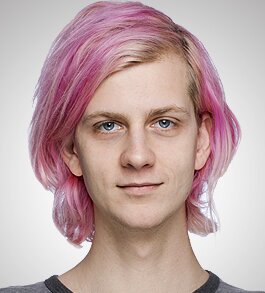
Buck is the CEO of Redwood Research.