MATS mentors are advancing the frontiers of AI alignment, transparency, and security
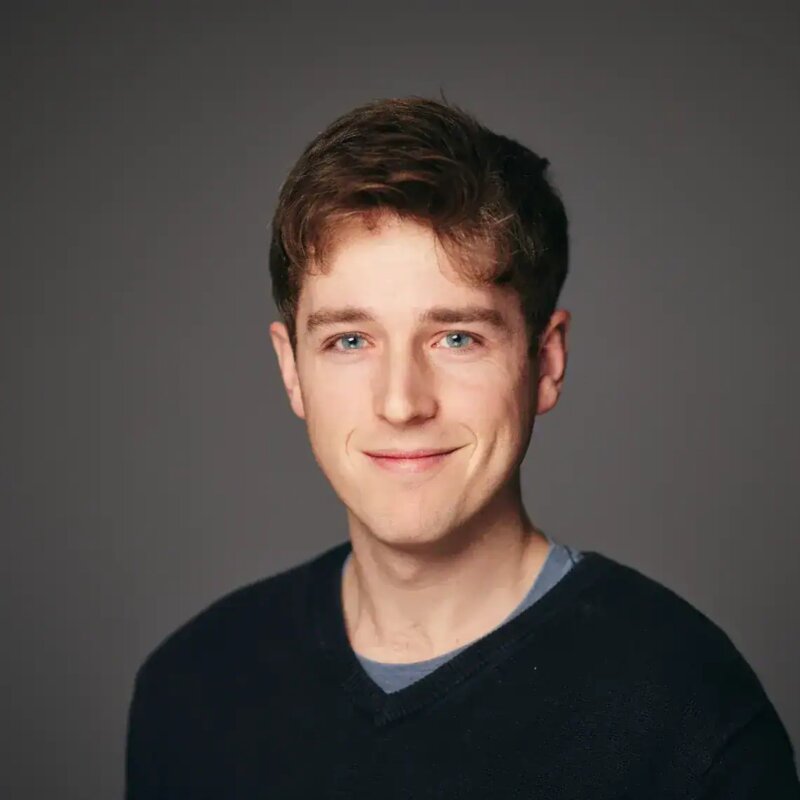
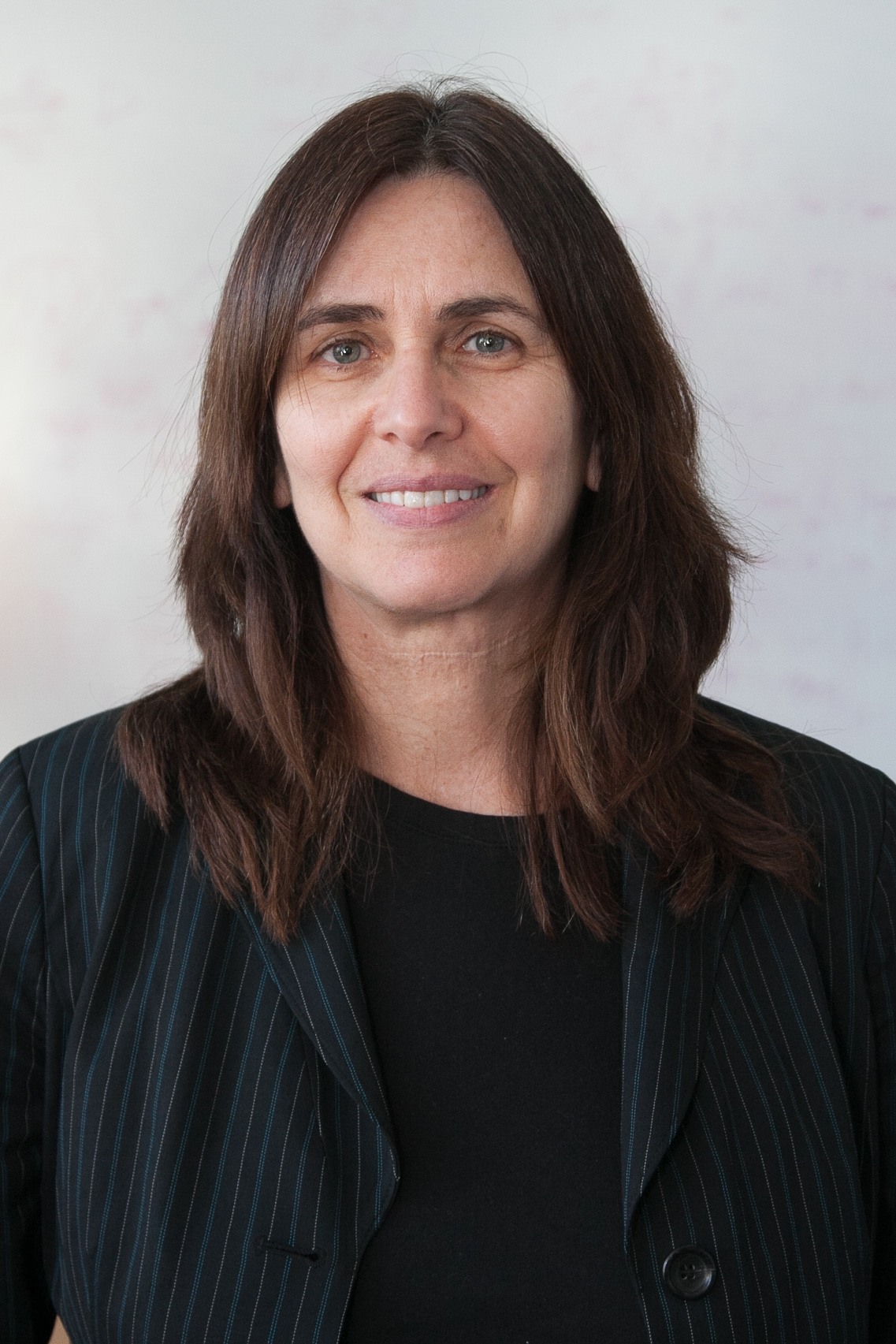
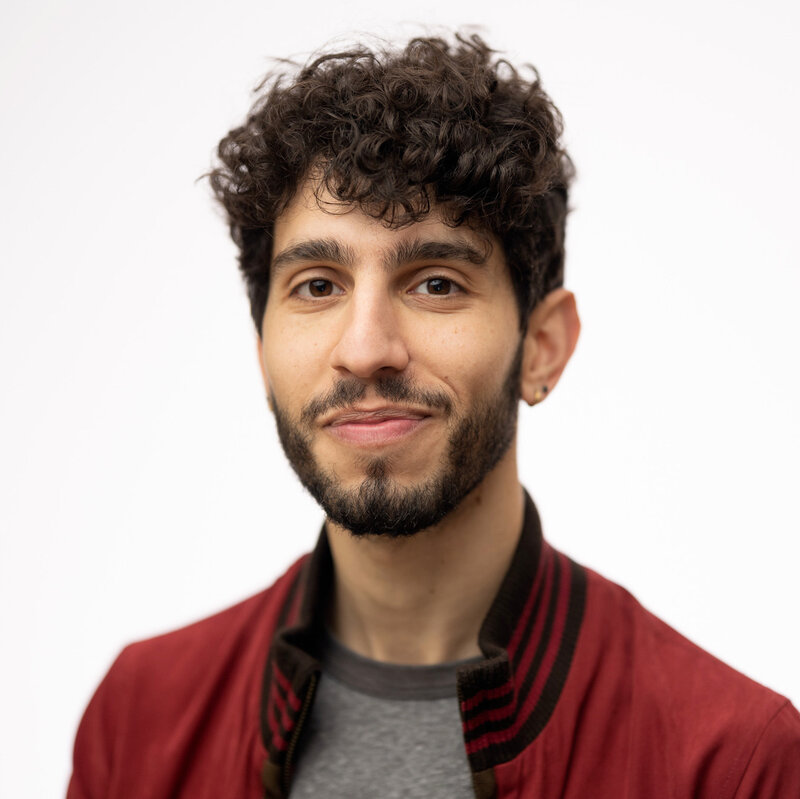
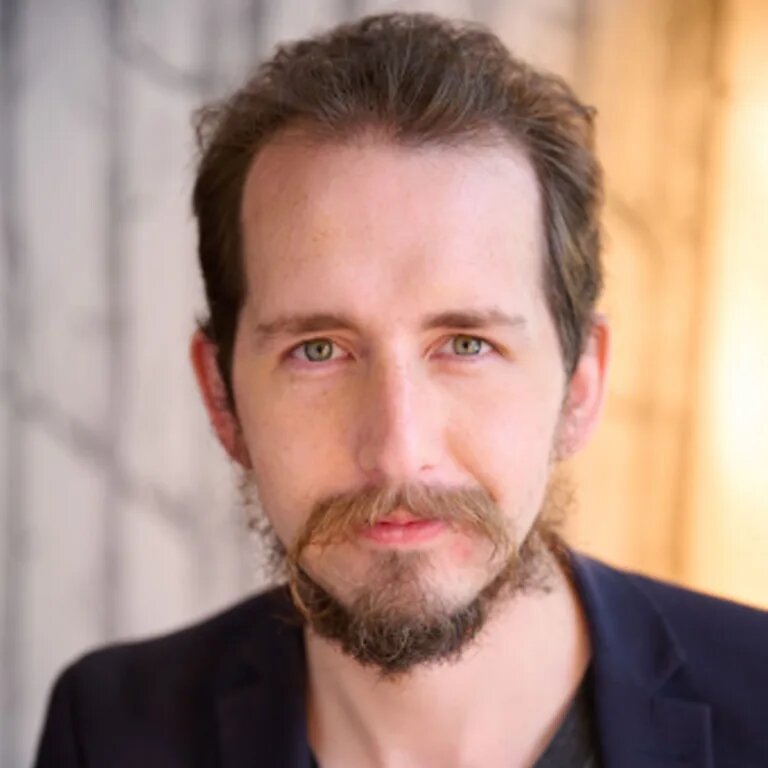

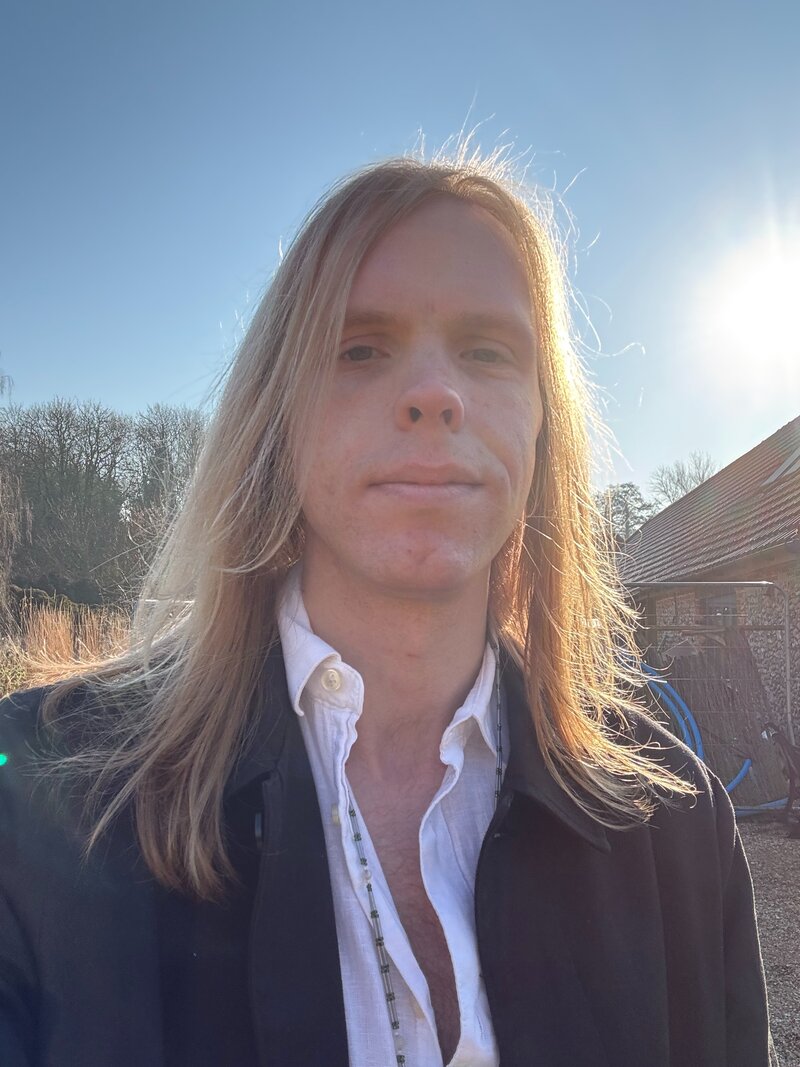
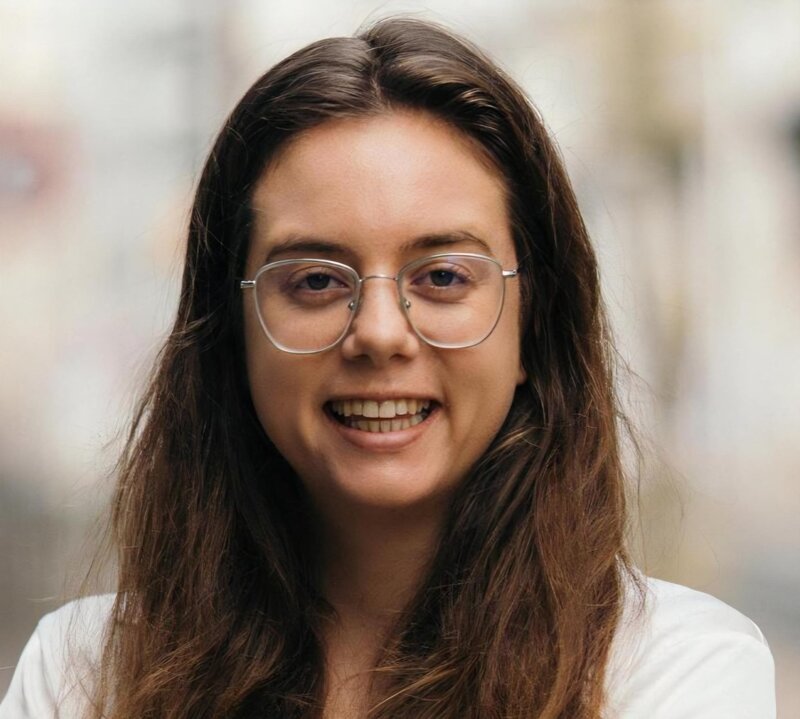
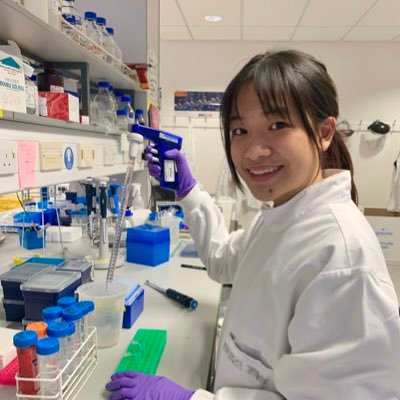

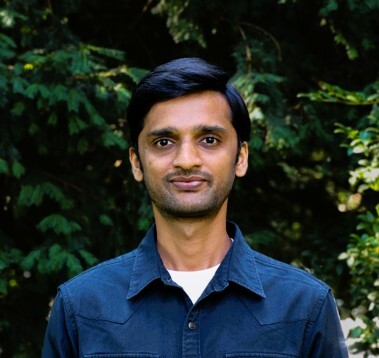
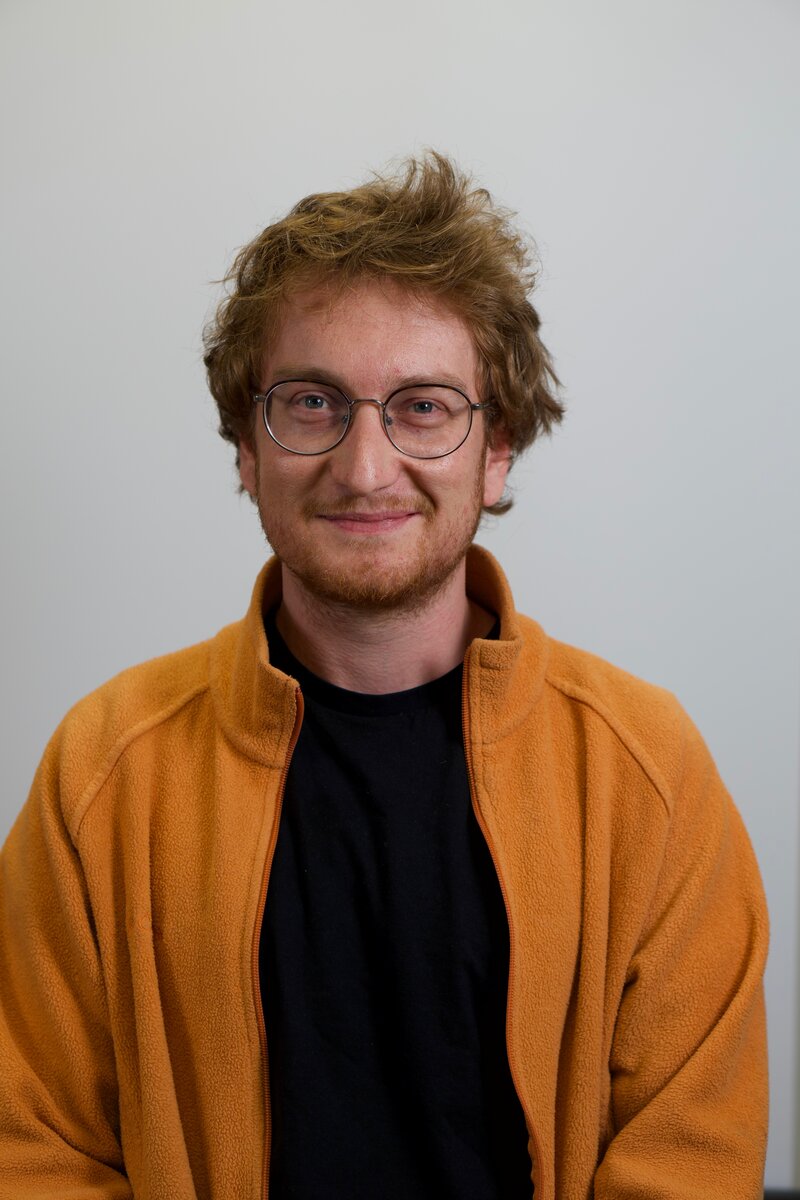
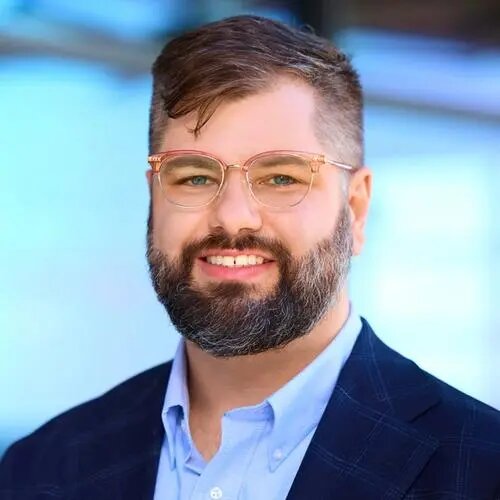
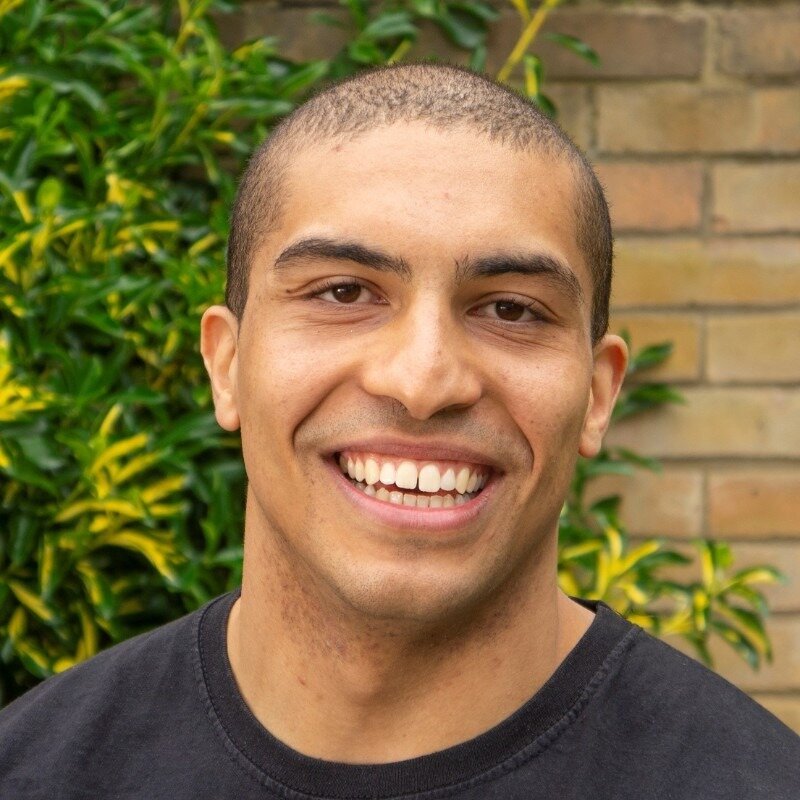
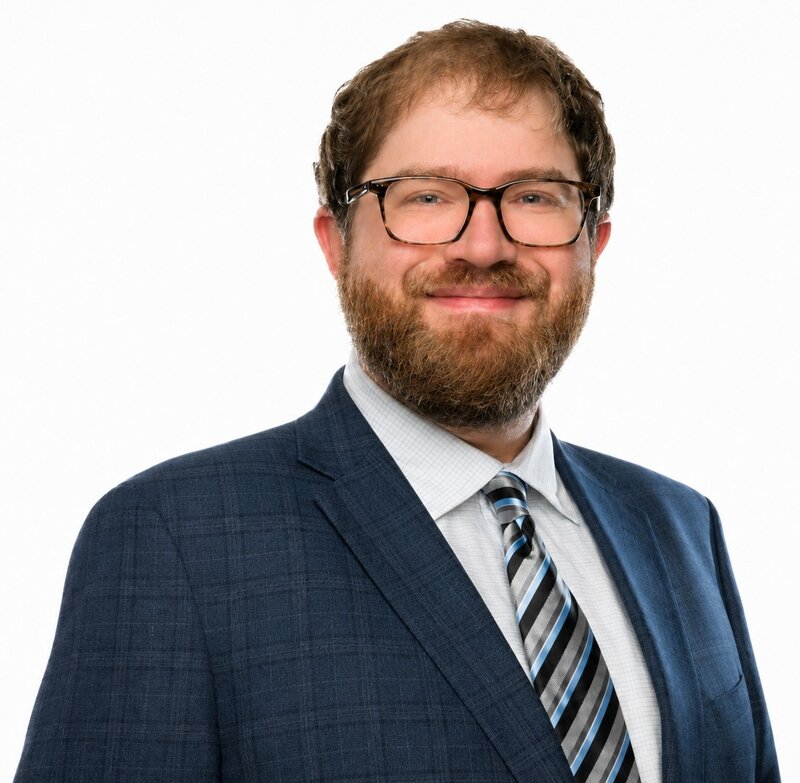
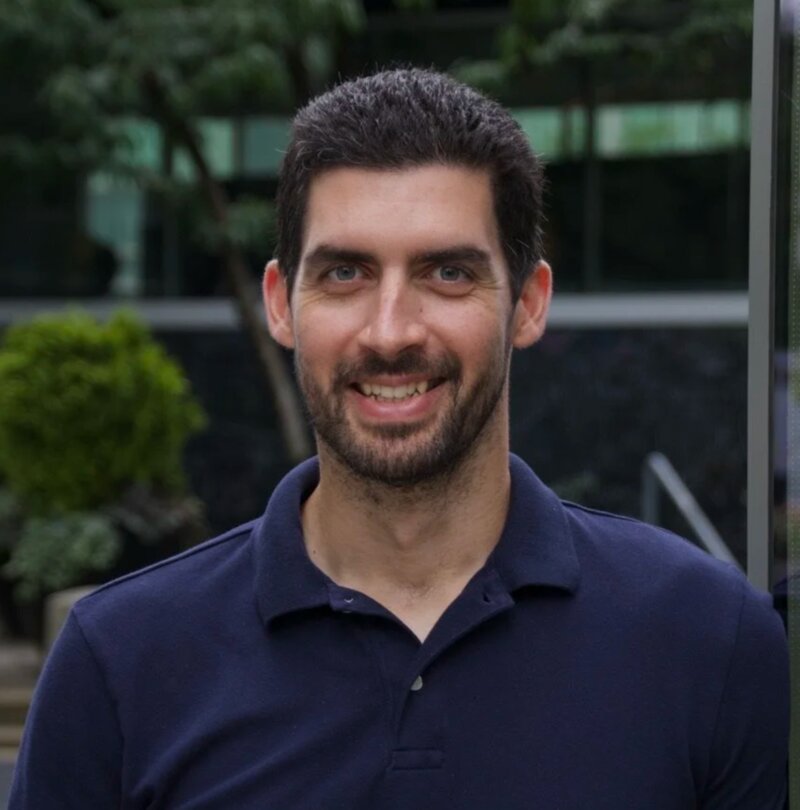
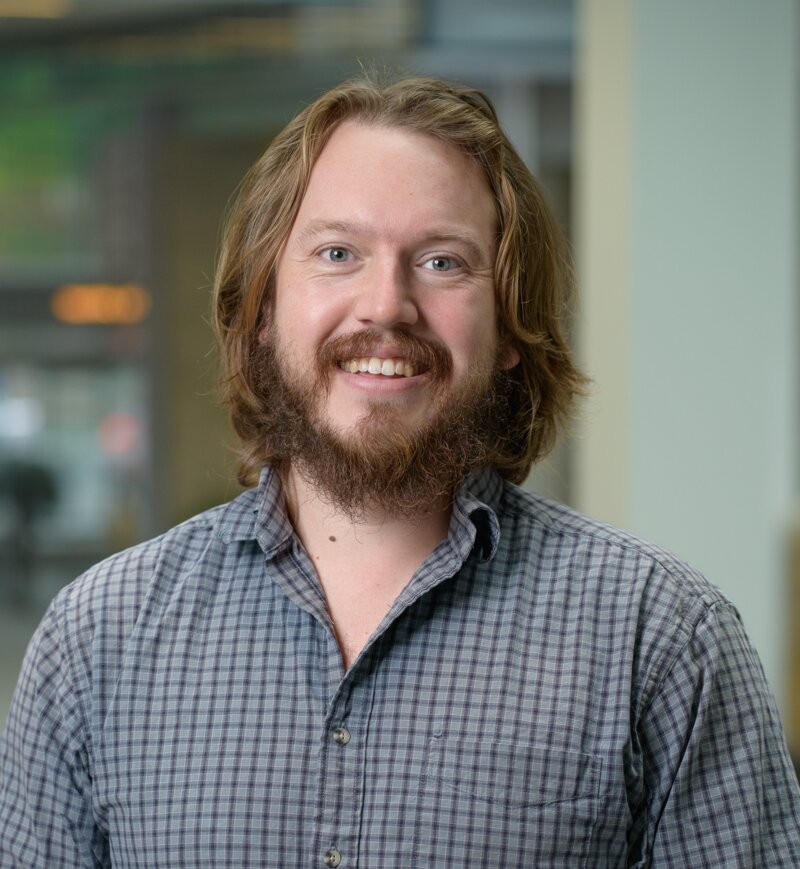
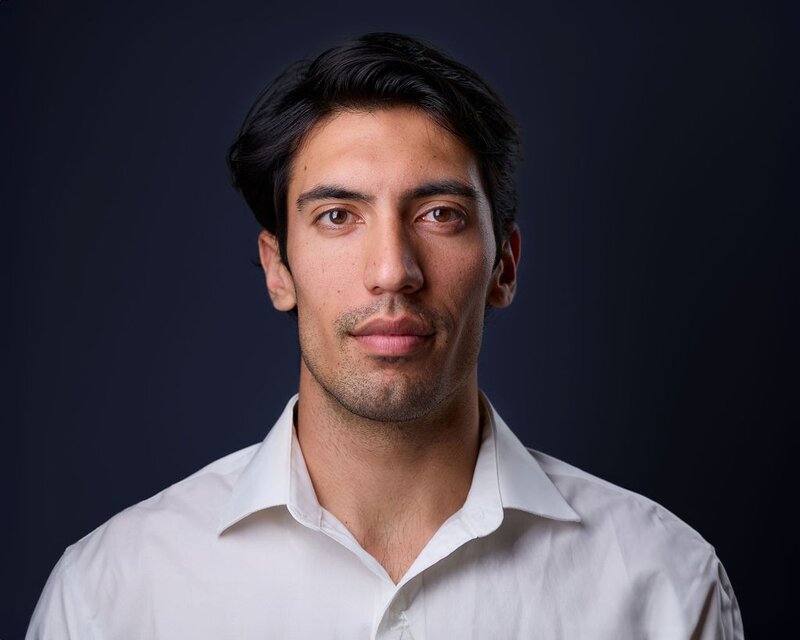
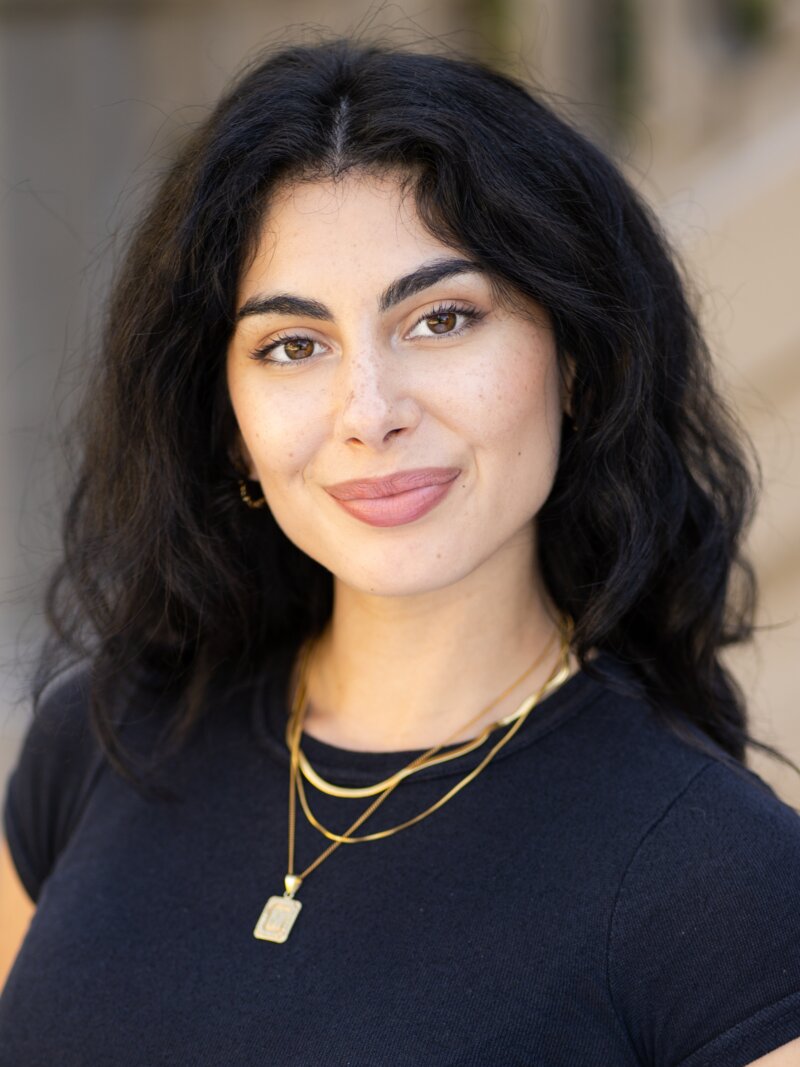
Janika Schmitt is a Program Officer at Sentinel Bio, a philanthropic fund focused on biotechnology governance.
Previously, she was a Non-Resident Fellow at the Institute for Progress, conducted virology research for her medical doctorate at the University of Cambridge, and worked on pathogen early warning at MIT. She has held fellowships at the Johns Hopkins Center for Health Security, the German Center for Infection Research, and Foresight Institute.
Janika is a licensed physician in Germany and studied medicine in Heidelberg, Oxford, and at Charité Berlin.
I work on AI assurance and civilisational resilience: building the technical foundations for independently verifiable claims about the behaviour of AI systems and the infrastructure they run on — from secure silicon to software to multi-stakeholder coordination. Currently, I'm a Programme Director at the UK's Advanced Research and Invention Agency (ARIA). I run the Safeguarded AI programme, a ~£60M R&D programme building a mathematical assurance toolkit that lets fleets of AI agents produce formally verified artifacts at unprecedented speed and scale - from verified software, to microelectronics to a wide range of cyberphysical control systems. Before ARIA, I co-founded and led Principles of Intelligence (formerly PIBBSS), a research organisation facilitating knowledge transfer from interdisciplinary sciences into AI safety. I've also been a Research Affiliate with the Alignment of Complex Systems research group, and a Research Manager at the Future of Humanity Institute, University of Oxford.

Alex Chan is Chief Scientist at Asymmetric Security, working on AI for cyberdefense and incident response. Previously, Chan was Director of Software Engineering at Salesforce, leading reinforcement-learning post-training for GUI agents.
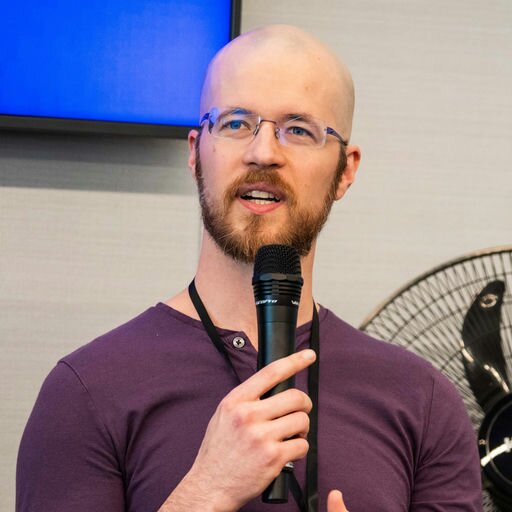
Dillon is the Chief Scientist at Eleos AI Research, where he leads the organization's empirical research on the sentience, moral status, and potential well-being of AI systems. Before joining Eleos, he was an Anthropic Fellow and a postdoc in the Subjectivity Lab. He did his PhD in cognitive neuroscience in Josh Greene's lab at Harvard and his BA in philosophy, also at Harvard.
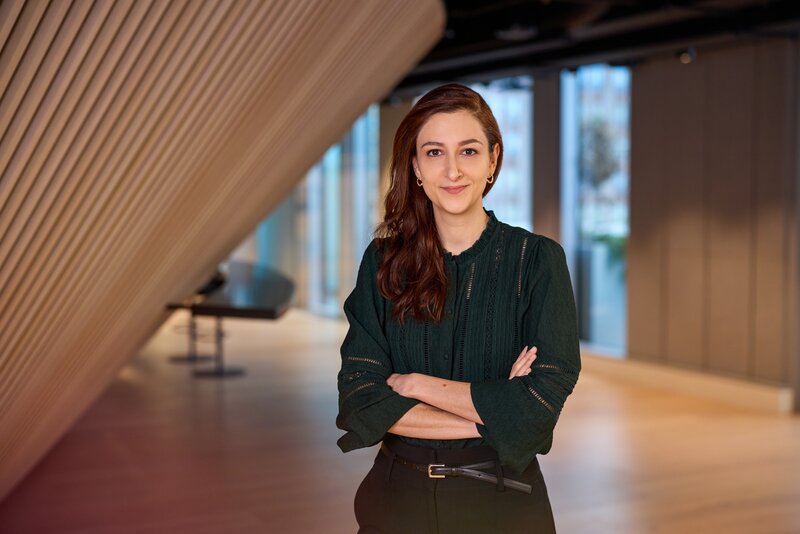
Pegah Maham is a Policy Development and Strategy Manager within Google DeepMind’s Frontier Policy Development team, where she works at the intersection of technical AI safety and security and international governance. Her work is focused on frontier AI risks, such as biosecurity and AGI safety. Topics she is thinking about include risk assessments and mitigations, threat modelling, external testing, transparency, system integrity and model weight security.

Geoff was a partner at Y Combinator beginning in 2011 and served as president of the accelerator from early 2019 until the end of 2022. Geoff has worked with hundreds of YC companies like Stripe, Ginkgo, Clever, Helion and Boom and has been an angel investor in over 100 companies. Earlier in his career Geoff was part of the team that built Yahoo! Mail and was Yahoo!’s Chief Product Officer until 2006. Geoff was also CEO of Lala Media, which was purchased by Apple in 2009.
Charlie is co-head of Intercept, a $500 million fund launched from Stripe's Public Goods team to reduce the burden of respiratory infections. Charlie was previously a Managing Director at the Global Health Investment Corporation and a co-founder of Adjuvant Capital. Before his career in public health investing, he was a private equity investor at Artemis Capital Partners and Axia Capital. Charlie started his career at Haiti’s largest microfinance bank, Sevis Finansye Fonkoze.
Charlie has led or participated in investments in Curevo Vaccine (acquired by Eli Lilly), Vaccine Company (acquired by Eli Lilly), Alydia Health (acquired by Merck), Iantech (acquired by Carl Zeiss Meditec), Eubiologics (Kosdaq:206650), MDGH (PRV), Terrestrial Bio, Foundry, Centivax, Excision Biotherapeutics, Codagnix, Endpoint Health, Cytovale, and Monod Bio. He currently serves on the boards of Curevo Vaccine, Aceris Biosciences, Blueprint Biosecurity, ProEquip, and the Mirror Biology Dialogues Fund.
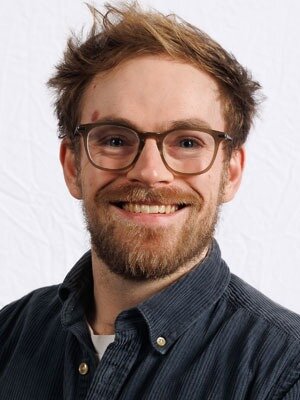
Charlie Whittaker is an Assistant Professor in the School of Public Health at UC Berkeley, where he directs the Pandemic and Epidemic Threat Analytics Lab (PETAL). His research focuses on the dynamics, detectability and control of pathogens with pandemic potential, and uses computational modelling to explore how infectious diseases spread and to enhance preparedness and response strategies for public health emergencies and globally catastrophic biological risks. Current projects include work modelling the potential impact of broad-spectrum medical countermeasures during future pandemics, how to optimally structure and design next-generation surveillance systems and evaluation of indoor air disinfection technologies, amongst others.
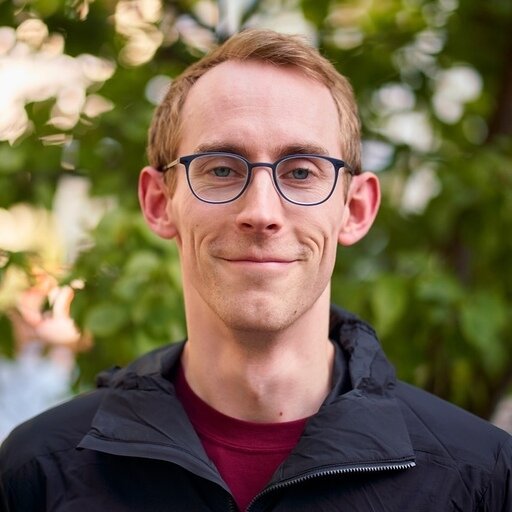
I am Head of AI Research at SecureBio, focusing on AI evaluations for biosecurity. Previously, I was working on far-UVC air disinfection as a Research Fellow at Convergent Research, and completed my virology PhD at the Hannover Medical School.
Outside of work, you can find me reading, running TTRPGs, taking photographs of clouds, hiking, or playing the drums.
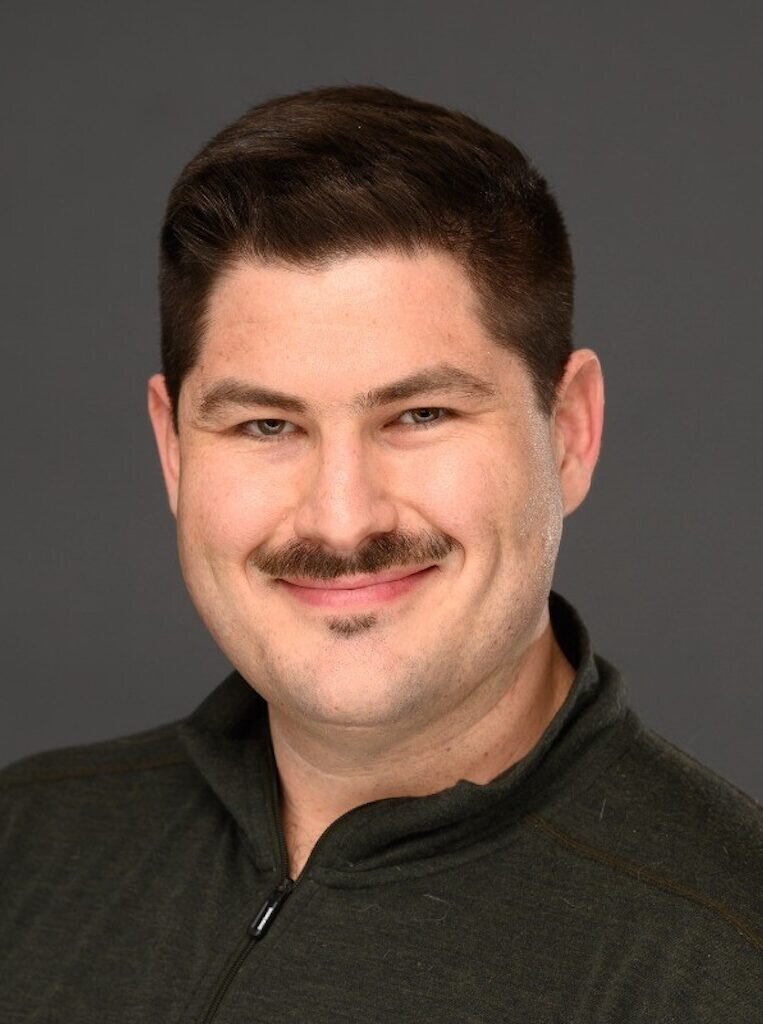
Ben Bateman is chief of staff for Technical AI Safety at Coefficient Giving. Previously, he was director of operations at Mirror Biology Dialogues Fund and spent six years at GiveWell.