MATS mentors are advancing the frontiers of AI alignment, transparency, and security
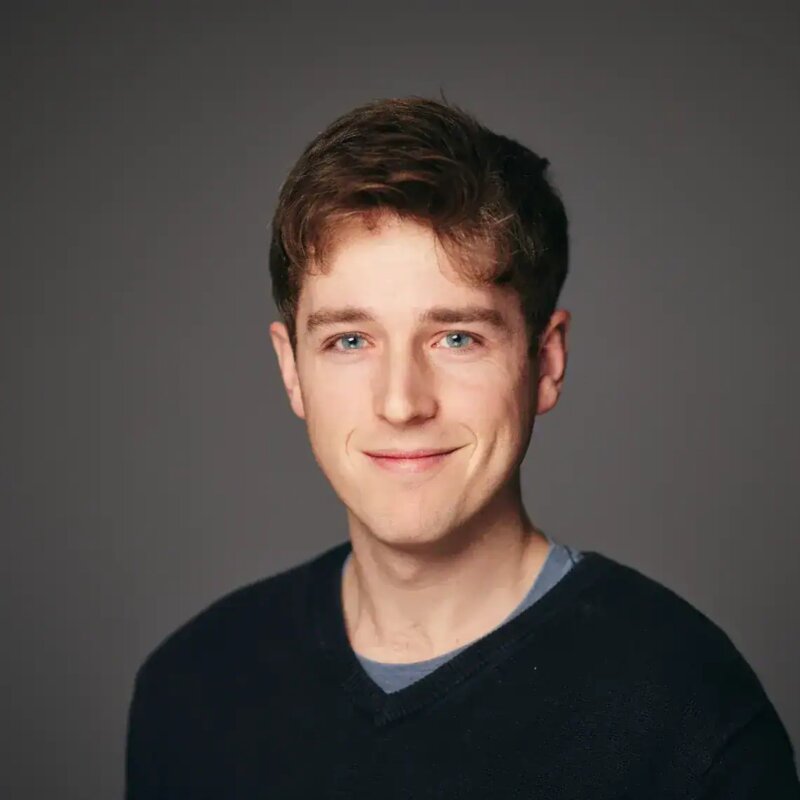
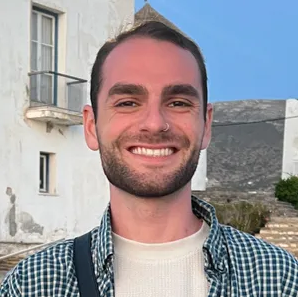
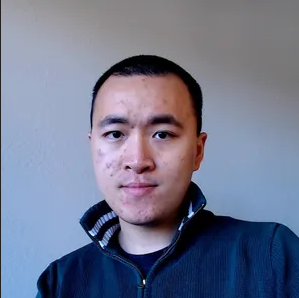
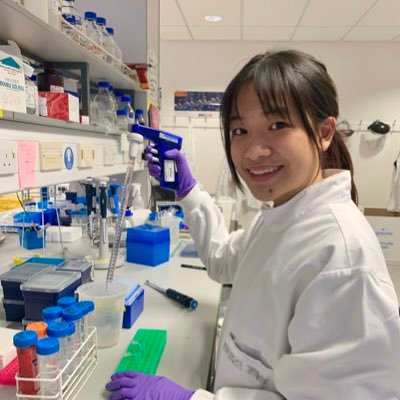

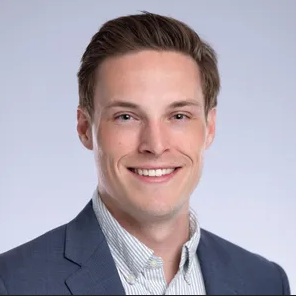
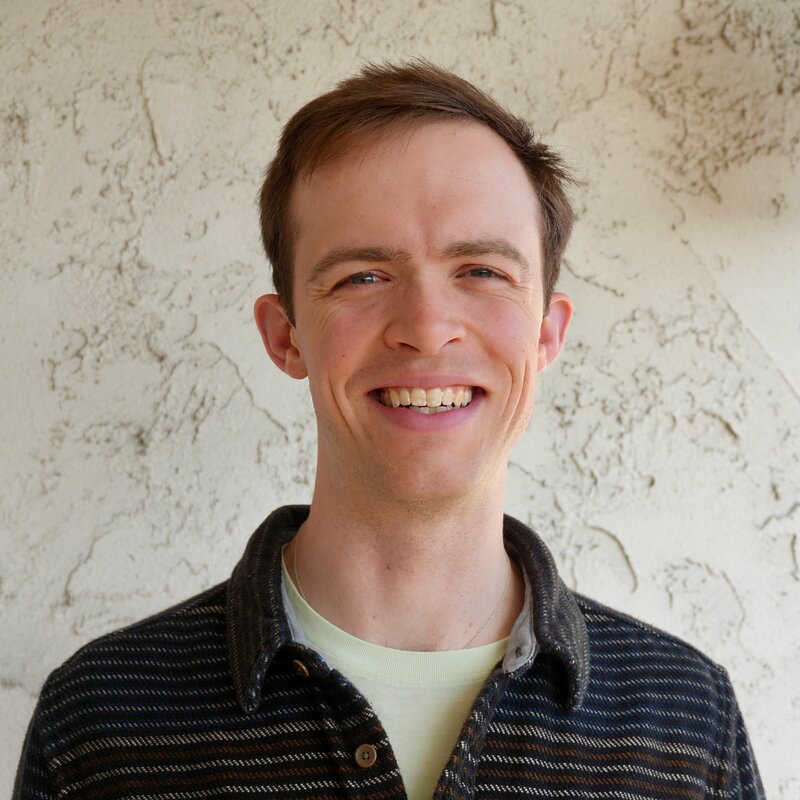
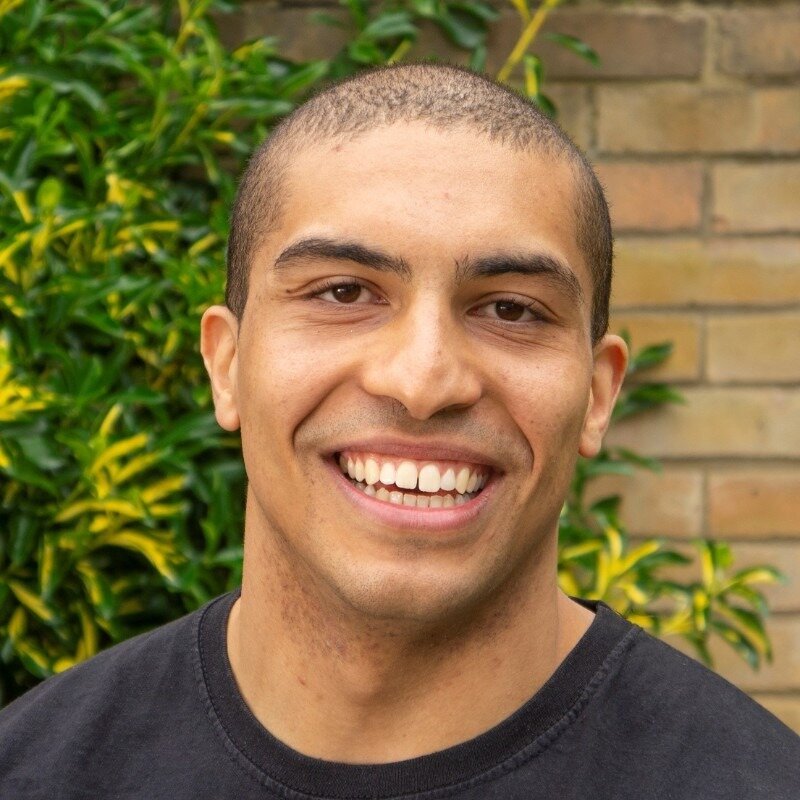
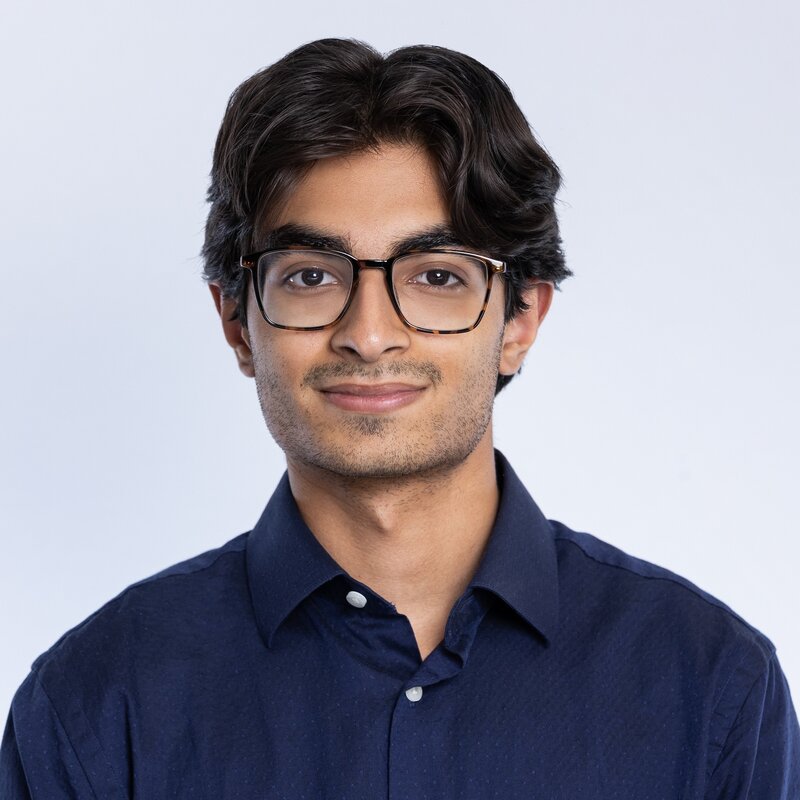
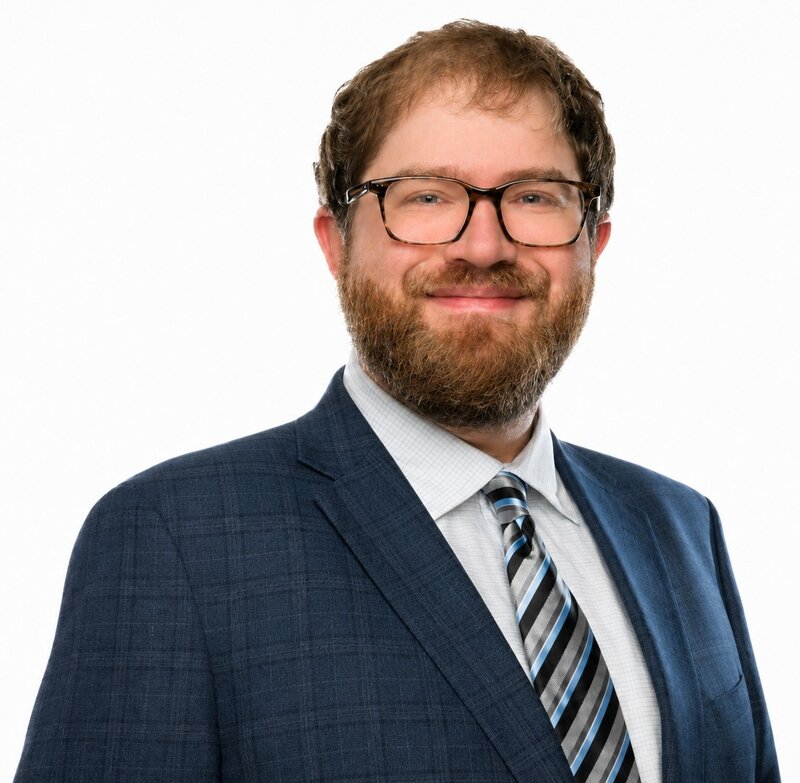
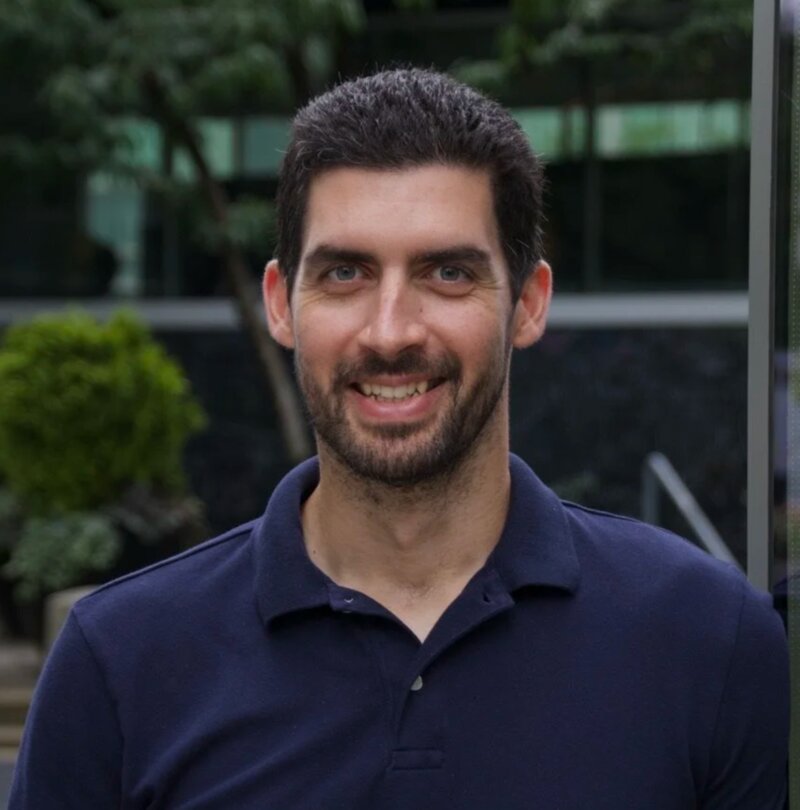
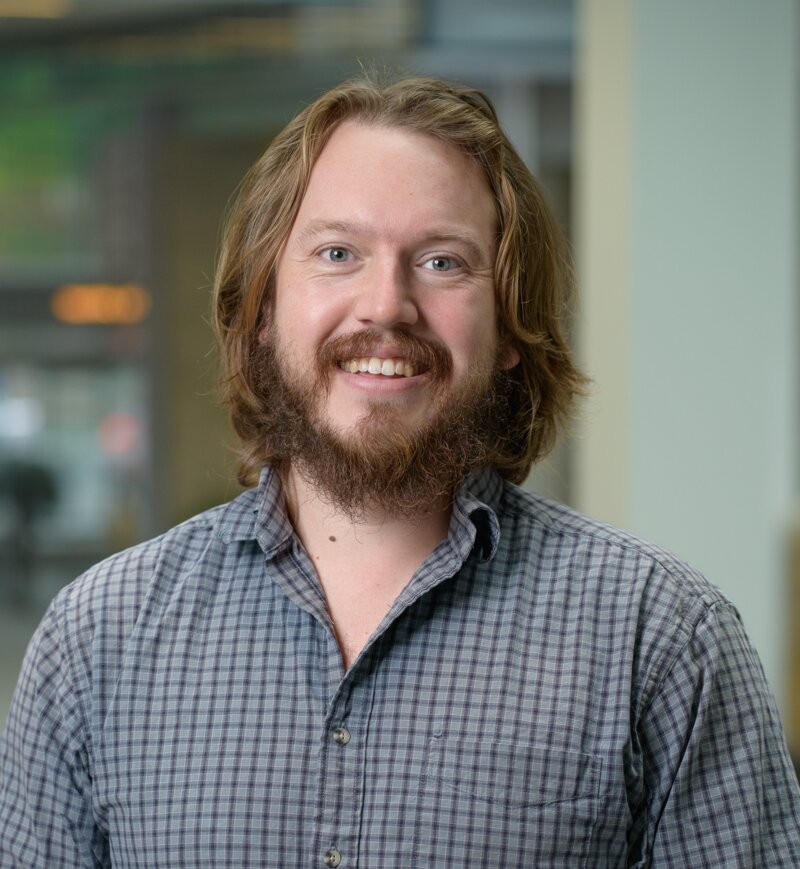
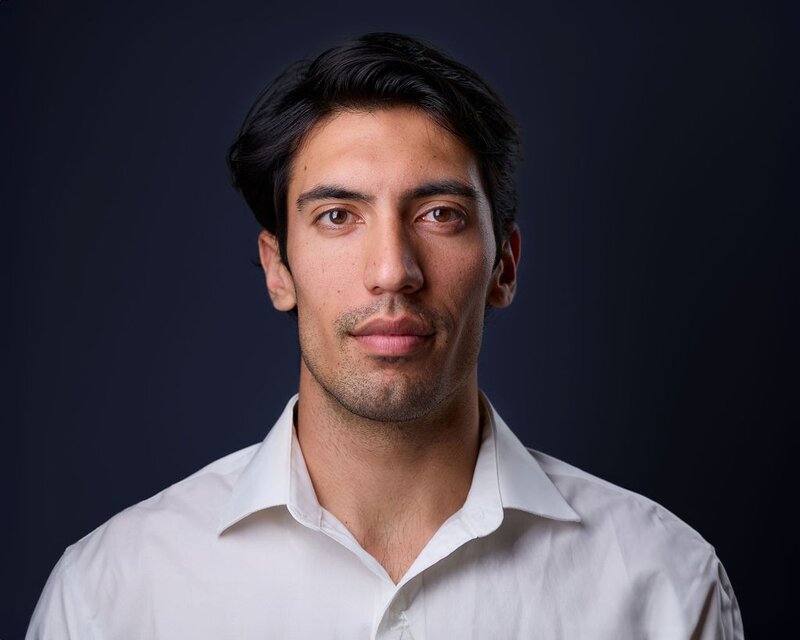
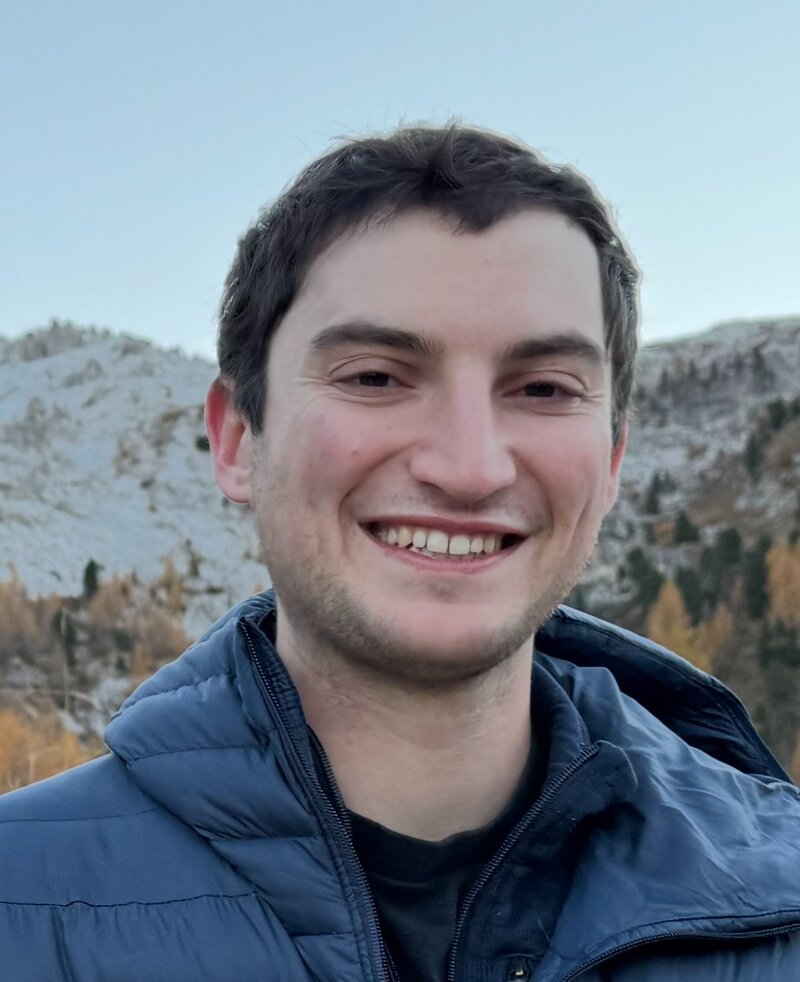
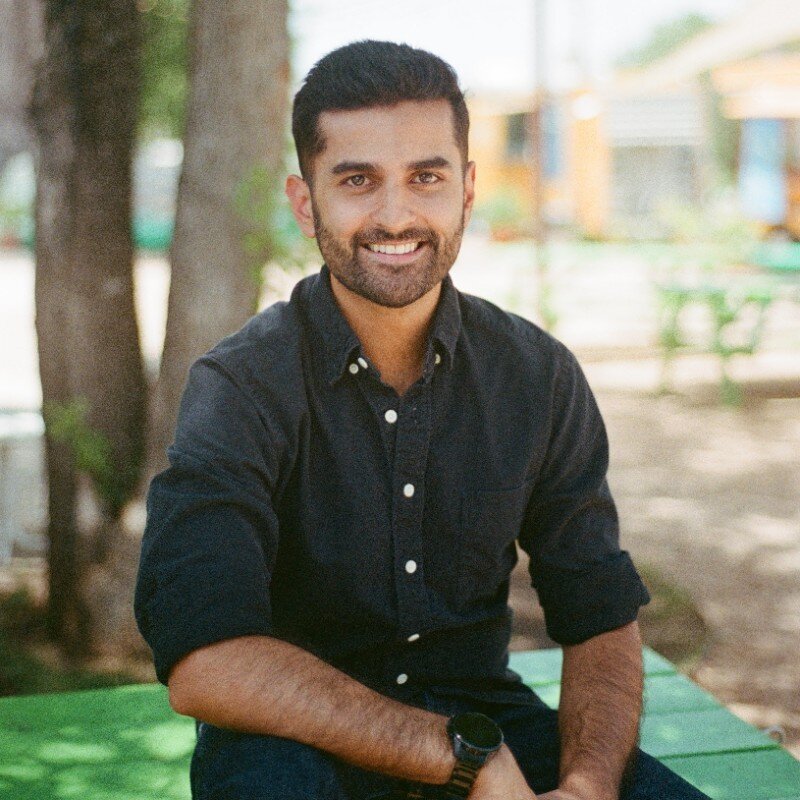
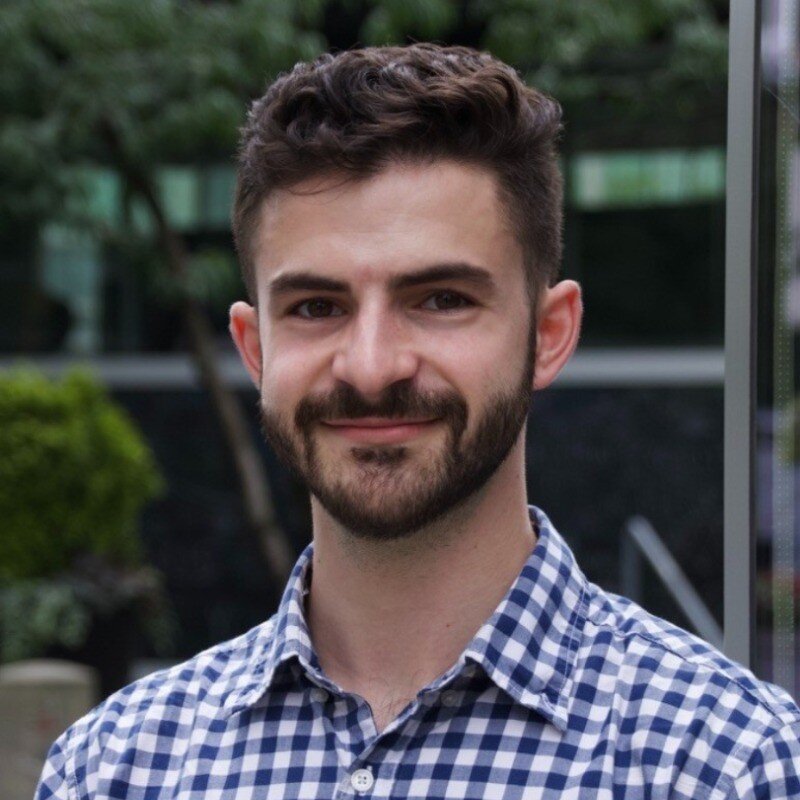
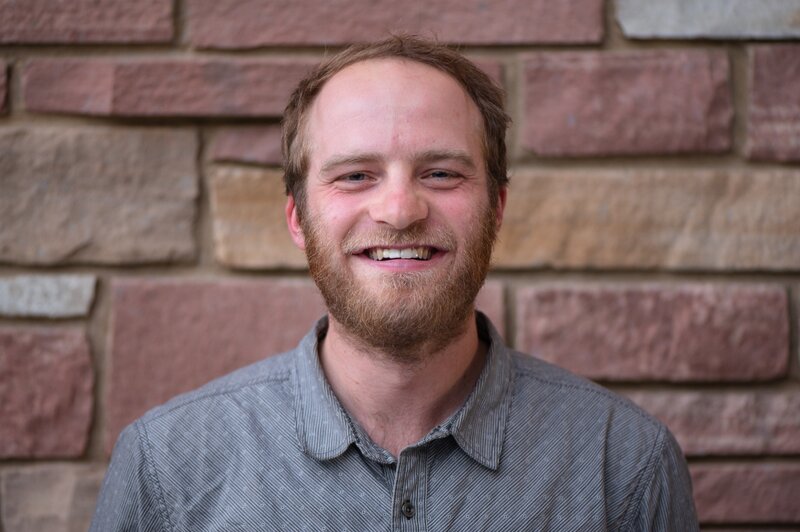
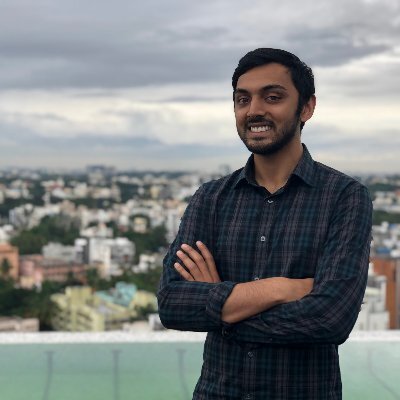
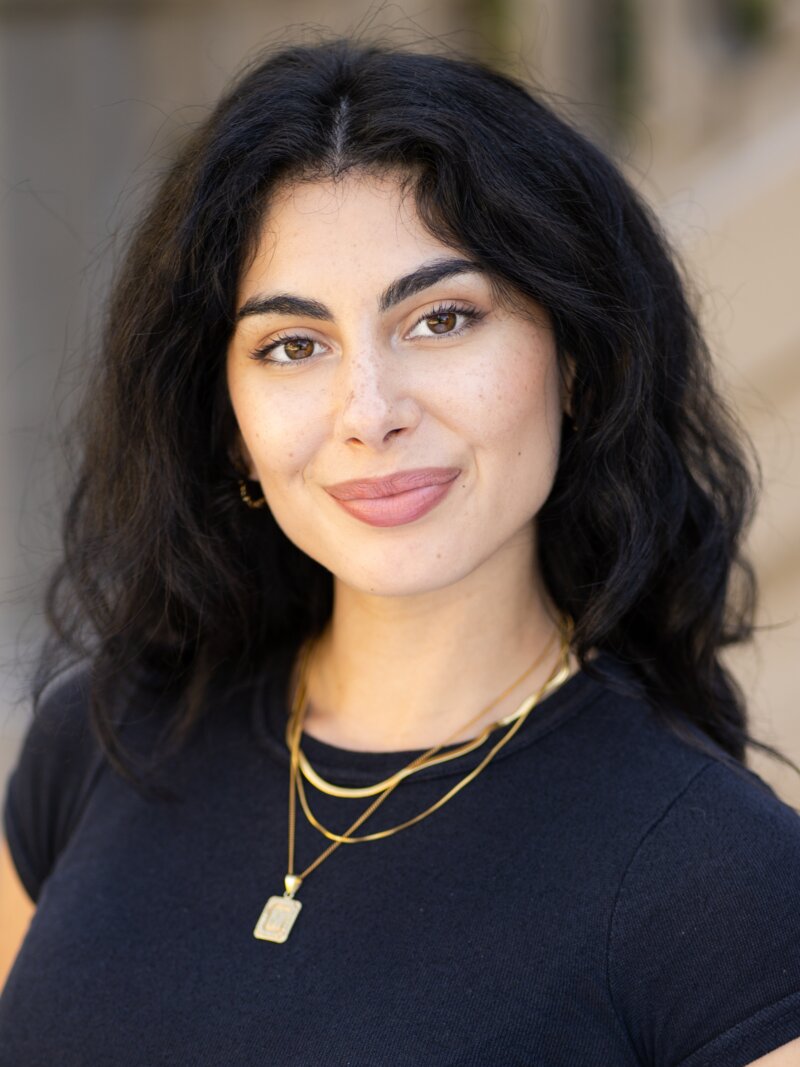
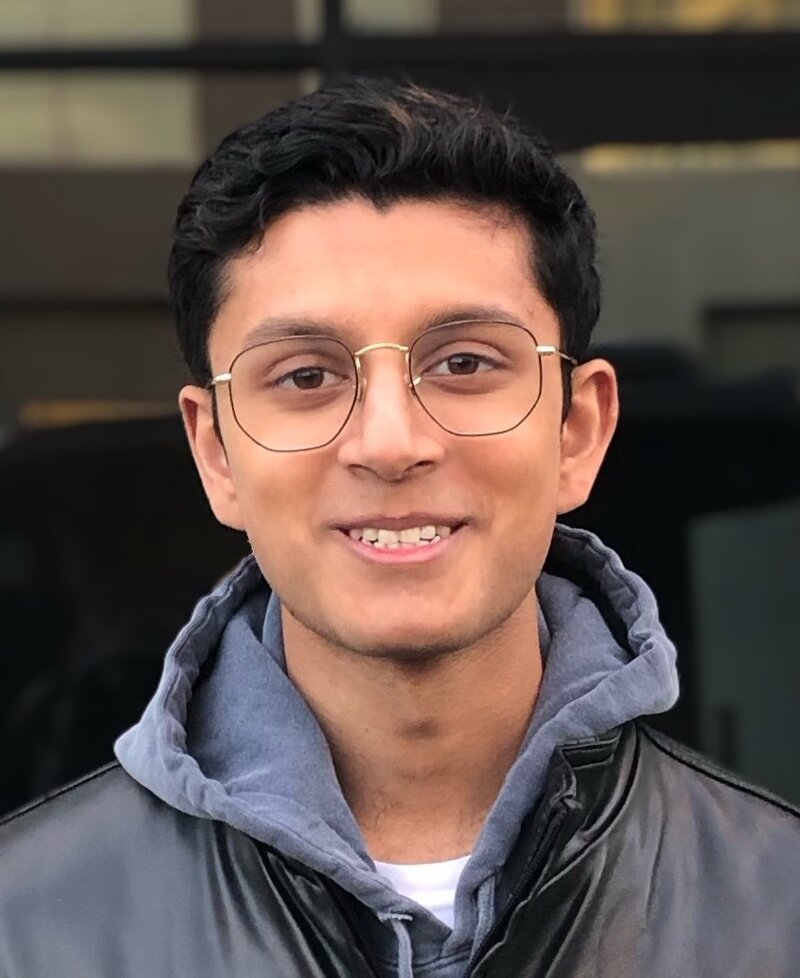
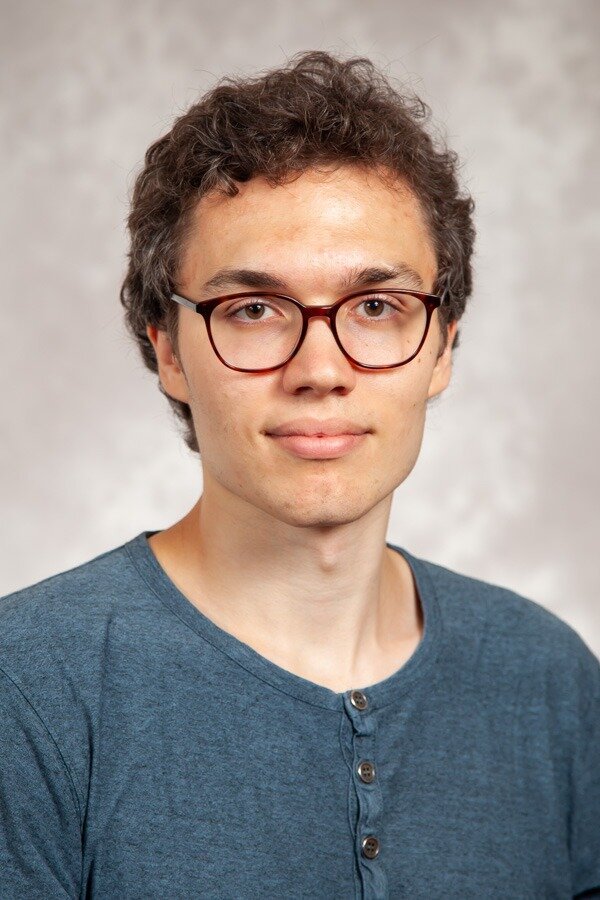
Lucas is a program operations associate on Coefficient Giving’s Technical AI Safety team. He previously worked as an associate consultant at Bain & Company and holds a Master in Public Policy from Harvard Kennedy School.

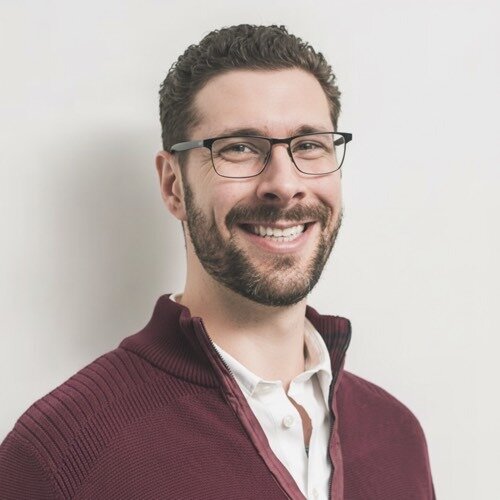
Max Nadeau is a Program Officer on Coefficient Giving's Technical AI Safety team. Previously, he conducted research on machine-learning robustness and interpretability.
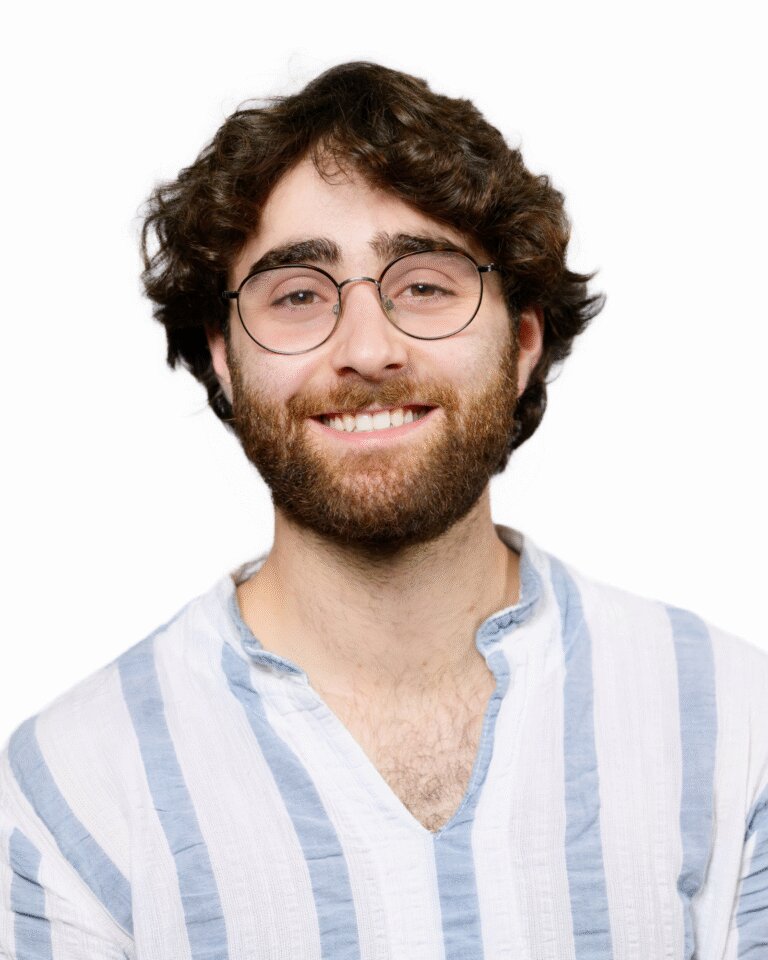
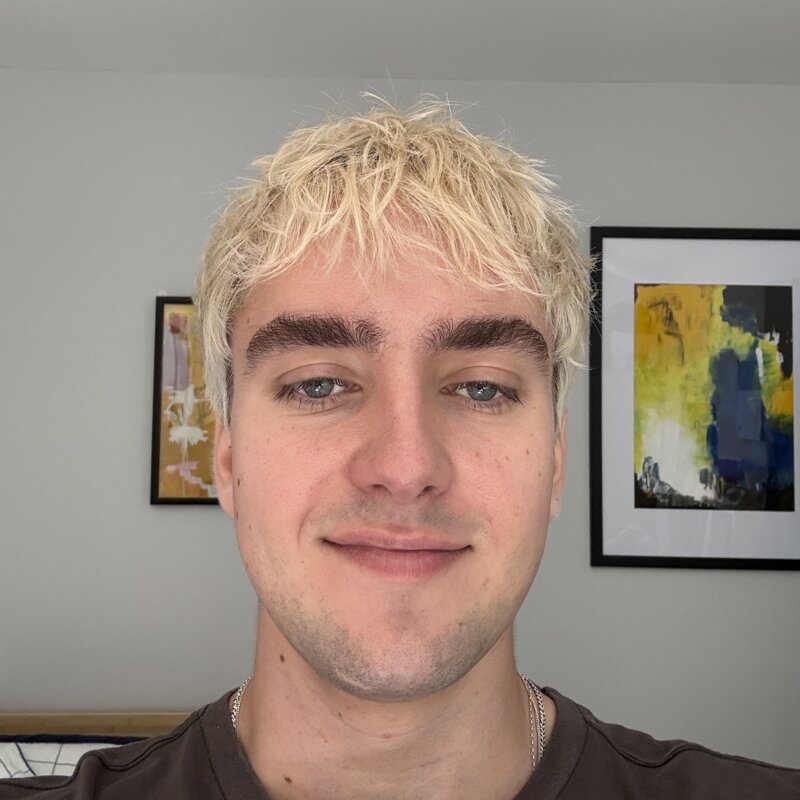
Jake Mendel is a technical AI safety program officer at Coefficient Giving, where he makes grants for technical work. Previously, he worked as a research scientist at Apollo Research.
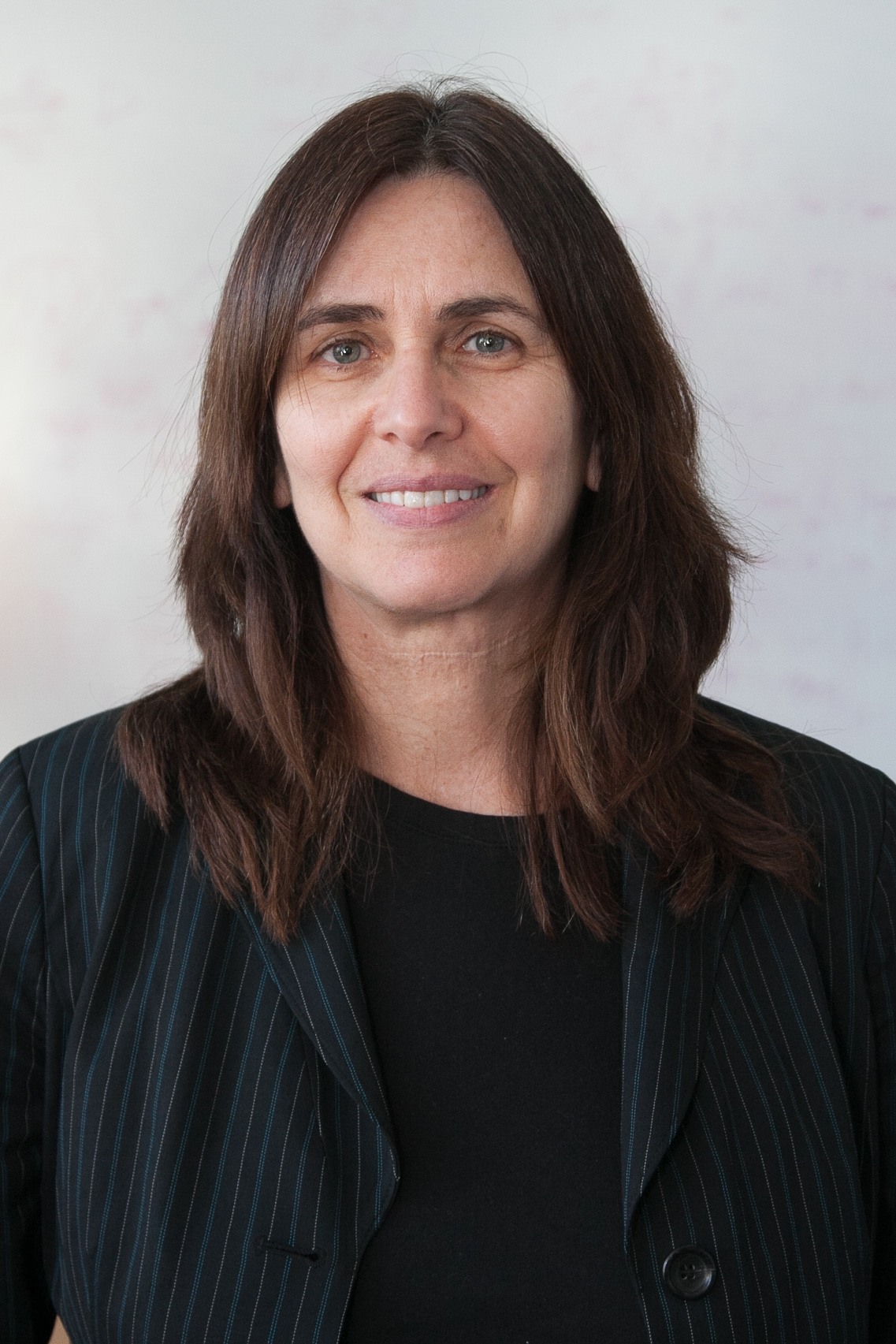
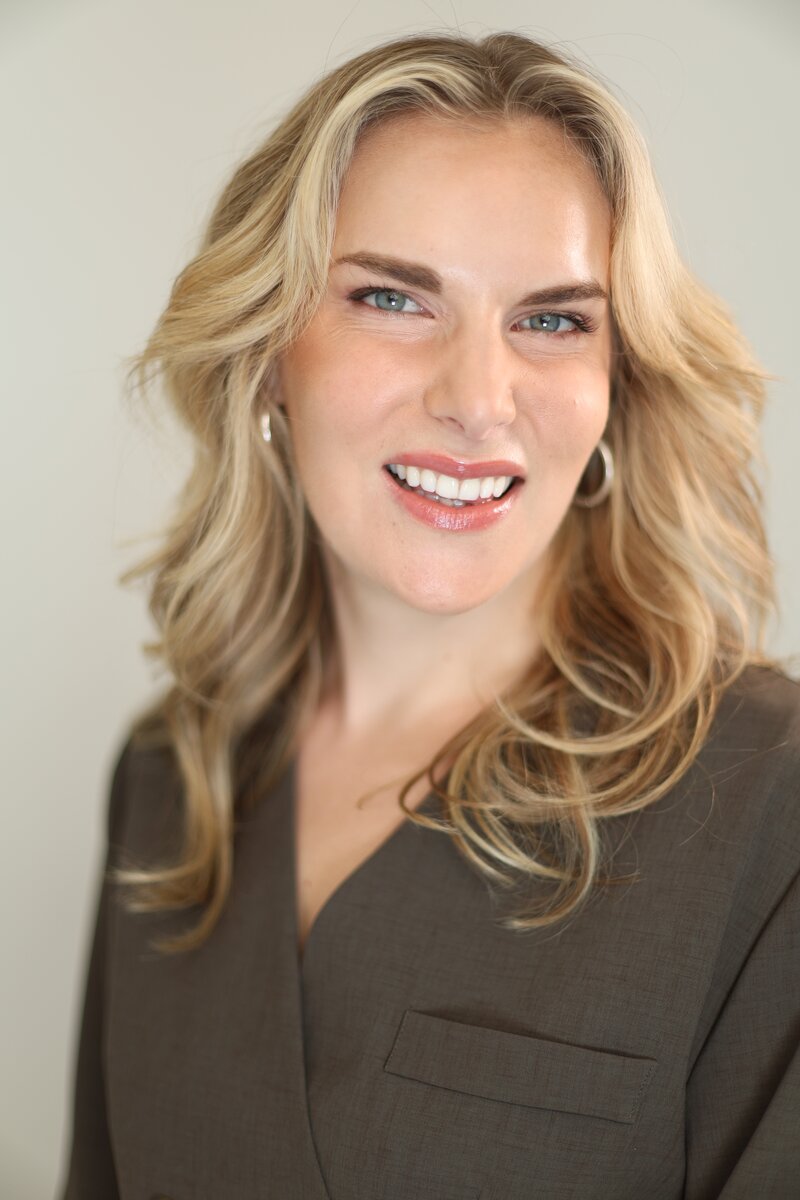
I am a scientist working at the intersection of artificial intelligence and neuroscience. My career began with a focus on understanding how the brain enables perception and behavior, using computational models to connect neural activity with cognition. After nearly a decade of academic research, including a PhD at Stanford University and a postdoctoral fellowship at Harvard Medical School, I have transitioned into industry to apply these insights more broadly.
I am currently a Researcher at OpenAI, where I focus on two goals: advancing safety research to ensure artificial intelligence systems are reliable and aligned, and exploring how AI can accelerate progress in health and medicine. I am especially motivated by the opportunity to translate my background in neuroscience and modeling into building AI tools that both deepen scientific discovery and contribute to human well-being.
At the core of my work is a curiosity about intelligent systems—both biological and artificial—and a commitment to using that understanding to create technologies that are safe, responsible, and transformative.
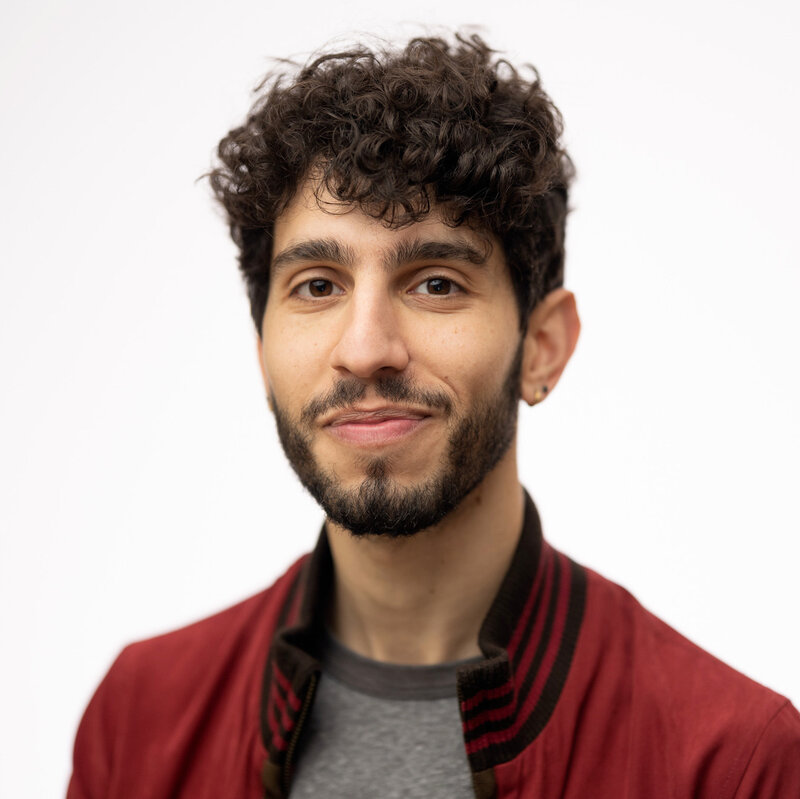
Manu Shivakumara is a senior bioinformatics engineer at IBBIS, where he supports the development and optimization of the Common Mechanism, an open-source software platform for DNA synthesis screening. Shivakumara previously researched environmental DNA datasets at ETH Zurich and holds a PhD in genomics.
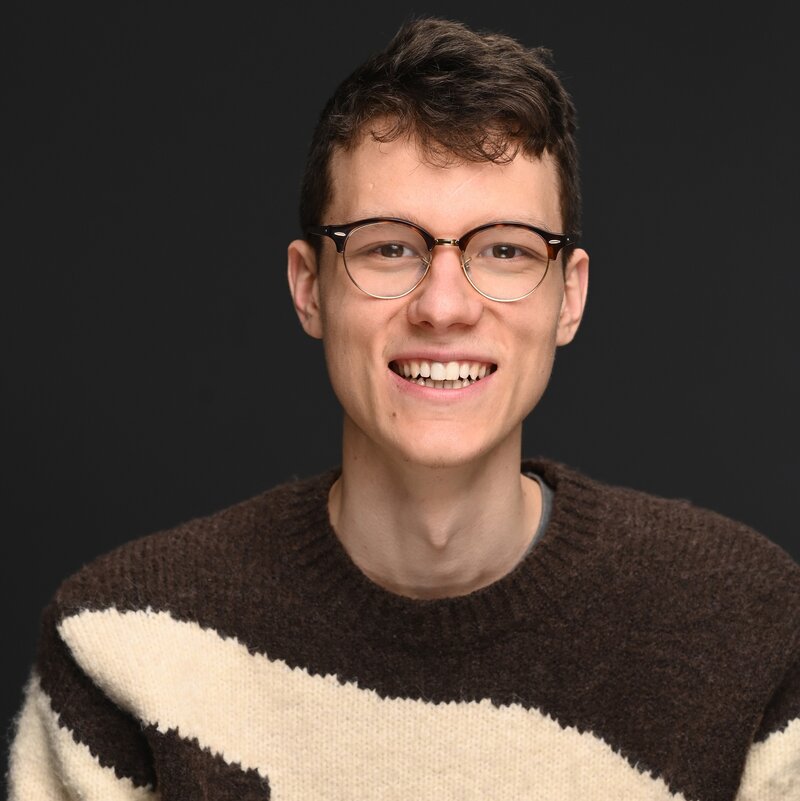
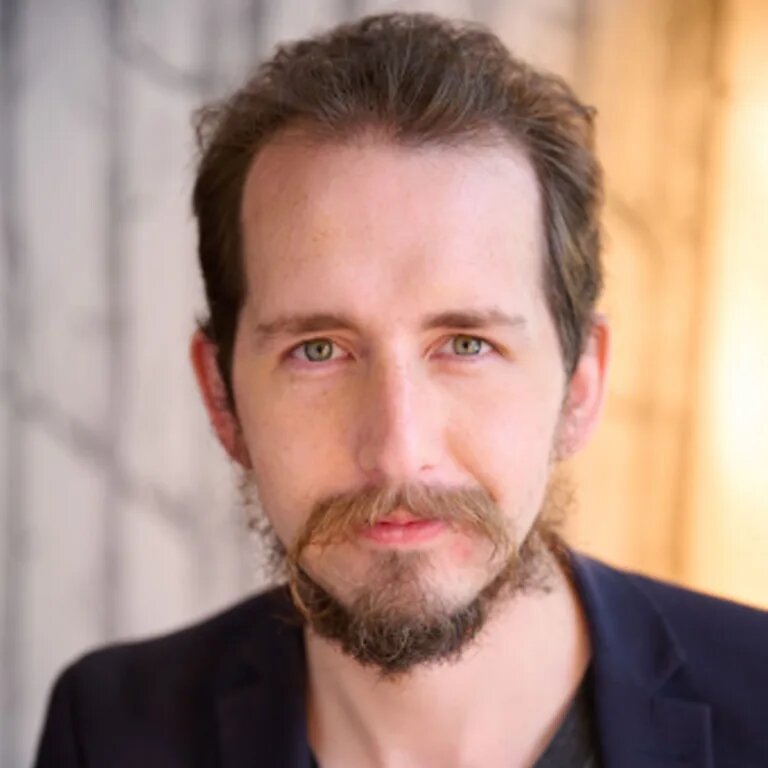
I am a Senior Research Fellow at the Center for the Governance of AI, leading a work stream that investigates national security threats from advanced AI systems. I am also a collaborator at METR, where I help improve the rigor of system cards and evals, and a senior at the Forecasting Research Institute.
I am interested in mentoring projects that create rigorous threat models of near-term AI misuse, especially within biosecurity. Given that this work can include sensitive topics, the final output might look like writing memos and briefings for decision-makers instead of academic publications.
I am also interested in projects that try to strengthen the science and transparency of dangerous capability evaluations reporting. This includes creating standards and checklists, writing peer reviews of model cards, and designing randomized control trials that can push the current frontier.
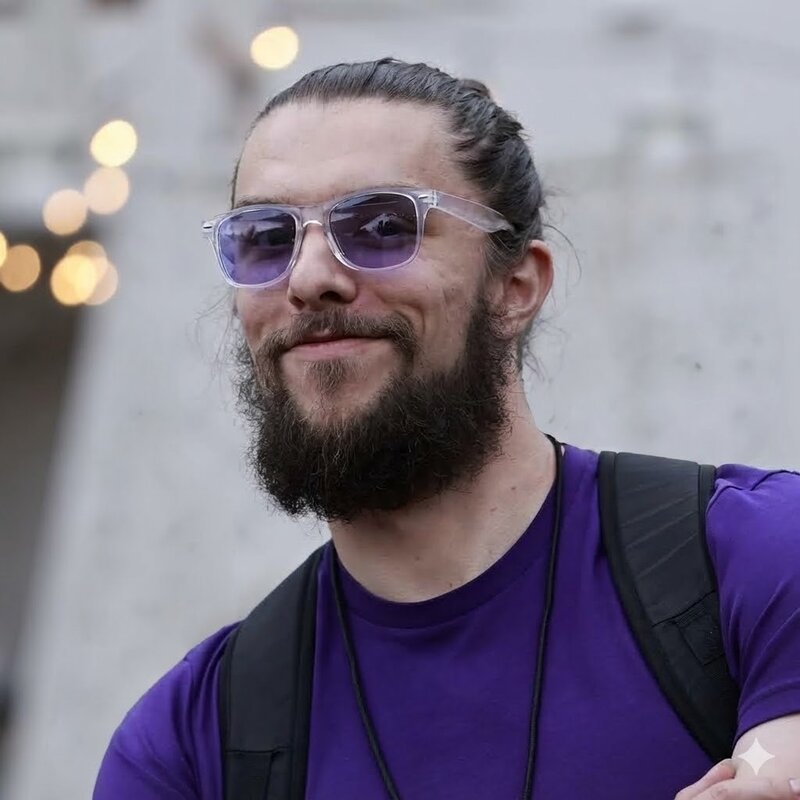
Keri is the technical lead of the Infrastructure Security Engineering Team at Anthropic, implementing SL4/5 and searching for differentially defense-favored security tools.
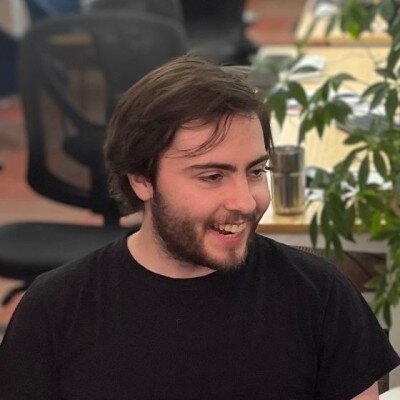
Ryan is Chief scientist at Redwood Research, focused on technical AI safety research to reduce risks from rogue AIs.
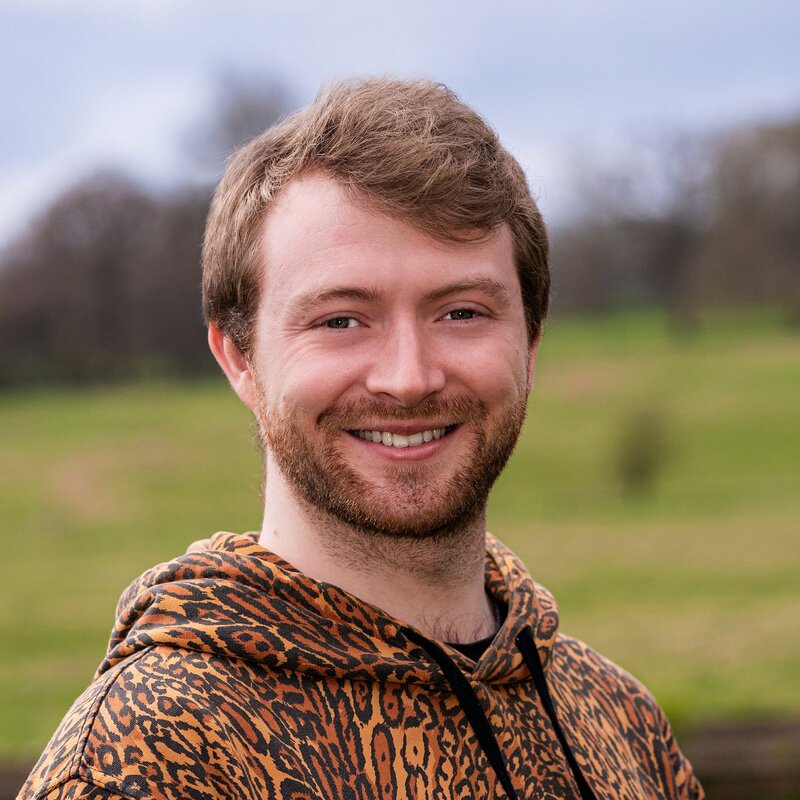
Lee Sharkey is a Principal Investigator at Goodfire.
His team has focused on improved interpretability methods, including parameter decomposition methods such as Attribution-based Parameter Decomposition and Stochastic Parameter Decomposition and adVersarial Parameter Decomposition.
Previously, Lee was Chief Strategy Officer and cofounder of Apollo Research, and a Research Engineer at Conjecture, where he worked on sparse autoencoders as a solution to representational superposition.
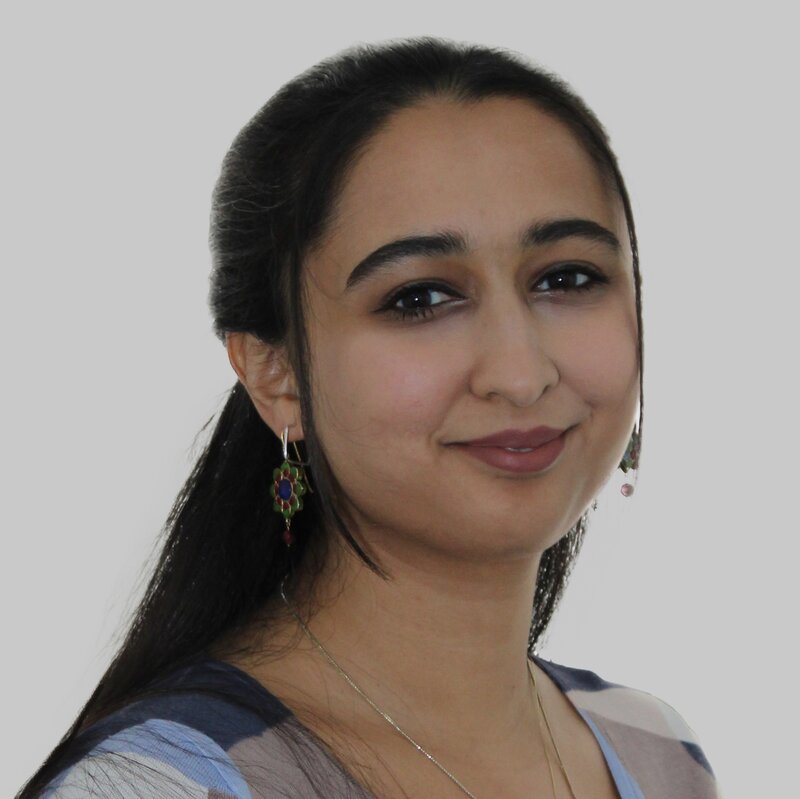
Zainab is the co-founder of Asymmetric Security. She was previously a cybersecurity analyst at Stroz Friedberg, where she investigated some of the largest cybersecurity breaches of the past decade (e.g., Cambridge Analytica). She has also published at NeurIPS on AI cybersecurity evaluations. Zainab holds a master’s degree in Physics from Oxford University.