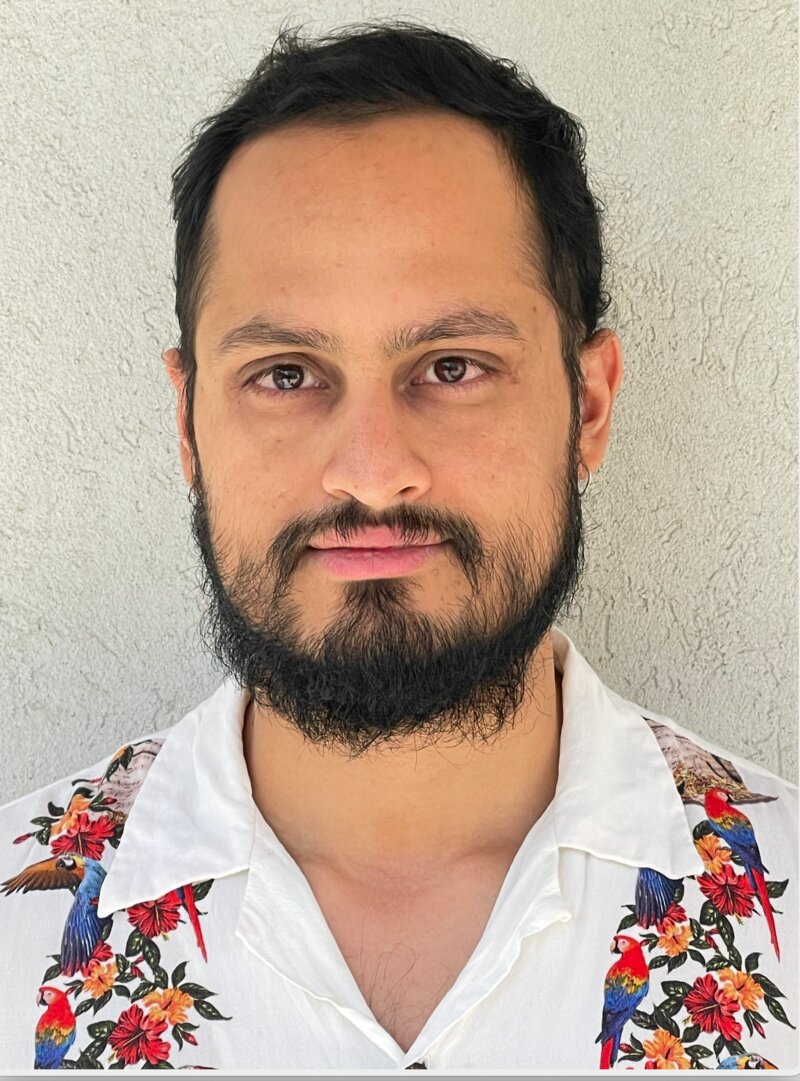
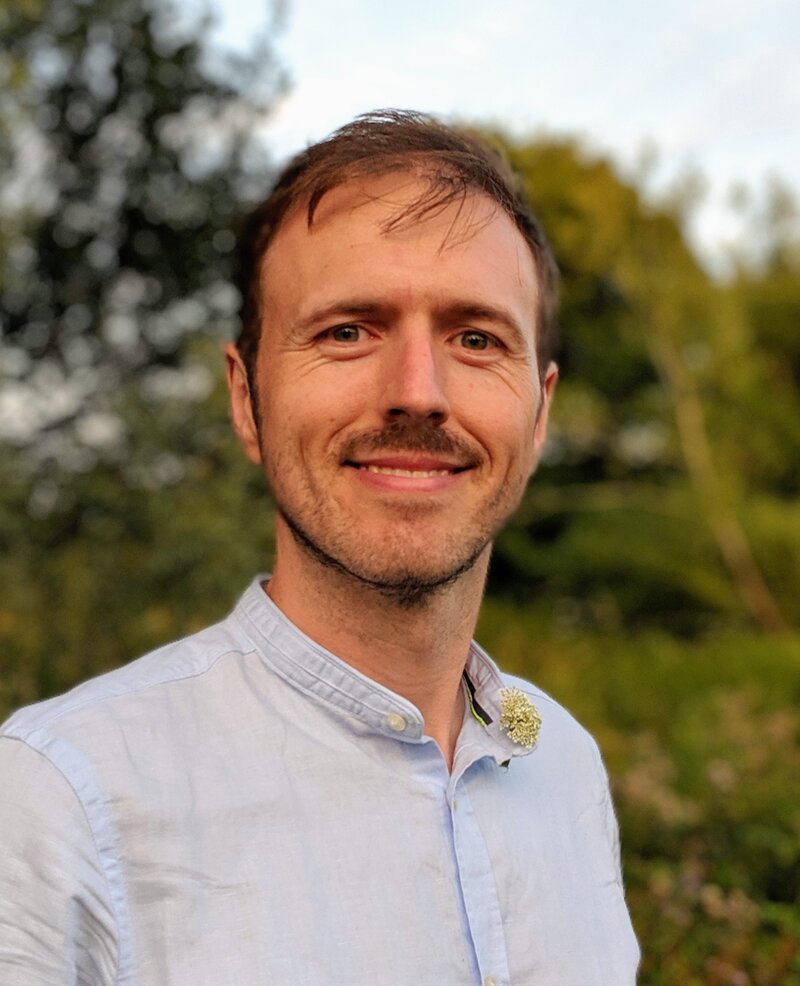
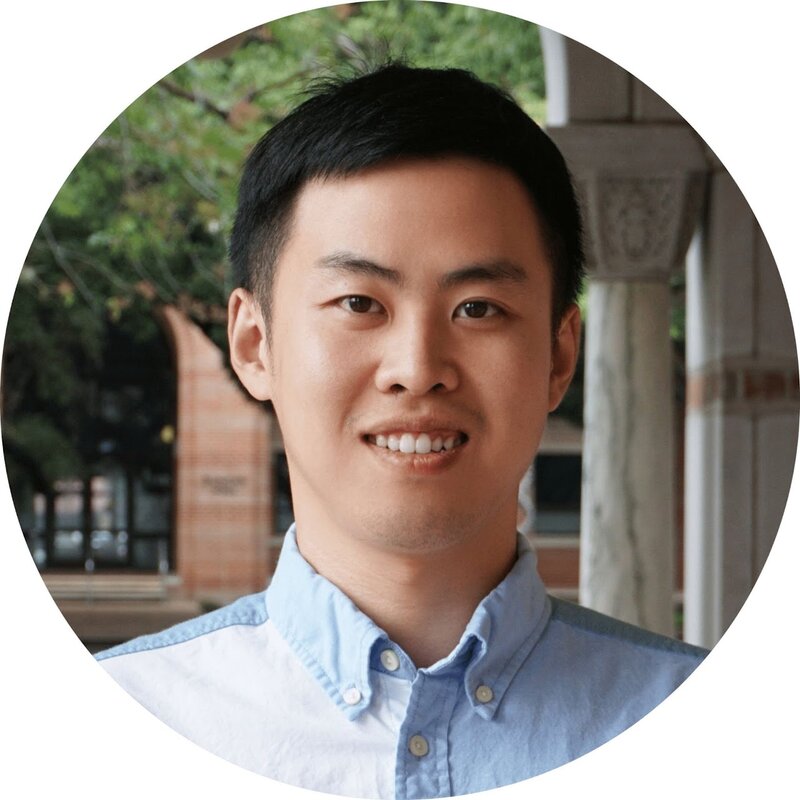
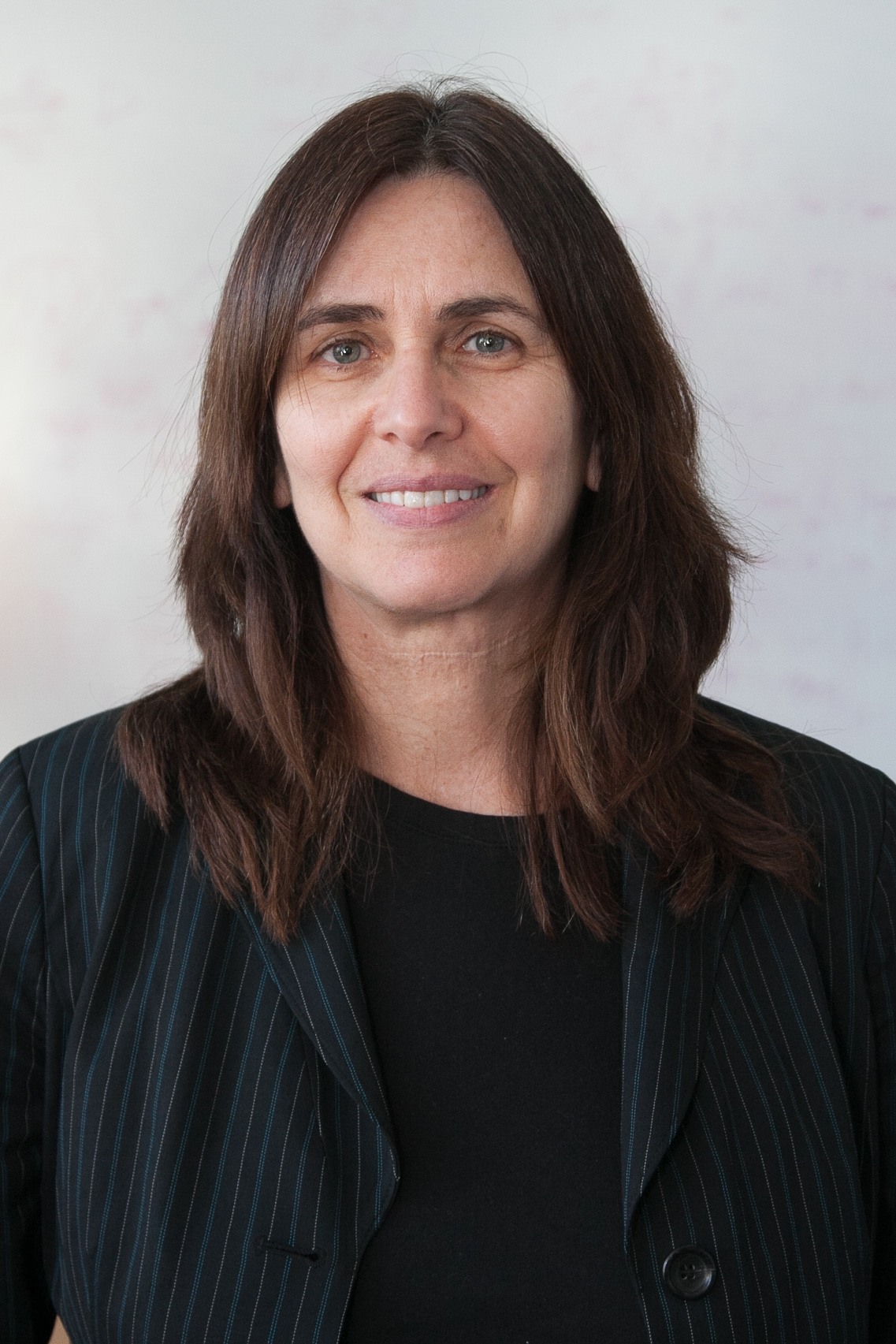
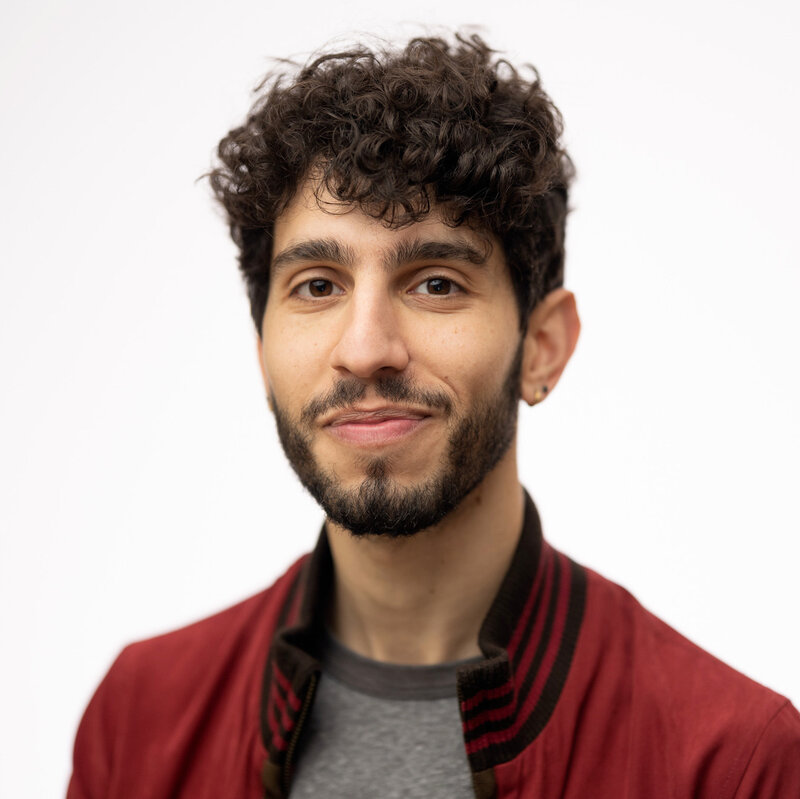
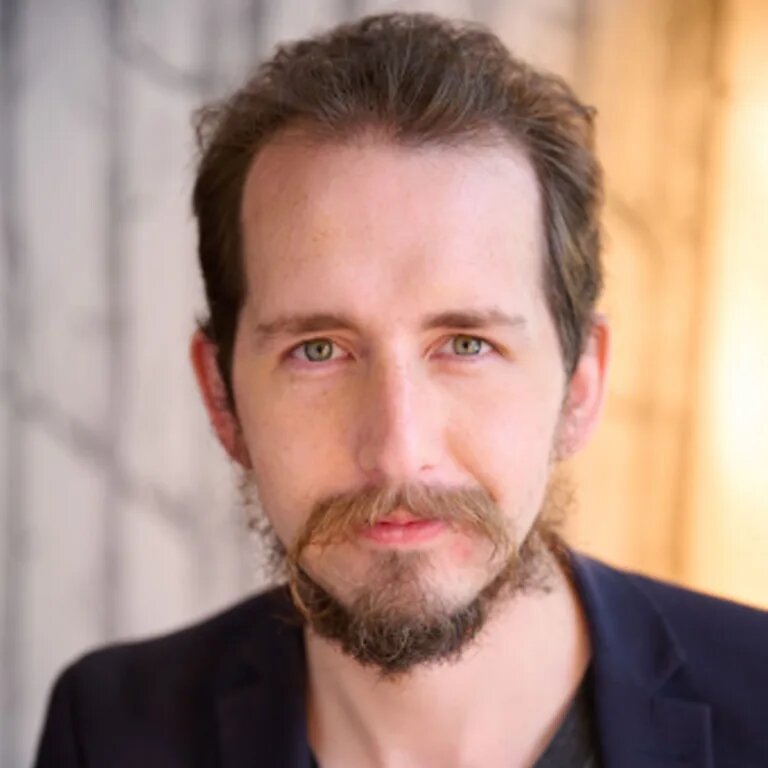
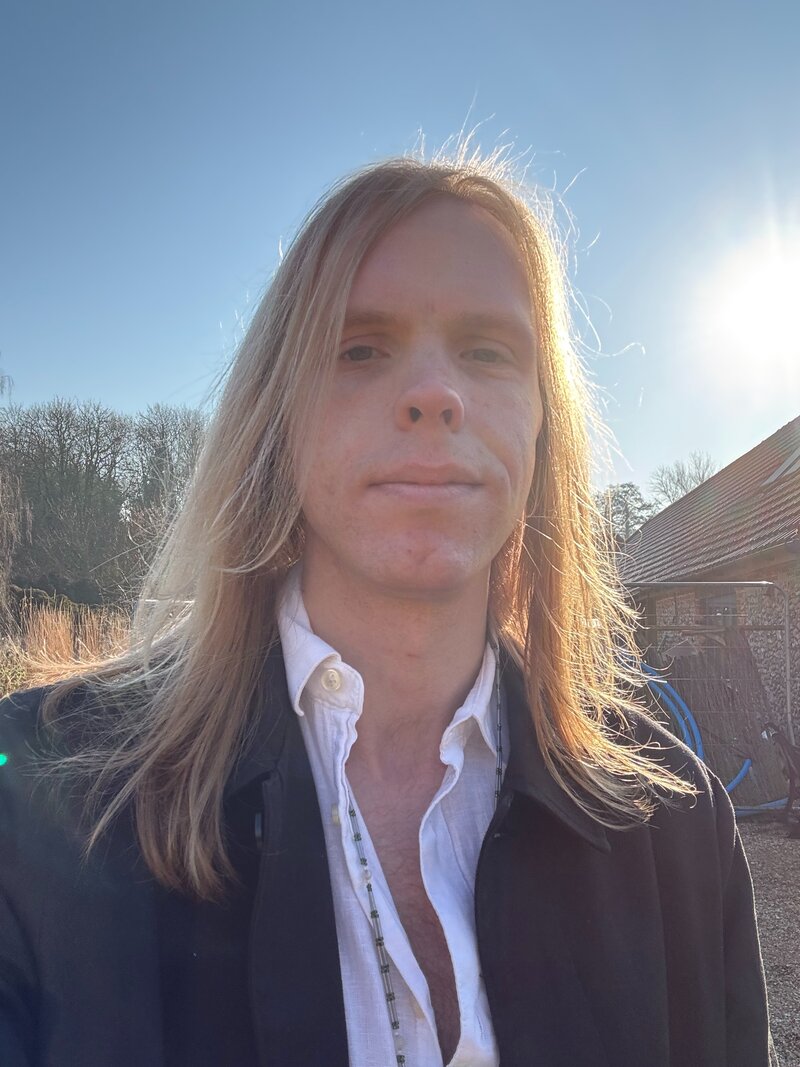
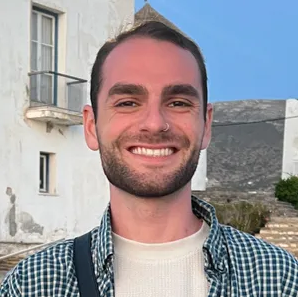
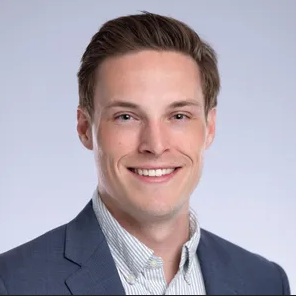
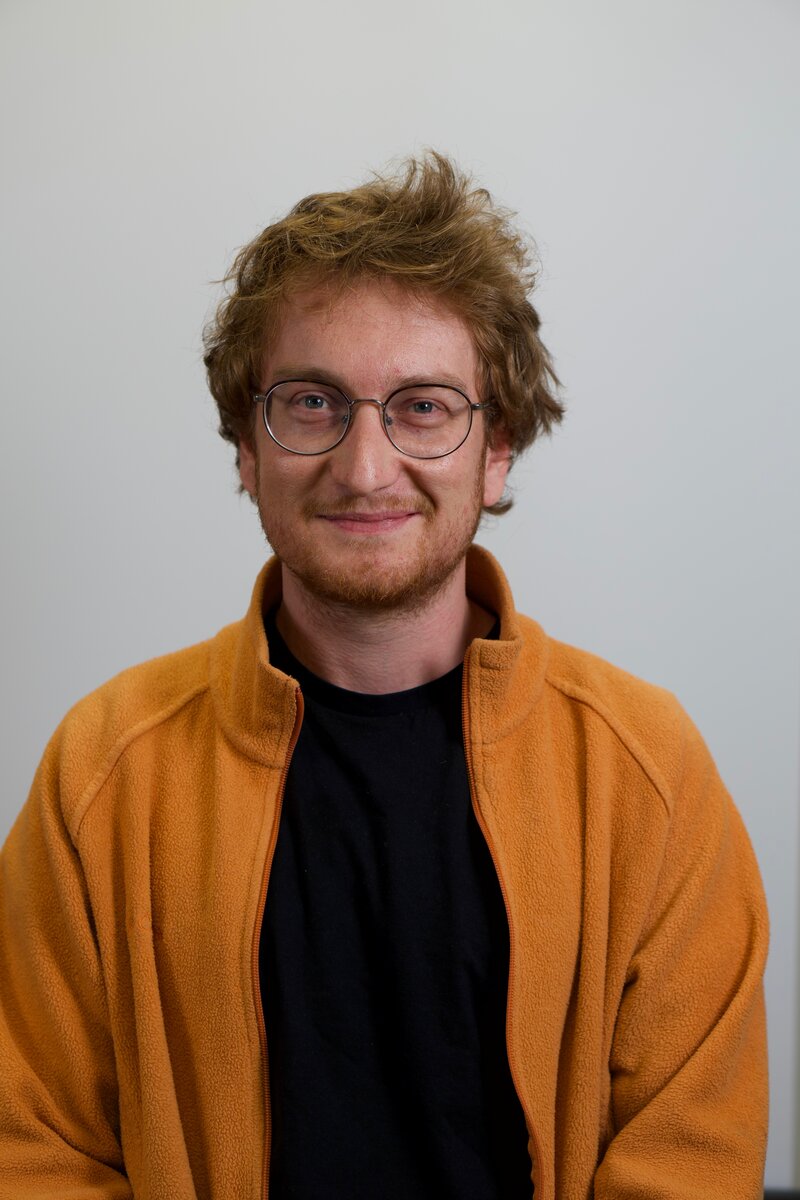
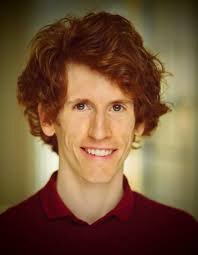
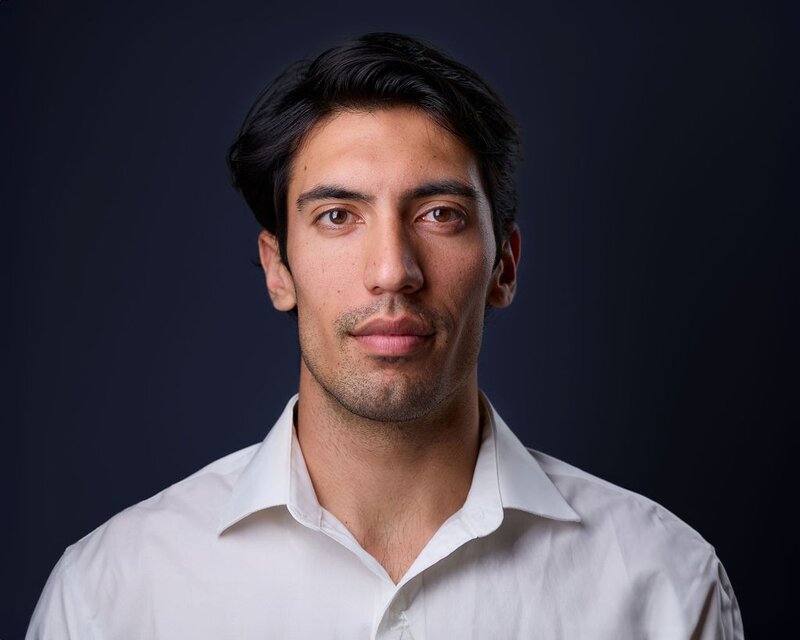
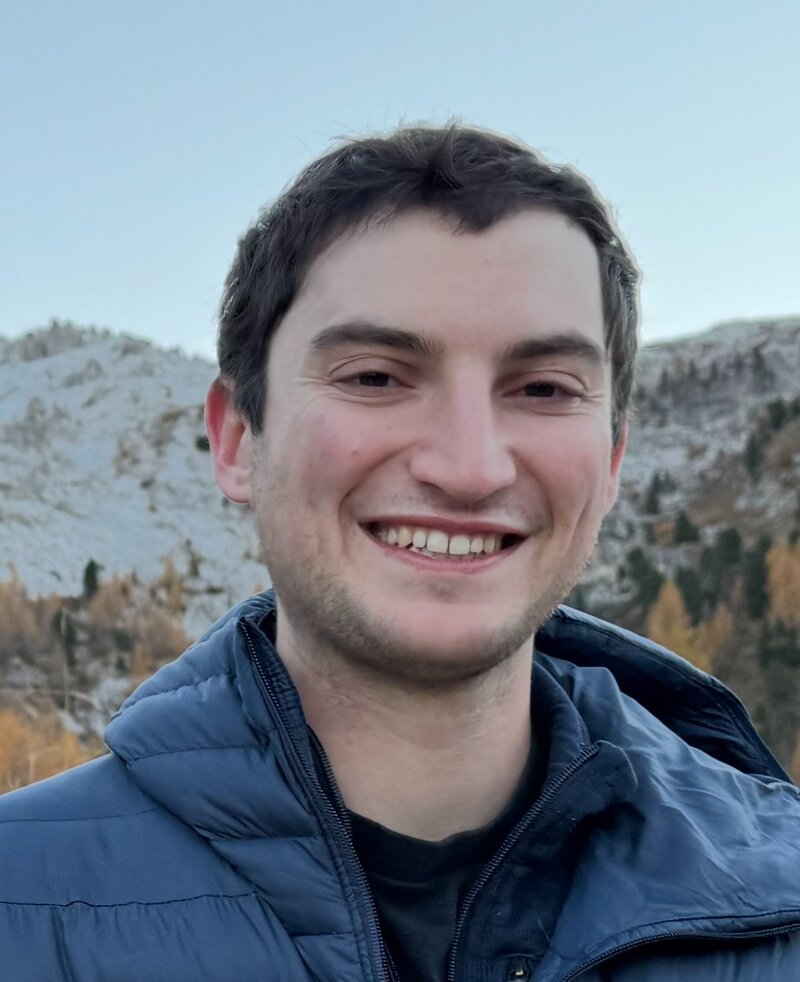
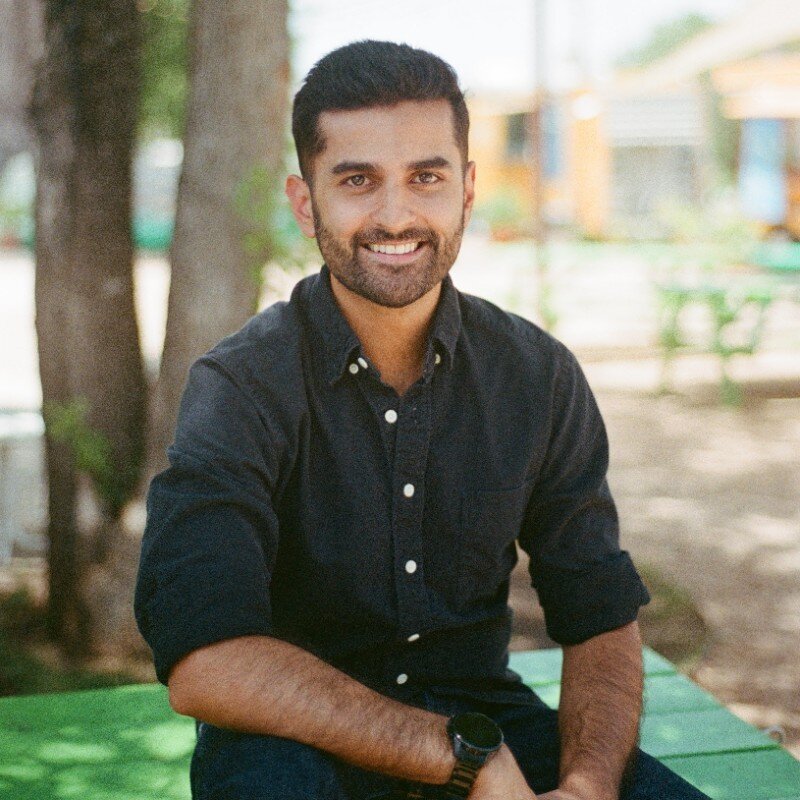
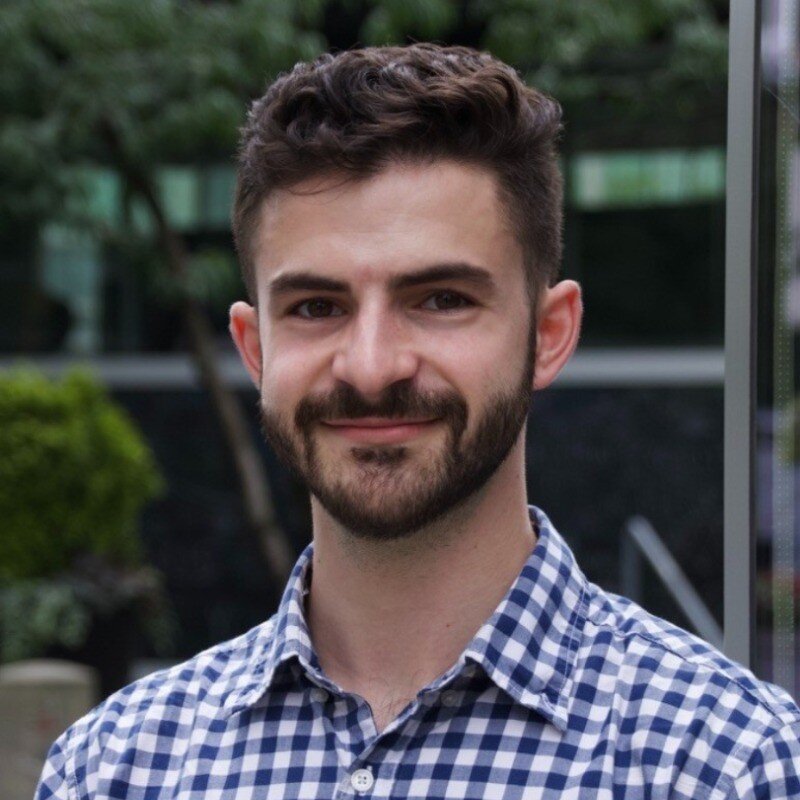
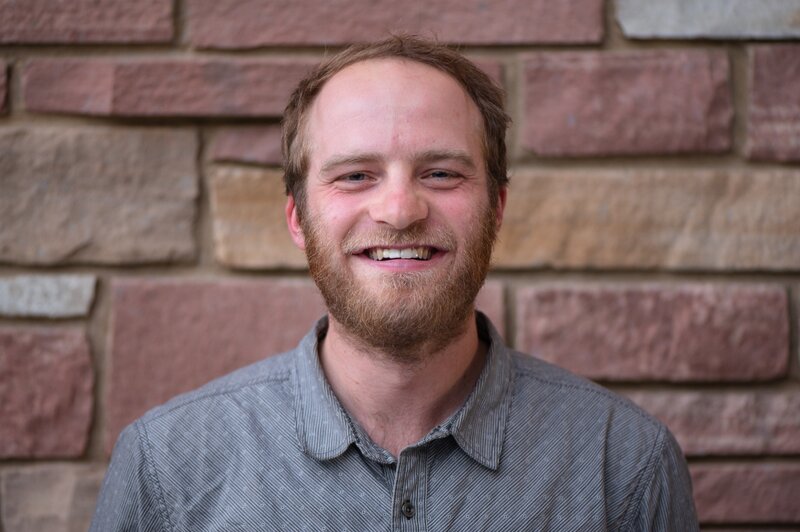
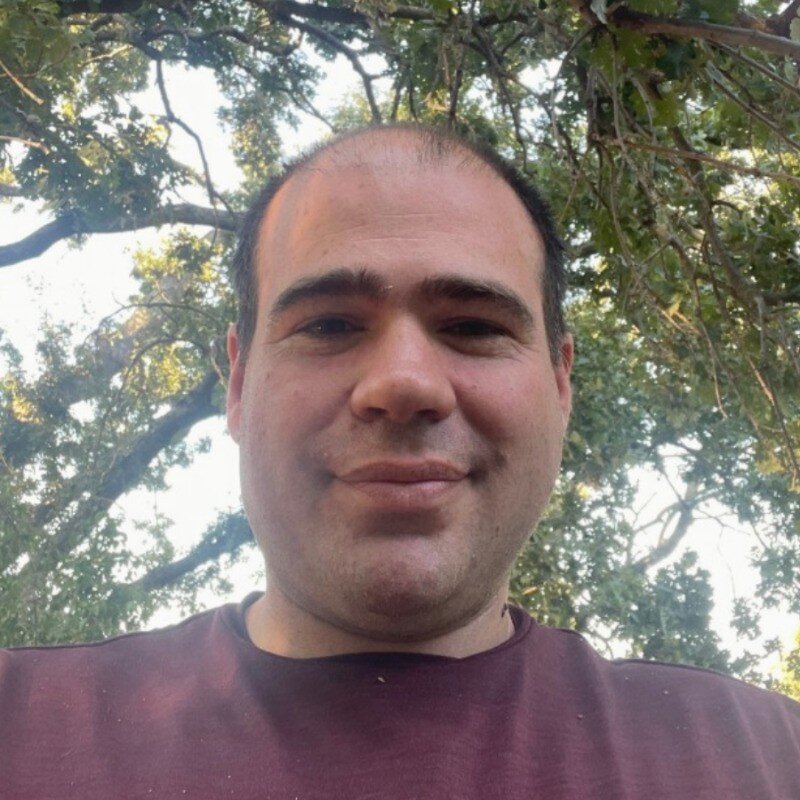
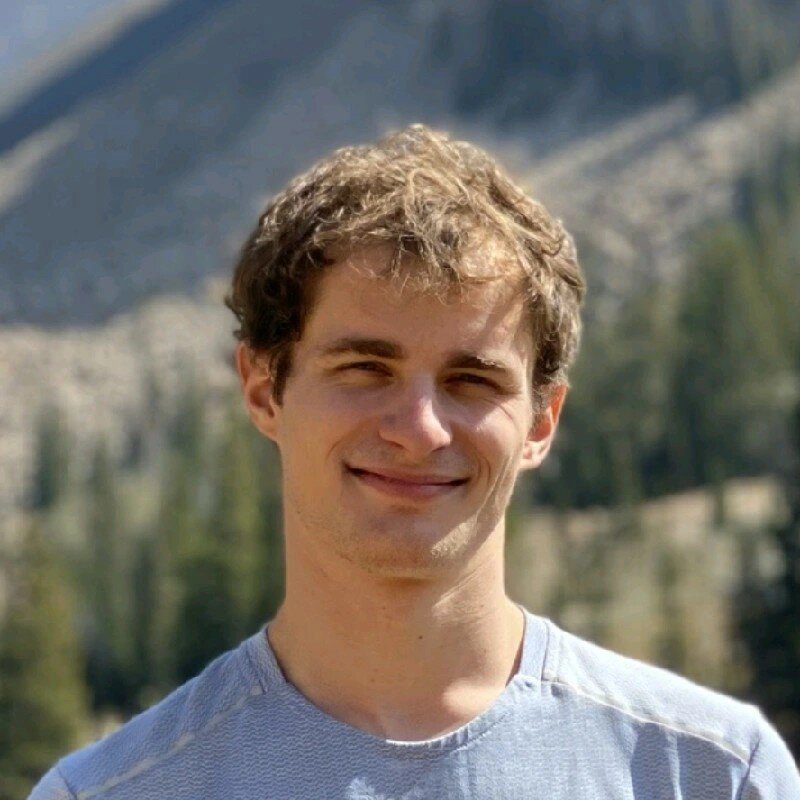
James is a Researcher at OpenAI working on model personality, post-training, and personalization.
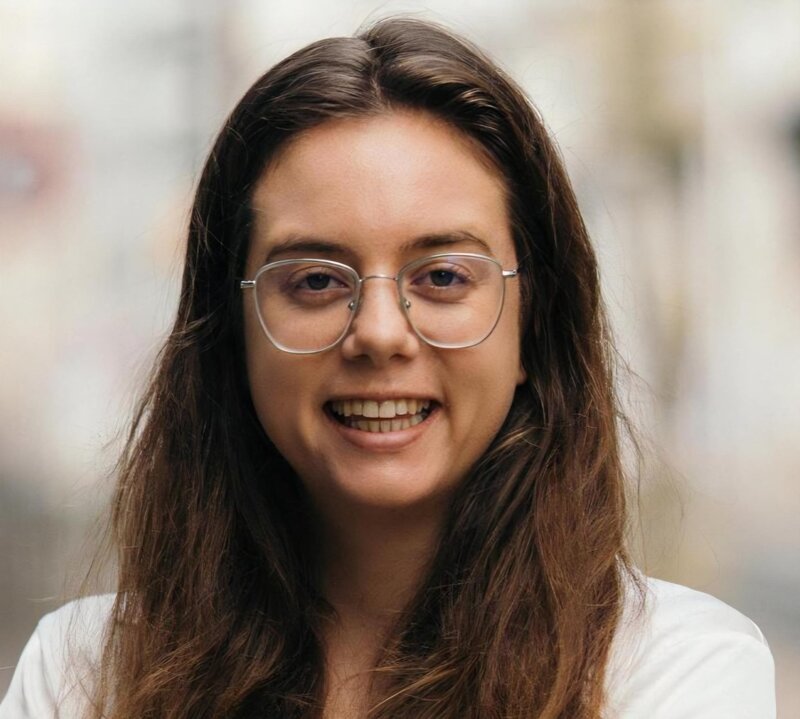
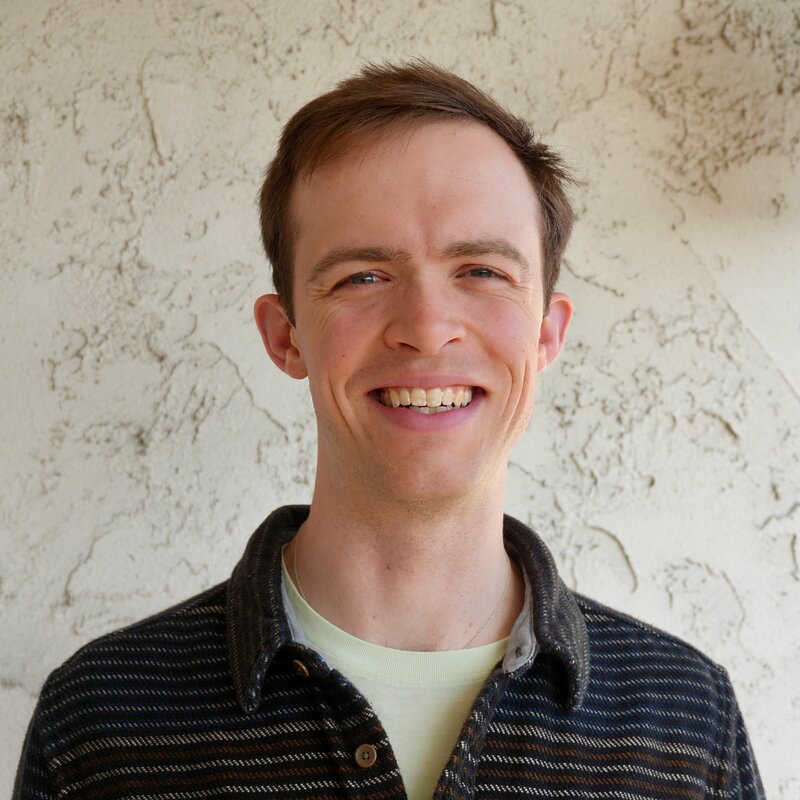
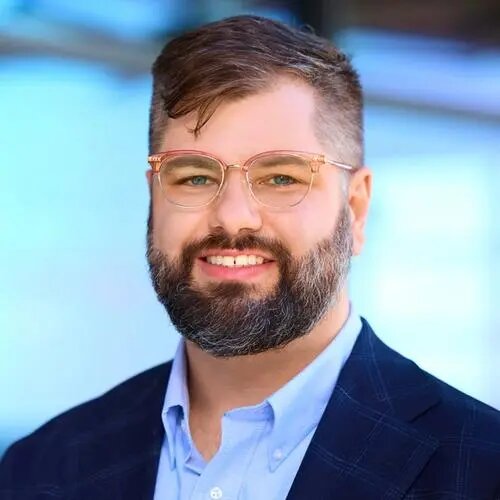
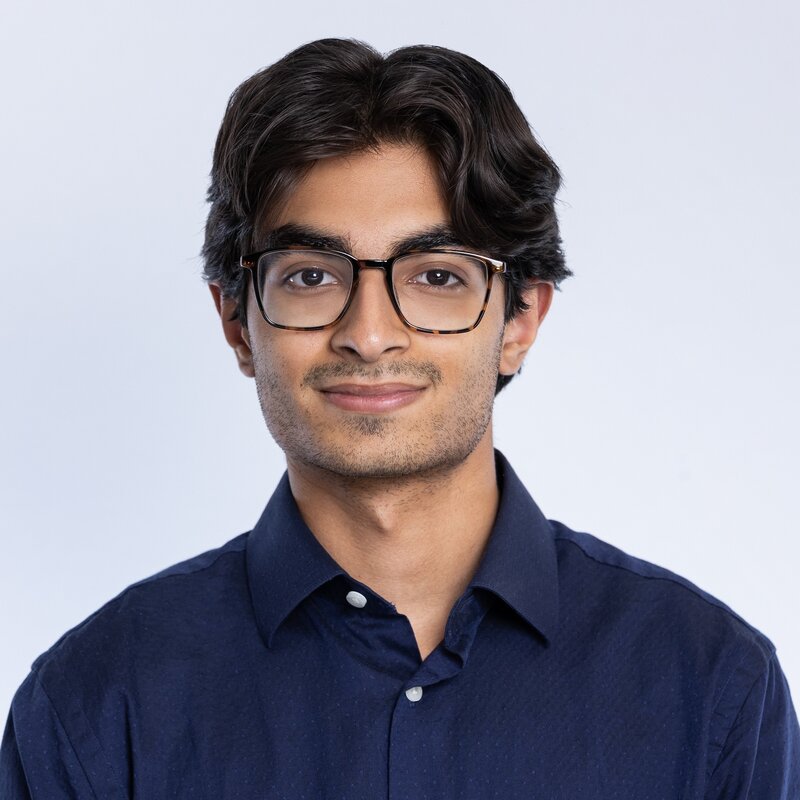
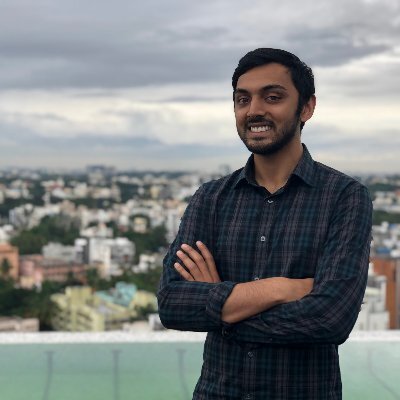
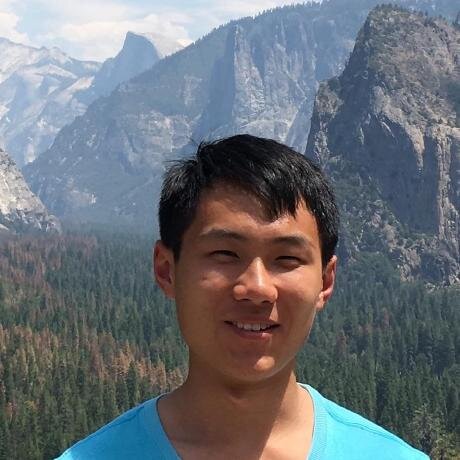
Gabriel Wu is an AI alignment researcher at OpenAI. Previously, he directed the AI Safety Student Team at Harvard, where he earned a Master's degree in Computer Science and a bachelor's degree in Mathematics.
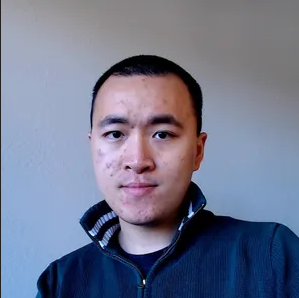
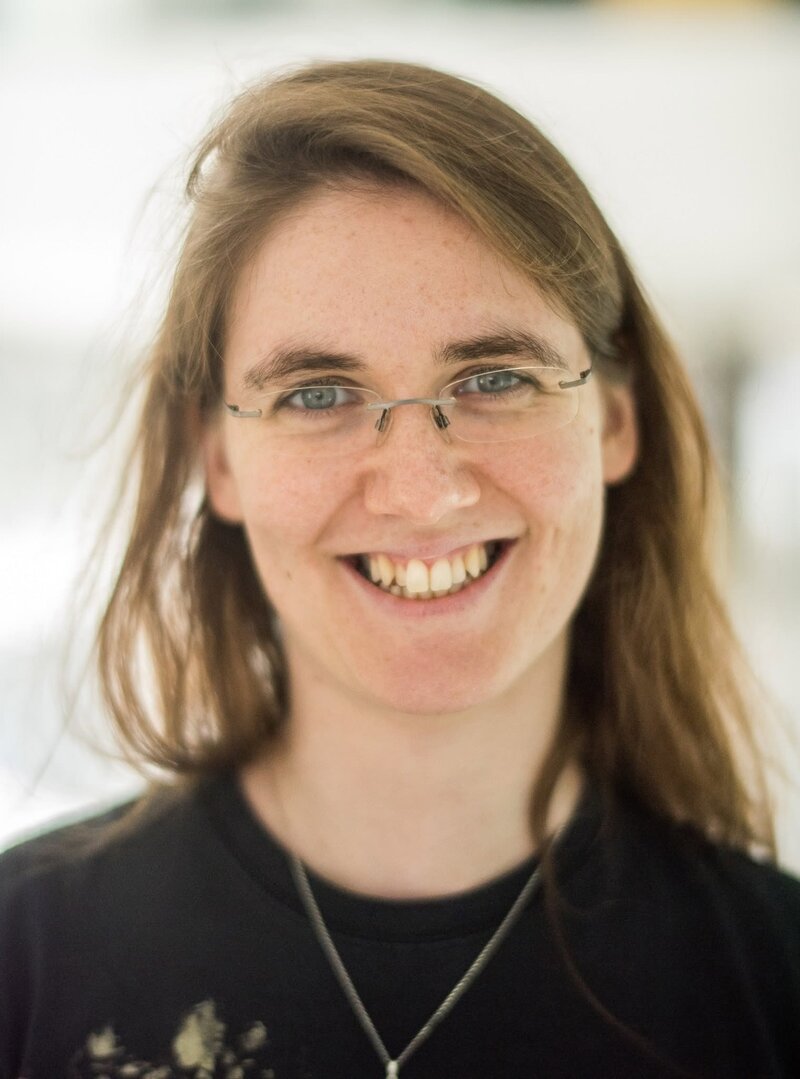
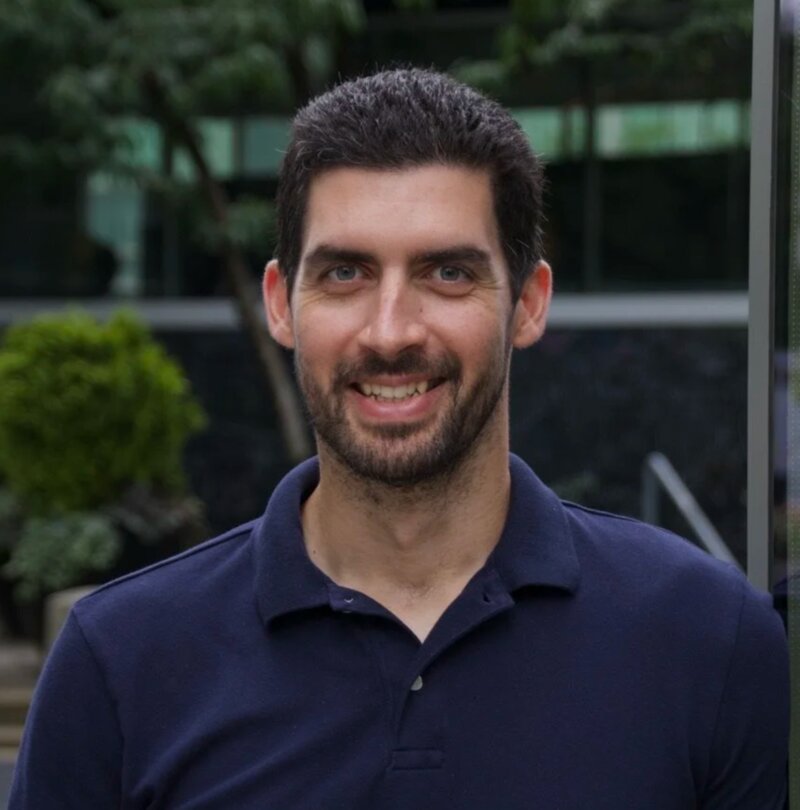
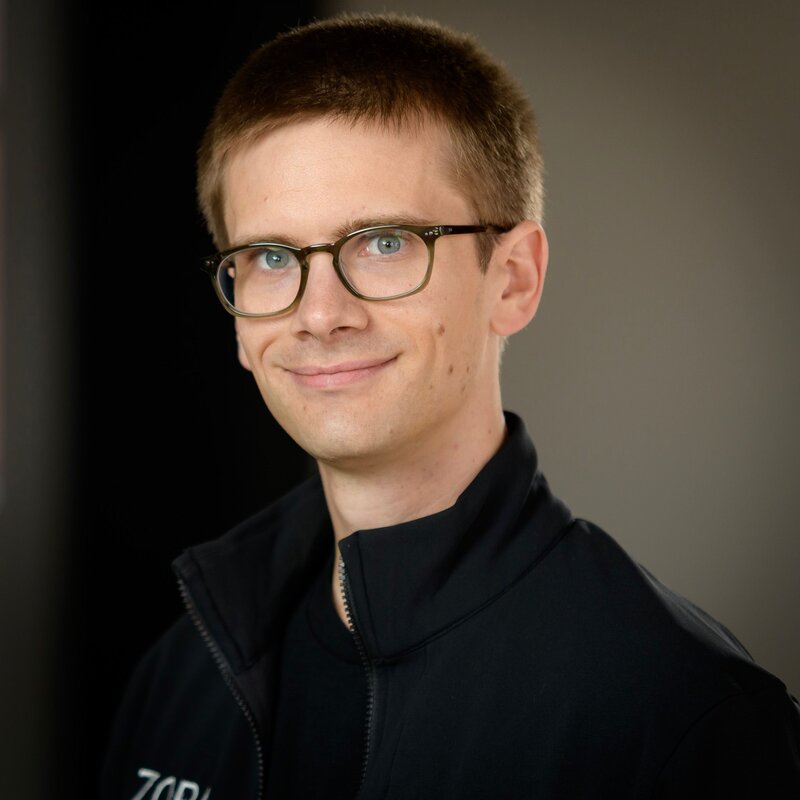
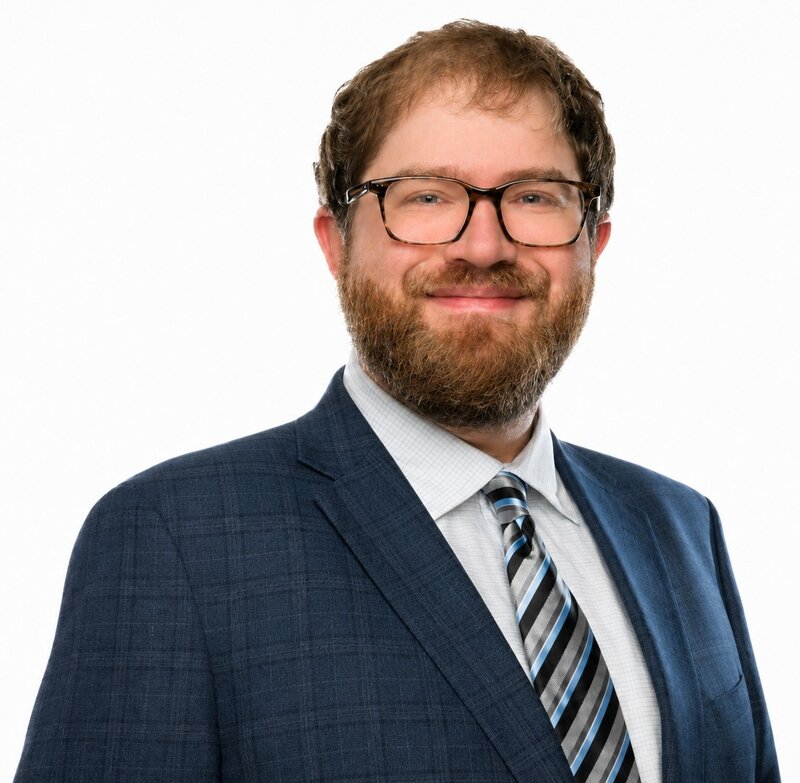
Evan is a research scientist at SecureBio Detection, where he works on computational pipelines and detection methods for uncovering threats in deep metagenomic sequencing data. Prior to transitioning his career into biosecurity, he was the VP of data science and engineering at Zoba, a startup providing optimization services to the shared mobility industry. He holds a PhD in operations research and, in his free time, devotes lots of thought cycles to sourdough pizza.
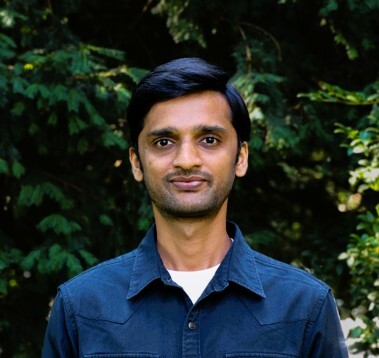
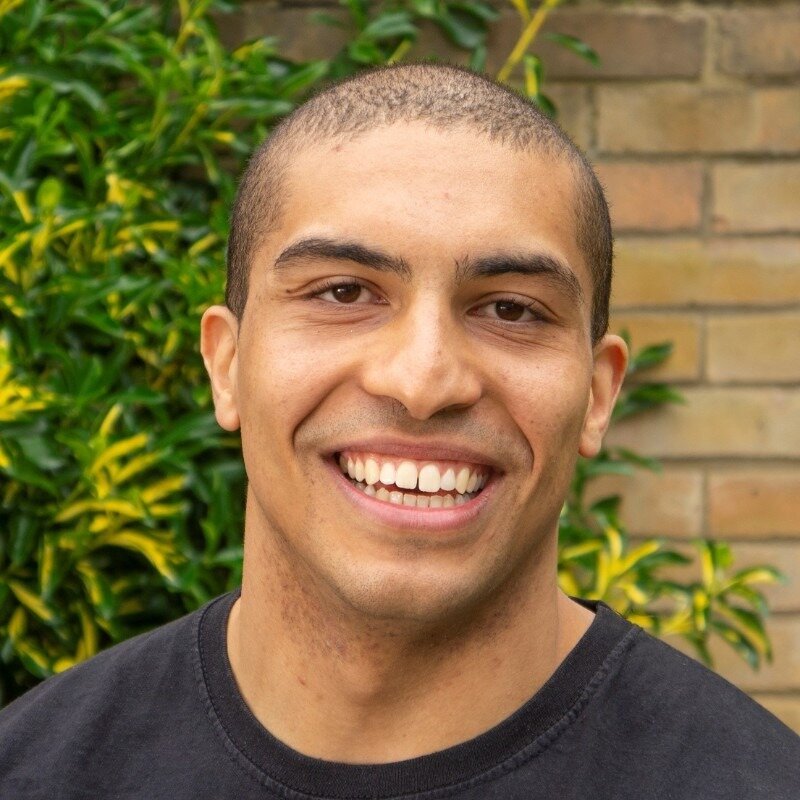
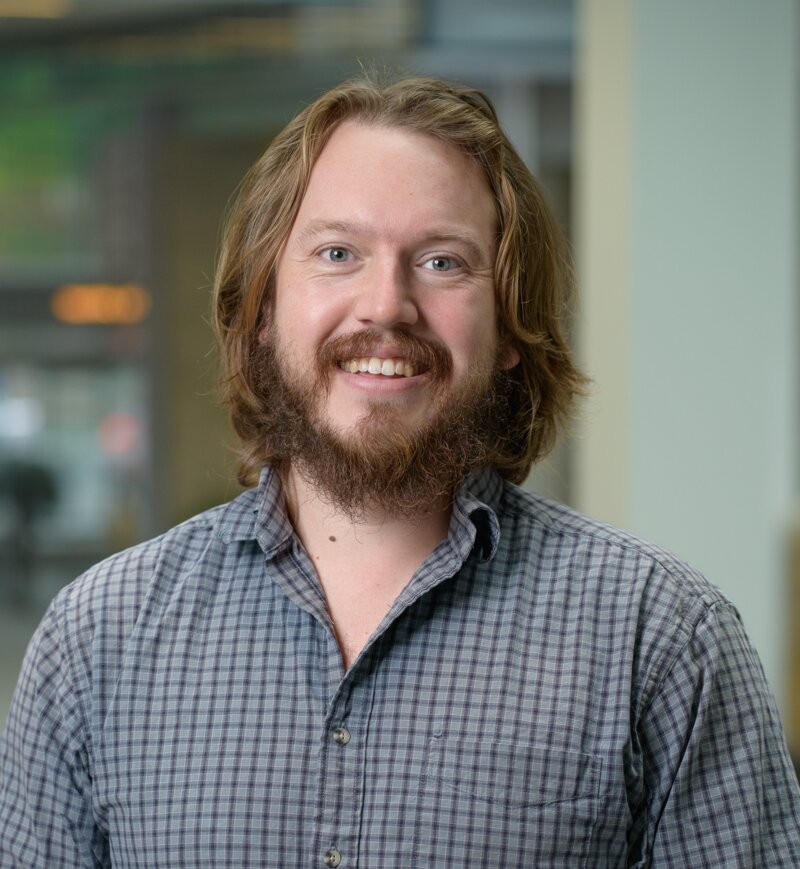
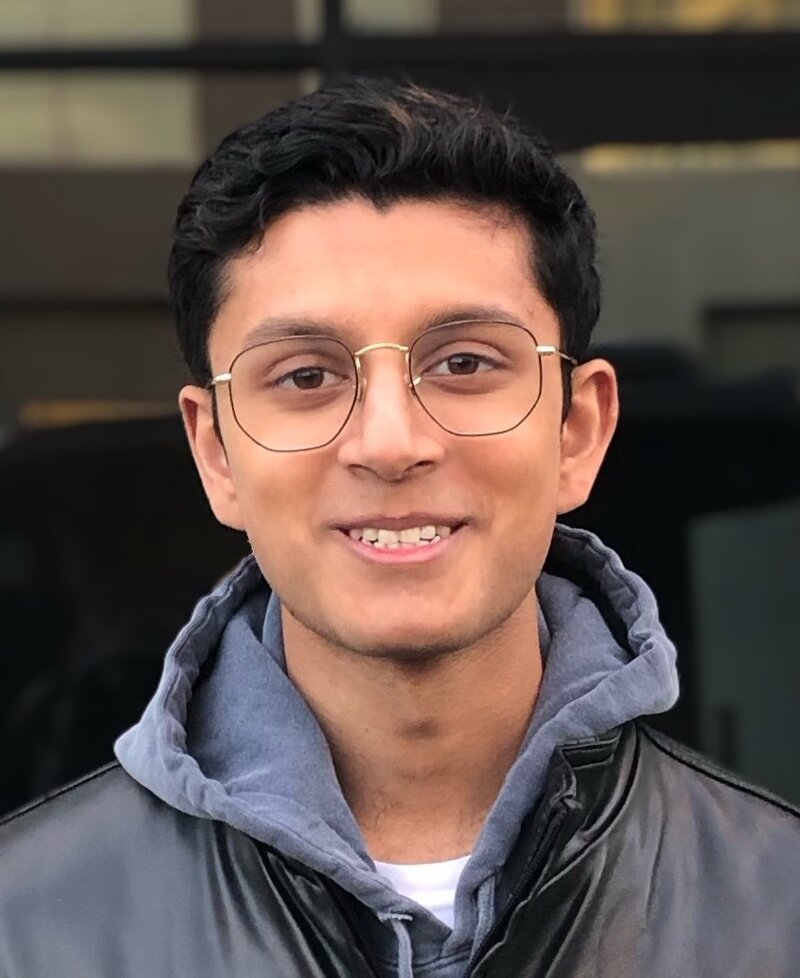
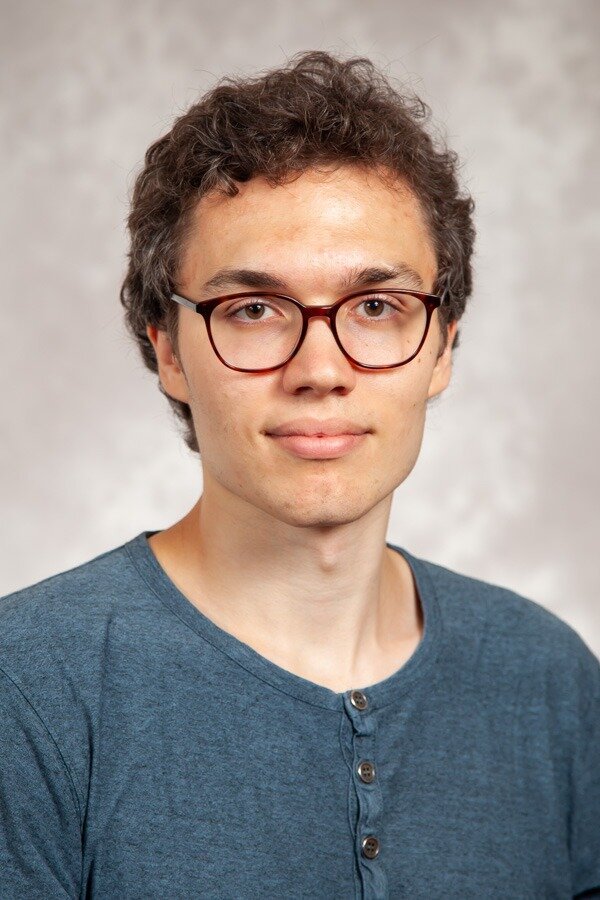
Xiangyu is a researcher at OpenAI, where he works to make LLMs robust. Previously, he obtained his Ph.D. from Princeton University, advised by Prof. Prateek Mittal and Prof. Peter Henderson.
Ollie is a researcher on OpenAI’s Alignment team interested in red-teaming and control. He was previously on the Control team at UK AISI.
Tom is a research scientist at OpenAI, working on interpretability of language models, for AI safety. He was also a core developer of scikit-learn between 2015 and 2022.
Juan is a researcher in OpenAI’s Safety Systems team. He is broadly interested in mitigating catastrophic risks. He works on adversarial robustness training and automated red-teaming (recent work).
Kaiwen is a researcher at OpenAI working on AI Safety and RL. He earned his Ph.D. from Cornell Tech, where he researched and taught RL, causal inference, and LLMs.
He previously worked at Google, Microsoft, and Netflix on projects spanning core RL theory to scalable LLM algorithms. Before grad school, Kaiwen spent two years at Facebook building the RL Platform.
Sam is a Research Engineer on OpenAI’s Alignment team. He previously worked in NYU’s Alignment Research Group on scalable oversight and as a Software Engineer at Amazon. His research includes training language models to win debates with self-play, and recent OpenAI work on auto-review for agent actions.
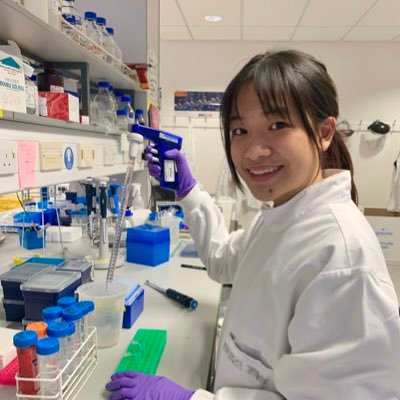
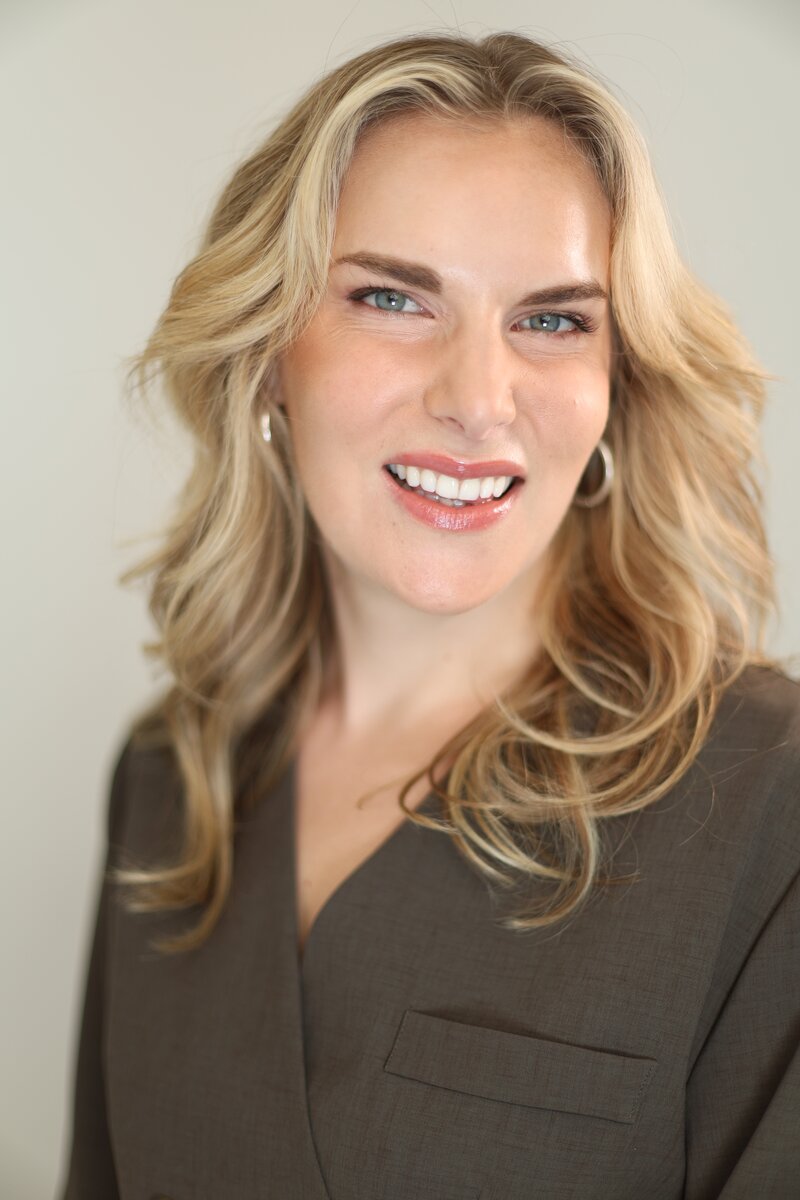
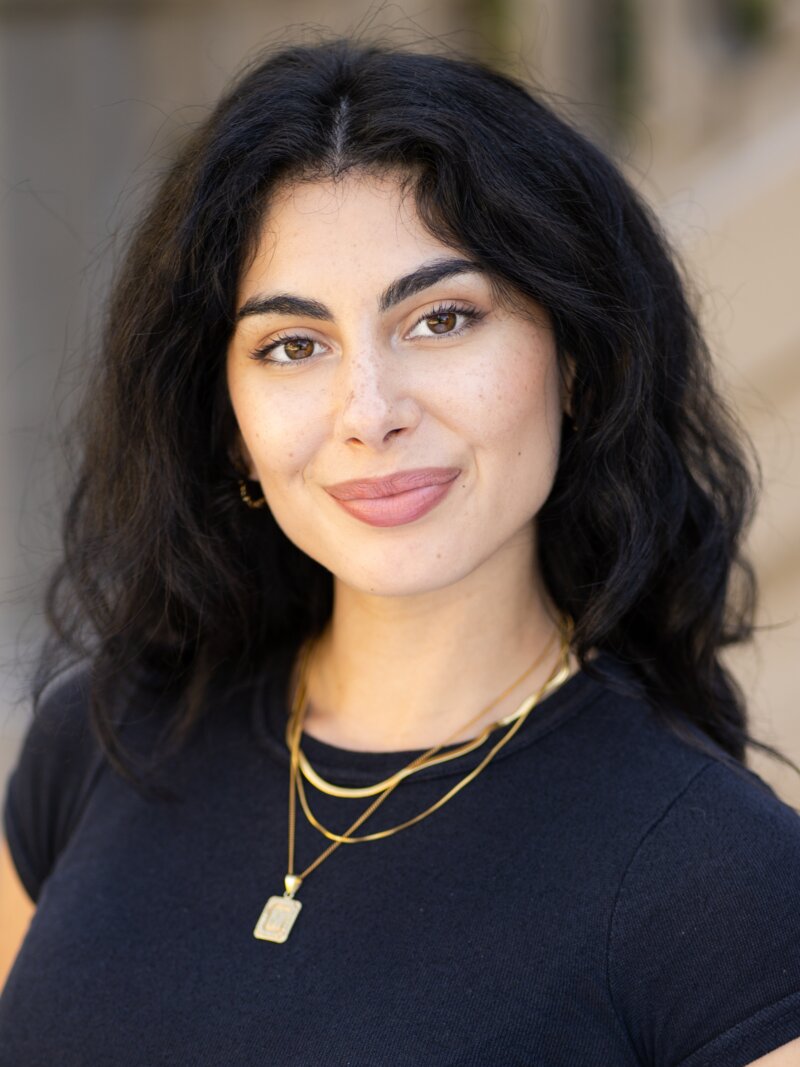
Janika Schmitt is a Program Officer at Sentinel Bio, a philanthropic fund focused on biotechnology governance.
Previously, she was a Non-Resident Fellow at the Institute for Progress, conducted virology research for her medical doctorate at the University of Cambridge, and worked on pathogen early warning at MIT. She has held fellowships at the Johns Hopkins Center for Health Security, the German Center for Infection Research, and Foresight Institute.
Janika is a licensed physician in Germany and studied medicine in Heidelberg, Oxford, and at Charité Berlin.
The MATS Program is a 10-week research fellowship designed to train and support emerging researchers working on AI alignment, transparency and security. Fellows collaborate with world-class mentors, receive dedicated research management support, and join a vibrant community in Berkeley focused on advancing safe and reliable AI. The program provides the structure, resources, and mentorship needed to produce impactful research and launch long-term careers in AI safety.
MATS mentors are leading researchers from a broad range of AI safety, alignment, governance, field-building and security domains. They include academics, industry researchers, and independent experts who guide scholars through research projects, provide feedback, and help shape each scholar’s growth as a researcher. The mentors represent expertise in areas such as:
Key dates
Application:
The main program will then run from September 28th to December 4th, with the extension phase for accepted fellows beginning in December.
MATS accepts applicants from diverse academic and professional backgrounds - from machine learning, mathematics, and computer science to policy, economics, physics, cognitive science, biology, and public health, as well as founders, operators, and field-builders without traditional research backgrounds. The primary requirements are strong motivation to contribute to AI safety and evidence of technical aptitude, research potential, or relevant operational experience. Prior AI safety experience is helpful but not required.
Applicants submit a general application, applying to various tracks (Empirical, Theory, Strategy & Forecasting, Policy & Governance, Systems Security, Biosecurity, Founding & Field-Building.
In stage 2, applicants apply to streams within those tracks as well as completing track specific evaluations.
After a centralized review period, applicants who are advanced will then undergo additional evaluations depending on the preferences of the streams they've applied to before doing final interviews and receiving offers.
For more information on how to get into MATS, please look at this page.