MATS mentors are advancing the frontiers of AI alignment, transparency, and security




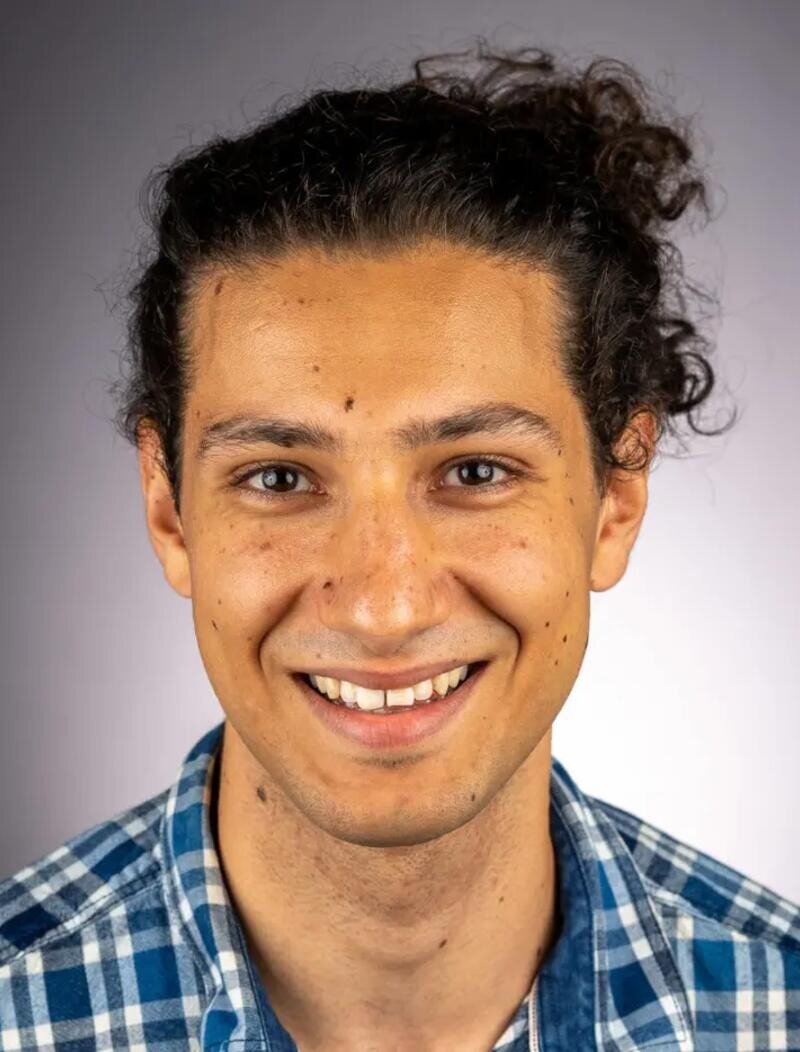
OIi(ver) is a computer scientist (a staff member at LawZero and postdoc under Yoshua Bengio) with unusually broad scientific and mathematical expertise.
He is a sucker for pretty demos and grand unifying theories—unfortunately, sometimes losing sight of what is practical. Over the last few years (i.e., during his PhD at Cornell), Oli has discovered a beautiful theory describing how a great deal of artificial intelligence, classical and modern, can be fruitfully understood as resolving a natural information-theoretic measure of epistemic inconsistency. There remain many unanswered questions, but the hope is that this already much clearer view can lead to powerful generalist AI systems that are safer because they fundamentally do not meaningfully have goals or desires.
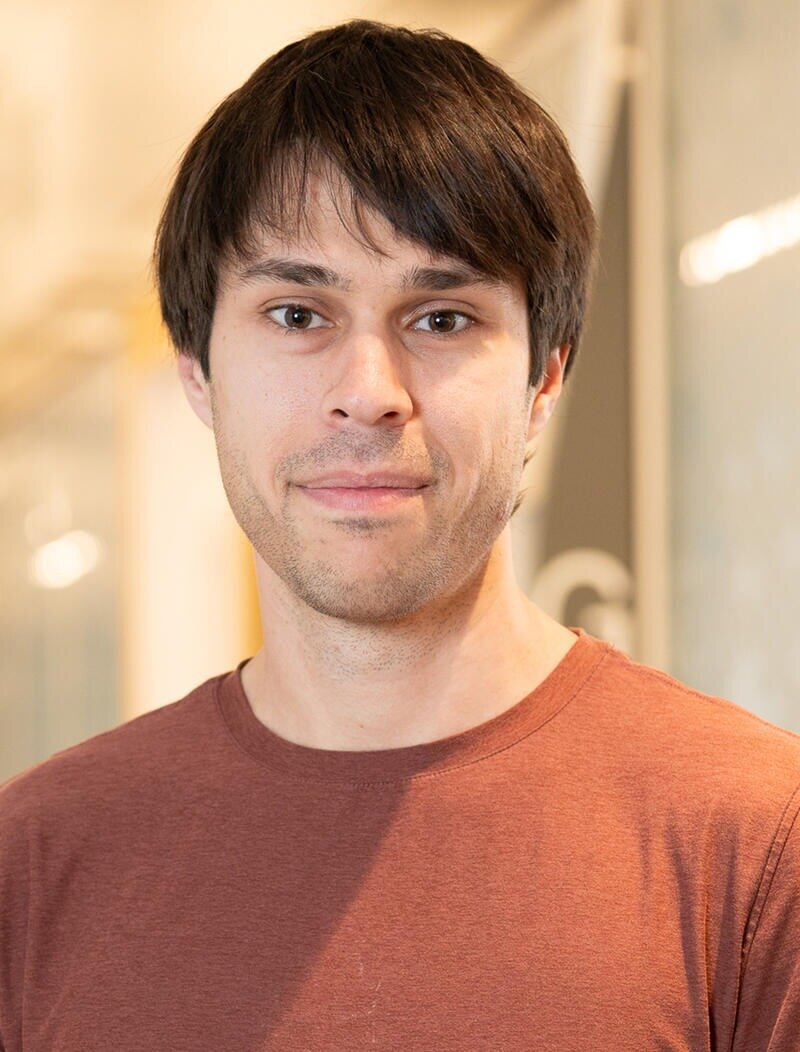
Jean-Pierre is a machine learning research scientist at LawZero, focused on designing model-based AI systems with quantitative safety guarantees. His primary interests are in probabilistic inference in graphical models, and he draws inspiration from his multidisciplinary background in neurology and neuroscience, which informs his understanding of human cognition. Jean-Pierre studied at McGill University, obtaining a medical degree in 2017, completing a neurology residency in 2022, and earning a master's degree in neuroscience in 2023. During his master’s, he developed causal machine learning methods for precision medicine. Concurrently with his work at LawZero, Jean-Pierre is completing a PhD in computer science at Mila and Université de Montréal, supervised by Yoshua Bengio. In addition to contributing to the foundations of guaranteed-safe AI, Jean-Pierre is passionate about translating advances in AI into clinically meaningful, safety-critical applications.
Dylan is a safety researcher at OpenAI, where he works on curating better/safer training data and monitoring models for harmful behavior.
Before that, he completed a PhD in the Machine Learning Department at CMU.

Hani is a software engineer at OpenAI.
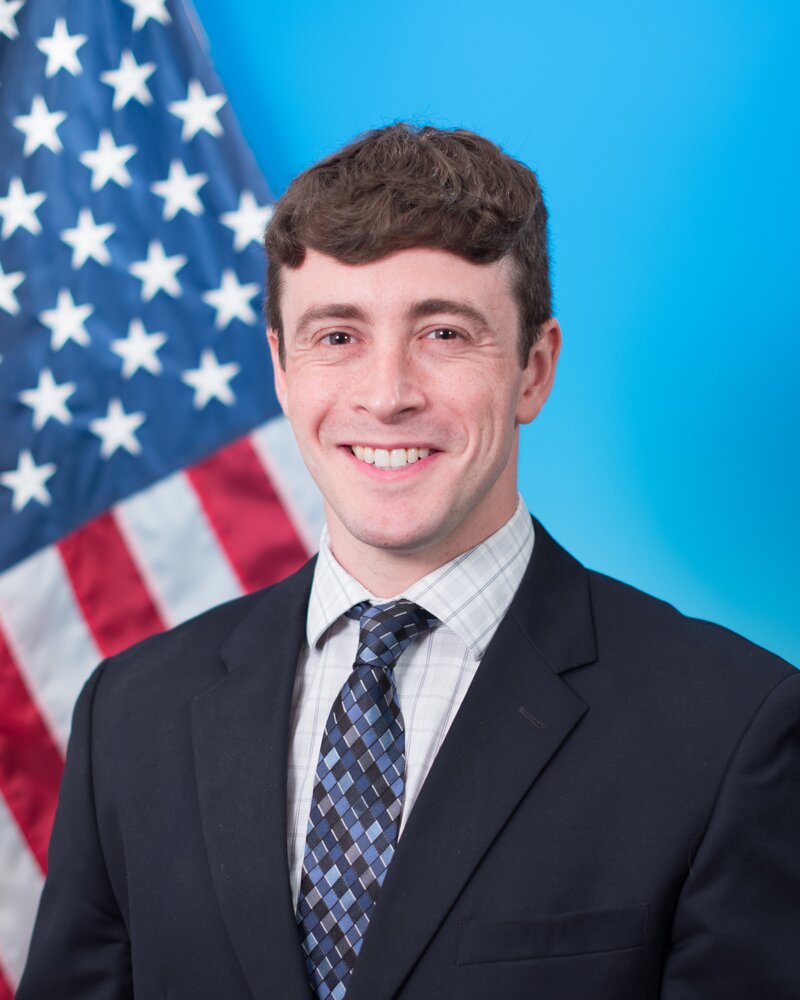
Byron Cohen is an AI and Biosecurity Research Resident at RAND, where he works on AI-biosecurity risk assessment and policy research. Previously, he served as a biosecurity advisor at DARPA’s Biological Technologies Office, where he advised on biosurveillance, attribution, epidemiological modeling, and AI:bio uplift risk. Before that, he served as Advisor for Interagency R&D Oversight at the White House Office of Pandemic Preparedness and Response Policy (OPPR). An epidemiologist by training, he holds a PhD in population health sciences from Harvard University, and has conducted peer-reviewed epidemiological modeling research on biosafety and global health security.
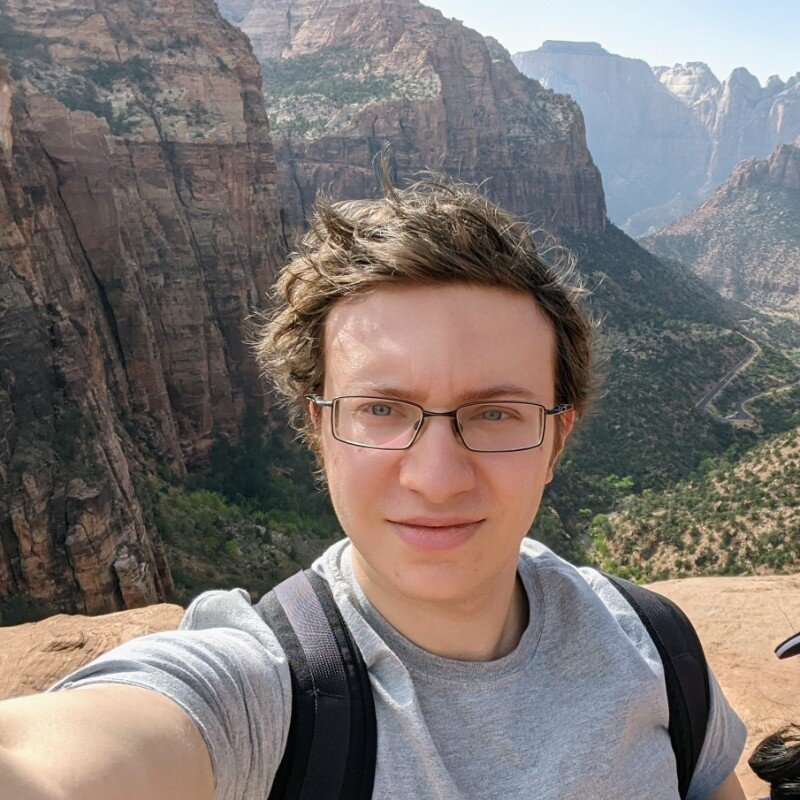
Isak is a Member of Technical Staff at OpenAI. Previously a Software Engineer at Google, he worked on applications of computer vision, natural language processing, and LLMs.
Isak earned a Master of Computer Science at Carnegie Mellon University, with published work in natural language processing, style transfer, multilingual grapheme-to-phoneme modeling, and computer vision.
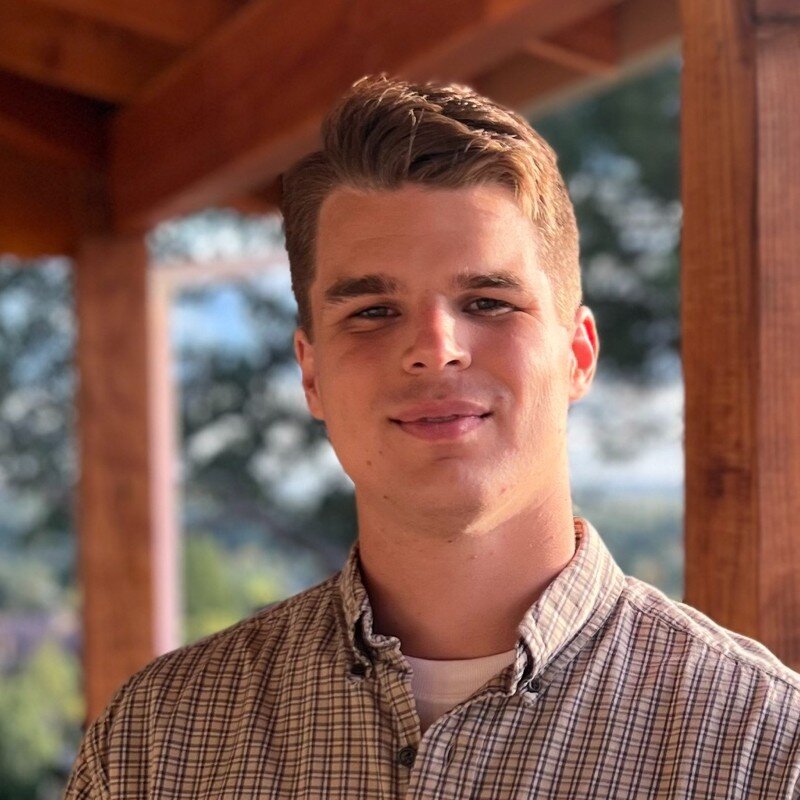
Bijan is a Technical Program Manager at OpenAI. He previously worked as a research engineer at Scale AI, where he coauthored work on LLM jailbreaking and red-teaming workflows.
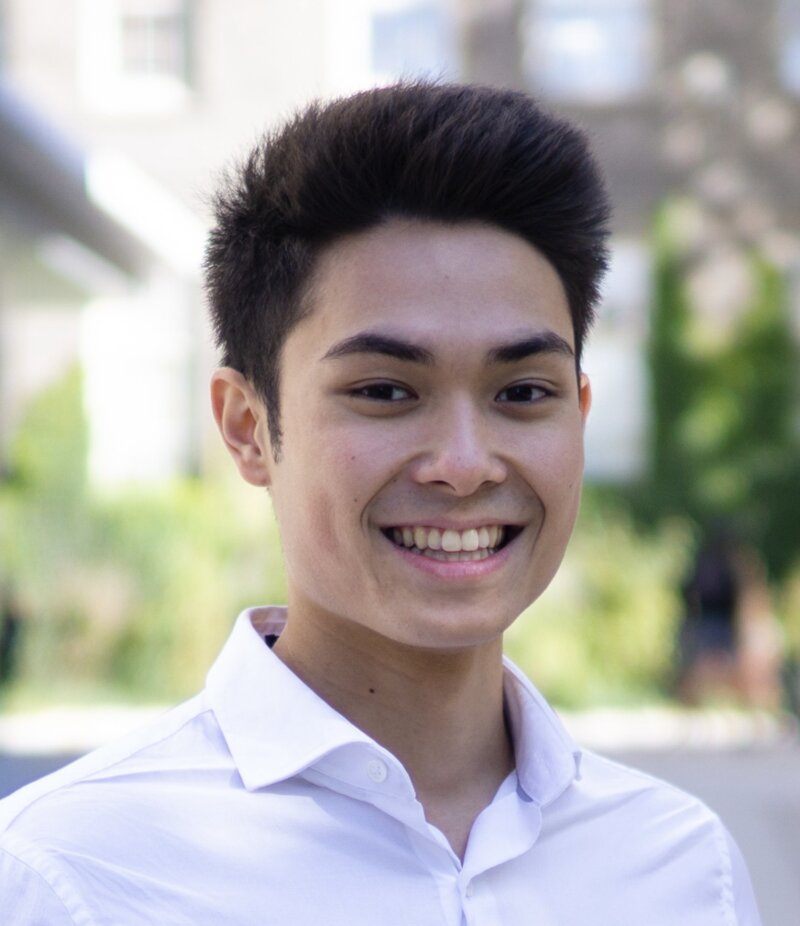
My focus these days is on adversarial machine learning: safety, security, and alignment of frontier models. I am particularly interested in alignment/safety RL and evaluations. In the past, I studied memorization, privacy, and security harms in language modelling, including auditing for risks and mitigating them. I've also worked on DP training algorithms, unlearning, collaborative learning approaches, and methods for ownership-verification.
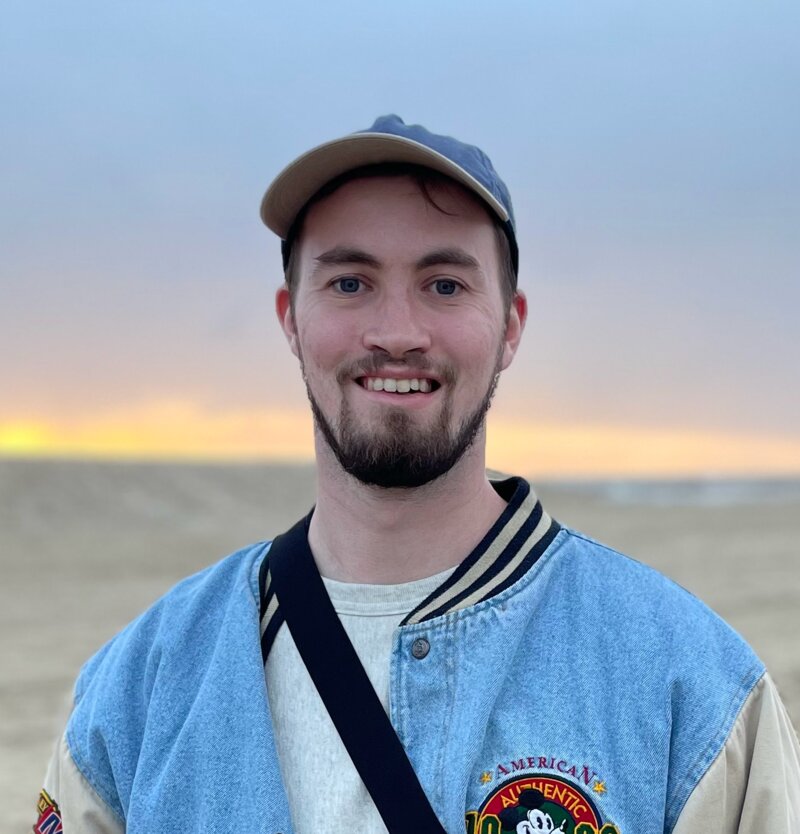
Joseph works in Detections and Response at OpenAI. His public security work includes using large language models to detect malicious macOS activity.

Maja is a researcher at OpenAI, working on techniques for improving control and alignment as AI systems become more capable and agentic. Her team’s work combines longer-horizon research with hands-on deployment. They study long-term questions about how increasingly intelligent systems can be supervised, constrained, and corrected, while also building oversight systems that are used in practice today, both internally and externally (see recent work on code review and action monitoring for codex).