MATS mentors are advancing the frontiers of AI alignment, transparency, and security
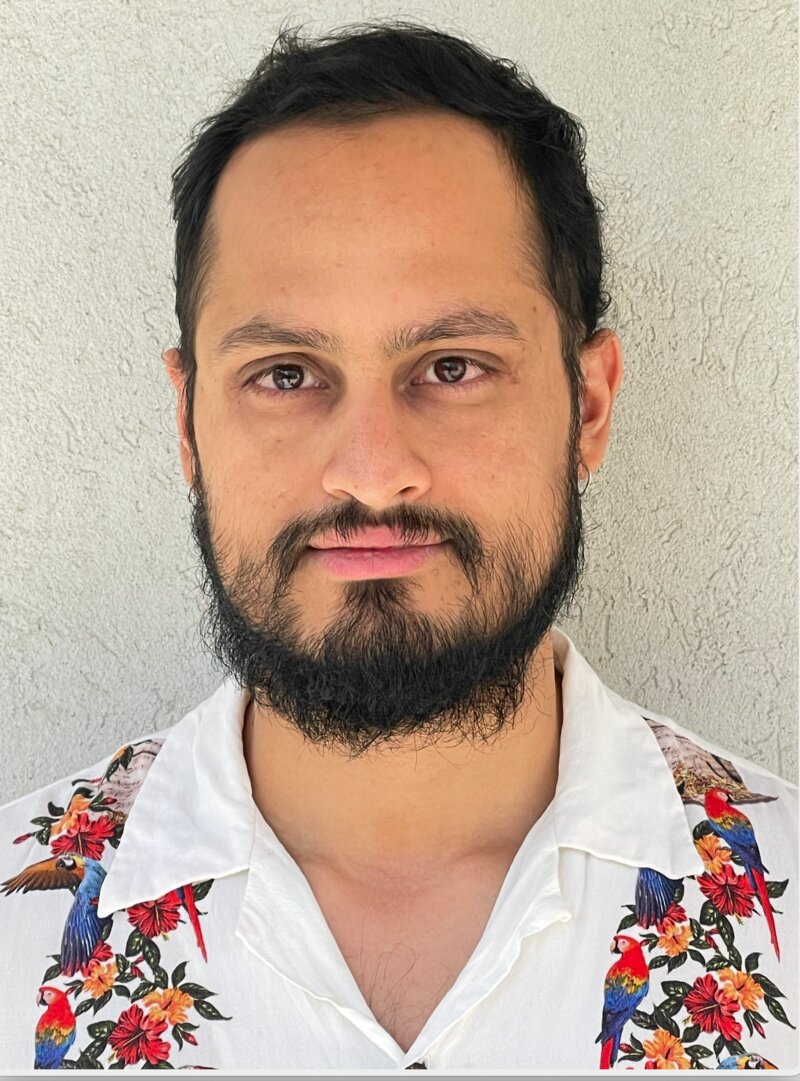
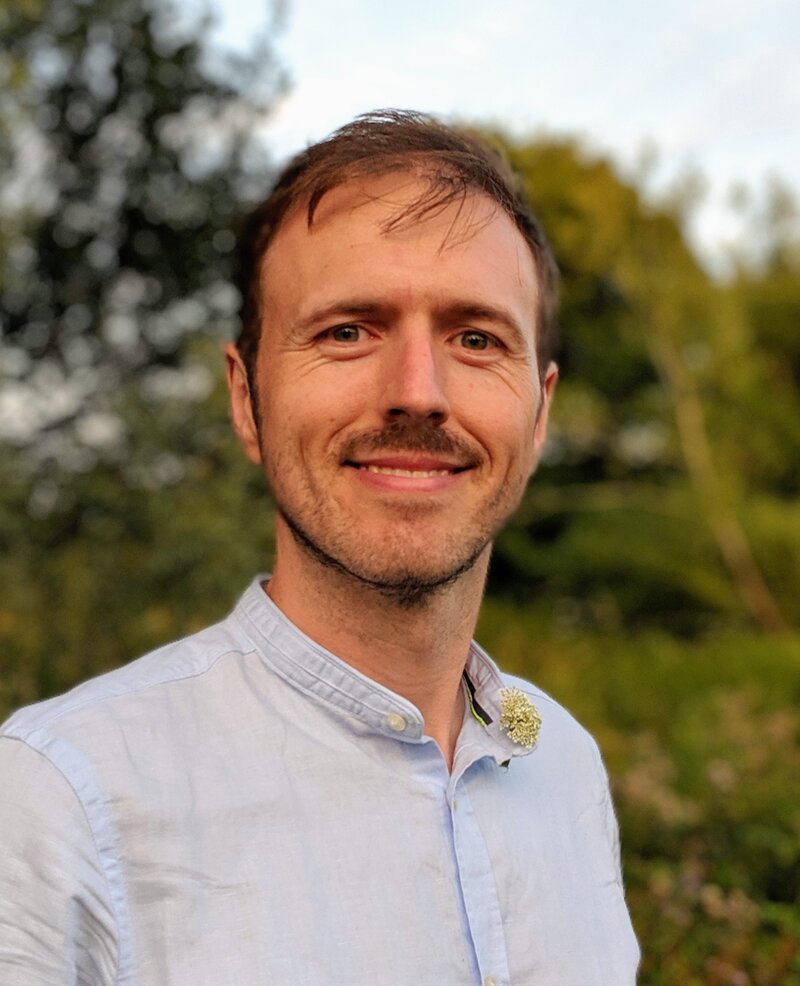
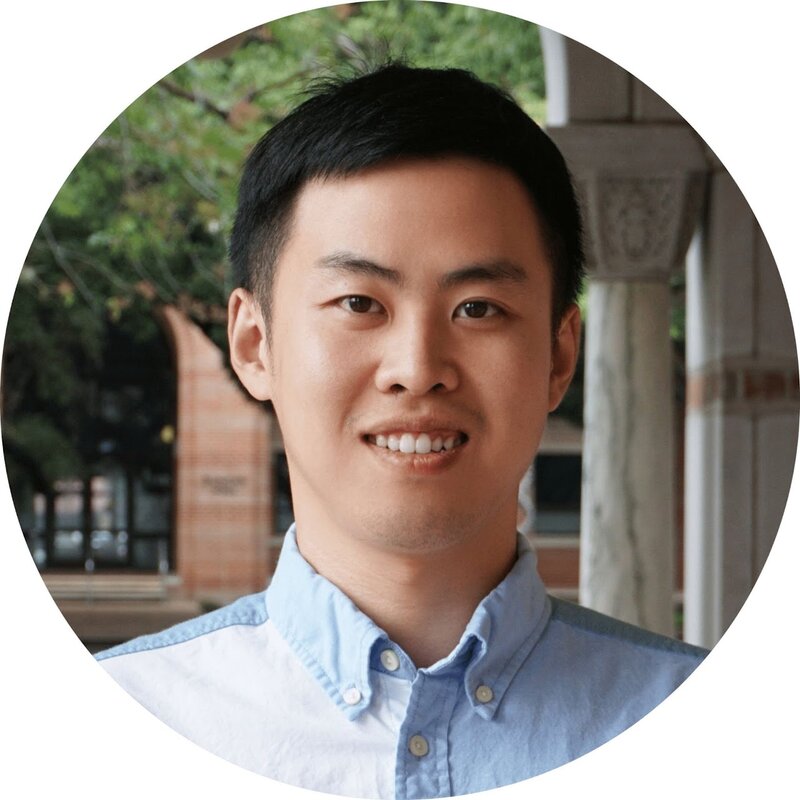
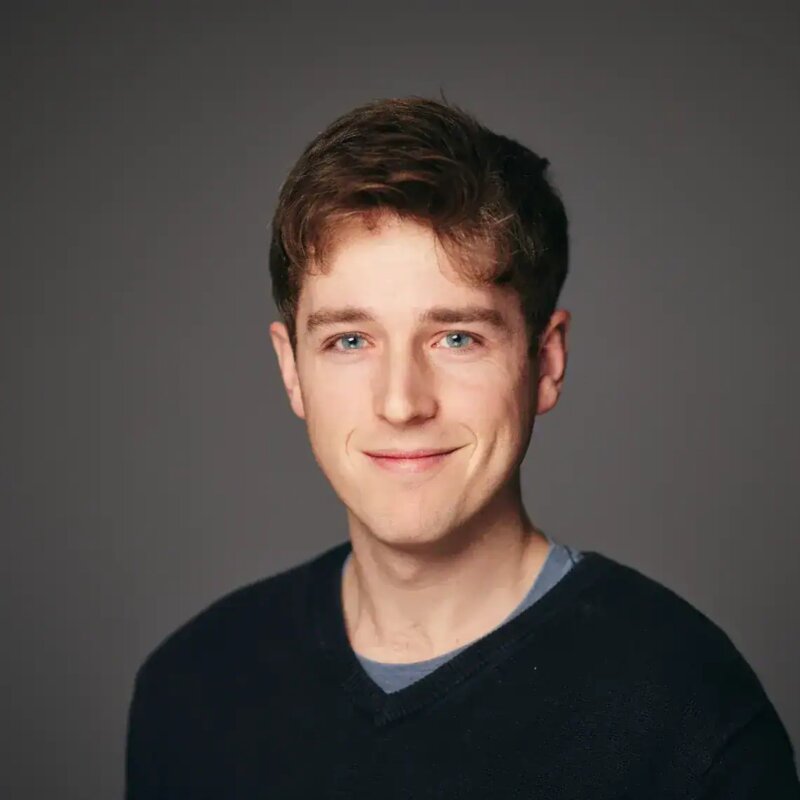
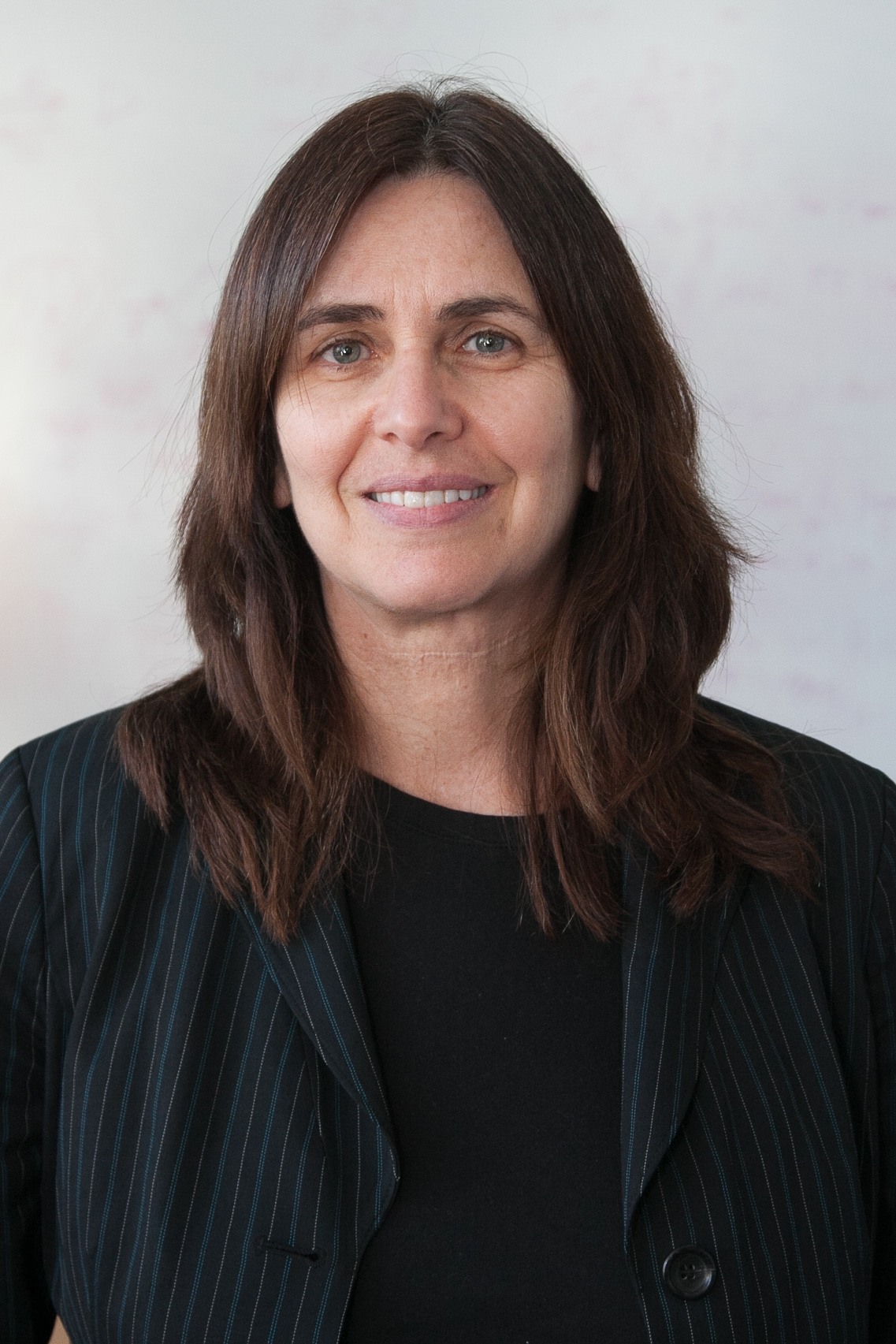
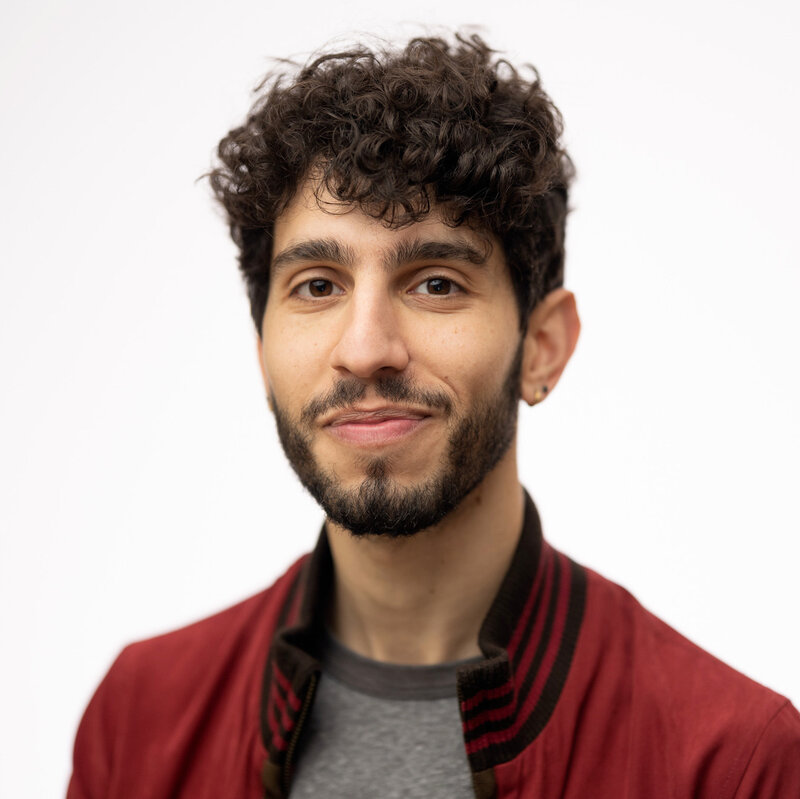
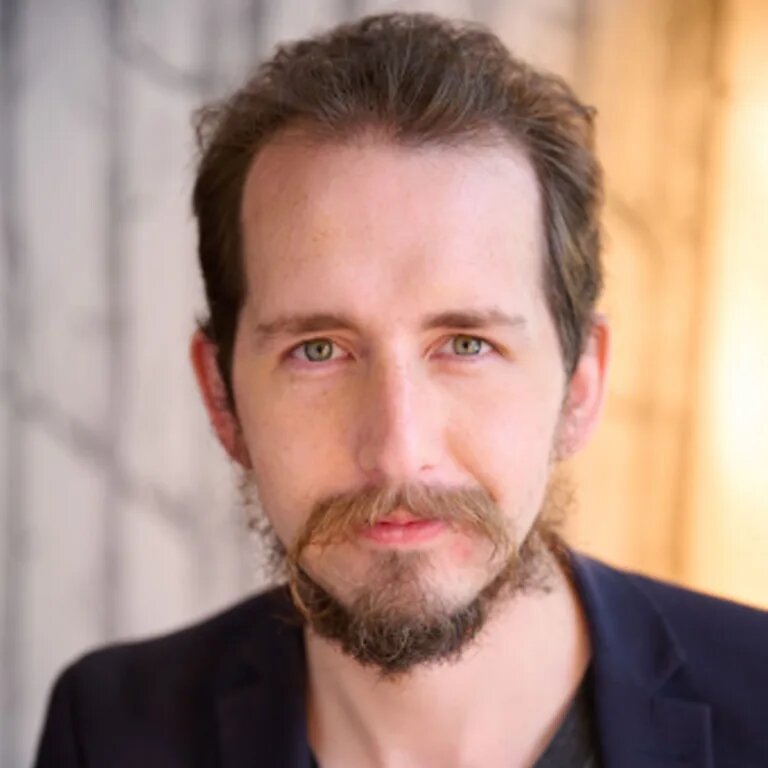

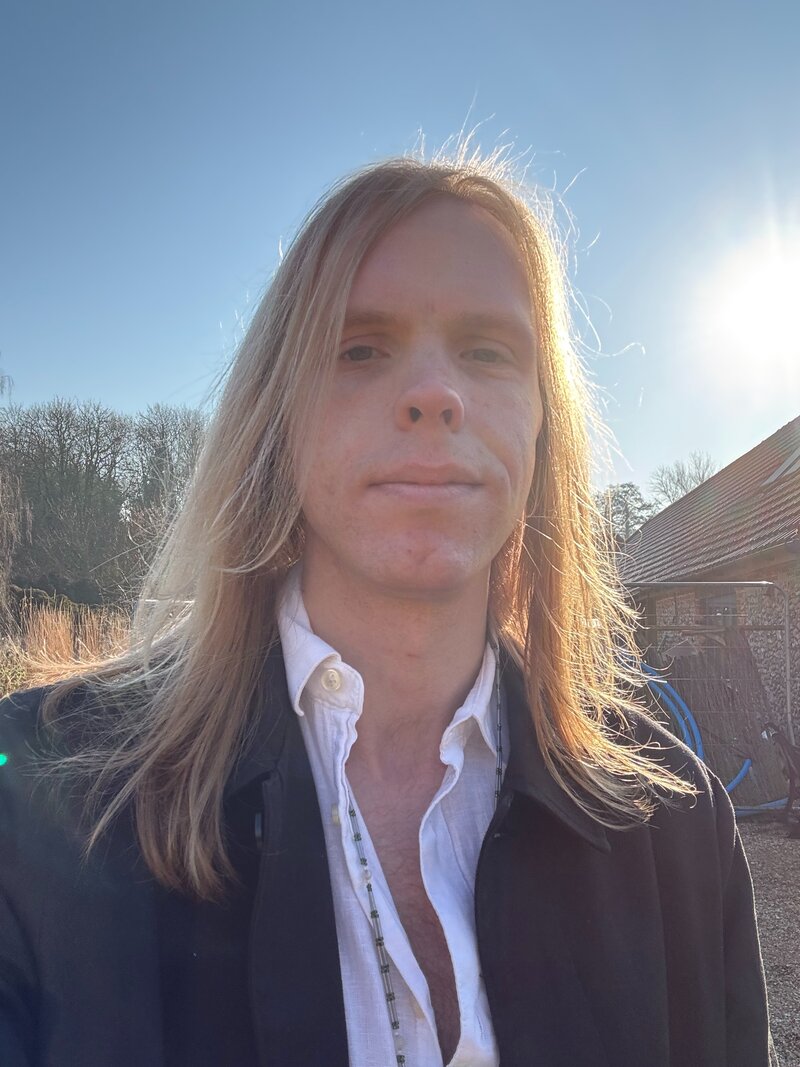
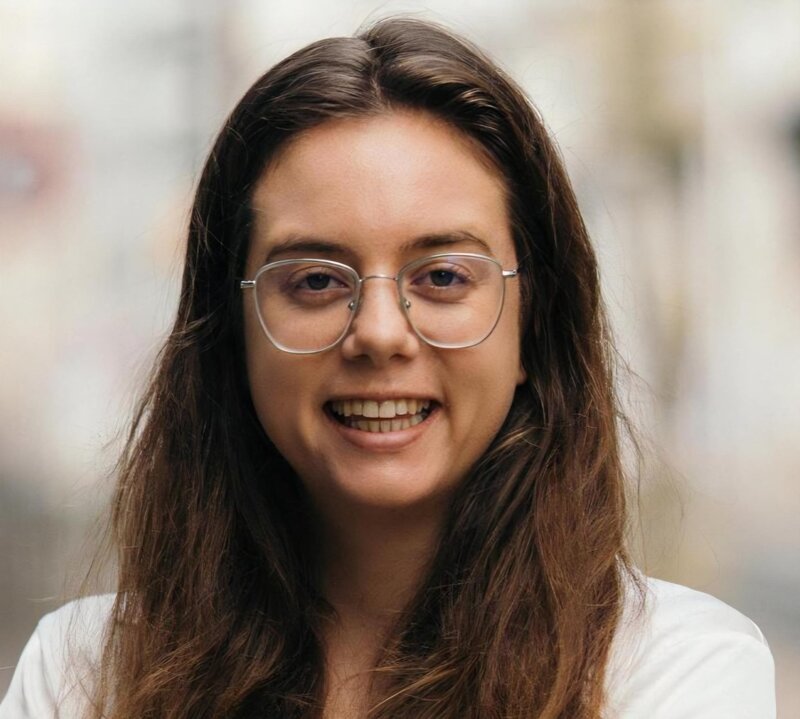
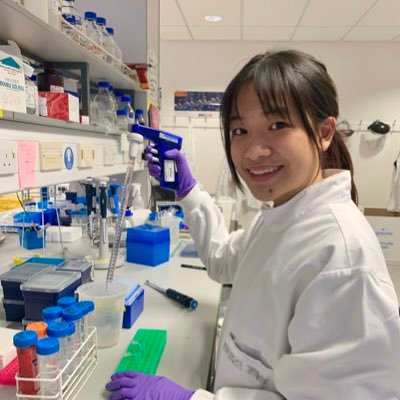

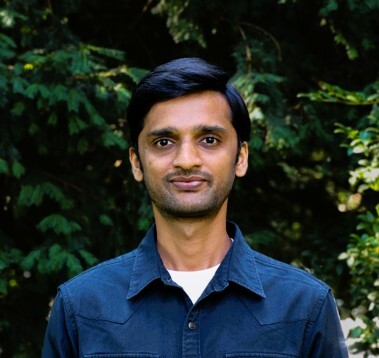
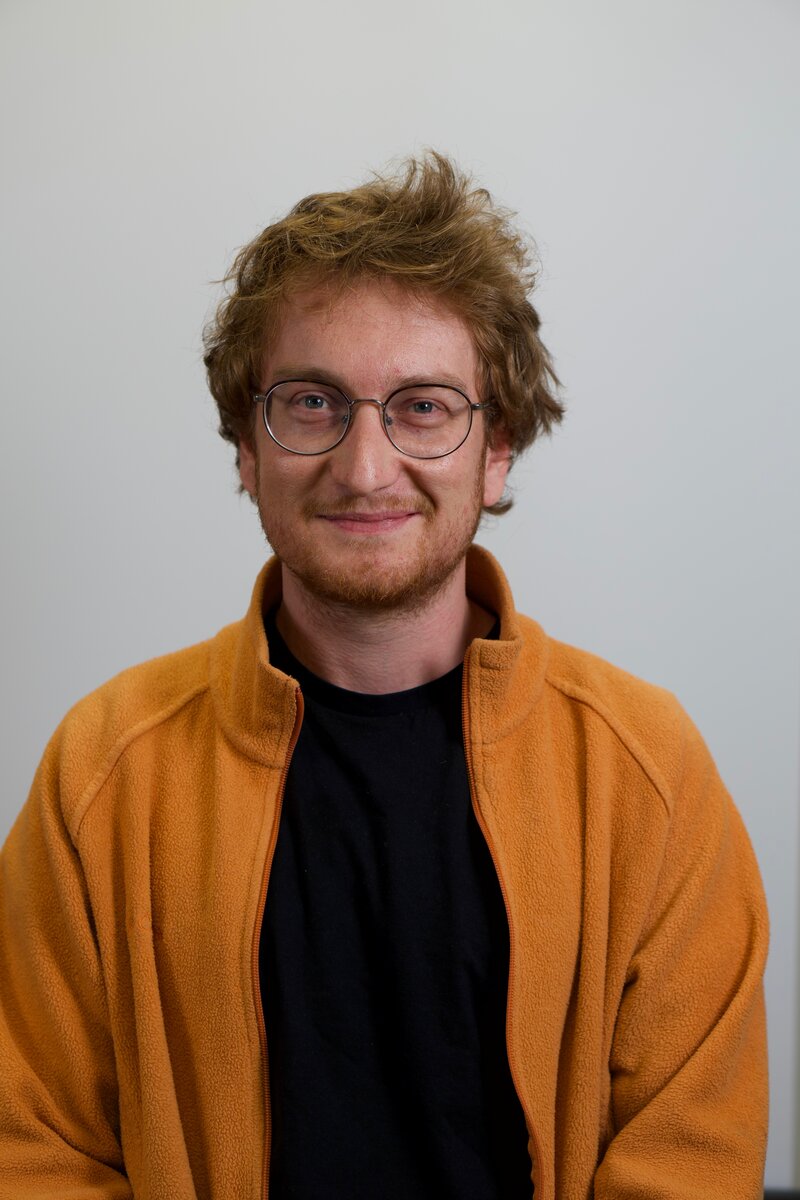
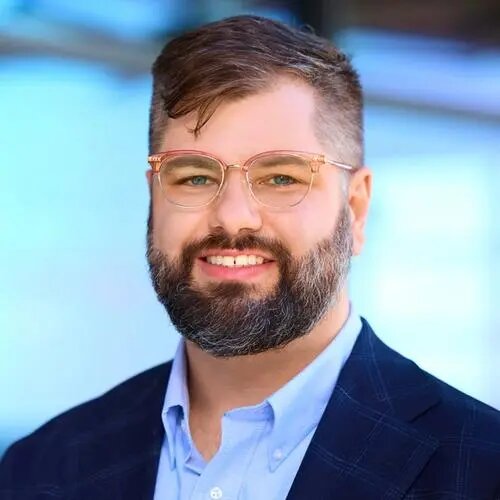
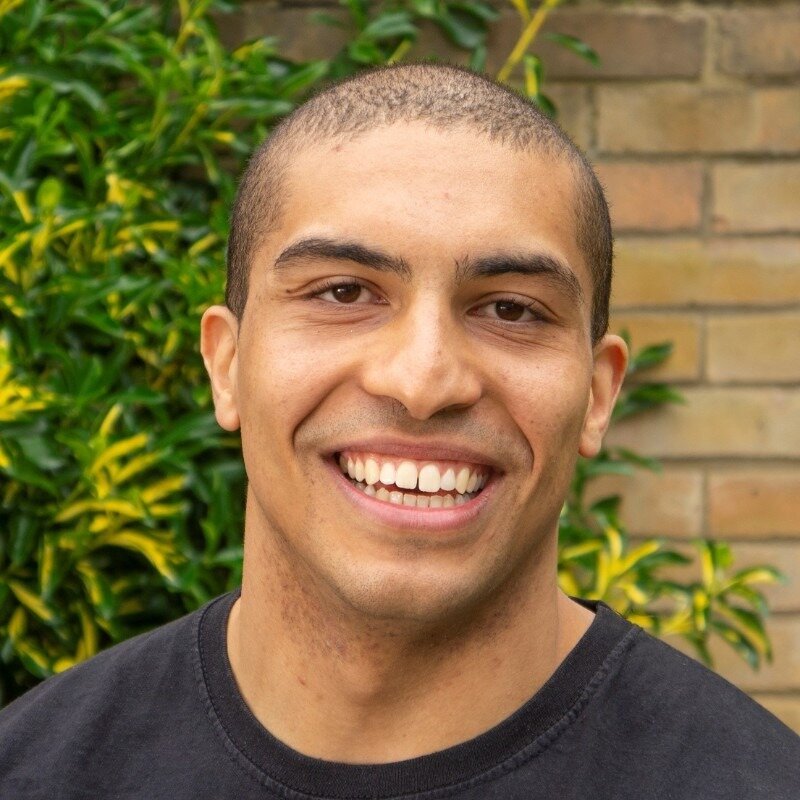
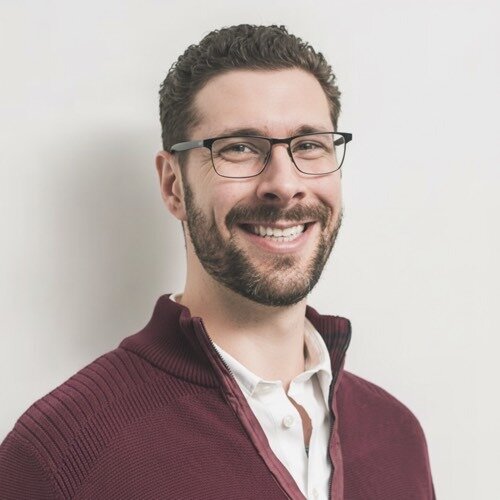
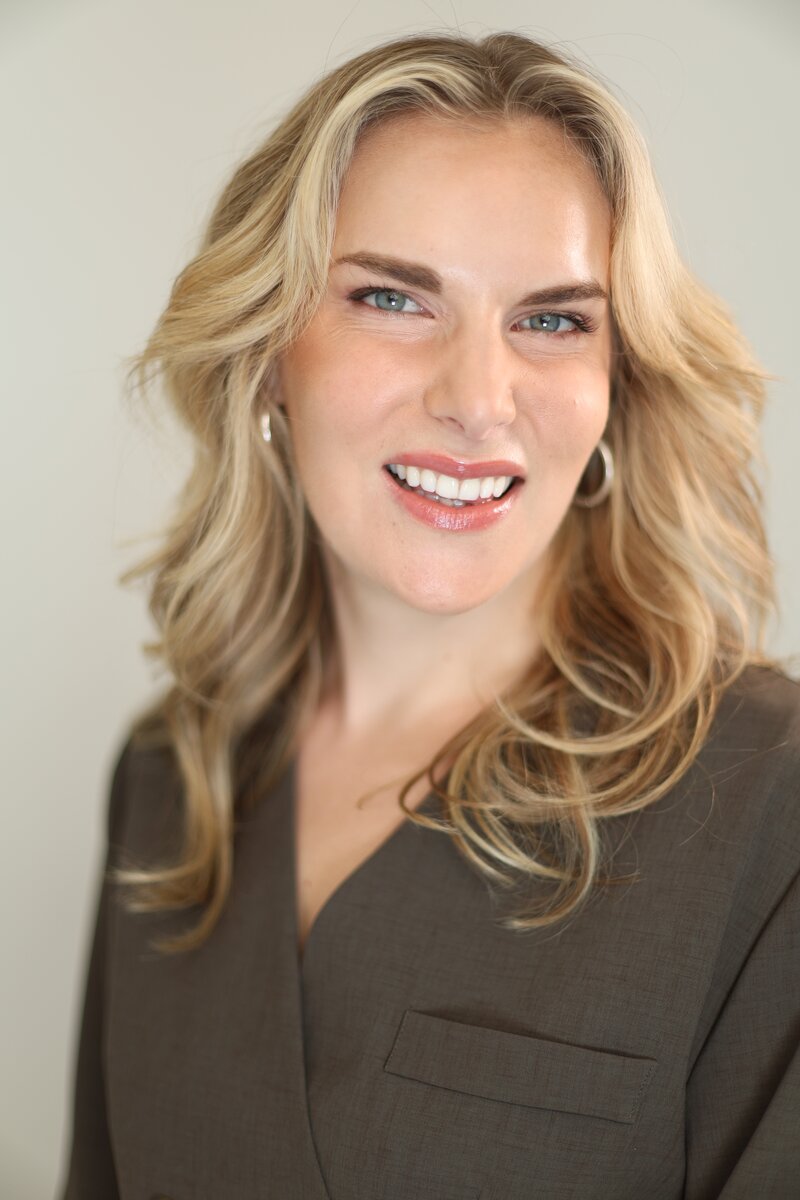
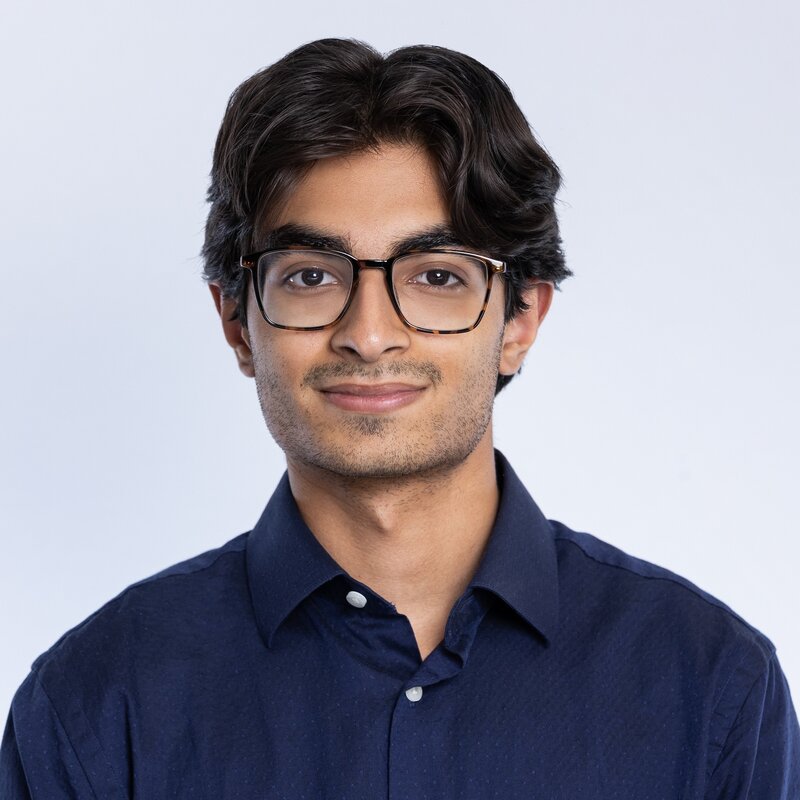
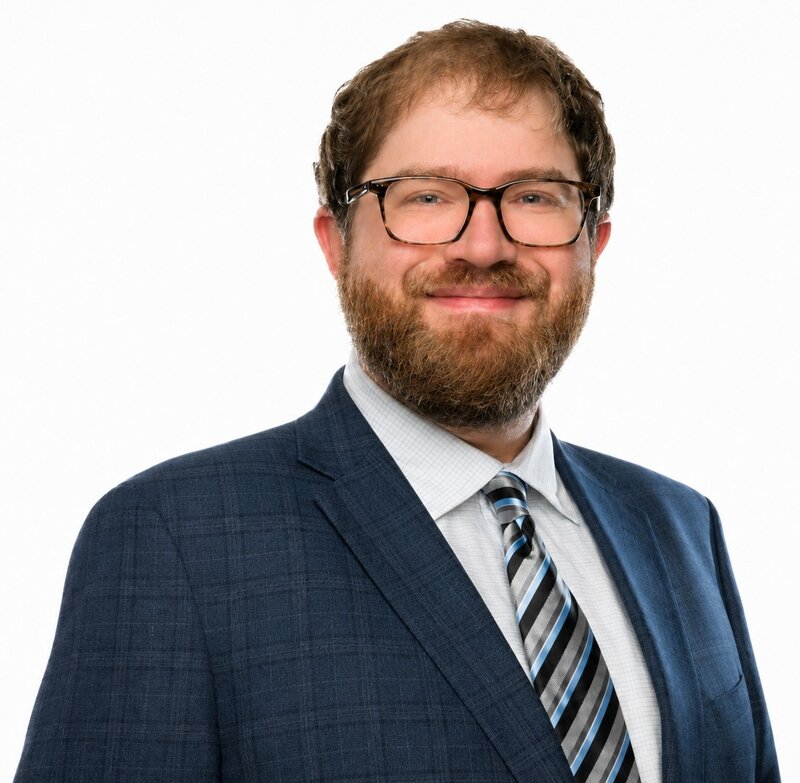
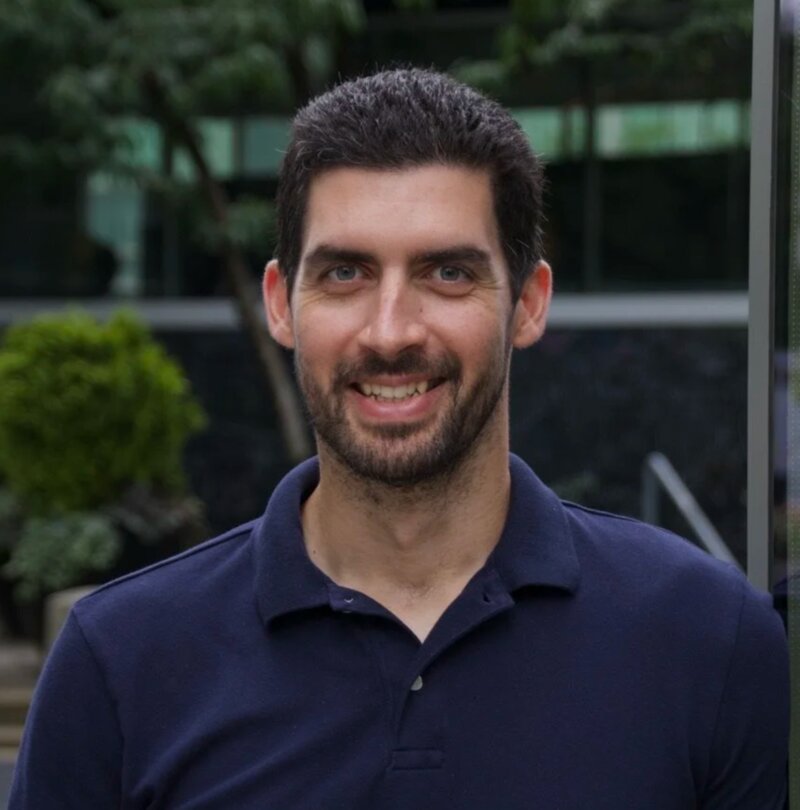
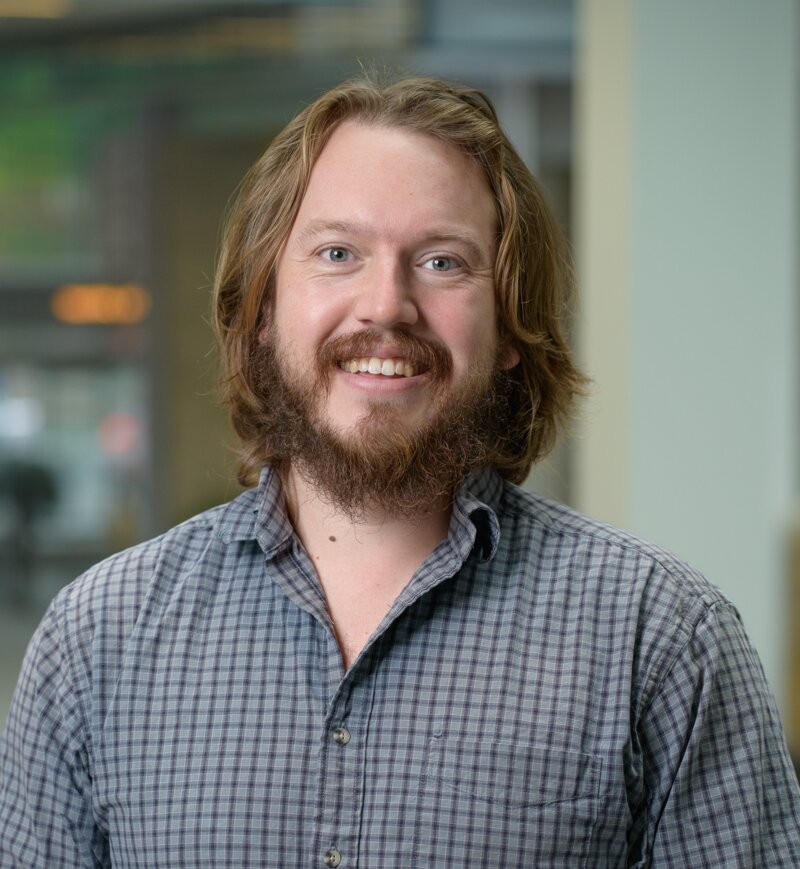
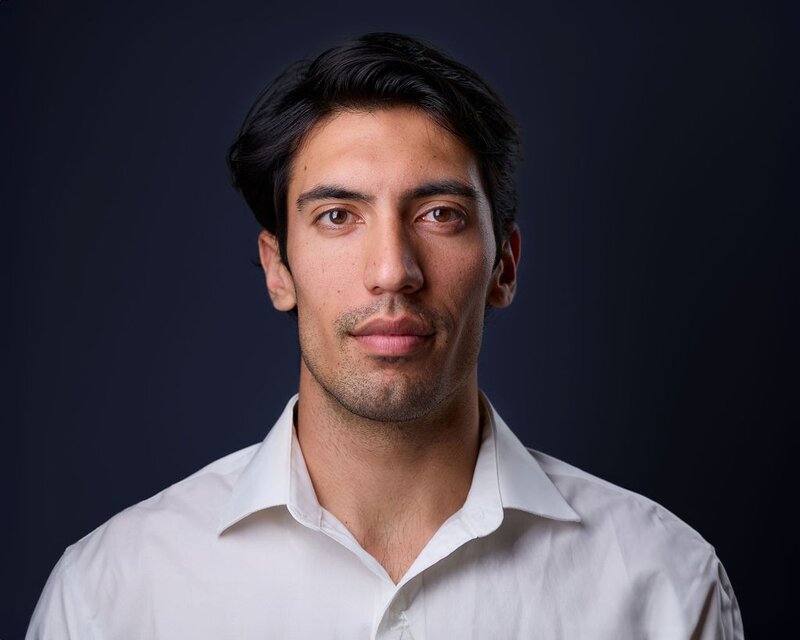
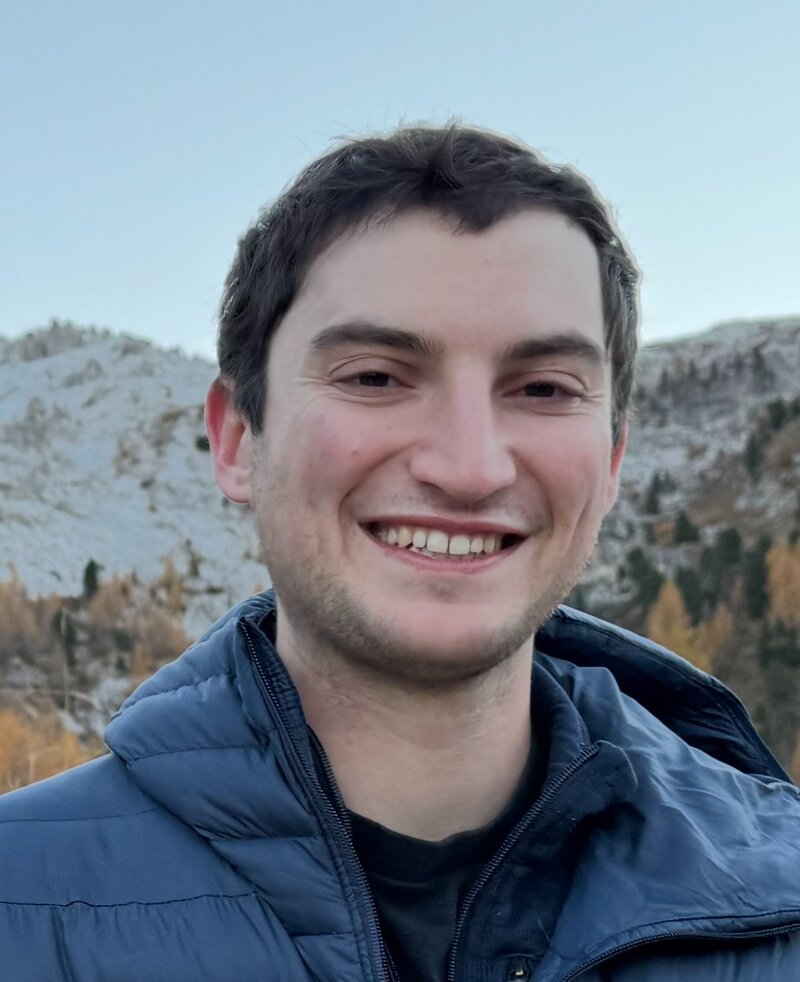
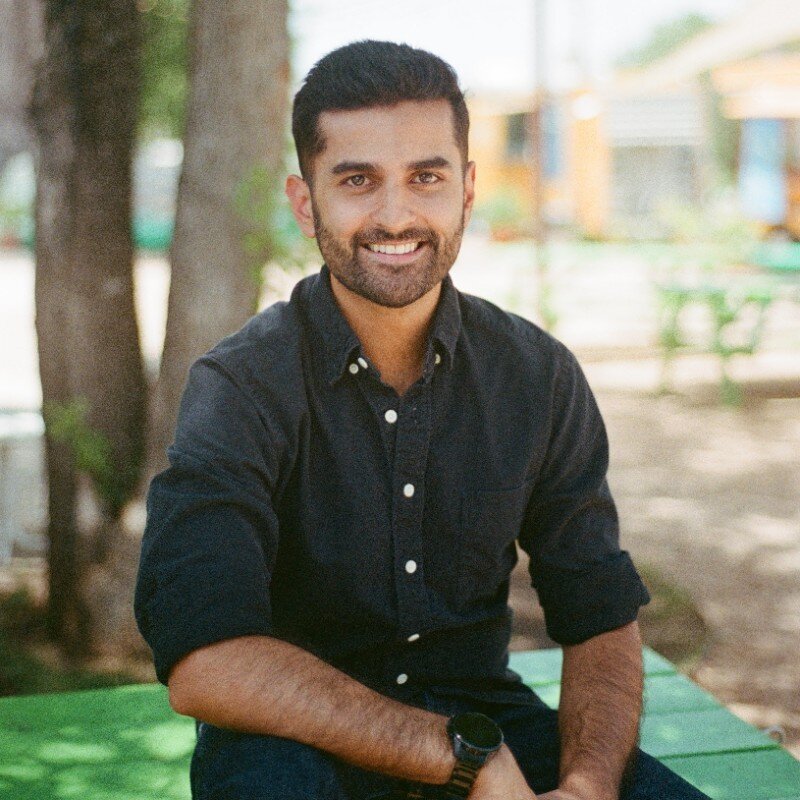
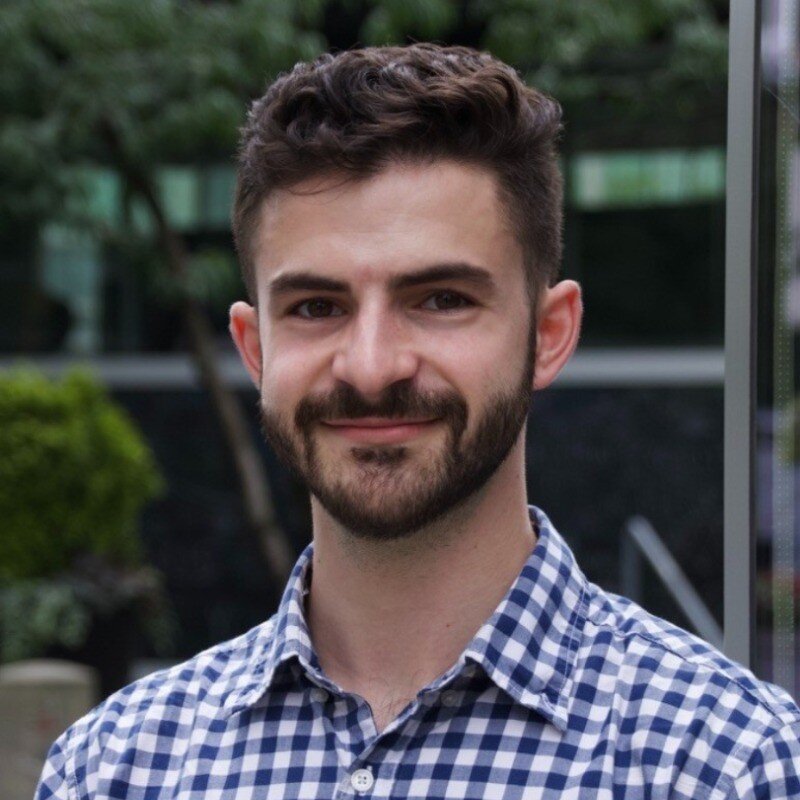
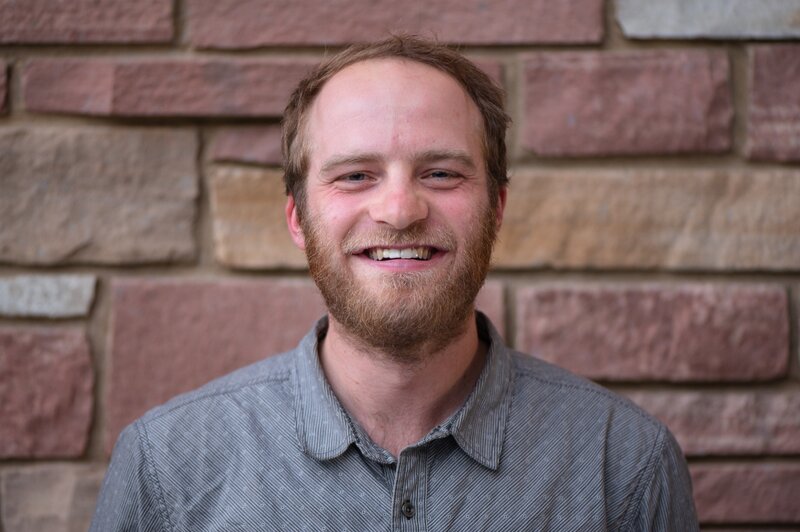
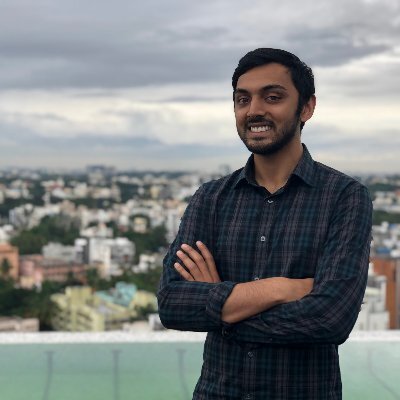
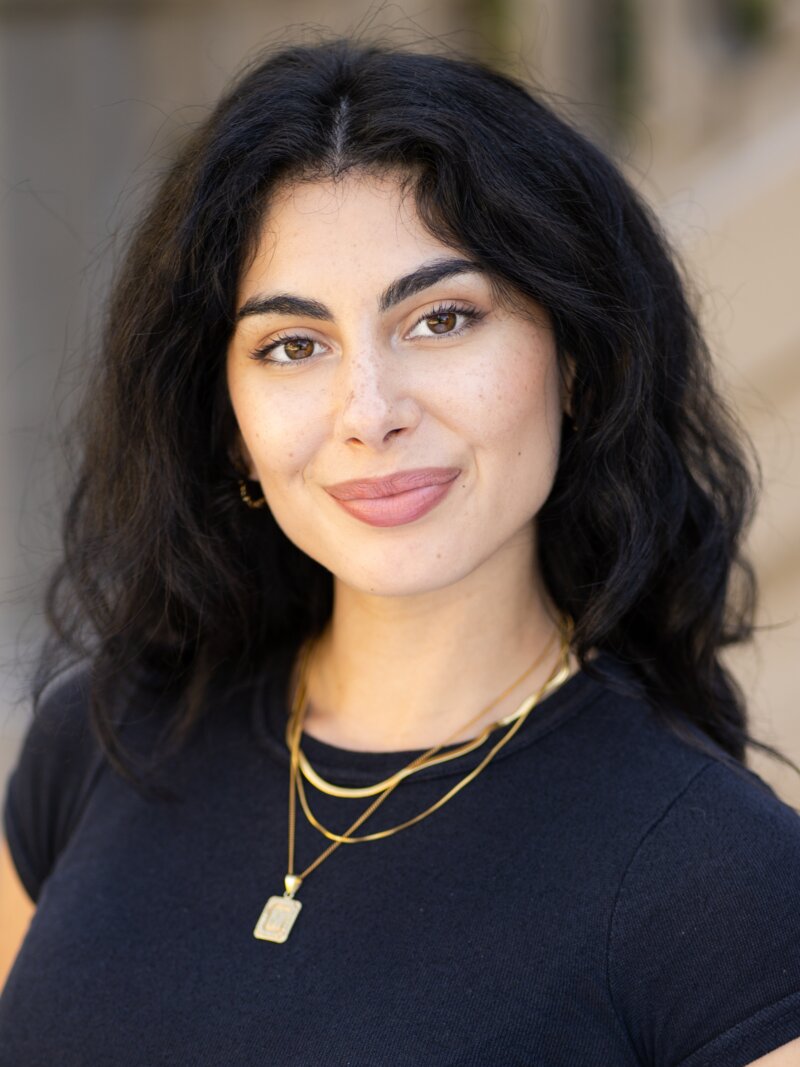
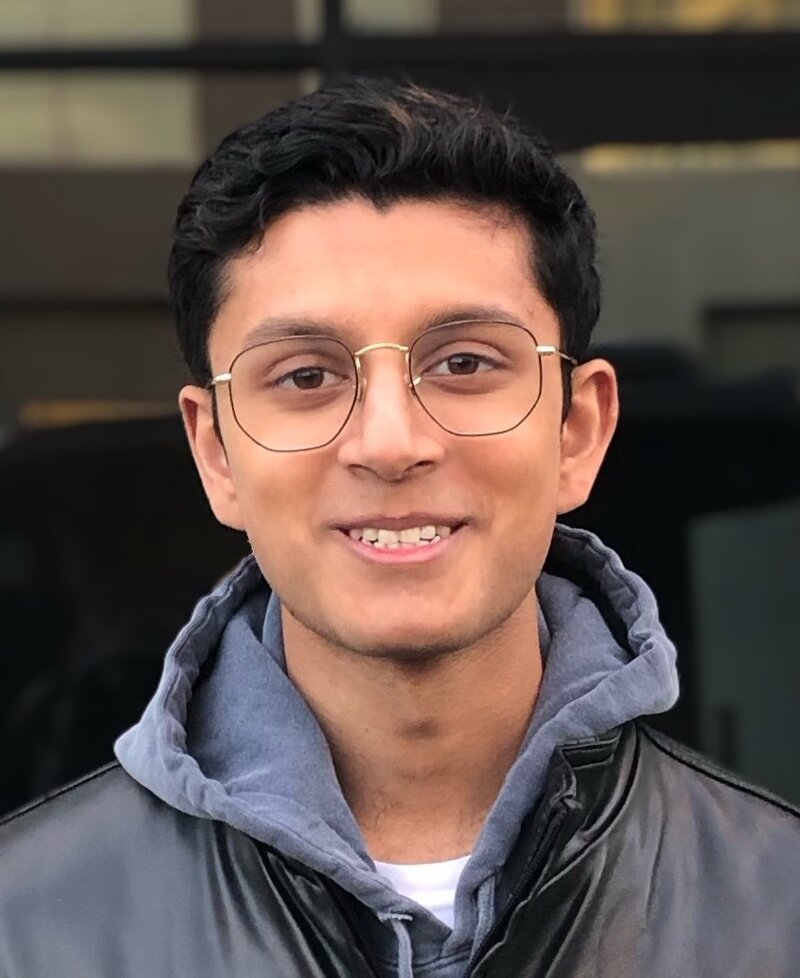
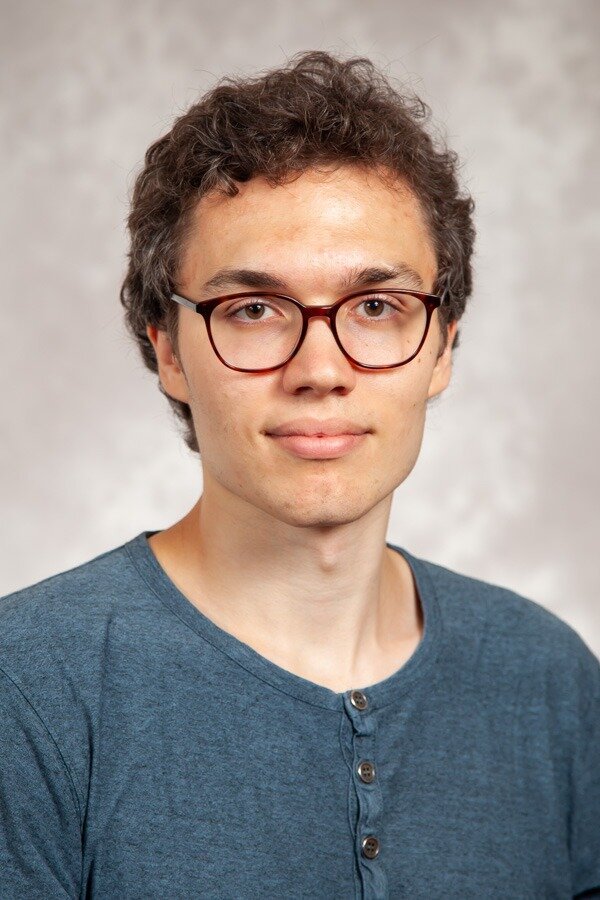
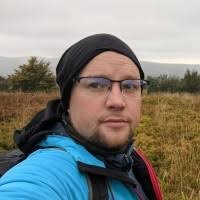
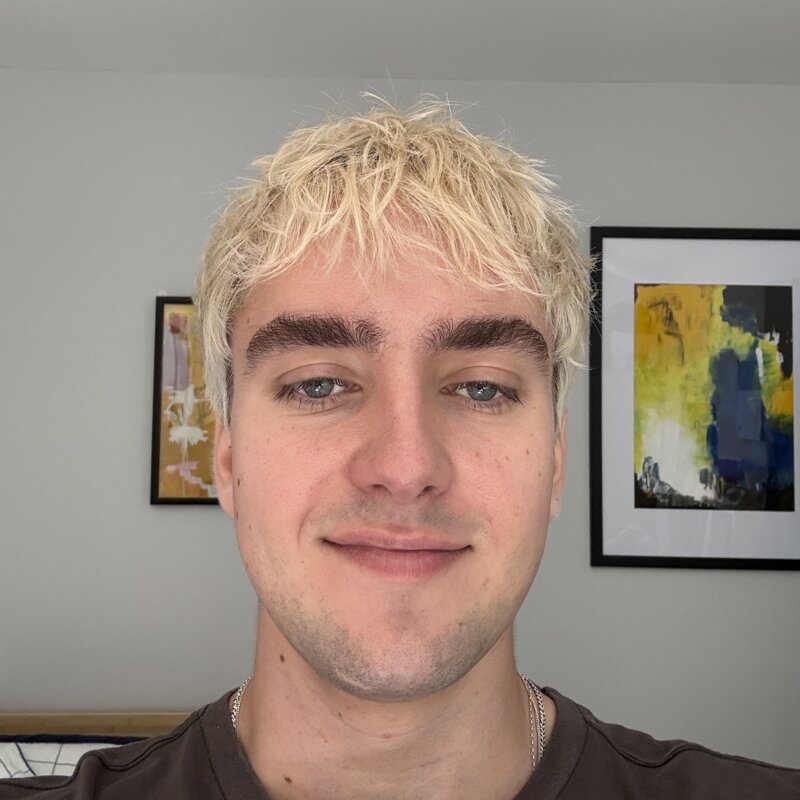
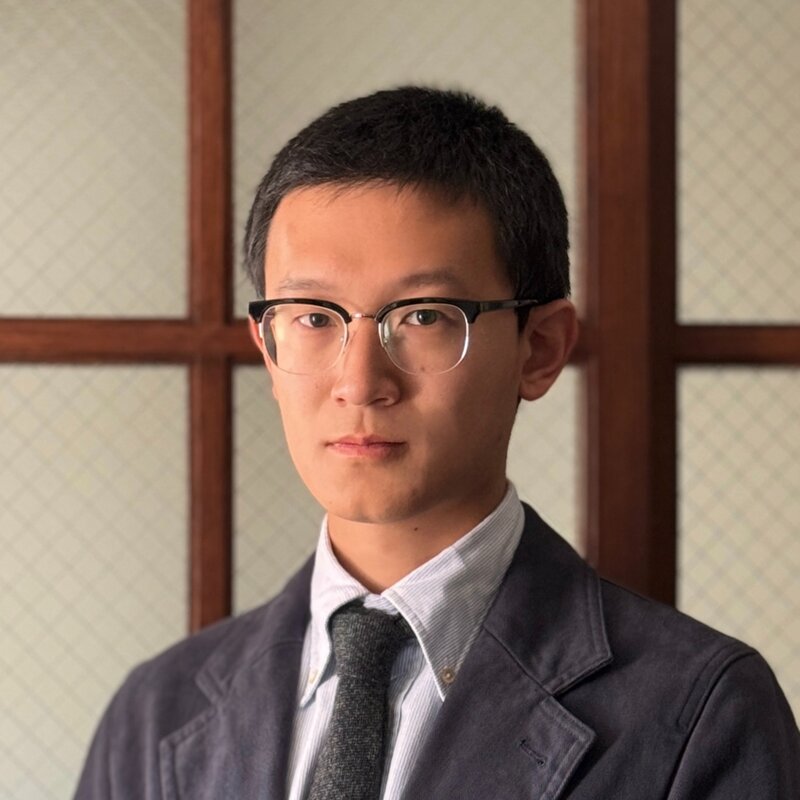
Shi Feng leads a research group working on oversight and control. He is an assistant professor at George Washington University. Prior to that, he was a postdoc in the NYU Alignment Research Group under Sam Bowman. He currently focuses on deception and collusion, with an emphasis on propensity and evaluation realism.
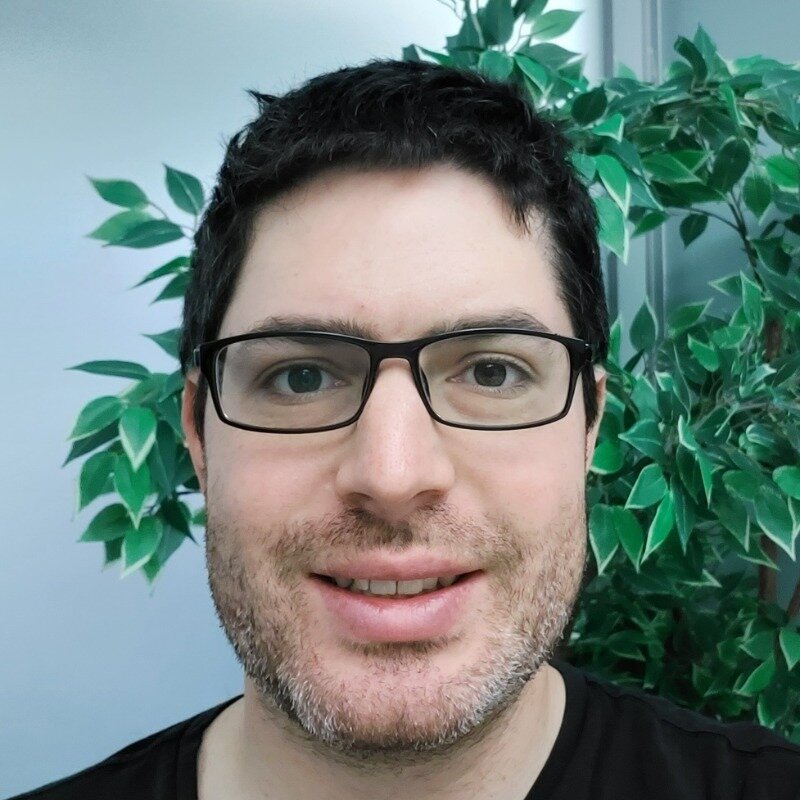
Adam Shai has extensive research experience in experimental and computational neuroscience. He earned his PhD from Caltech and has over a decade of experience investigating the neural basis of intelligent behavior, most recently as a researcher at Stanford. Driven by the pressing need for AI safety, he has now turned his expertise to neural networks, aiming to develop principled methods for controlling and aligning increasingly advanced AI systems.
Adam co-founded and now leads research at Simplex, an organization dedicated to building a science of representations in AI systems.
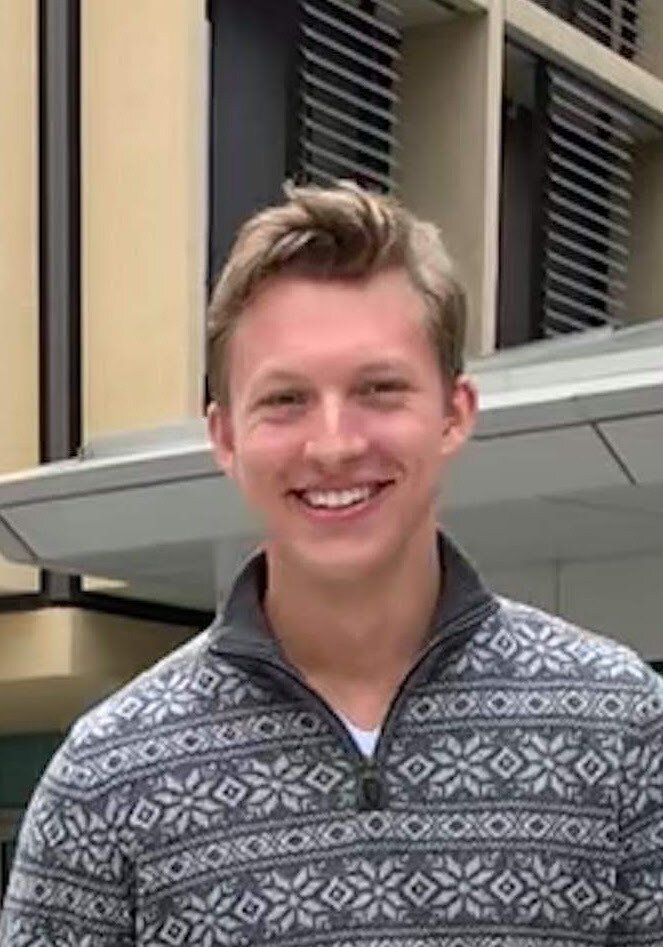
George Robinson is an independent researcher formerly at the Alignment Research Center (ARC), working on a systematic and theoretically grounded approach to mechanistic interpretability. He is now looking to lead a research effort in London supporting this agenda. Previously, he was a PhD student at Oxford University specialising in Algebraic Number Theory. He lives in London, and is a member of the London Initiative for Safe AI (LISA).
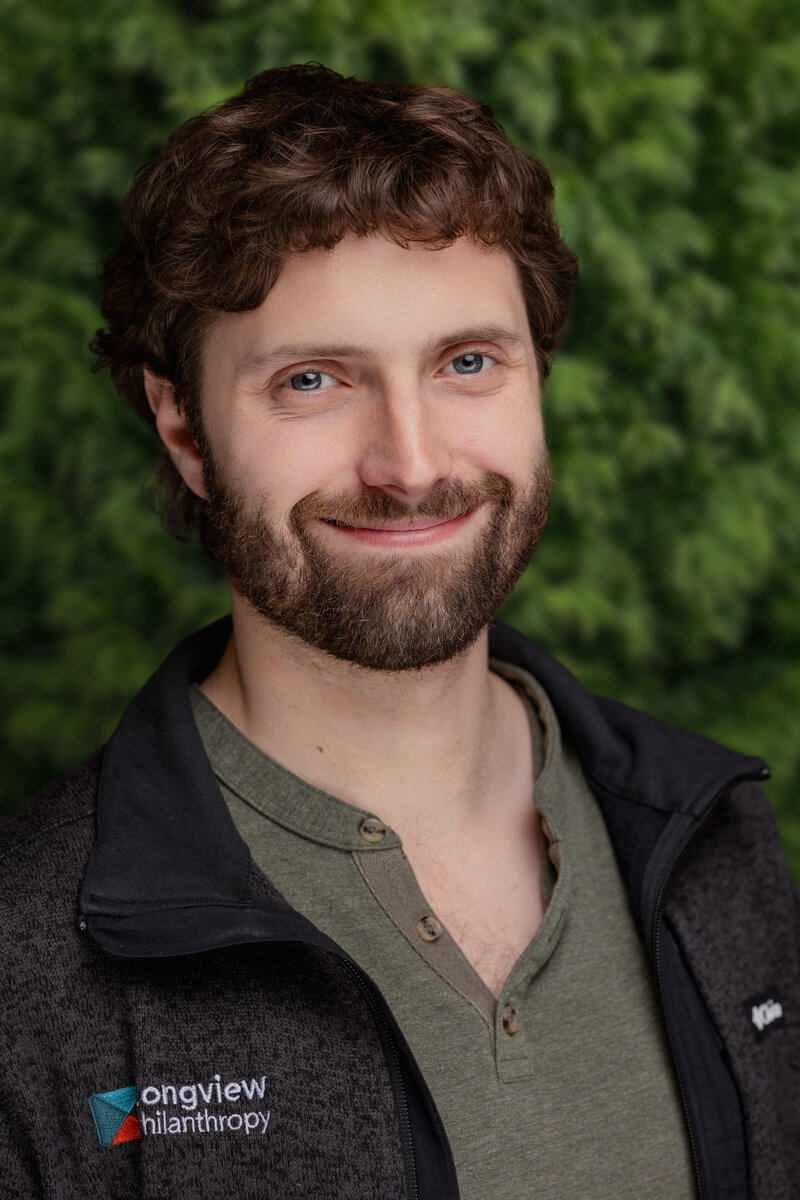
Matthew Gentzel is a Nuclear Weapons Policy Program Officer at Longview Philanthropy where he works on grantmaking and priorities research related to mitigating AI-enabled strategic threats and the risk of large-scale nuclear war. His prior work spanned emerging technology threat and policy assessment, with a particular focus on how advancements in AI may shape the future of influence operations, nuclear strategy, and cyber attacks. He has worked as a policy researcher with OpenAI, as an analyst in the US Department of Defense’s Innovation Steering Group, and as a director of research and analysis at the US National Security Commission on Artificial Intelligence.
Matt's grantmaking portfolio covers the impact of a variety of emerging technologies on nuclear stability, including AI-enabled targeting and information manipulation. His work aims to reason about non-AI bottlenecks to extreme risk, how perceptions of future AI capability impact escalation control in the near-term, and what physical, cyber, and cognitive security measures can increase societal resilience against nuclear war and AGI-enabled attacks. His portfolio also aims to fund work creating more realistic and positive plans toward great power peace, grounded in regional and technical expertise, organizational psychology, and game-theoretic insight on how to defuse conflict between rationally irrational actors with different values and beliefs.
Mr. Gentzel holds an MA in strategic studies and international economics from Johns Hopkins School of Advanced International Studies, and a BS in fire protection engineering from the University of Maryland College Park.
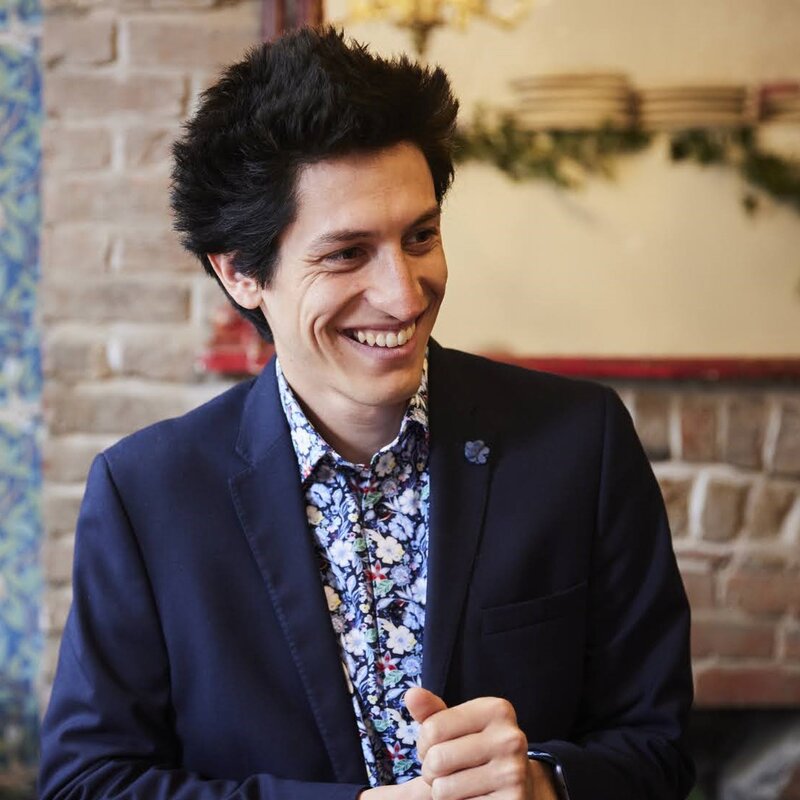
Oly works at the Future of Life Foundation on sourcing and developing ambitious ideas to build a flourishing future, grounded in realistic scenarios for AI and other technological development. Priorities include human collective intelligence uplift, gentle and manageable multiagent transitions, and defensive tech.
Oly previously worked on loss of control risk modelling and evaluation at the UK AI Safety/Security Institute and continues to engage with the OECD, UK FCDO, DSIT, and parliamentarians on AI governance.
He researched (LM) agent oversight and multiagent safety at Oxford and was one of the first beneficiaries of the MATS program in 2021-22. Before his AI safety work, he was a senior data scientist and software engineer.
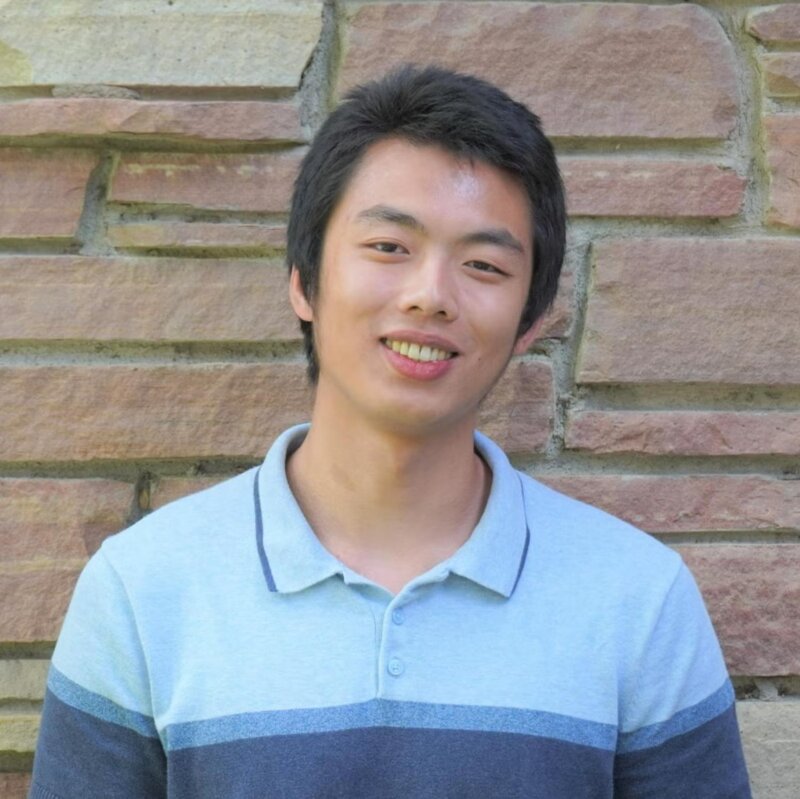
Wilson Wu is a researcher at the Alignment Research Center (ARC), which is working on a systematic and theoretically grounded approach to mechanistic interpretability. He has previously worked on alternate approaches to interpretability including compact proofs and applications of singular learning theory.

Giorgi Giglemiani works at the UK AI Security Institute and coauthored Boundary Point Jailbreaking. Previously, Giglemiani researched synthetic activations composed of sparse-autoencoder latents at LASR Labs.

Victor Lecomte is a researcher at the Alignment Research Center (ARC), which is working on a systematic and theoretically grounded approach to mechanistic interpretability. He holds a PhD from Stanford University, where he did research in computational complexity and other areas of theoretical computer science before pivoting to AI safety research.
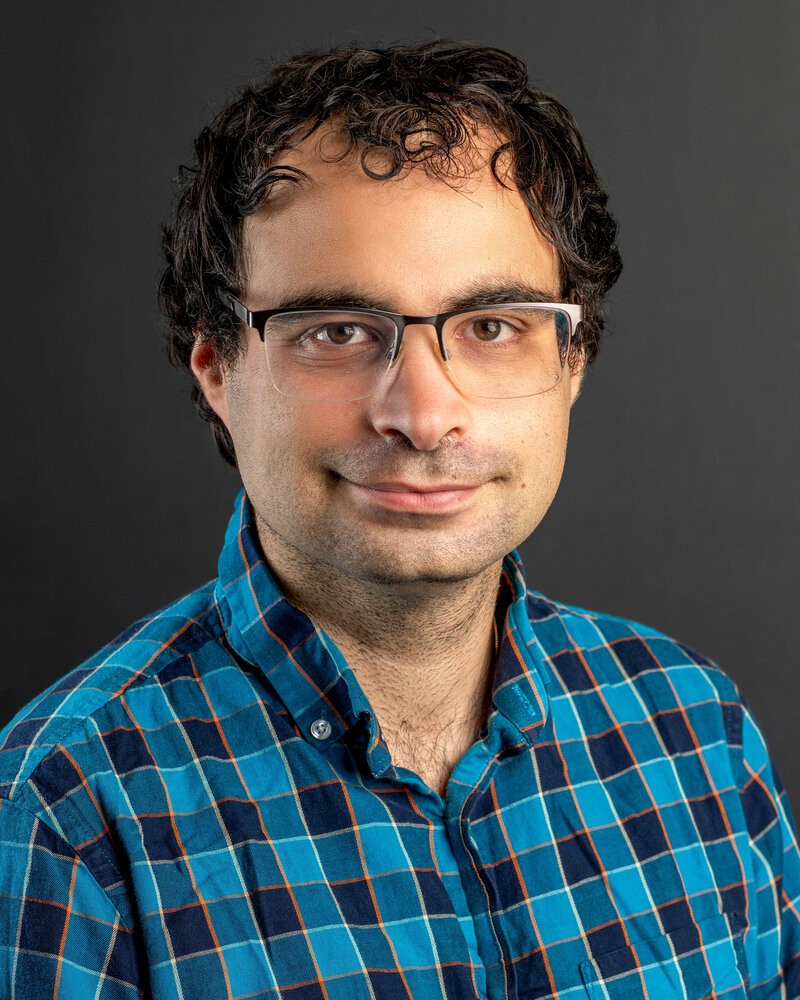
Mike Winer is a researcher at the Alignment Research Center (ARC), where he studies how mechanistic estimates can beat black-box techniques in toy setups. His background is in statistical physics, where he studies how many objects obeying simple rules can exhibit complex behaviors like magnetism, glassiness, or scoring 87% on GPQA.
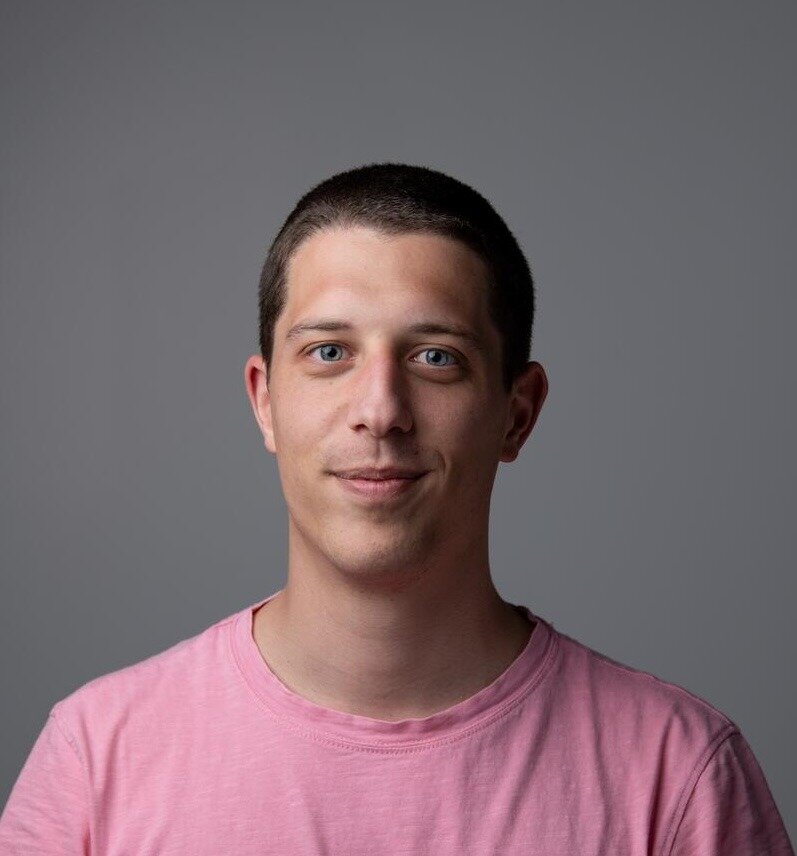
Damiano is a research scientist at LawZero, where he works on (i) the maths behind the Scientist AI and (ii) interpretability and evaluation techniques for situational awareness and introspection.