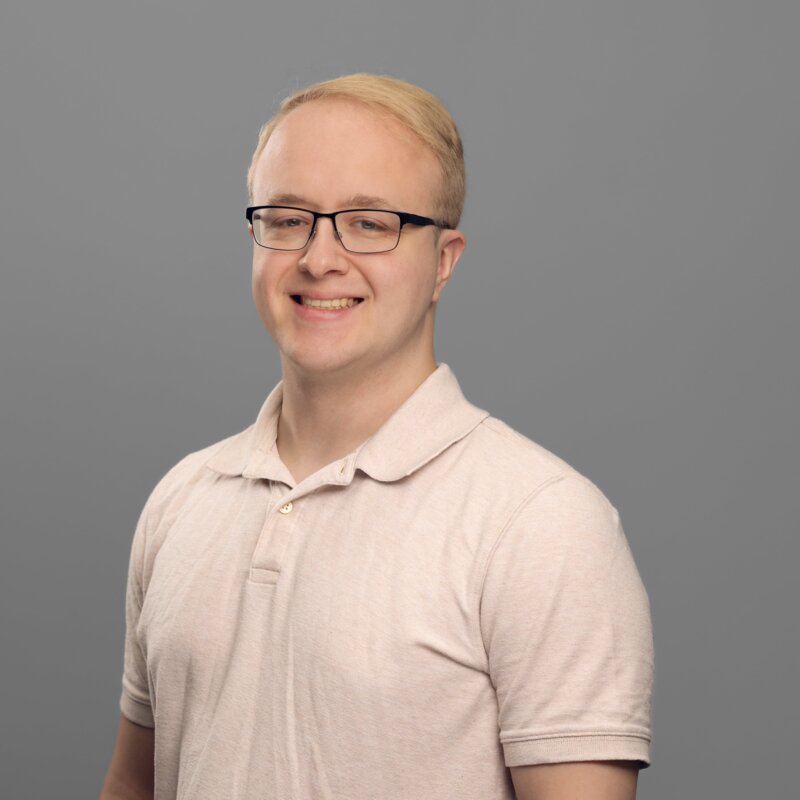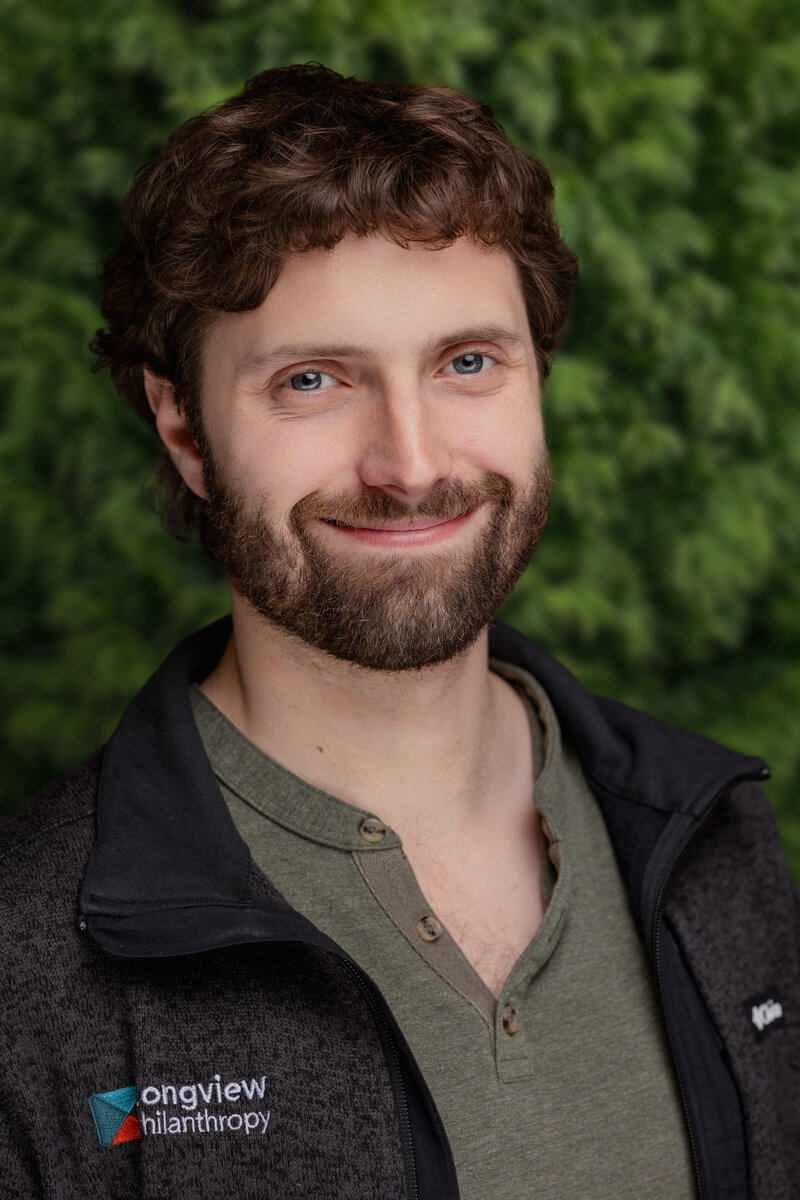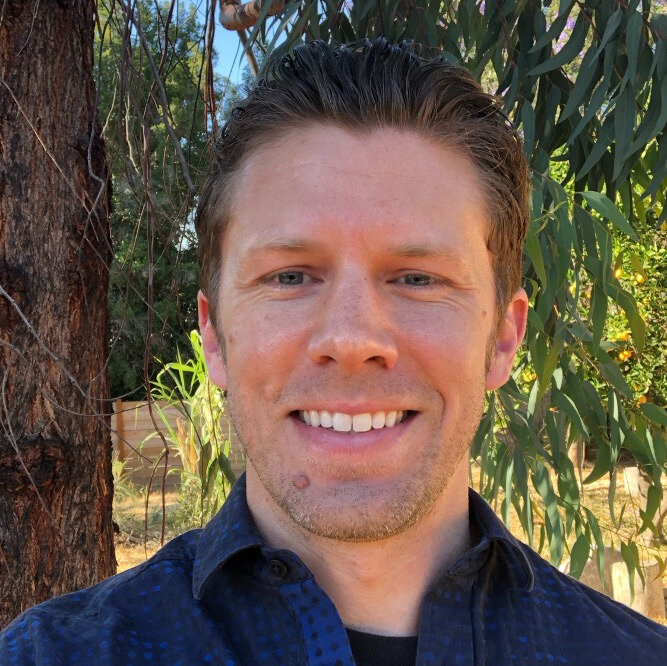
Gary Abel
This stream will focus on evaluating biological AI models for function-based biosecurity screening.
Stream overview
I’m most interested in supervising technical research projects that overlap with our broader research program at Fourth Eon, where we are evaluating biological AI models for function-based biosecurity screening. Examples include the following (open to scholar suggestions):
- Applying mechanistic interpretability techniques to protein foundation models to probe their learned representations of functionally meaningful biophysical and biochemical properties (e.g. local structure, surface charge, catalytic activity, solvation). The goal is to understand how semantic information is encoded in specific features and circuits for different models, and how to leverage them for generalized hazardous function prediction.
- Evaluating bio model capabilities for predicting function of non-natural genes and proteins that may be outside the training distribution, using a curated test set of engineered sequences tied to experimental validation data. This provides the tools to determine model utility for detecting engineered or AI-designed threats using function-based screening.
- Developing multi-modal sequence analysis workflows for use in adaptive biosecurity screening. This project explores the integration of different model capabilities (e.g. structure prediction, binding, function, toxicity) and synthesizes the outputs to produce biosecurity risk assessments on unknown sequences.
Mentors
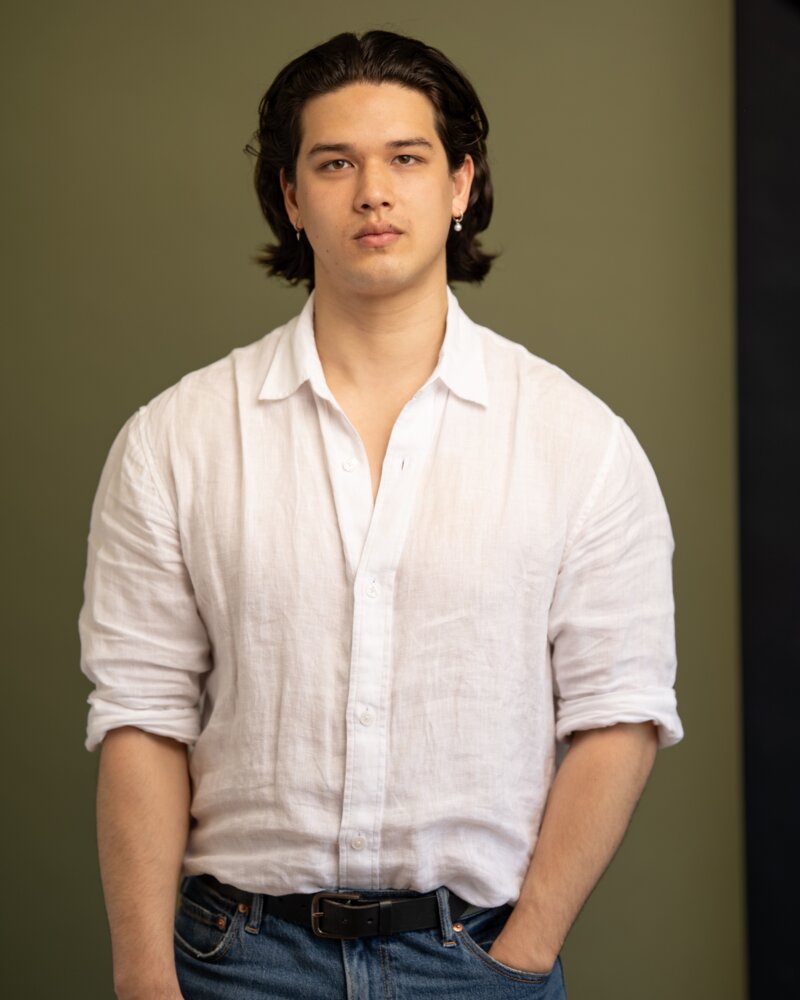
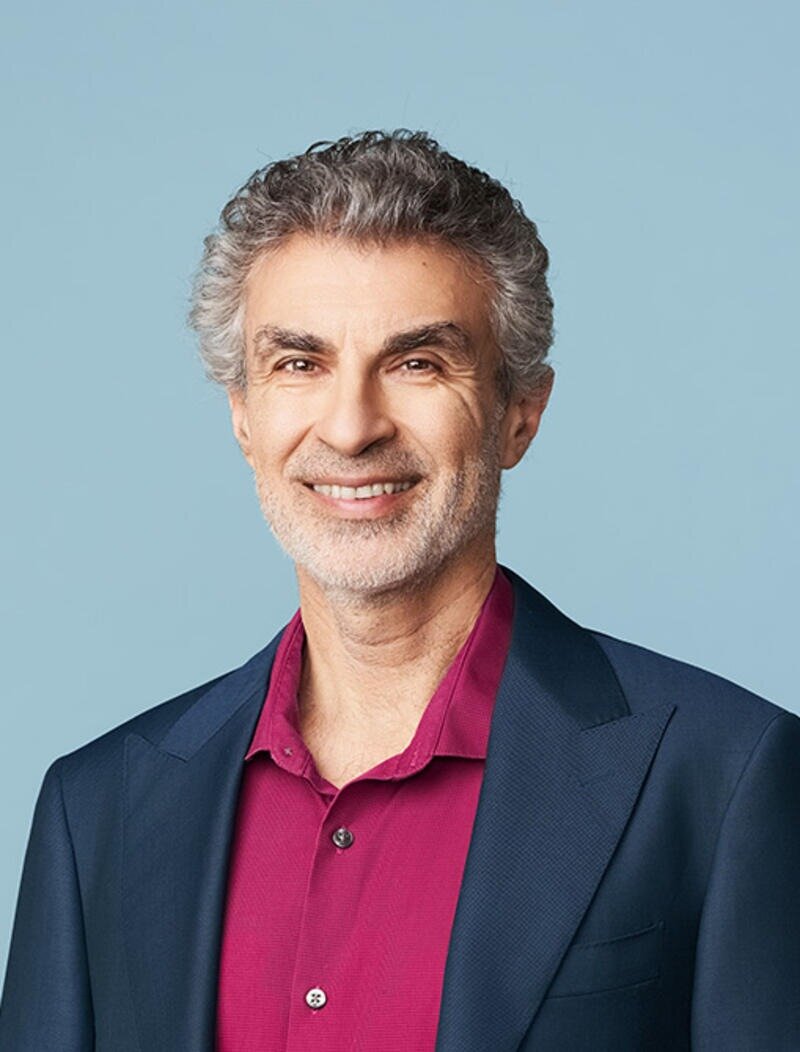
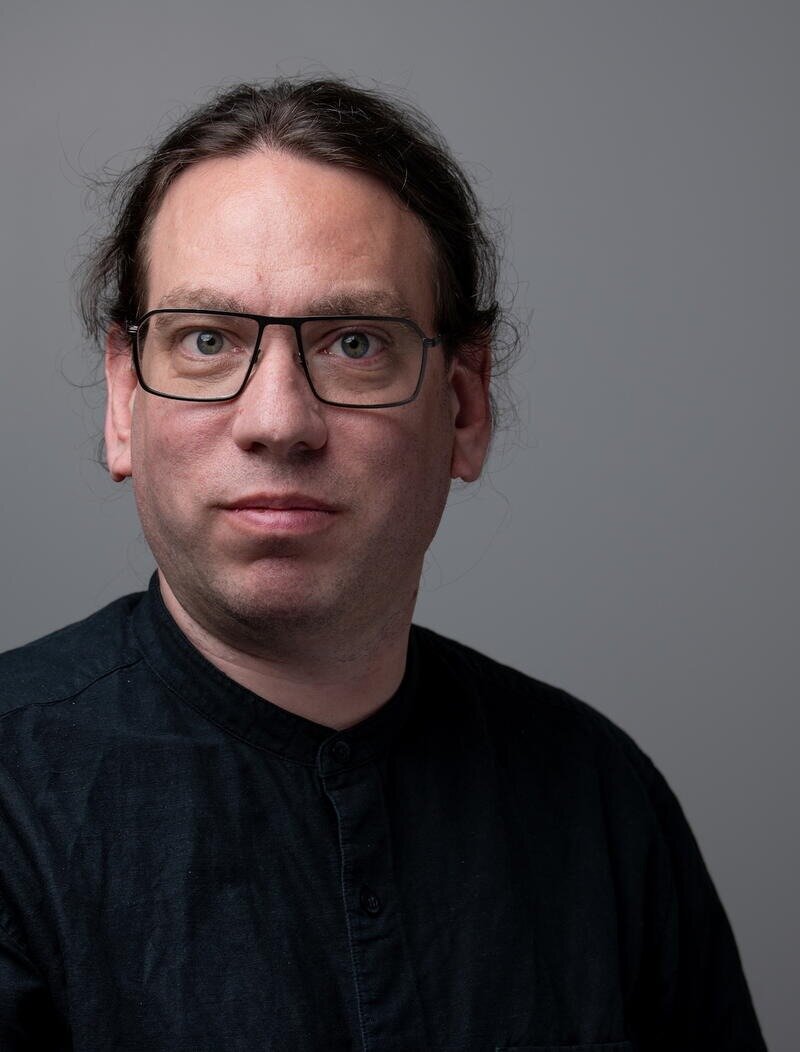
Gary Abel is co-founder and Chief Scientist of Fourth Eon Biosecurity, where he leads research on adaptive safeguards and function-based screening. His expertise spans chemistry, molecular biophysics, biosecurity, and sequencing technology. He's spent nearly two decades studying how DNA, RNA, and proteins behave and interact. Gary is also a Contributing Scholar at the Johns Hopkins Center for Health Security, supporting the Center's work to understand and mitigate global catastrophic biological risks from advanced AI. He has previously mentored Research Fellows through SPAR, MATS, Cambridge ERA, and the Coefficient Giving CDTF. Gary holds a BS in Physics from San Jose State University and a PhD in Chemistry from the University of California, Merced.
Mentorship style
I typically schedule a standing weekly 1:1 meeting with each fellow, and also hold a weekly research group meeting. Beyond that I am available on Slack and can find additional time for calls outside of scheduled meetings.
Note that as part of our Safe and Responsible Research Framework we require fellows to sign a fellowship agreement covering confidentiality and pre-publication review for dual-use risks. This is common practice in biosecurity research and allows us to work freely together on sensitive material.
Fellows we are looking for
Required:
• Prior technical research experience
• Strong critical thinking and creative problem-solving abilities
• The integrity and judgment to responsibly carry out sensitive research
• A good understanding of the basics of biomolecular sequence, structure, and function
• Expertise in one or more of the following domains:
bioinformatics, computational biology, structural biology, biochemistry, molecular biophysics, protein engineering, biosecurity, AI/ML, or a related field
• Proficiency with Python
Preferred:
• Hands-on experience with testing biological AI models
• Have built model evaluations / benchmarks
• Experience with mechanistic interpretability techniques
• Biosecurity context awareness
Project selection
Fellows who are interested in our research area should think of potential project ideas that leverage their strengths and interests. I will work with individual fellows to identify a specific project that matches their background and interests and is aligned with our overall research direction, and to refine the scope and objectives of the project.
The Winter 2027 cohort offers a wide range of research streams led by experts across AI alignment, interpretability, governance, and safety. Each stream provides its own research agenda, methodology, and mentorship focus.