MATS mentors are advancing the frontiers of AI alignment, transparency, and security
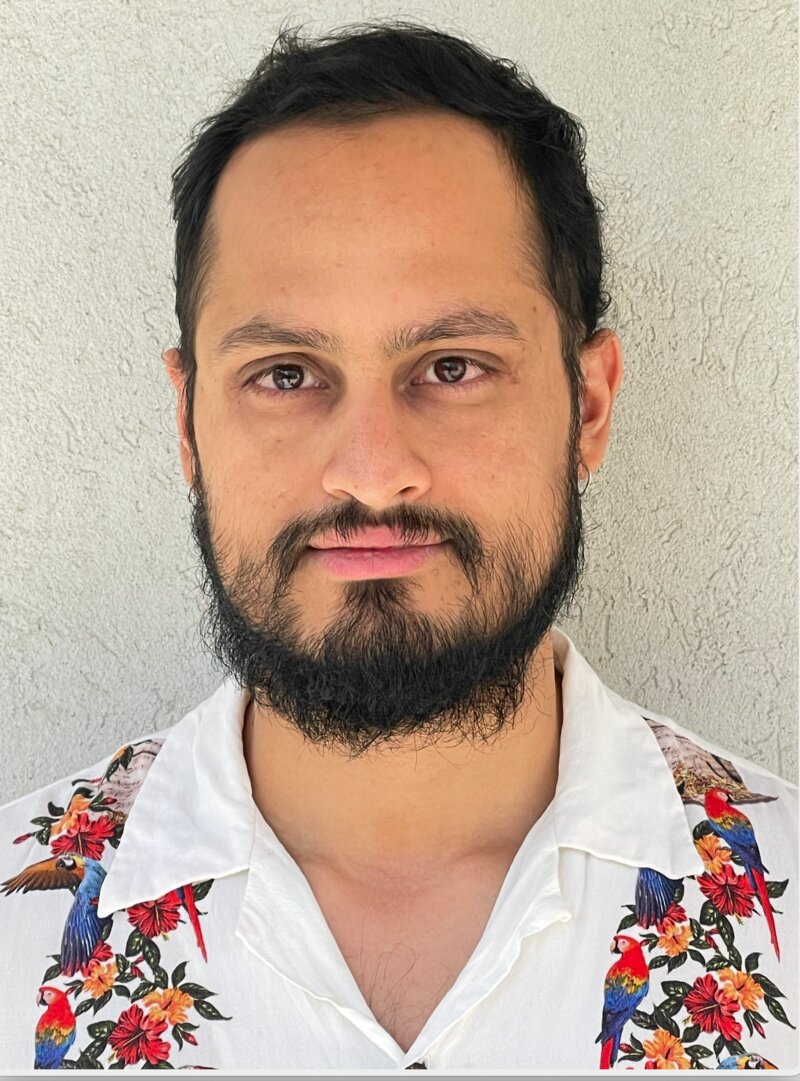
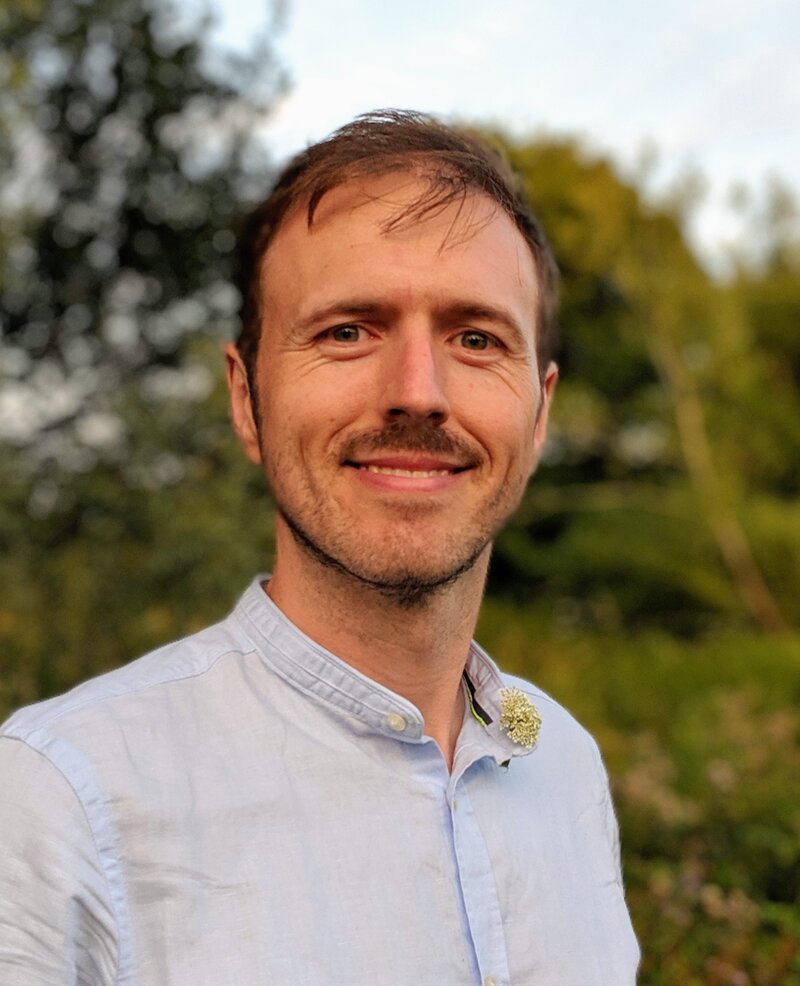
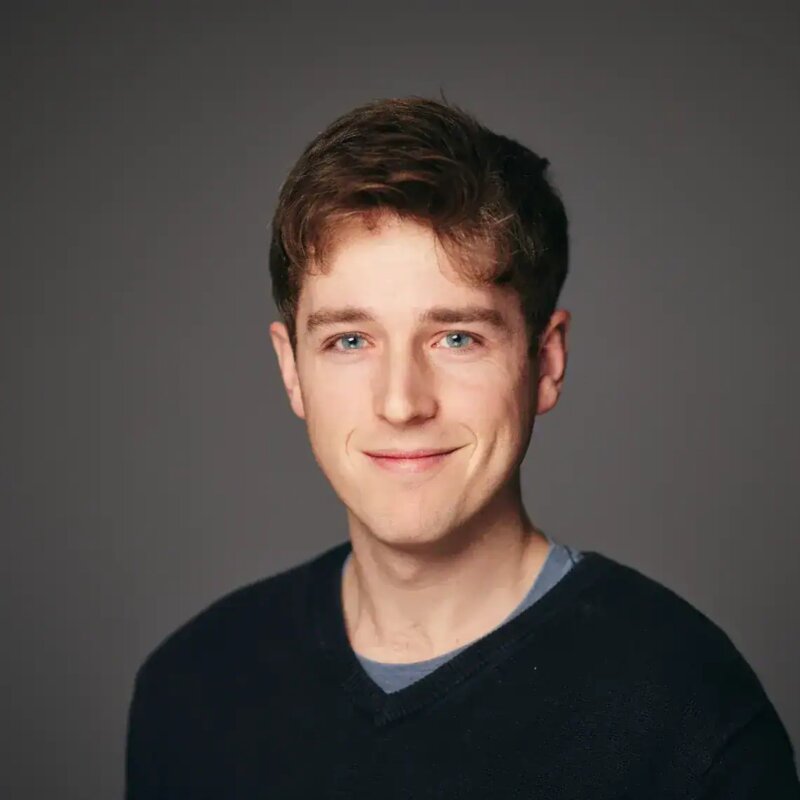
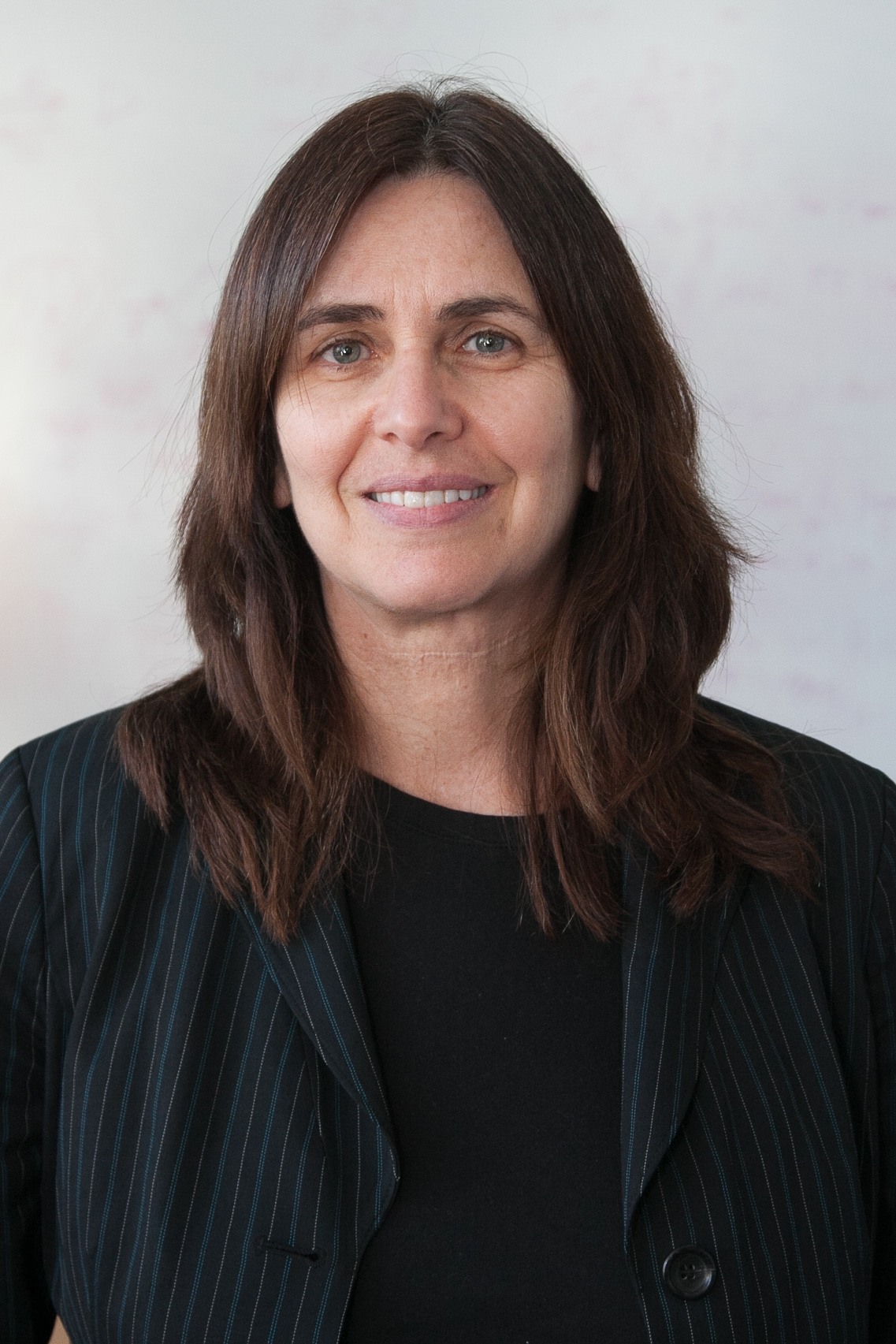
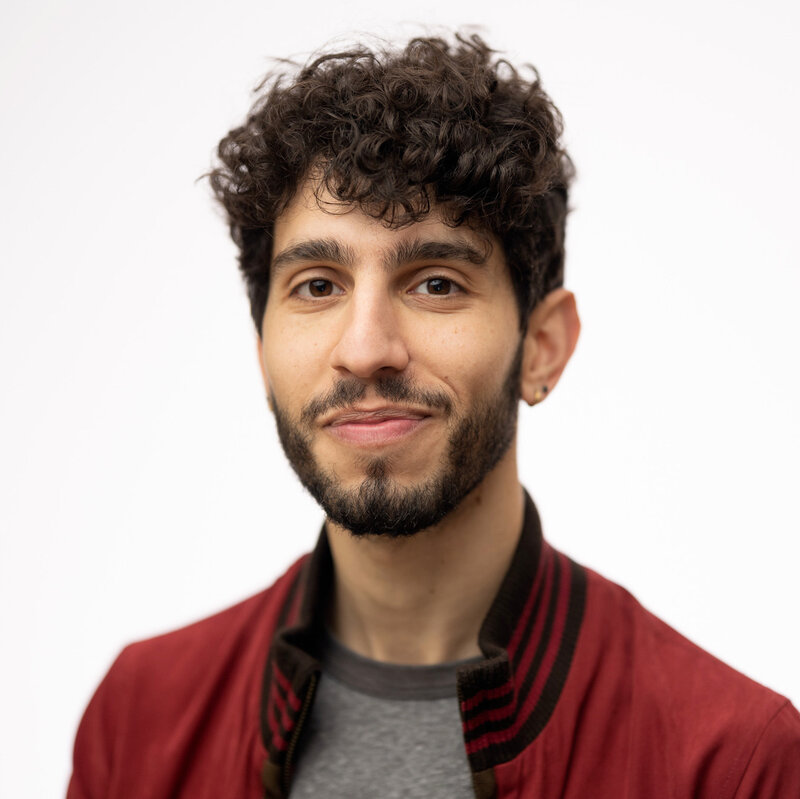
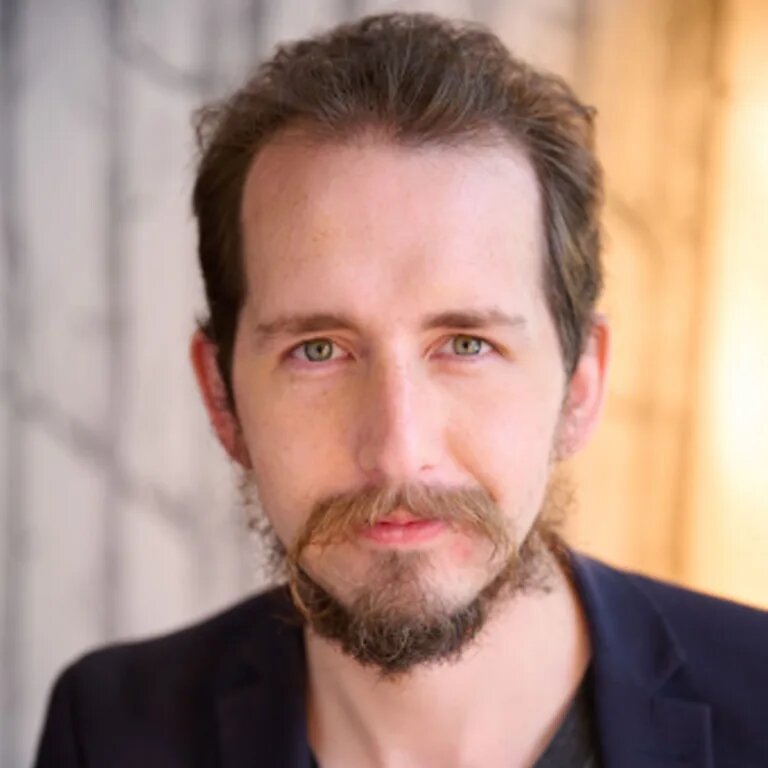

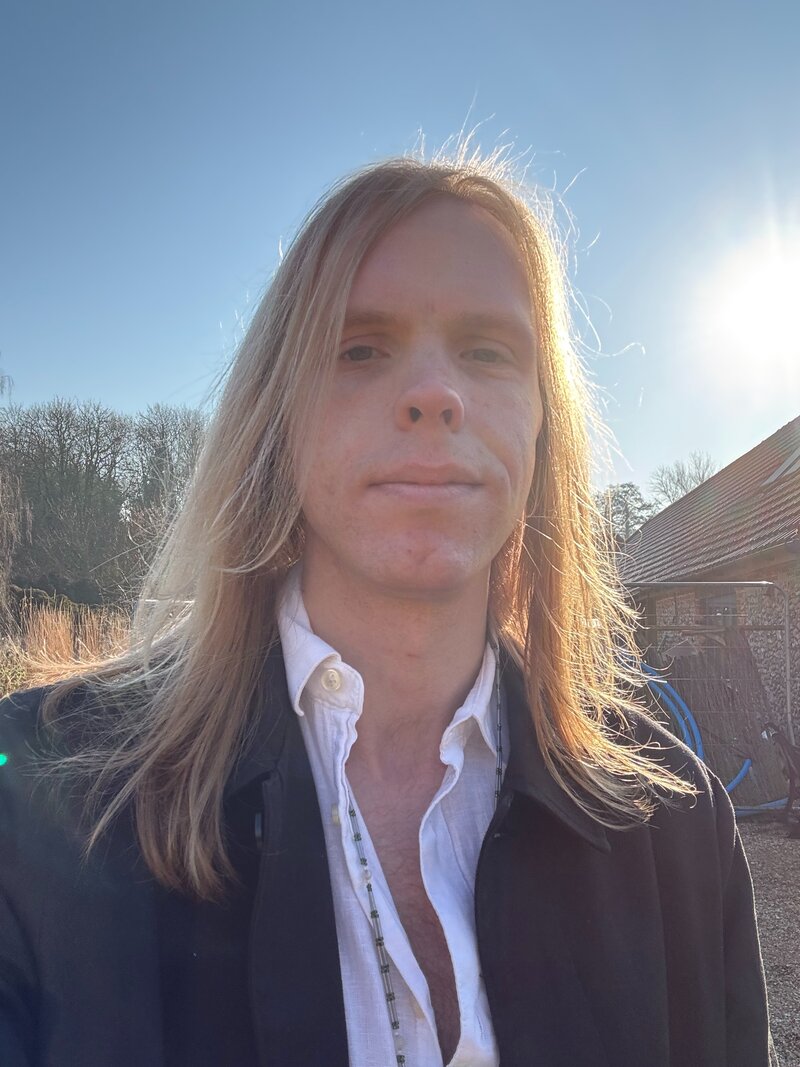
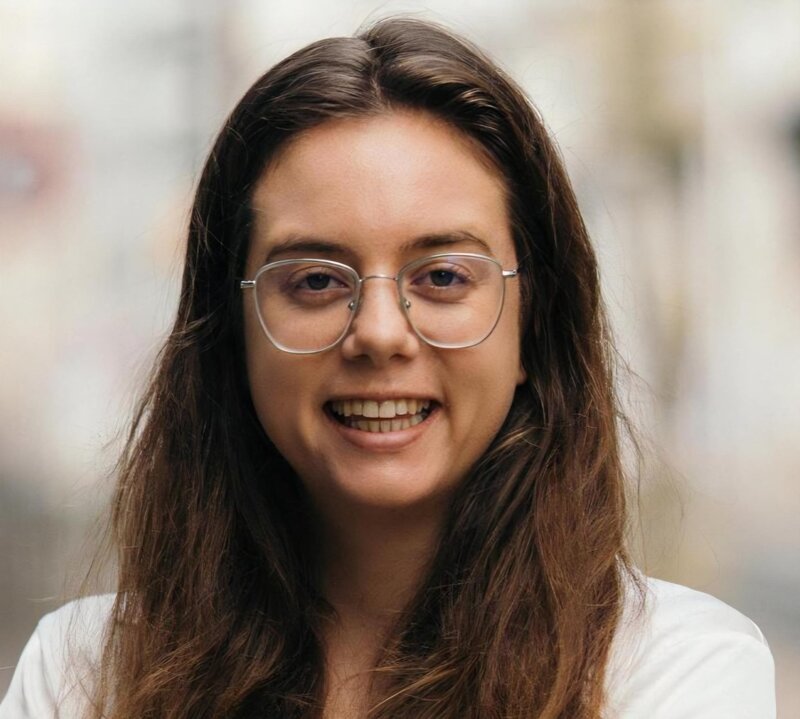

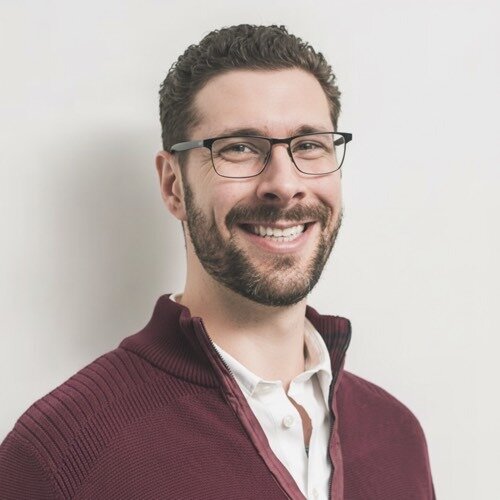
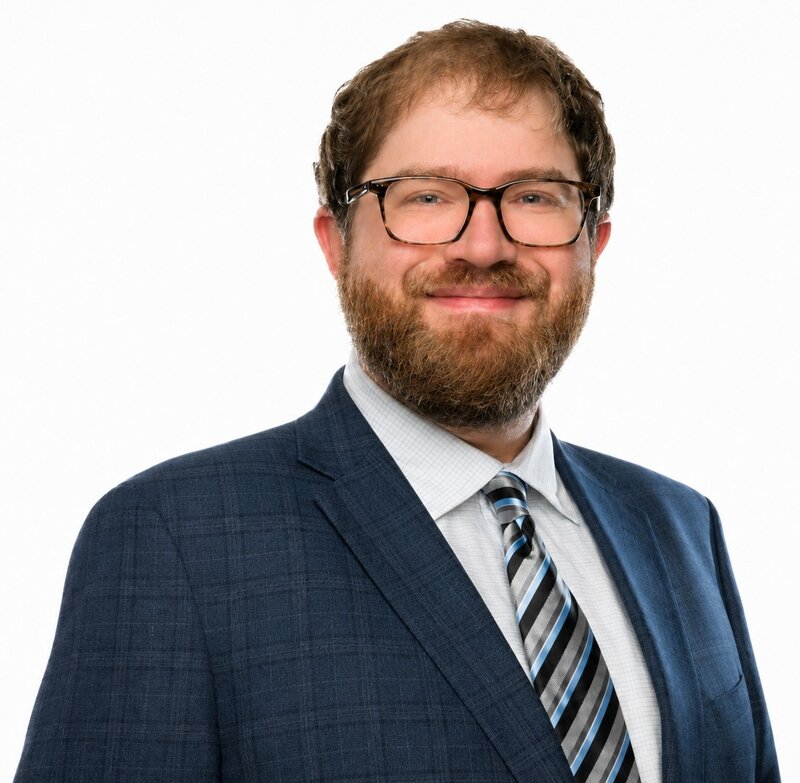
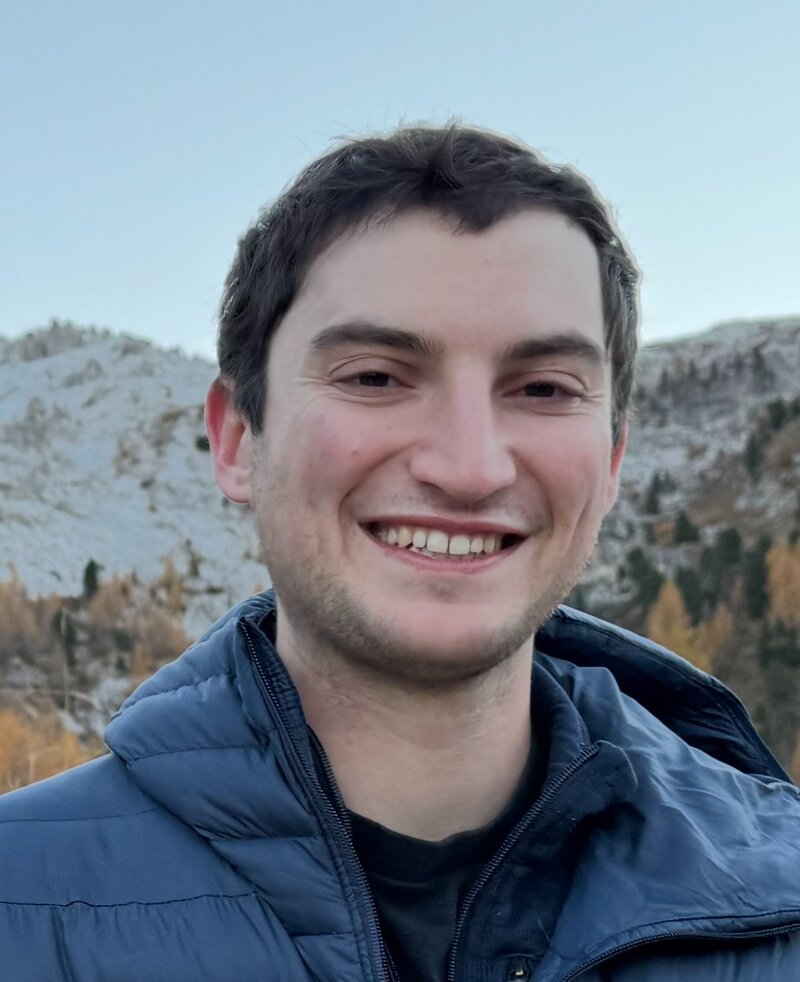
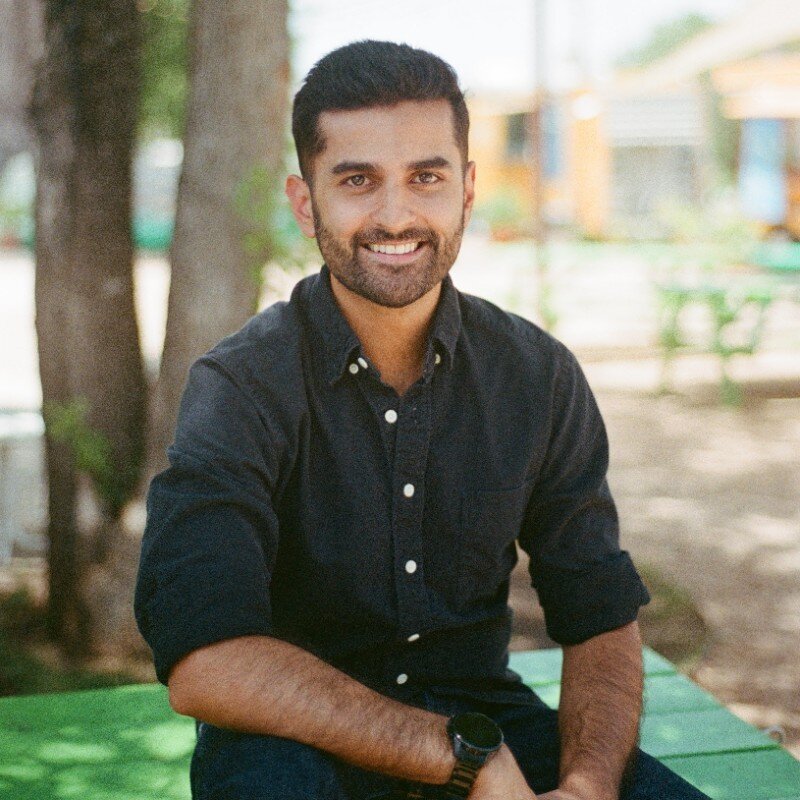
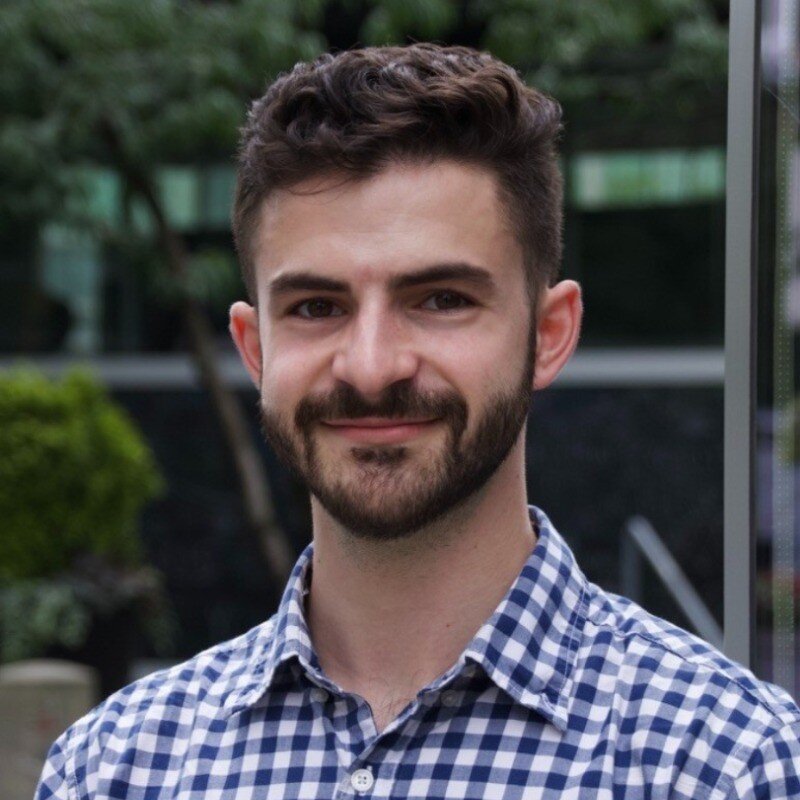
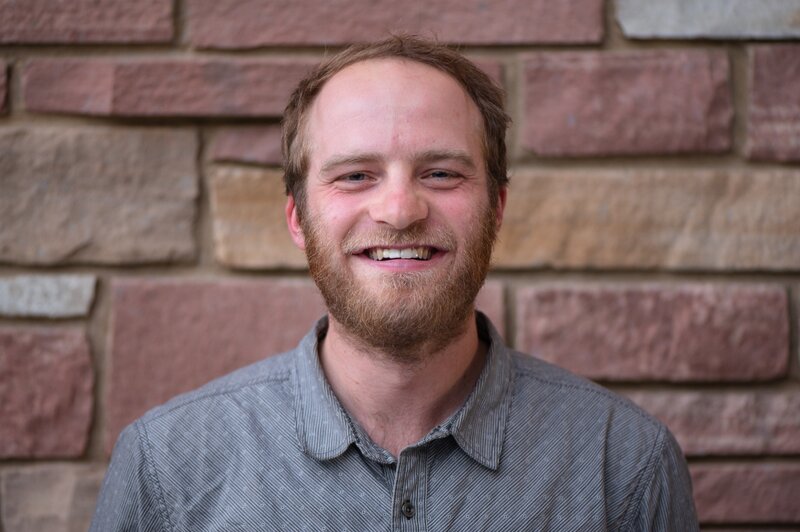
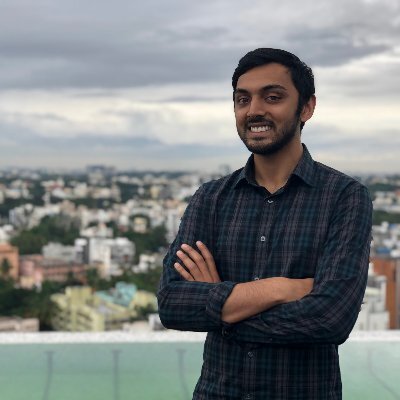
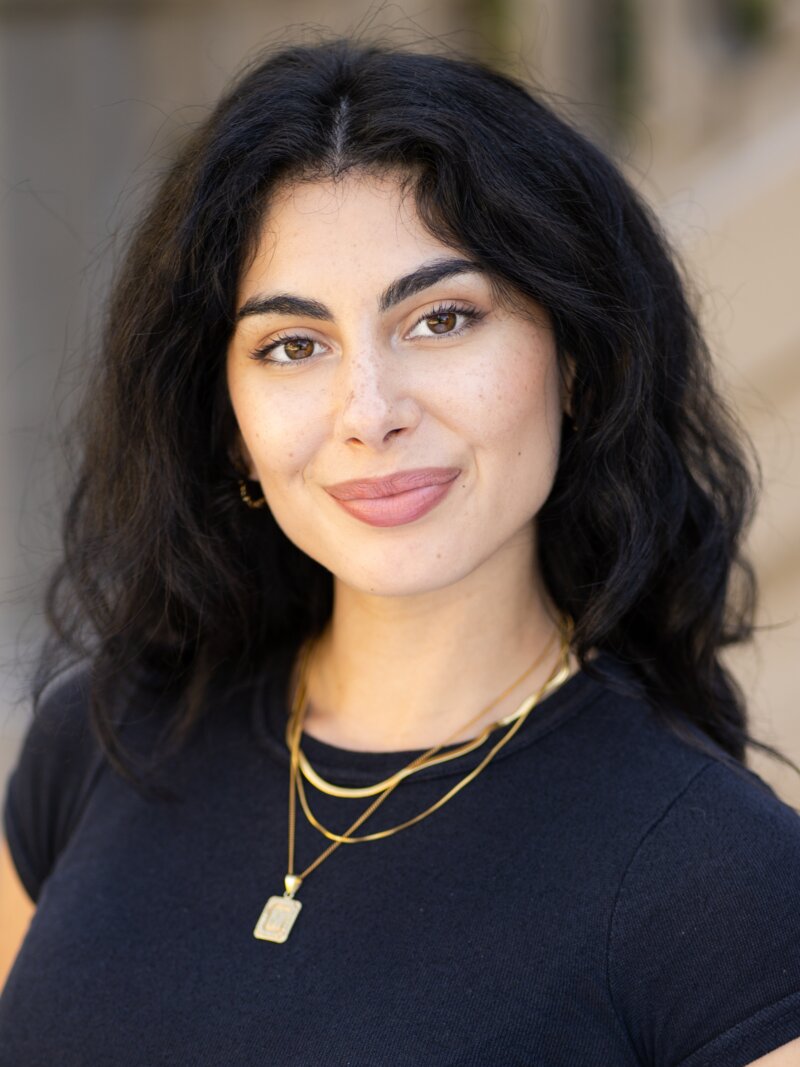
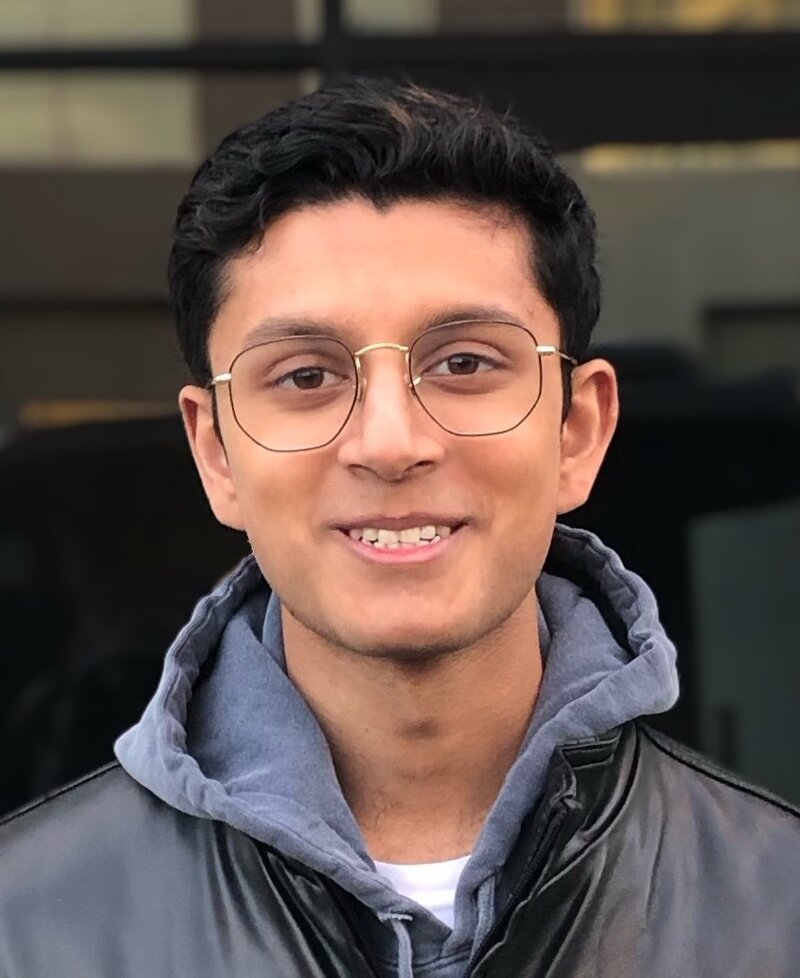
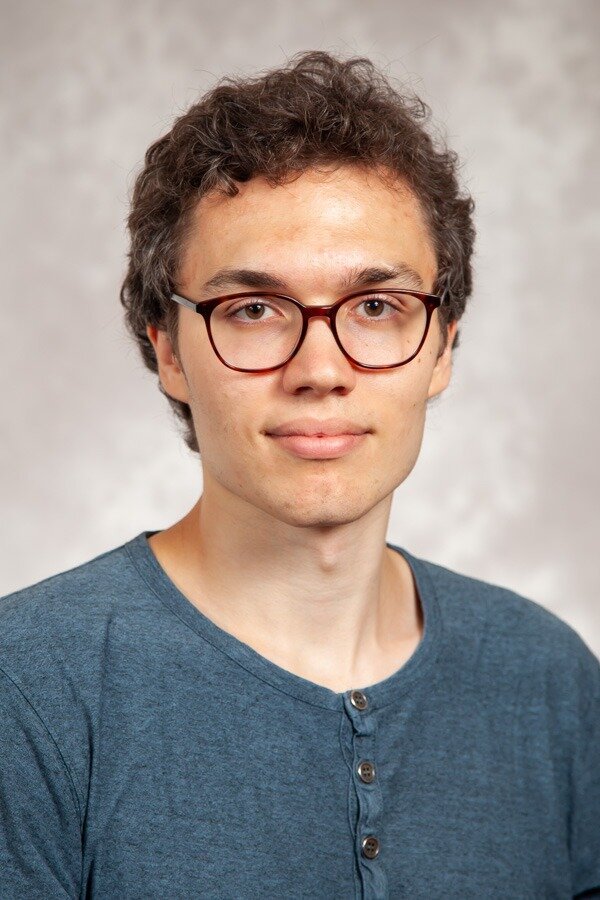
Seth is a senior advisor on research and policy at SecureBio, where he works on AI and biosecurity. He previously completed a Ph.D. at Harvard and postdoctoral research at the University of Chicago.
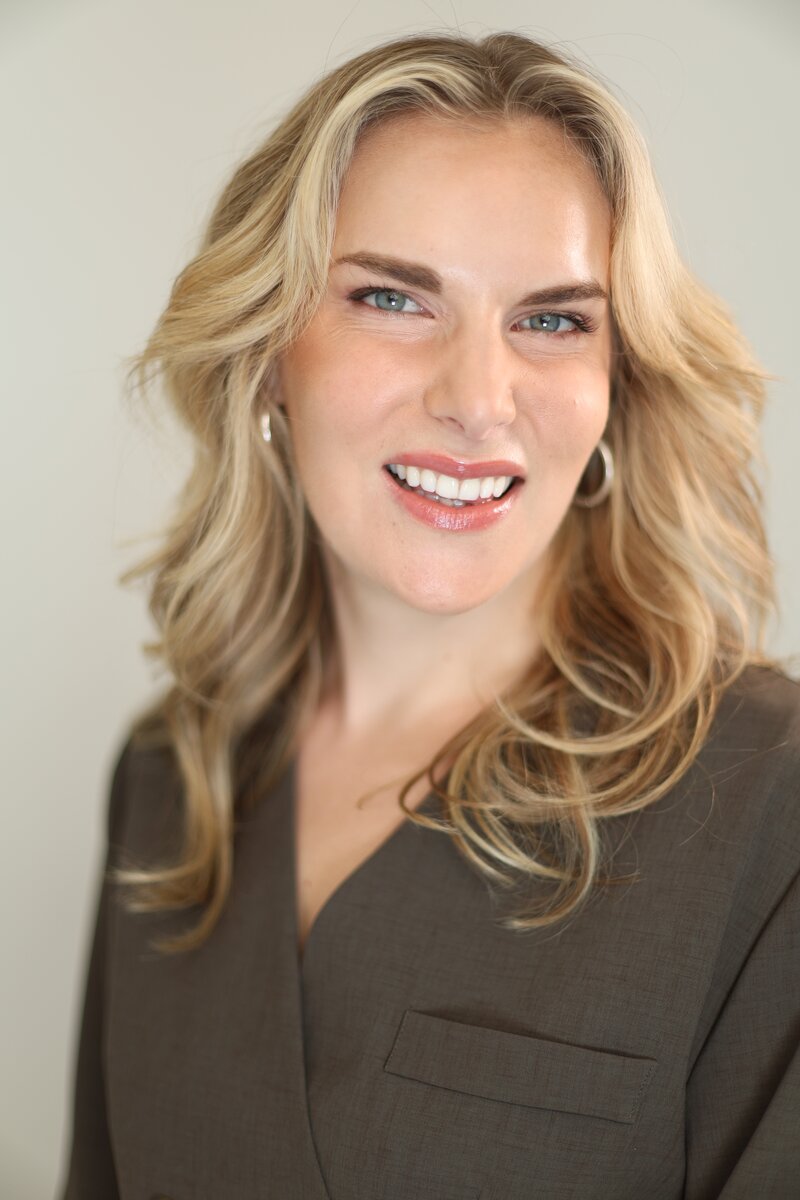
Eric Winsor is a research scientist at the UK AI Security Institute and contributes to adversarial testing of frontier AI model safeguards. Winsor earned a B.S.E. in computer engineering from the University of Michigan.

I was until recently a professional mathematician at the University of Melbourne, where I worked on algebraic geometry, mathematical logic, some aspects of mathematical physics, and most recently statistical learning theory. As of early 2025 I left academia to direct research at Timaeus on AI safety.
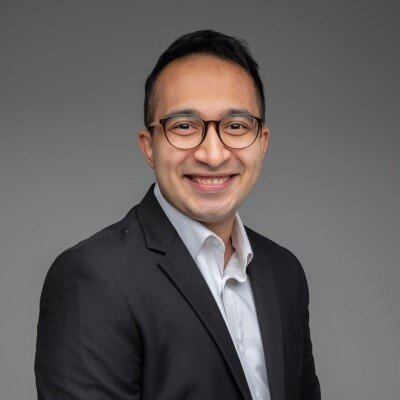
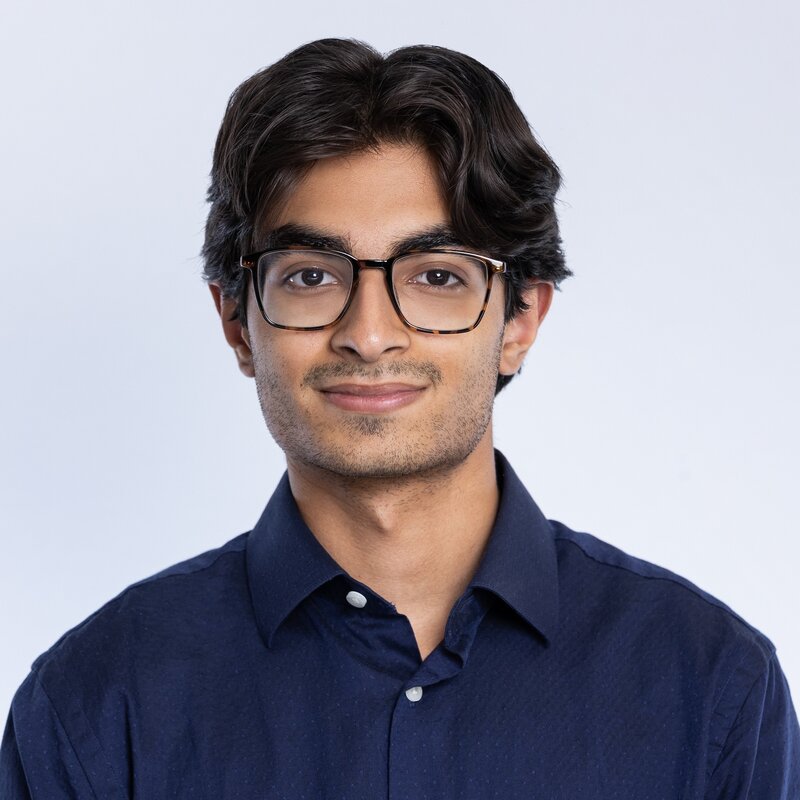
Saad Siddiqui is a senior researcher at Safe AI Forum, where his research examines possible agreement between leading AI powers. He previously worked as a management consultant at Bain and Company in Singapore.
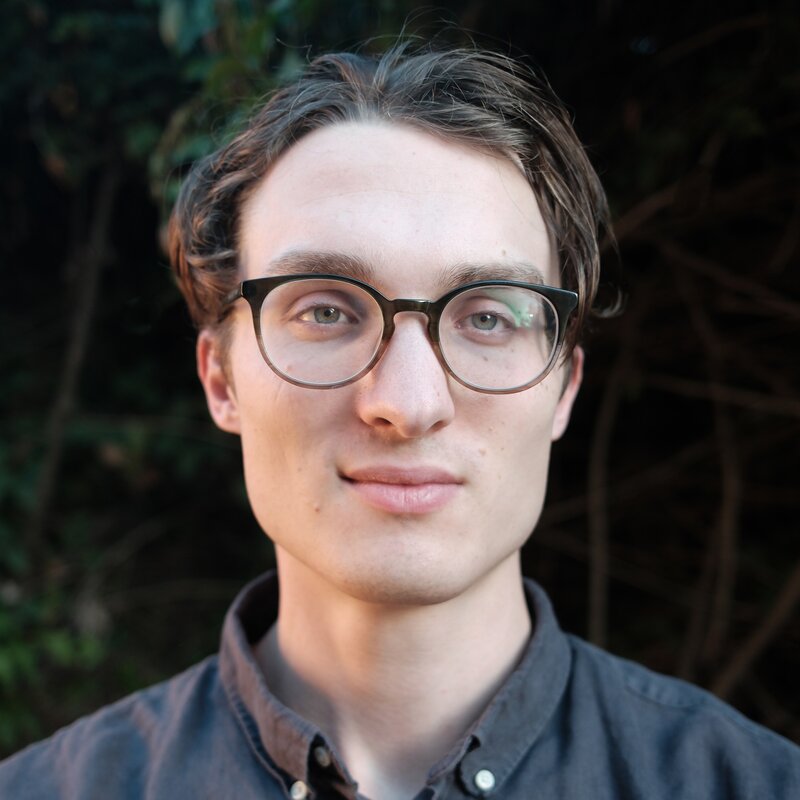
Jesse is the co-founder and executive director of Timaeus, an AI safety non-profit researching applications of singular learning theory (SLT) to AI safety, particularly for interpretability and alignment. Jesse comes from a background in physics and leads several research projects at Timaeus, in addition to being involved in outreach and operations.
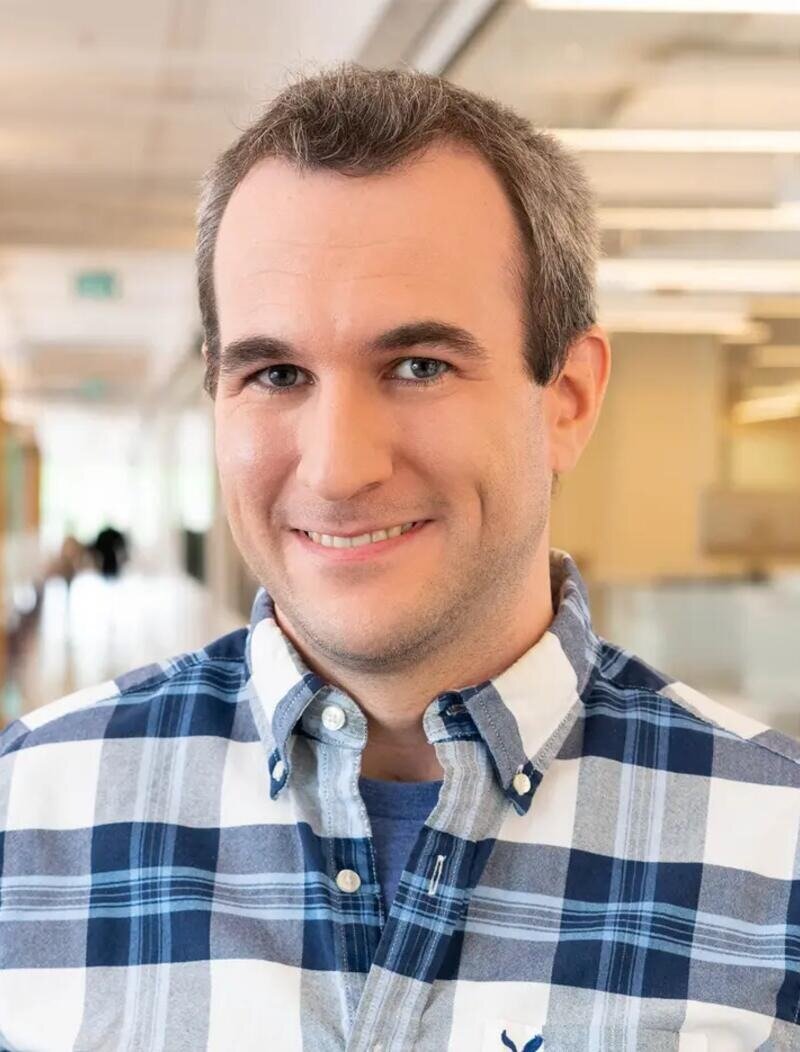
Pierre-Luc St-Charles is a researcher and developer specializing in applied machine learning with over a decade of experience across different non-profit institutes. He has held research roles at the Computer Research Institute of Montréal and senior research roles at Mila, collaborating with industrial partners and multidisciplinary academic teams on innovative projects in natural resources, transportation, digital media, document intelligence, and earth observation. Pierre-Luc earned his PhD in Computer Vision from Polytechnique Montréal in 2018, receiving the departmental Best Thesis Award. In 2024, he joined LawZero, a Mila-incubated organization focused on developing safe AI technologies. He is currently focused on building benchmarks and evaluation methodologies for frontier AI systems.

Isabella is a Senior Researcher at the Safe AI Forum, where she works on U.S.–China coordination on frontier AI safety. Her research focuses on technical governance, particularly building consensus and advancing dialogue on loss-of-control and extreme-misuse risks, with recent work spanning technical misuse safeguards, AI control playbook, and misalignment incidents. She holds an MA in Computational Social Science from the University of Chicago and a BS in Philosophy, Politics, and Economics from University College London.
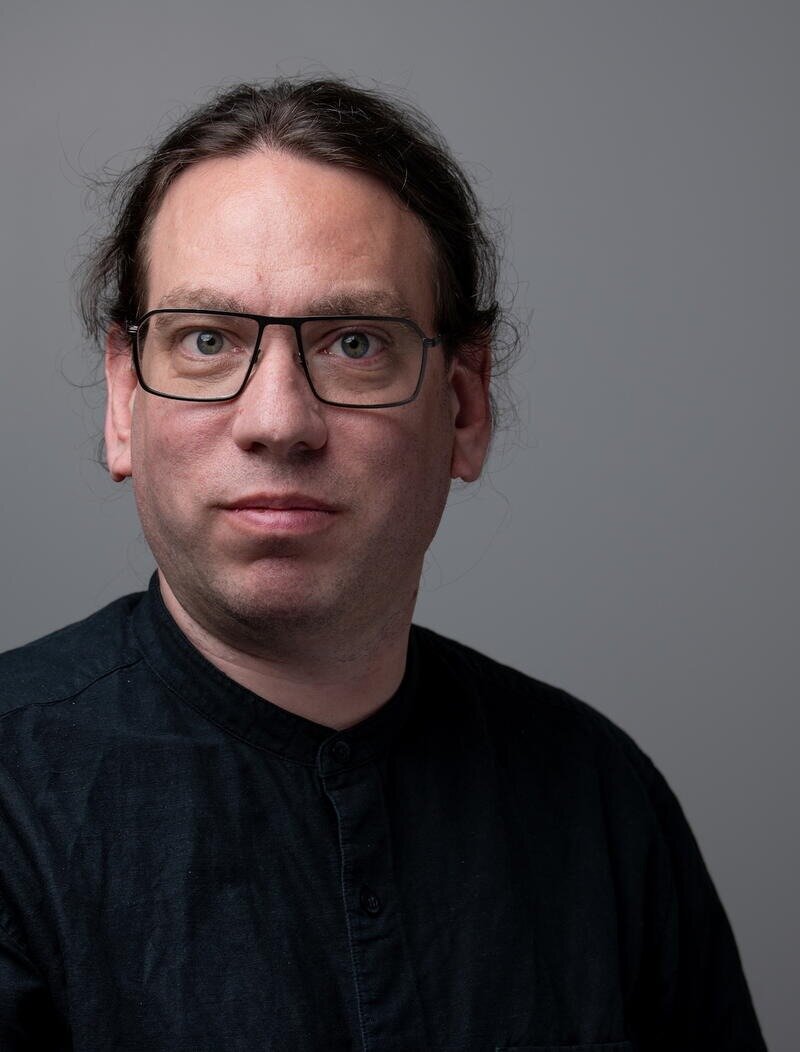
Marc-Antoine is a Research Scientist at LawZero. His main area of expertise is NLP and applied ML, and he is currently applying this to AI safety projects.
His research areas include interpretability and evaluation.
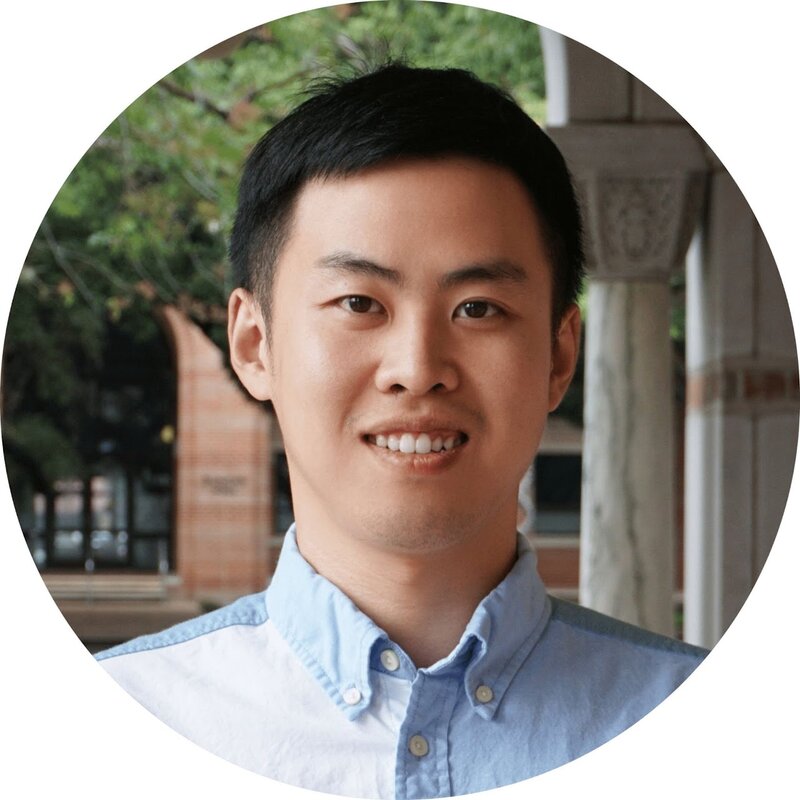
Ruixiang (Ryan) Tang is an assistant professor of computer science at Rutgers University–New Brunswick and leads the Trustworthy and Reliable AI Lab, whose work spans operational interpretability, agent safety and control, and perception reliability. Tang earned a Ph.D. in computer science from Rice University and a B.S. from Tsinghua University.