MATS mentors are advancing the frontiers of AI alignment, transparency, and security
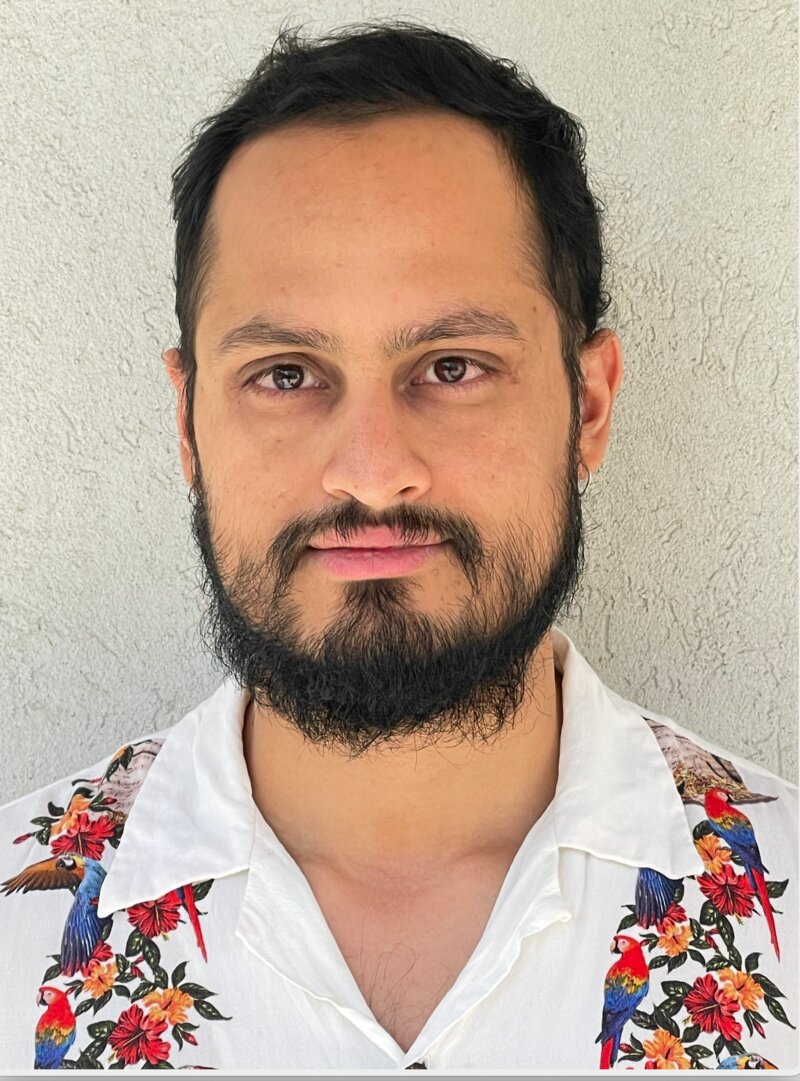
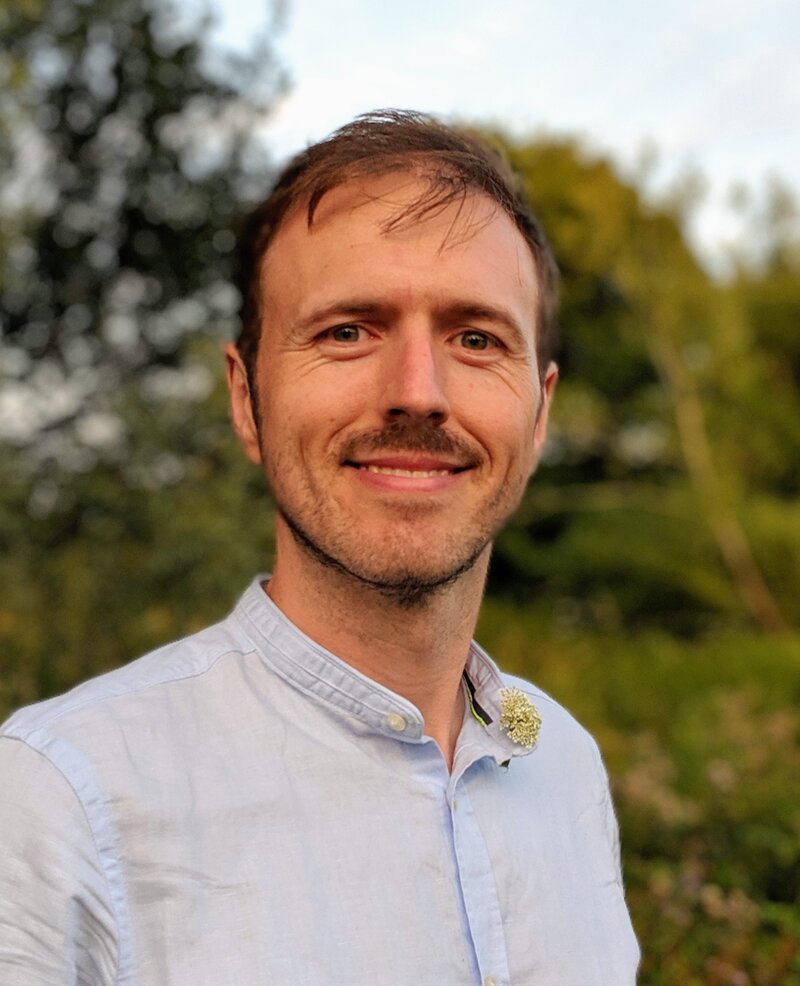
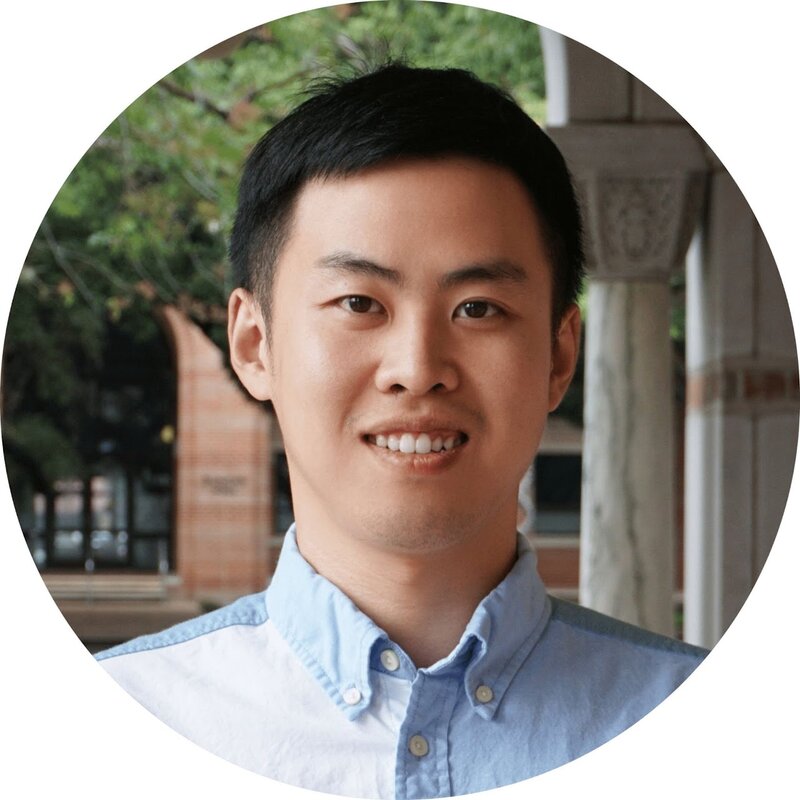
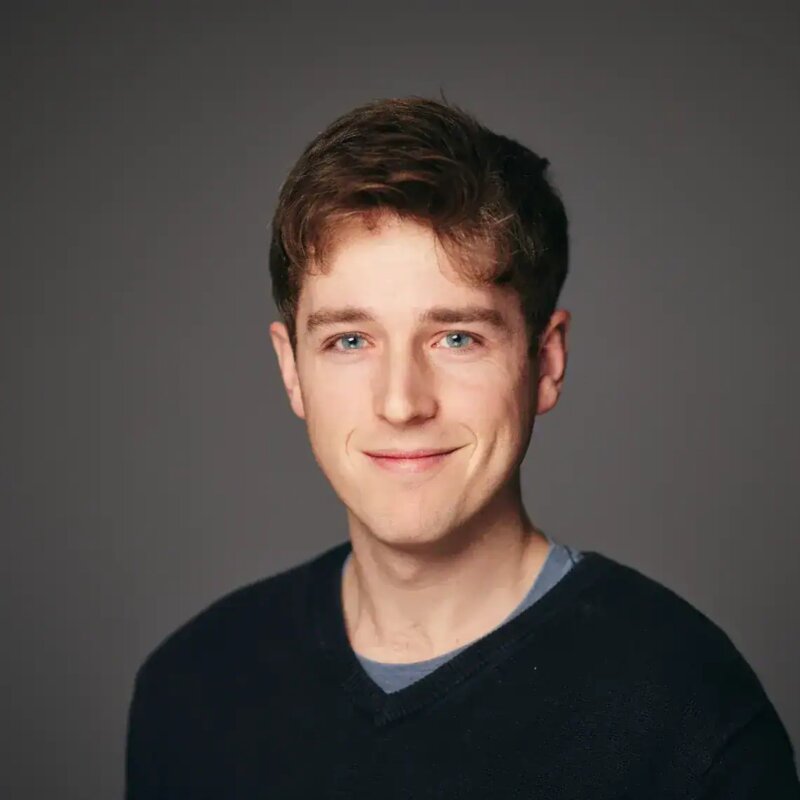
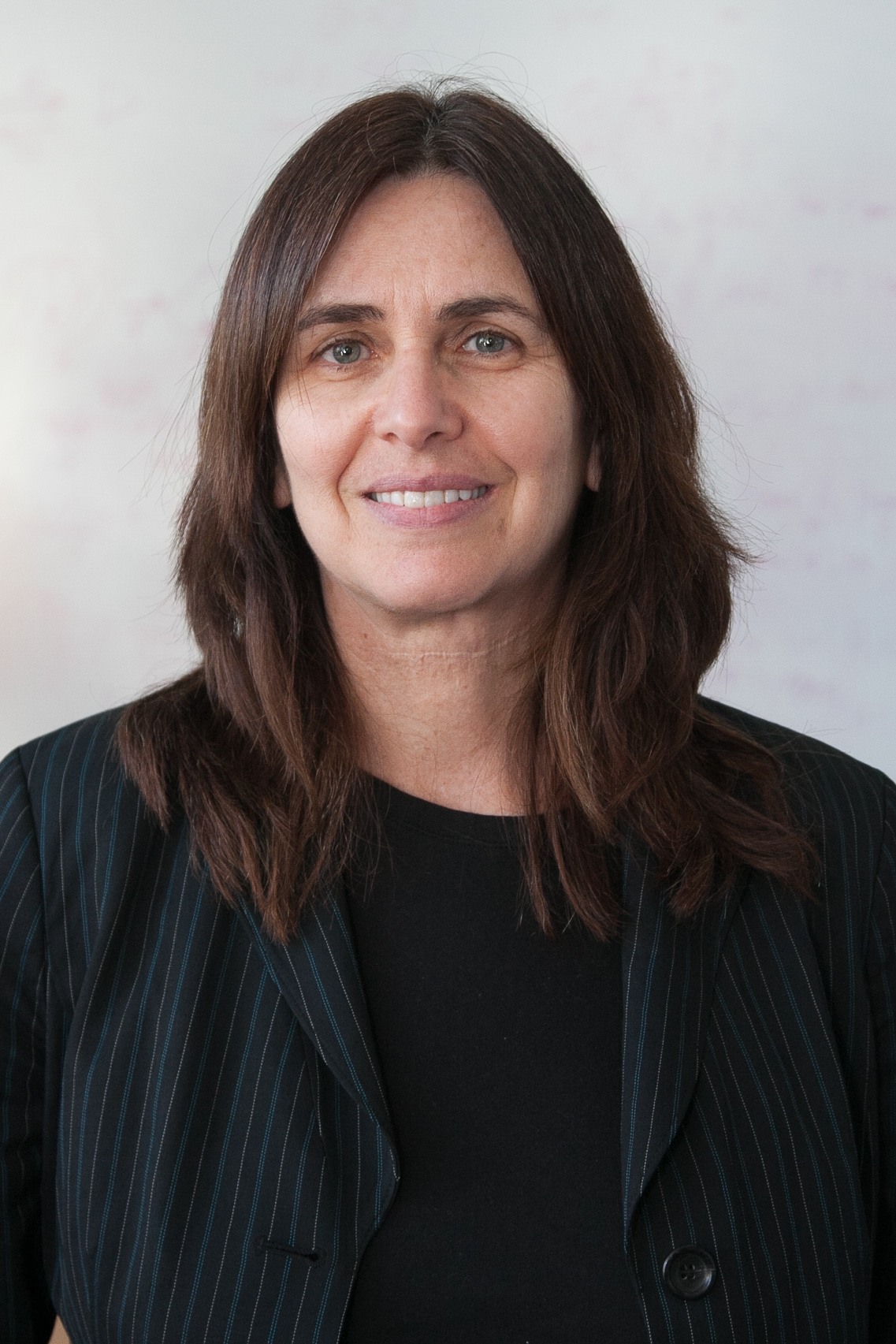
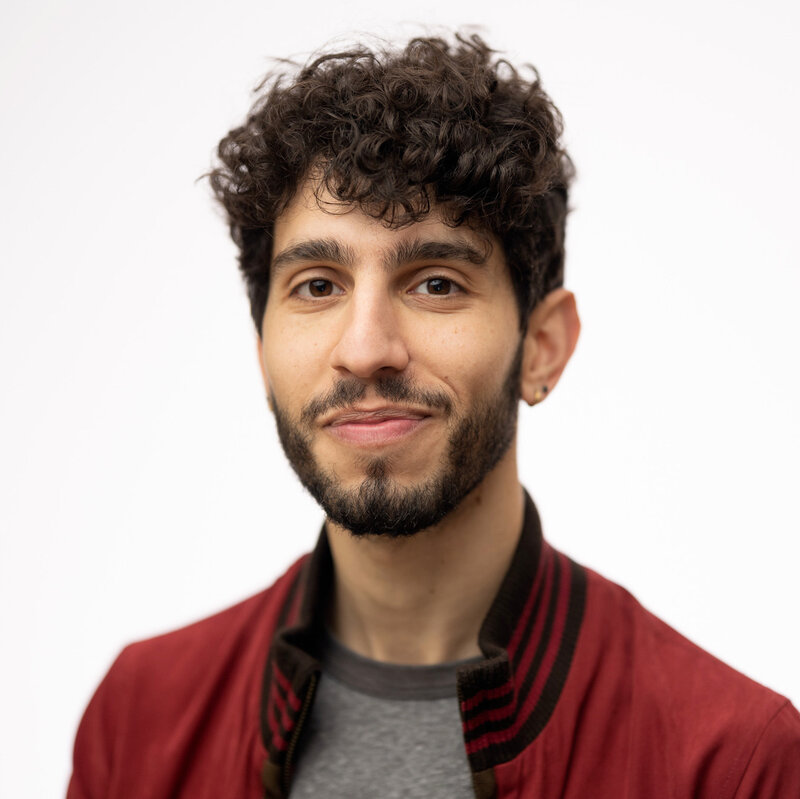
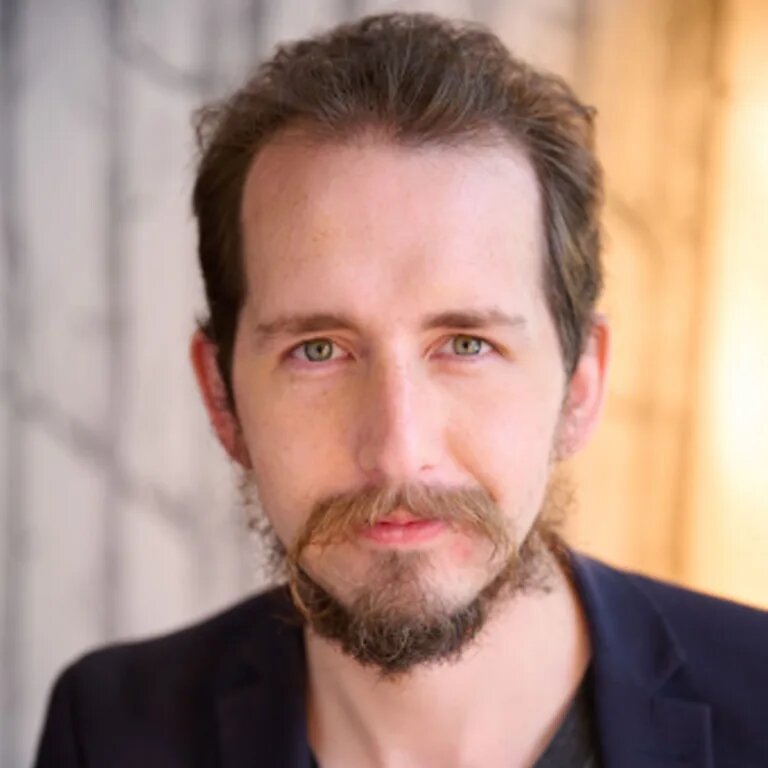

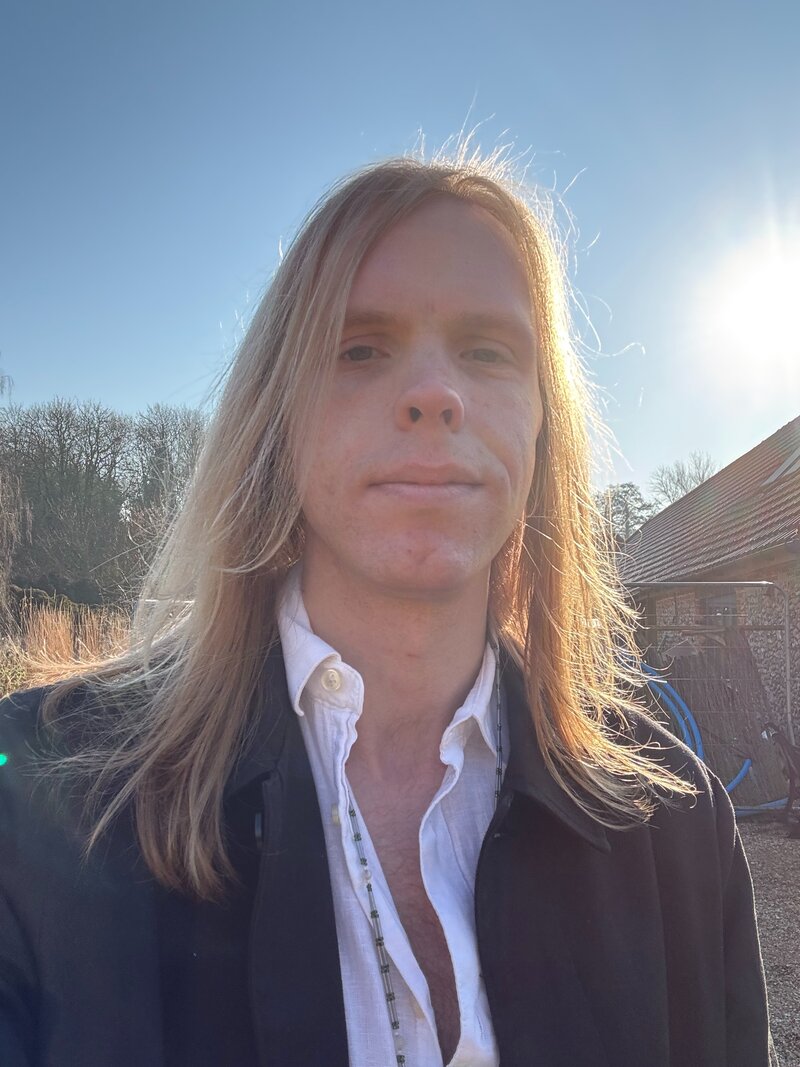

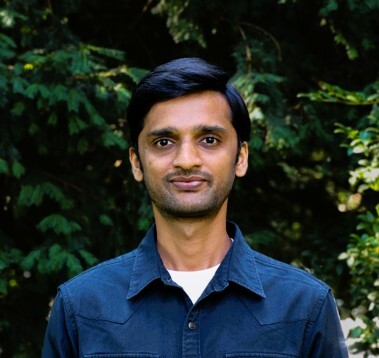
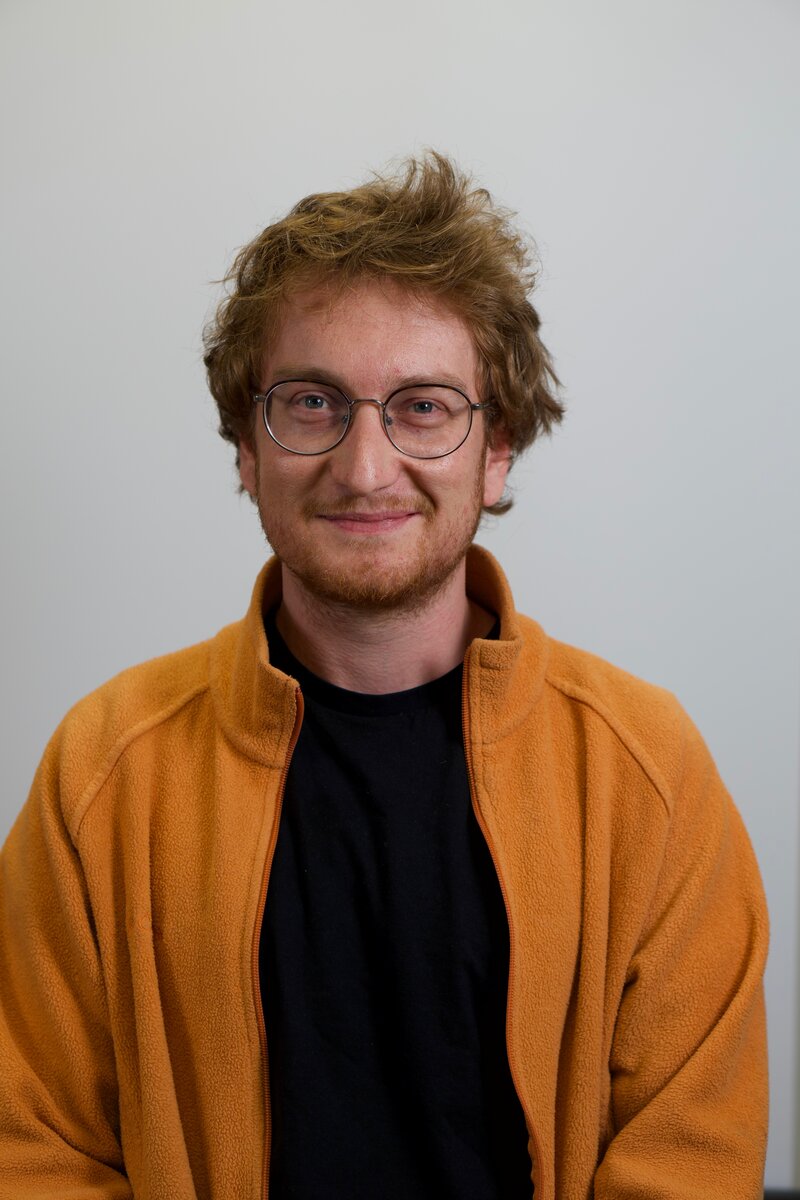
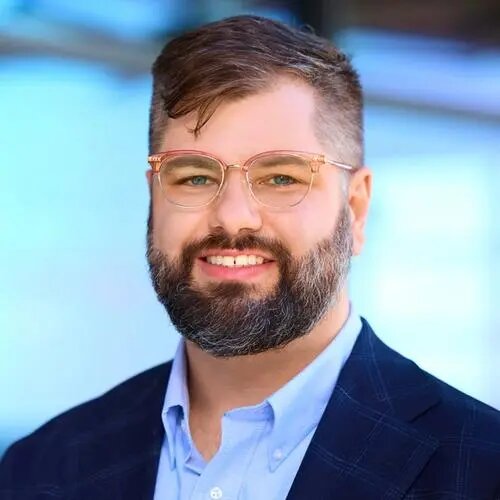
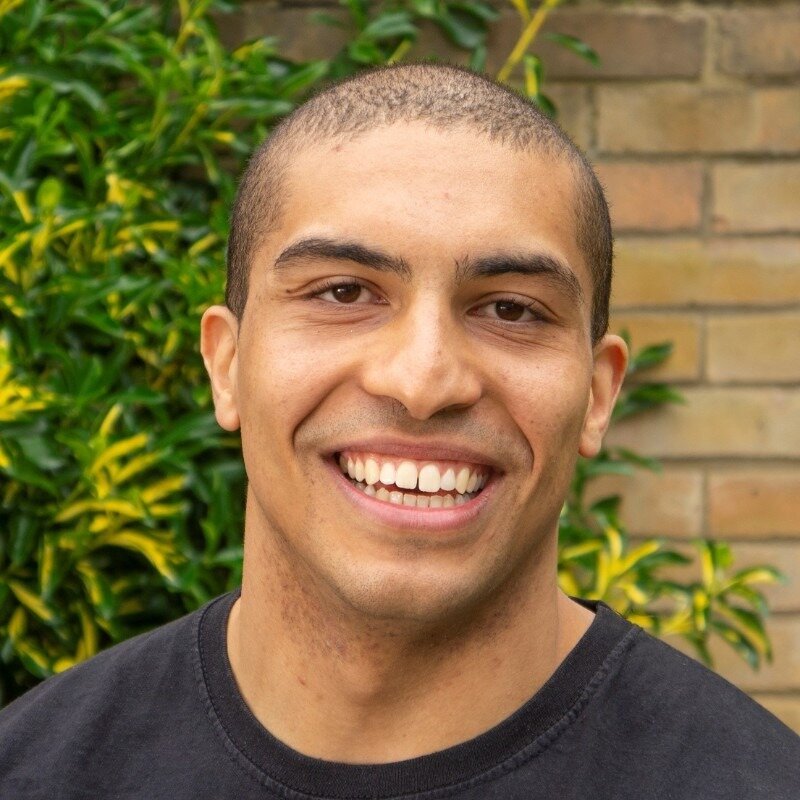
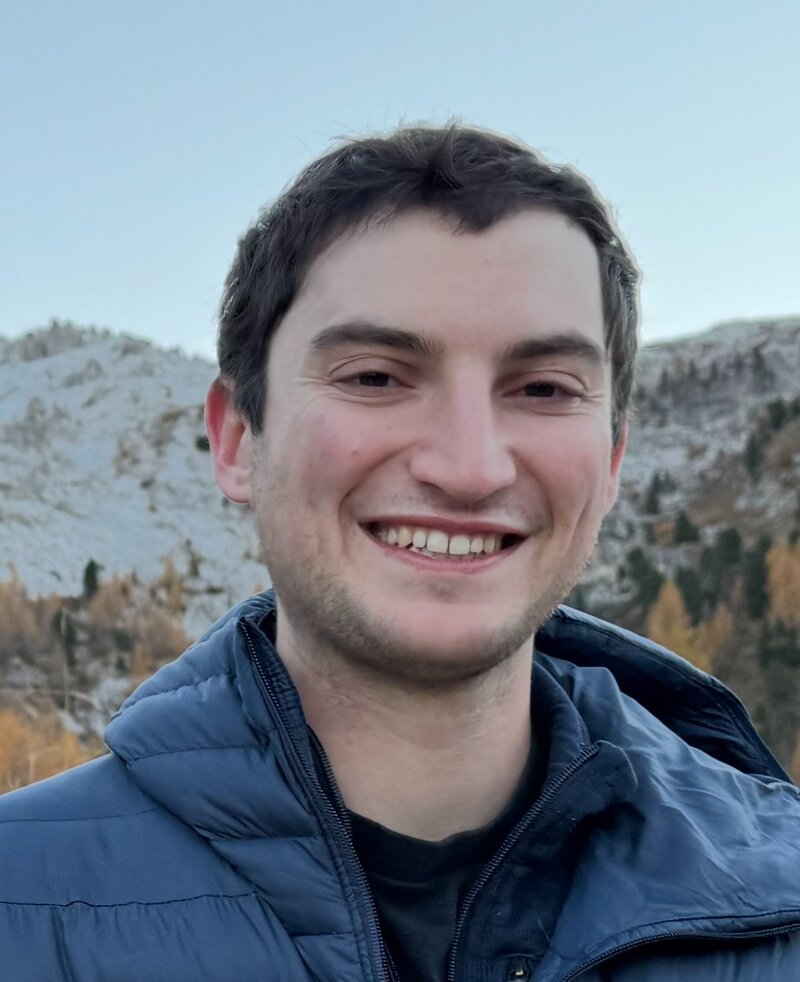
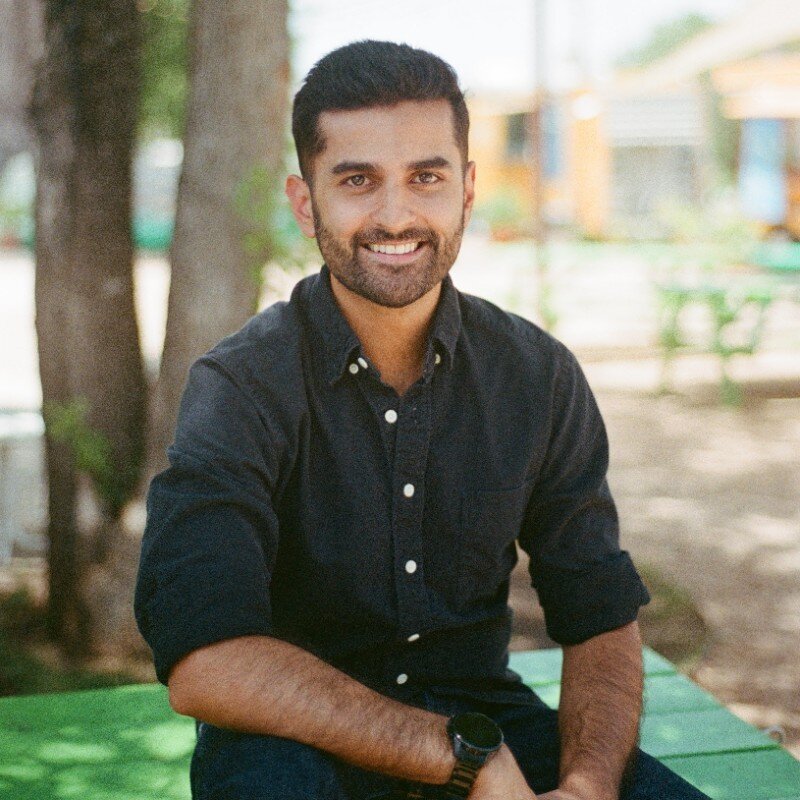
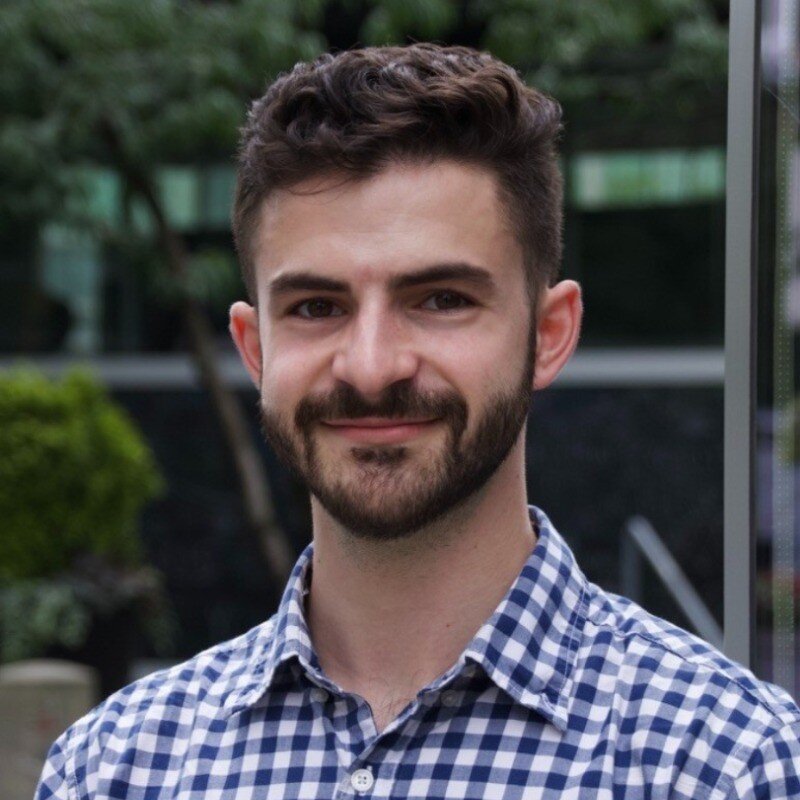
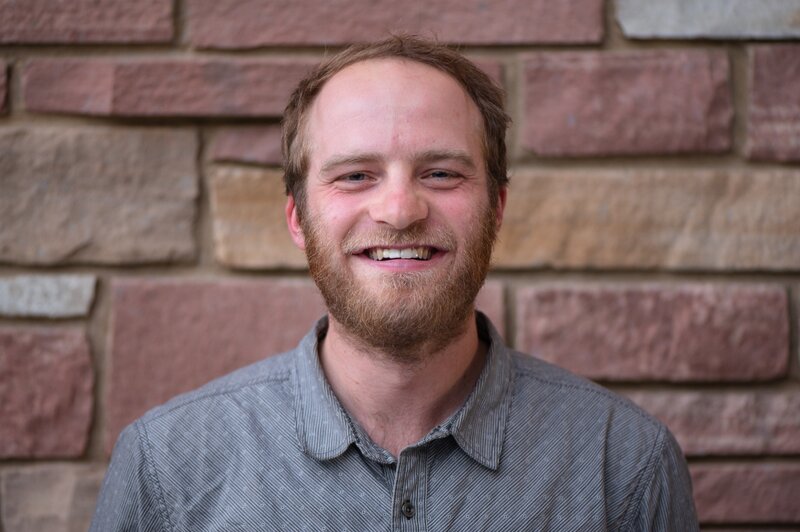

Alan is Head of Autonomous Systems & Control at the UK AI Security Institute, where he works on empirical AI control and monitoring. He co-authored RepliBench, an evaluation suite measuring autonomous-replication capabilities in language-model agents.

Abram Demski is an AI Safety researcher specializing in Agent Foundations, best known for Embedded Agency (co-written with Scott Garrabrant). His overall approach primarily involves deconfusion research in relation to various concepts related to AI risks, including agency, optimization, trust, meaning, understanding, interpretability, and computational uncertainty (more commonly but less precisely known as bounded rationality). More specifically, his recent work focuses on modeling trust, with the objective of clarifying conditions under which humans can justifiably trust AI.

Alexis is the co-founder and CEO of Asymmetric Security. He was previously an AI security fellow at RAND and part of the founding team of GovAI.
I am a researcher at METR.
I think the development of AI is going to be a confusing time for the world. I want to help provide good evidence and methodologies for tracking AI development and risk, so humanity can make sensible decisions.
I've had different roles at different times, including leading task development and our monitoring stream. I like prototyping new kinds of evaluations. I think it's healthy to read transcripts. I'm interested in what capabilities matter for being a competent agent, and why current AI agents fall short. I feel lucky that I get to spend time building an understanding of the models.
I've previously spent time at the Centre on Long-Term Risk and FHI. Before that I studied physics at university, where I did malaria diagnostics research.

Peter is an assistant professor at Princeton University, where he works on reinforcement learning, alignment, and law. He received a J.D. and Ph.D. in computer science from Stanford University.
Cristian is a Research Fellow at Artificial Intelligence Underwriting Company (AIUC). Insurers have been known to play the role of private regulators (such as in commercial nuclear power); his work broadly focuses on how we might steer the insurance market for AI toward an effective private governance regime.
He was previously a Winter Fellow at the Centre for the Governance of AI, and an independent researcher at the AI Safety Student Team at Harvard. He has an M.A. in Philosophy from the University of British Columbia.
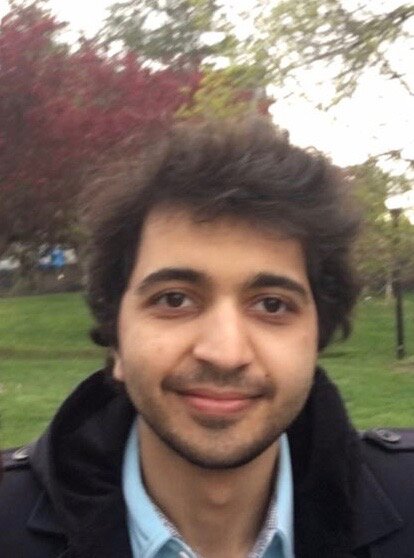
Milad is a research scientist at Anthropic studying how language models affect computer security. Before joining Anthropic, Milad researched AI security and privacy at OpenAI and Google DeepMind.
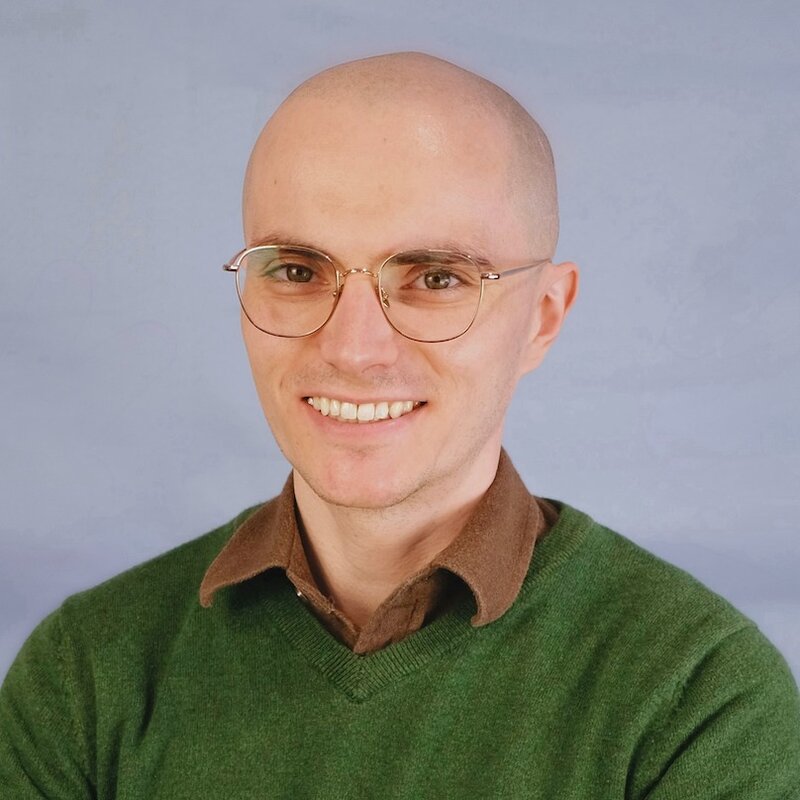
I research AI safety and alignment at Anthropic. Before that, I was a research scientist at Google DeepMind. I completed my PhD at UC Berkeley's Center for Human-Compatible AI, advised by Stuart Russell. I previously cofounded FAR.AI, a 501(c)3 research nonprofit that incubates and accelerates beneficial AI research agendas.
I develop AI alignment frameworks, stress-test their limits, and turn insights into methodology adopted across the field. I have established that chain-of-thought monitoring is a substantial defense when reasoning is necessary for misalignment, designed practical metrics to preserve monitorability during model development, shown that obfuscated activations can bypass latent-space defenses, and developed StrongREJECT, a jailbreak benchmark now used by OpenAI, US/UK AISI, Amazon, and others.

Krishnamurthy (Dj) Dvijotham is a senior staff research scientist at Google DeepMind, where he leads efforts on the development of secure and trustworthy AI agents. He previously founded the AI security research team at ServiceNow Research and co-founded the robust and verified AI team at DeepMind. His past research has received best paper awards at many leading AI conferences, including most recently at ICML and CVPR 2024. His research led to the framework used for AI security testing at ServiceNow and has been deployed in several Google products, including the Android Play Store, YouTube and Gemini.
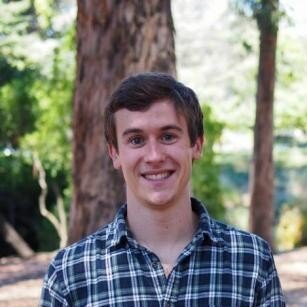
I am an interpretability researcher at Anthropic. I am most interested in simple, practical interpretability approaches that are targeted at making models safer. In a previous life, I worked as a neuroscientist.