
Biosecurity
The Biosecurity Track supports research at the intersection of advanced AI and catastrophic biological risk. We are launching this track because the threat model has shifted. Biological foundation models, LLMs with growing wet-lab uplift, and AI-accelerated design tools are compressing timelines on capabilities that the existing biosecurity stack was not built to absorb. We want fellows pursuing technical work that has a realistic chance of meaningfully shifting outcomes within the next 6–12 months.
- Stage 1: Complete the general application, including track specific short-response questions
- Stage 2: Streams requiring empirical ML skills will include a standardized ML skills test. Other streams, which require more specific backgrounds, will skip directly to stream selection questions
- Stage 3: Interviews and work-tests
The track spans six research areas. Fellows are matched to mentors based on fit, and projects are scoped to produce concrete artifacts (e.g., papers, evals, prototypes, or policy analyses) by the end of the program.
- Detection
Metagenomic surveillance pipelines for pandemic-grade pathogen detection, genomic language models for novelty detection, and improved signal/noise at the front end of the surveillance stack. - Medical countermeasures
AI-accelerated discovery of antiviral peptides under pandemic-response constraints, paired with realistic analysis of the manufacturing and supply-chain bottlenecks that determine whether candidates actually reach patients. - AI for synthesis screening
Function-based DNA sequence screening using mechanistic interpretability and ML on biological foundation models (i.e., classifiers that catch hazardous sequences), including engineered and AI-designed variants meant to evade homology-based screens. - Physical biodefense
Engineering work on emergency biodefense infrastructure, such as PPE, filtration, far-UVC, decontamination, and improvised protective systems for worst-case scenarios. Deliverables here are often physical or quasi-physical. - Strategy and threat modeling
Policy and forecasting work on AI-bio, including evaluating policy levers, forecasting when AI trivializes specific offensive or defensive capabilities, and analyzing deterrence via physical chokepoints (e.g., synthesis screening governance, cloud-lab access controls). - Empirical AI × bio — defending against AI
Red-teaming biological AI models for dangerous capabilities, building technical defenses (e.g., genetic engineering attribution, data governance), and developing dangerous-capability evaluations for frontier AI-bio.
We expect fellows to engage seriously with infohazard considerations and to operate within a publication and disclosure framework that mentors will work through with fellows early on in the program. We anticipate that strong candidates will come from a variety of backgrounds, including biology, AI safety, public health, epidemiology, machine learning, engineering, chemistry, biosafety, biosecurity, and national security. If you're uncertain whether your background fits, apply anyway and tell us how you think about the threat model. Reasoning is more informative to us than credentials are.
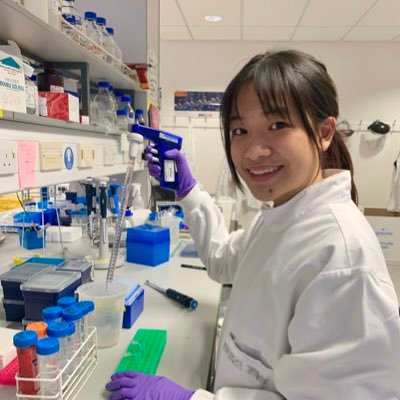


This stream will work on projects that empirically assess national security threats of AI misuse (CBRN terrorism and cyberattacks) and improve dangerous capability evaluations. Threat modeling applicants should have a skeptical mindset, enjoy case study work, and be strong written communicators. Eval applicants should be able and excited to help demonstrate concepts like sandbagging elicitation gaps in an AI misuse context.

AIxBio projects on biological data, biological AI models, and their interactions with GPAIs, to directly progress the maturity of interventions and reduce strategic/technical uncertainties. Some projects may be scoped to directly inform Sentinel's AIxBio strategy and resource allocation.
I work on the science of evaluating advanced AI systems for biological and CBRN risks, with a particular interest in translating technical evidence into decisions by governments and frontier AI developers. In this stream, I’m interested in developing novel capability evaluations, studying how dangerous or dual-use capabilities diffuse into increasingly accessible models, and building scalable red-teaming methods that produce rigorous, decision-relevant evidence without requiring risky real-world demonstrations.