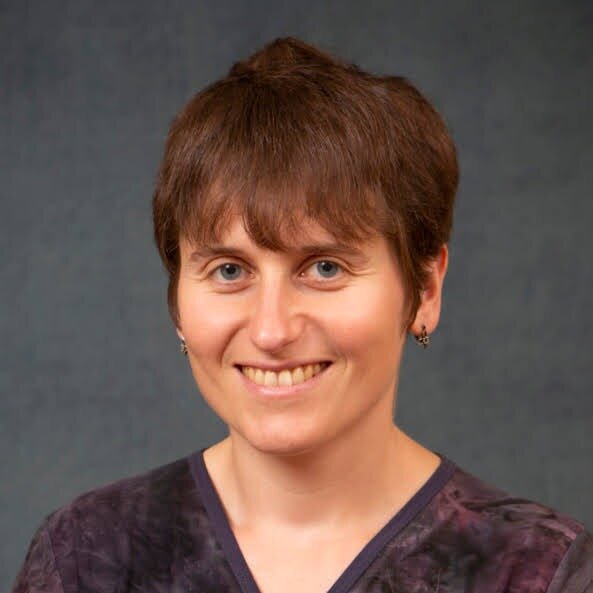
Roger Grosse
Roger Grosse’s stream investigates how to improve influence functions and other training data attribution methods, and uses these tools to study alignment-related phenomena such as out-of-context reasoning and emergent misalignment. The ideal scholar has experience with LLM internals, strong statistics/applied math skills (especially numerical linear algebra), and can independently drive research from literature review through experimentation and analysis. Roger provides shovel-ready projects while giving exceptional scholars freedom to pursue their own ideas, and is open to scholars collaborating with others.
Stream overview
Ways to improve influence functions and/or other training data attribution methods, and/or to use training data attribution to understand alignment-related phenomena such as out-of-context reasoning or emergent misalignment.
Mentors
Roger Grosse is an associate professor of computer science at the University of Toronto and a member of Anthropic’s Alignment Science team, where he works on training data attribution. He earned his PhD in computer science from MIT.
Mentorship style
I will meet with scholars 1 hour per week by default, and will be available to answer questions on Slack roughly daily.
Fellows we are looking for
- Experience working with LLM model internals
- Strong background in statistics and/or applied math (esp. numerical linear algebra)
- Ability to carry out research independently on the timescale of weeks (reading the literature, formulating and carrying out experiments, interpreting results)
- Ability and willingness to dig into details to get at the root causes of phenomena
Project selection
I will give the scholar the level of freedom they are ready for. I will be prepared with focused, shovel-ready projects, but exceptional scholars with a vision they are excited about will have the flexibility to pursue it.
The Winter 2026 cohort offers a wide range of research streams led by experts across AI alignment, interpretability, governance, and safety. Each stream provides its own research agenda, methodology, and mentorship focus.