The Winter 2027 program will run for 12 weeks, from January 19th to April 10th, in Berkeley, CA and London, UK, with remote options also available. Fellows will receive mentorship from world-class researchers at organizations like Anthropic, Google DeepMind, OpenAI, Redwood Research, and ARC, with the option to apply for a 6–12 month funded extension beyond the main program.
Applications are now closed.
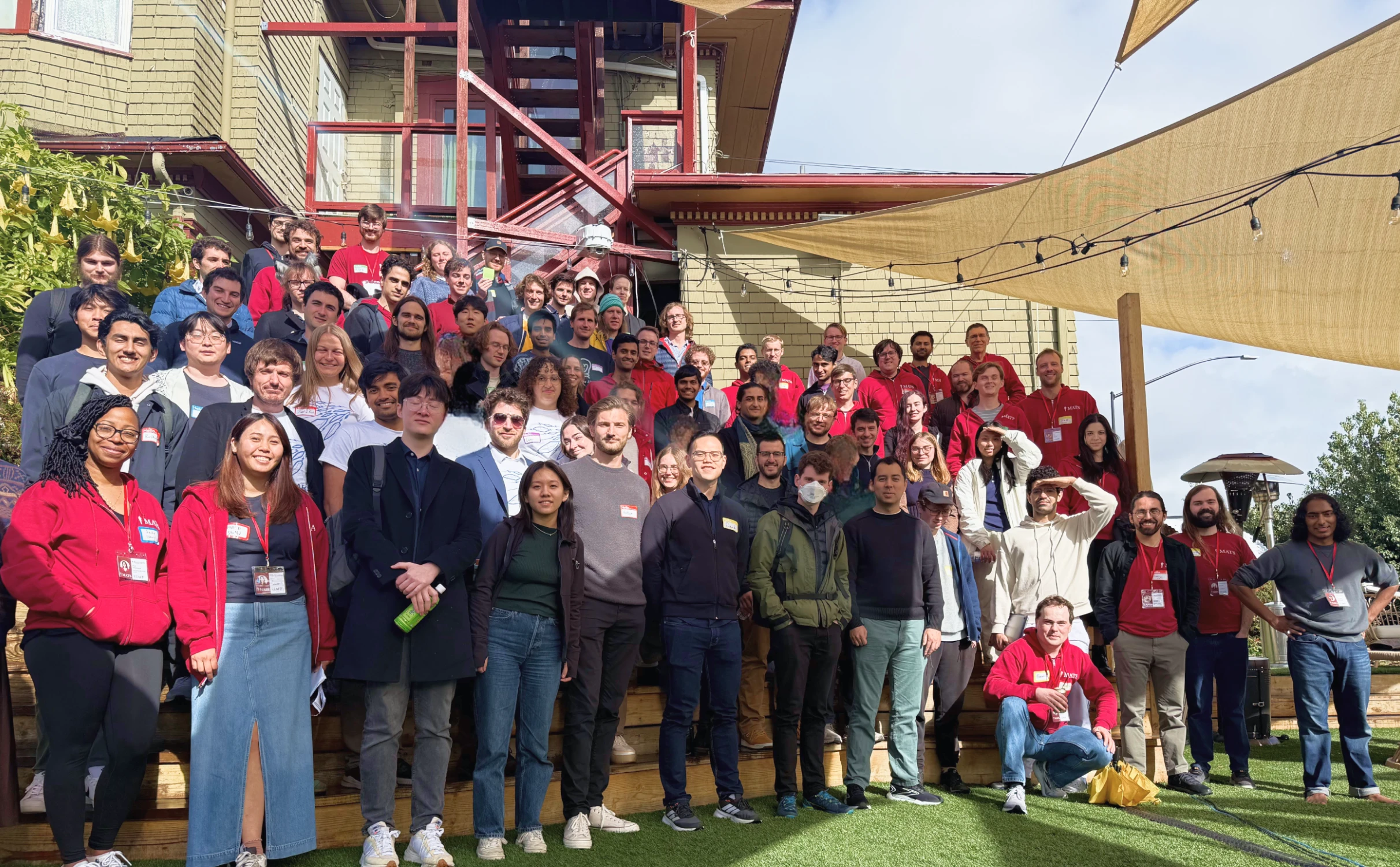
Key dates for the application and admissions timeline
Applications typically open several months before the program begins. Applicants complete a multi-stage admissions process, beginning with a general application. Depending on the tracks, streams, and mentors they apply to, applicants may also complete additional evaluations such as interviews, work tests, coding assessments, or writing samples before final admissions decisions are made. More information can be found on the apply page.
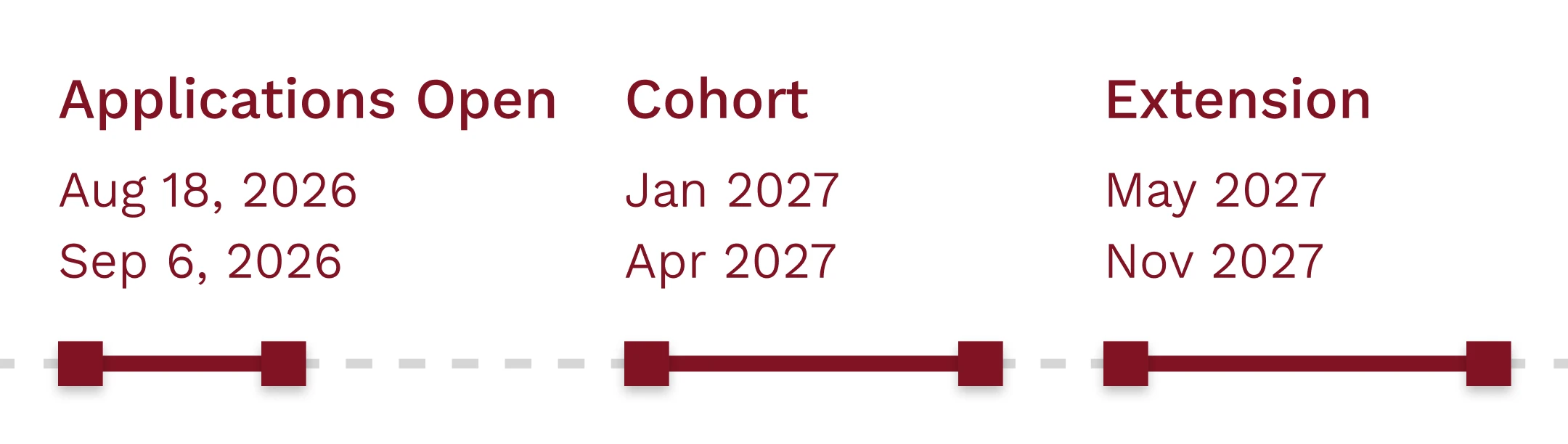
The main program is a 12 week full-time research fellowship. Fellows work closely with one or more mentors on independent research projects while participating in workshops, talks, office hours, and the broader MATS community. Research directions are developed collaboratively with mentors, with increasing independence throughout the program.
The extension phase typically begins approximately two weeks after the main program concludes. Fellows who demonstrate strong research potential during the main program may apply for a funded 6 to 12 month extension. Extension fellows continue developing independent research with ongoing mentorship and support, typically working from MATS offices or other approved research locations. In recent cohorts, roughly 80% of fellows who applied to the extension phase were accepted.
MATS aims to accelerate researchers who will:
MATS alumni have gone on to publish safety research, join alignment organizations–including Anthropic and MIRI–and found an alignment research lab. You can read more about MATS alumni here.
In Stage 1, applicants apply to one or more tracks (broad research areas): Empirical, Theory, Strategy & Forecasting, Policy & Governance, System Security, Biosecurity, and Founding & Field-Building. In Stage 2, advancing applicants choose specific streams within those tracks, each led by one or more mentors with their own research agenda. You can view this list below or as a grid here.
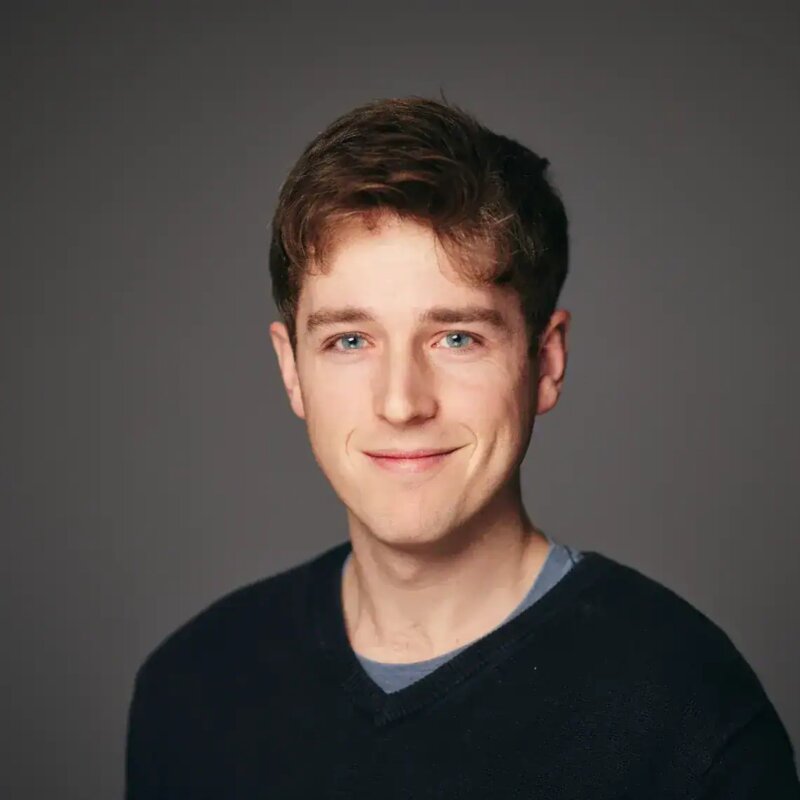
This stream develops and analyzes protocols for verifying AI compute usage, including technical approaches to verification and their implications for AI development.
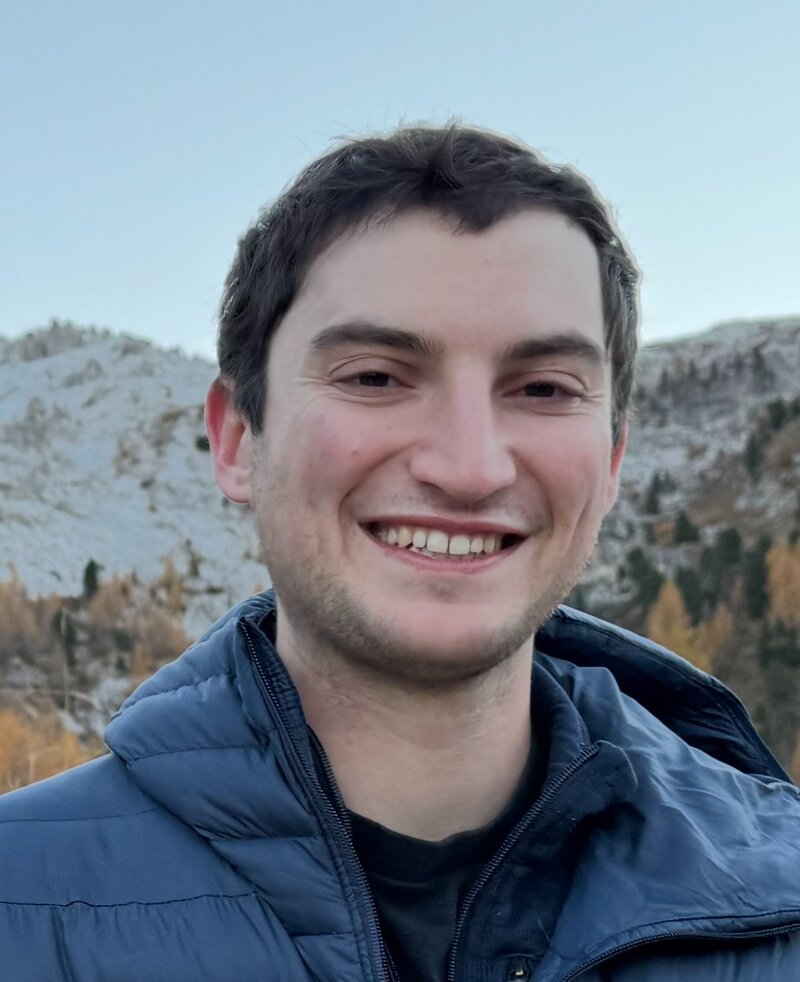
I'm interested in better understanding and controlling how post-training causes alignment-relevant behavior. This is a pretty broad area, and I’m open to many approaches to these problems! Potential areas of study / methods of attack might include model organisms, training run science/ablations, root causing strange behaviors, or studying how best to robustly induce behaviors or values or beliefs into models.
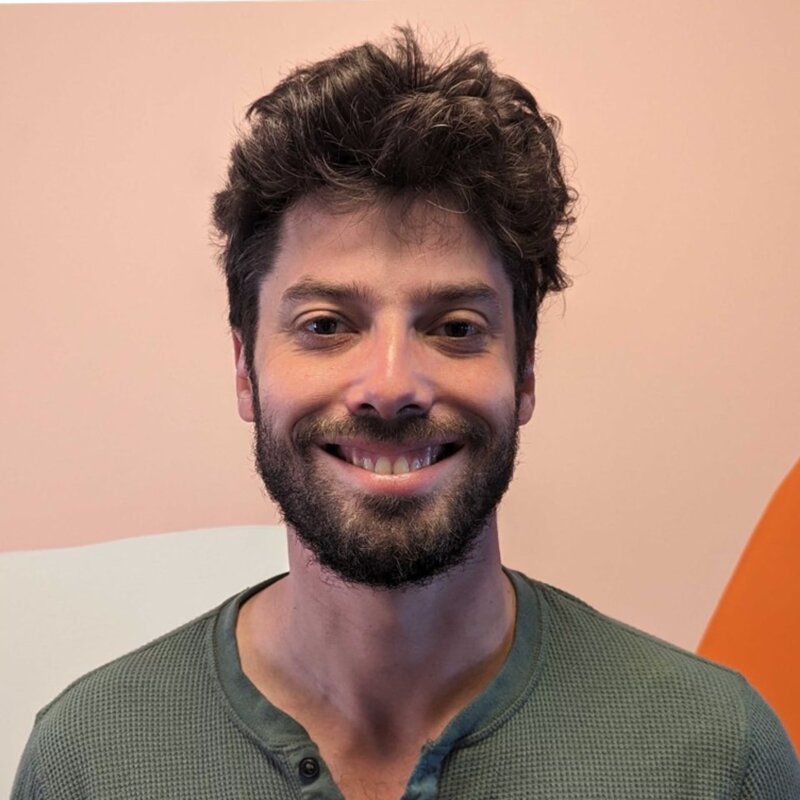
This stream focuses on building companies in AI assurance infrastructure, from energy and physical networking to authentication and interpretability.
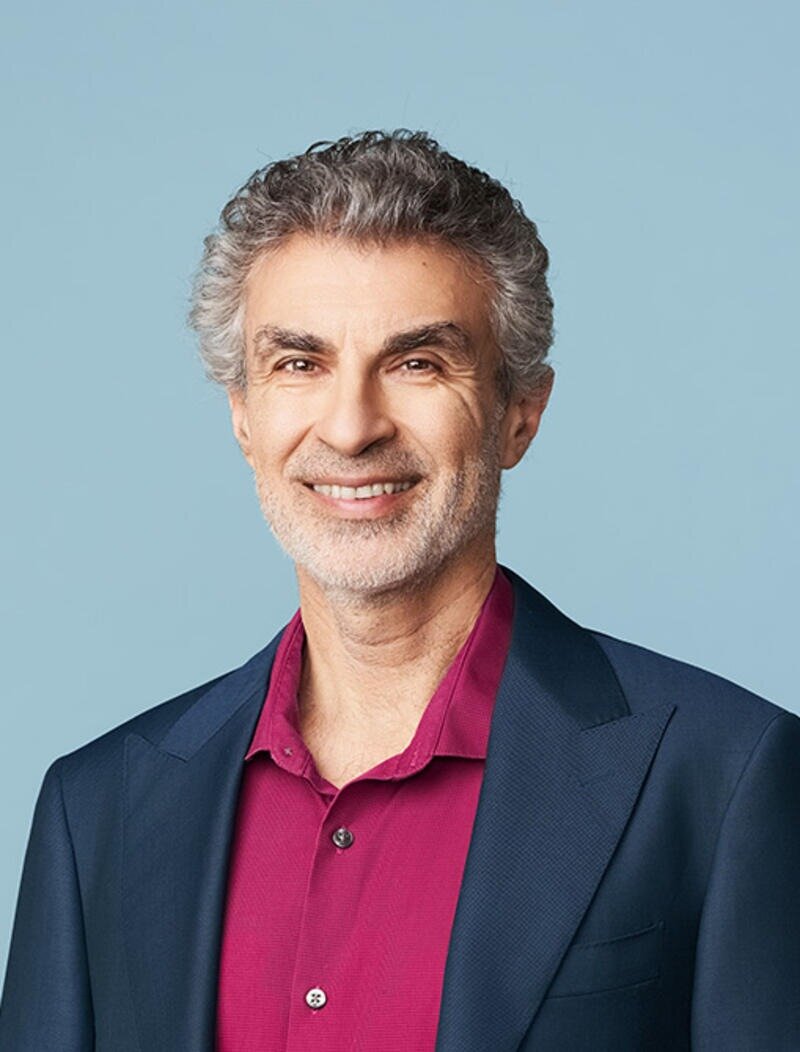
Strong candidates range from successful empirical ML researchers, who want to take their research into the real world, to people with a founding engineering or security background.
Scholars either propose a project or shape one with us from a shortlist of open problems drawn from what we see across the assurance landscape. We scope the work together early to achieve the most progress during the program.
We are excited to supervise projects:
1. Study the causes and implications of situational awareness, and the role that meta-cognition plays in (multi-agent) alignment;
2. Contribute to LawZero's Scientist AI, in the form of contextualization and uncertainty estimation.
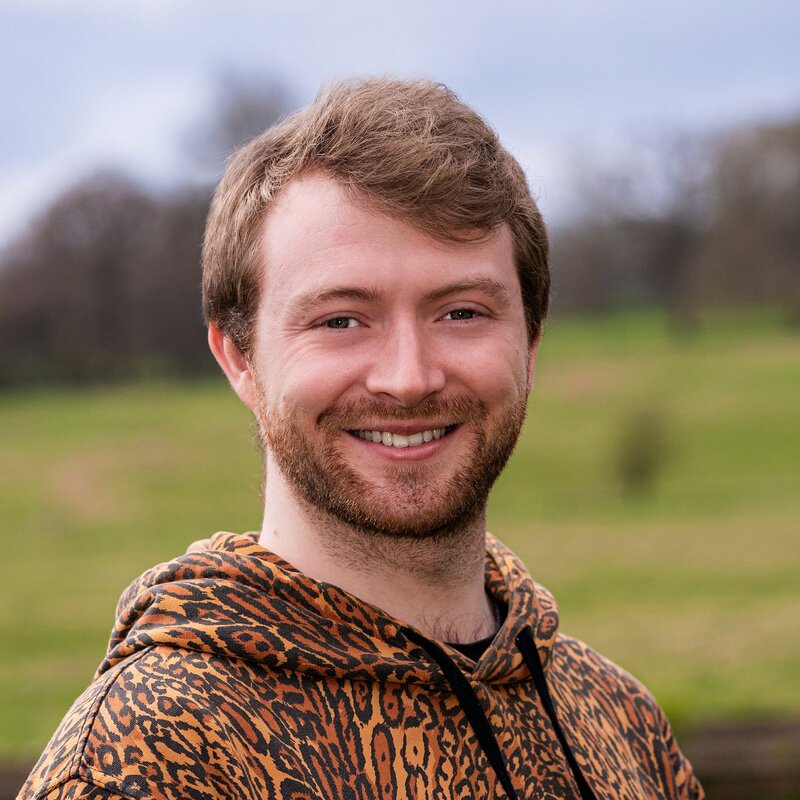
Essential knowledge:
Essential experience:
Desired experience:
Bonus:
Lee's stream will focus primarily on improving mechanistic interpretability methods for reverse-engineering neural networks.
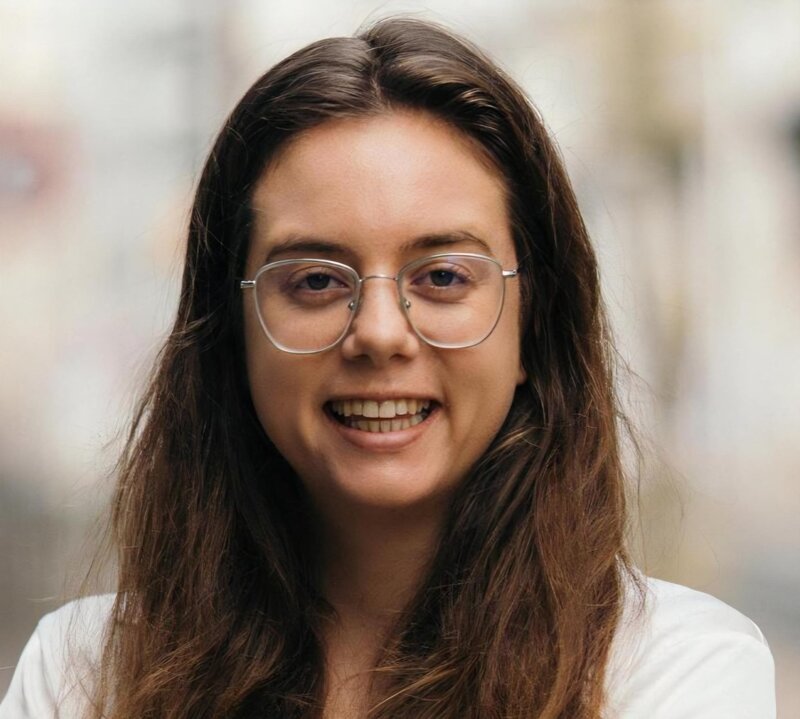
Mentorship looks like a 1 h weekly meeting by default with approximately daily slack messages in between. Usually these meetings are just for updates about how the project is going, where I’ll provide some input and steering if necessary and desired. If there are urgent bottlenecks I’m more than happy to meet in between the weekly interval or respond on slack in (almost always) less than 24h. We'll often run daily standup meetings if timezones permit, but these are optional.
In general I'd like projects in my stream to at least be conceptually informed by parameter decomposition, manifolds, and minimum description length framings of interpretability, if not build on them directly.
Scholars and I will discuss projects and come to a consensus on what feels like a good direction. I will not tell scholars to work on a particular direction, since, in my experience, intrinsic motivation to work on a particular direction is important for producing good research.
This stream works on frontier AI regulation, including understanding and assessing existing regulatory frameworks and developing proposals for new or amended regulation.
The stream focuses on evaluating and/or mitigating catastrophic risk emerging from dangerous scientific capabilities in frontier AI systems, with an emphasis on the challenges that emerge from lab integrations and novel science. Potential research directions include evaluation design, risk mitigations and evaluation science.
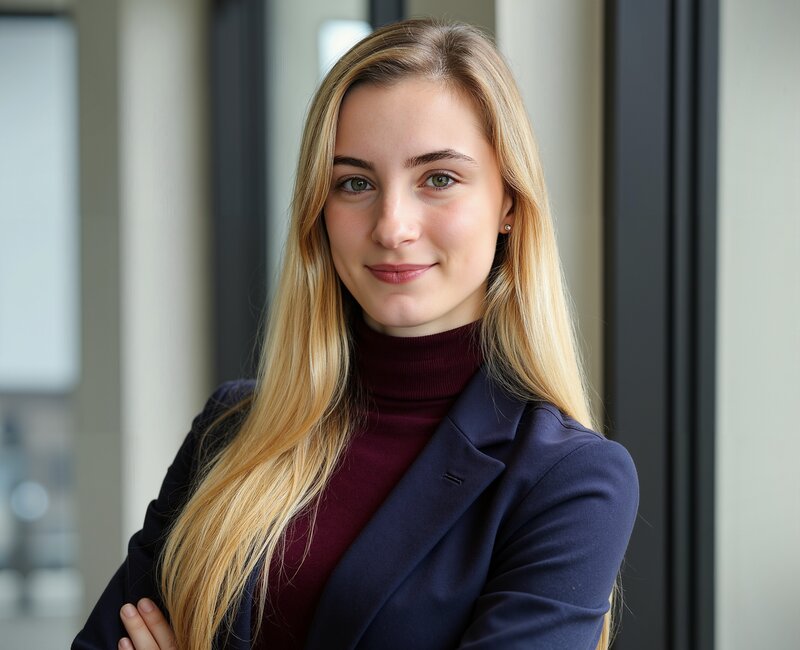
We can schedule a weekly 1h meeting, for general progress updates, sharing results, and overall guidance. I would be reachable on Slack as well for async comms. Happy to jump on ad-hoc calls for specific discussions or pair coding/debugging. I am based in London and I work UK hours (10am-7pm), but I also visit the US (Boston) a few times a year.
I will work with the fellow to find the right project that suits their interest within the directions spelled out above. I will pitch a few project ideas and support the fellow in making the decision. I also welcome project suggestions; in those cases I would work with the fellow to scope it appropriately.
The SL5 Task Force will build out a prototype SL5 datacenter this year together with frontier AI labs. This will be a massive research and engineering project with many avenues for spinning out new organizations and research programs. This project is urgent due to this technology being needed in the next 1 to 2 years.
We will meet at least 1h a week synchronously and communicate daily via stand-ups on slack. I typically respond within a few hours for additional feedback and within 1-3 days for indepth code or other review. Scholars can also schedule adhoc calls with me or my co-mentor Luis if they're stuck.
You may have the option to join company meetings and work from our offices 1+ days a week to collaborate with SL5 engineering staff.
This stream is best for strong technical IC's looking to move into research lead / tech lead / org lead positions in the future.
Essential:
Preferred:
Not a good fit:
The MATS Program is supported by a diverse and highly respected group of mentors — top-tier researchers, engineers, and thinkers working across AI alignment, governance, interpretability, and security.

The timeline for the MATS Winter 2027 program is:
Based on stream rankings of applicants and applicant rankings of streams, a final matching process uses both sides' rankings to send out a single offer.
How long does the application process take?
Stage 1 applications open on August 18th and close on September 6th, end of day anywhere on Earth. Offers go out in early to mid-November, and the program starts on January 19th.
A track is a broad research area within MATS. Empirical, Theory, Strategy & Forecasting, Policy & Governance, Systems Security, Founder & Field-Building, and Biosecurity are our current tracks. Each track contains multiple streams. In Stage 1, you apply to tracks.
Streams are organized around a research agenda, led by one or more mentors who guide fellows through related projects. In Stage 2, applicants apply to streams within tracks based on research that interests them.
You may apply to as many tracks as you wish at Stage 1. At Stage 2, depending on which tracks you progress in, you may then apply to as many streams as you wish within those tracks; there is no cap. The process is comparable to applying to PhD supervisors.
We want to be flexible for applicants who have urgent prior commitments. Based on individual circumstances, we may be willing to alter the time commitment of the program and allow fellows to leave early or arrive late. Please inform us of your availability in the application process.
Applicants who will be 18 years or older before the program start date are eligible to apply. Both US and non-US citizens are eligible to apply. All backgrounds and levels of experience are welcome and prior AI safety experience is not required.
Yes. The 12-week program requires fellows to commit 40 hours per week to their MATS research. For exceptionally strong candidates with significant concurrent responsibilities, the time commitment can be reduced to 20 hours per week on a case-by-case review. However, the program maintains an expectation of sustained, high-level engagement, including regular participation in core activities and most organized events. Candidates that require a J1 visa to come to the US are unable to participate part time; they can only work part time if they participate remotely or from the UK.
Yes, upon submitting you will receive a link that lets you edit your response. Please note that you will not be able to edit your response once the application period ends.
LLMs may not be used to write any part of your application unless specific work tests or forms explicitly permit it. MATS monitors for LLM use, and applicants found to have used LLMs may be disqualified.
Depending on the evaluations of the tracks and streams you apply to in Stages 1 and 2, we will contact your references. We will send them a form with our own set of questions, so they will not have to prepare a reference letter.
MATS provides a stipend of $1600 per week for participation in the main program ($19,200 for the full 12-week program). Scholars who are participating and performing research for less than 40 hours/week and/or for less than 12 weeks will receive stipends proportional to their level of participation.
Separately from this stipend, MATS will provide scholars with travel to and from Berkeley or London, housing, office space, and lunch and dinner on weekdays.
MATS participants may have to pay taxes on their grants based on the rules of the countries in which they are a resident for tax purposes. The grants should be regarded as private grants from a non-profit entity provided to individuals for the purpose of independent research and participation in a US-based educational seminar program.
Although MATS sometimes supports UC Berkeley-based mentors, MATS is an independent program and is not formally part of UC Berkeley. As such, MATS will not be providing student cards to our scholars.
The main program, or Research Phase, takes place in person in Berkeley, CA and London, UK. Historically, most fellows participate from Berkeley. London is typically chosen by fellows who want to co-locate with their mentor or who have a preference to work from the UK instead of US.Will this program be remote or in-person?
The main program, or the Research Phase takes place in Berkeley, CA and London, UK, with the majority of fellows participating from Berkeley. We strongly encourage in-person participation when possible, as a core part of the program experience comes from day-to-day interactions with your cohort and others in the broader AI safety ecosystem.
Decisions about remote participation are made on a case-by-case basis and depend primarily on mentor preferences, many of whom are open to the possibility, especially if you have family or other obligations that make in-person participation difficult. We strongly encourage in-person participation when possible, as a core part of the program experience comes from day-to-day interactions with your cohort and others in the broader AI safety ecosystem.
If you have difficulties in securing a visa to participate from Berkeley, we are likely to be able to support participation from our London office.The 6–12 month extension gives fellows the option to participate from Berkeley, London, or remotely.
MATS is a scientific and educational seminar and independent research program, and provides J1 visas for non-American participants. Participants can also opt to participate from our London office; however, please note that visa support is not available for that option.
During the main program, fellows should expect to meet with their mentor for at least one hour per week, with more frequent communication via Slack. The extent of mentor support will vary depending on the project and the mentor.
Fellows will also receive support from MATS’ Research Management team, who work with mentors by tracking scholar research progress, unblocking scholar research, and assisting with grant applications and deadlines.
Fellows develop as researchers by working with an experienced research mentor, interacting with other fellows, and receiving support from our Research Management team. Research managers meet weekly with most fellows and mentors and help with research strategy, research unblocking, and project coordination.
Other forms of training include workshops on different parts of the research process and seminars on a variety of AI technical safety and governance research.
Throughout the program, each fellow will work on an independent research project with input and guidance from your mentor(s). Depending on which stream you participate in, you may collaborate with other fellows in your stream.
Traditionally, fellows submit a Research Plan midway through the program and present their research at the Fellow Symposium at the end of the program.
We welcome feedback. For feedback for the whole team (visible by all MATS staff), please use this form. For feedback that will only be visible to the Co-Executive Directors, Ryan and Christian, please submit here.
You can contact the MATS Board of Directors using this linked form (responses are only viewable by the Board). Please only use this if you feel your question or concern requires board-level attention.