ISL
We will explore side-channels and covert channels in data center hardware such as GPUs, network switches, power supplies, and chillers. Broadly, we want to demonstrate information entering or leaving hardware in unexpected or surprising ways, especially to steal information, monitor for compliance, or establish covert communication channels. This work supports advancements in international verification, nation-state security of weights & tokens, and containment against loss of control.
Stream overview
As a team, we will decide at the start of the program which projects to pursue based on individual interest and skills. We have access to the https://sidechannel.cloud experimental platform and can set up new equipment as needed to match your interests.
Prior fellows have explored mixture-of-experts routing as a side-channel (https://arxiv.org/abs/2602.04105), logging for verification without leaking data (https://arxiv.org/abs/2608.02774), and fingerprinting GPUs via side-channels to detect their workload (https://arxiv.org/abs/2609.00309). All of these projects have many possible follow-on works, and we are always open to exploring entirely new directions.
Light-touch (.5 hours of weekly 1:1s)
Washington, D.C.
Weak preference
Weak preference
Mentors
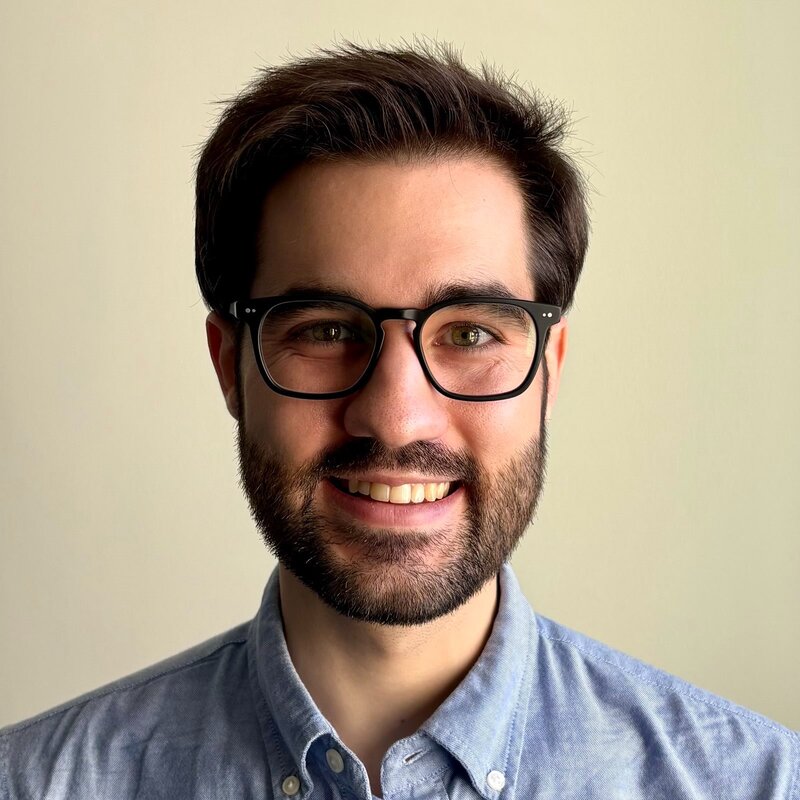
Gabriel runs ISL, which focuses on how to secure the most sensitive AI data centers against the most sophisticated current and future threats. ISL is a nonprofit R&D org focused on implementation-driven R&D for high-security AI systems. Previously, Gabriel was a fellow at RAND on hardware-enabled governance mechanisms and international verification of agreements. He holds a master's degree in computer science.
Fellows we are looking for
- Experience doing research. Papers, preprints, blog posts, and hardware/software contributions all count.
- At least two years of undergraduate coursework in computer science, math, physics, engineering, or similar.
Project selection
There is a cluster of potential projects to choose from. As a team, we will decide which to pursue based on individual interest and skills. Mentors will pitch example projects and scholars can then modify and re-pitch them. Once the research problem, hypothesis, and testing plan are written and agreed on, scholars begin object-level work. We encourage failing fast and jumping to a fallback project.