MATS mentors are advancing the frontiers of AI alignment, transparency, and security
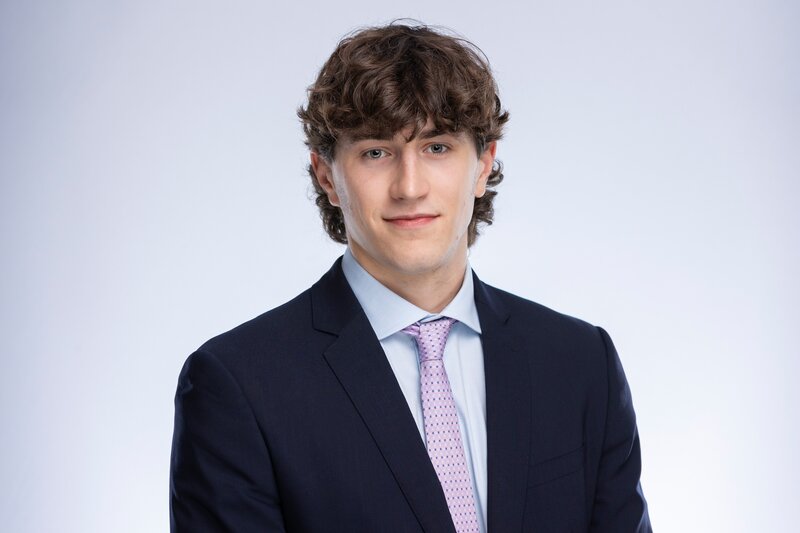
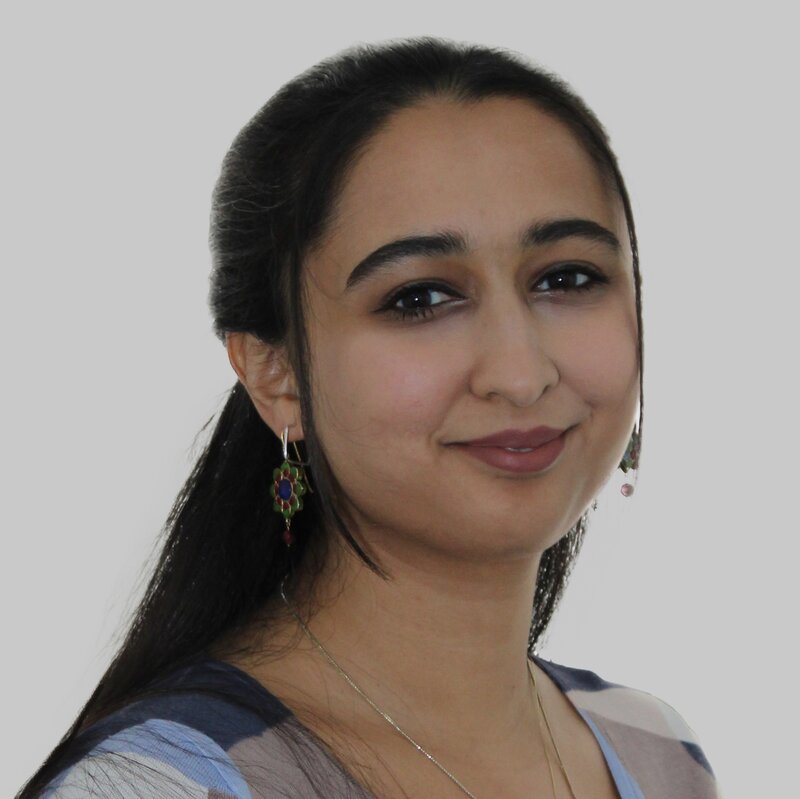
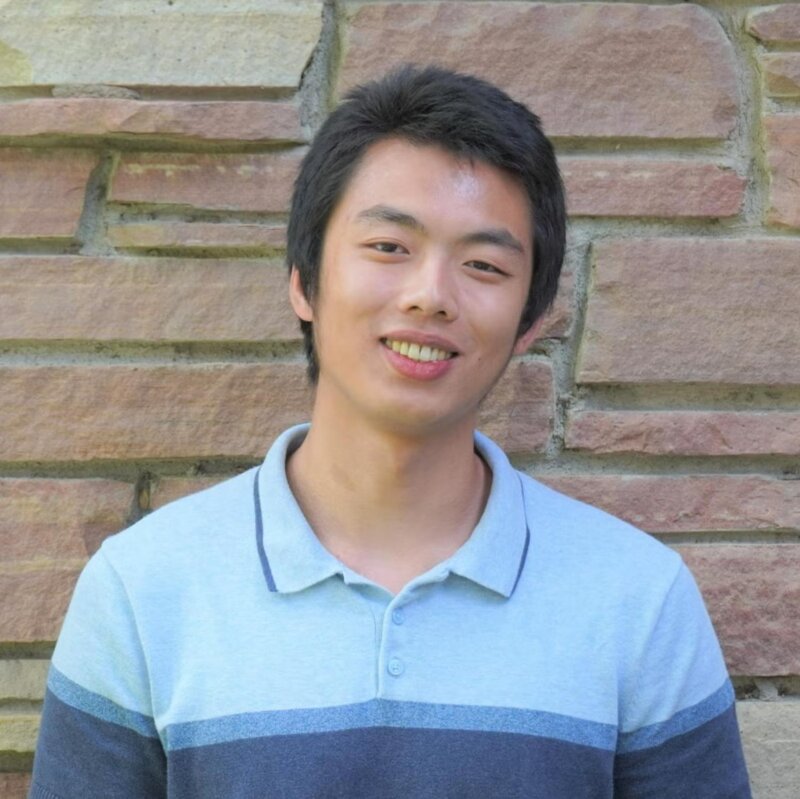


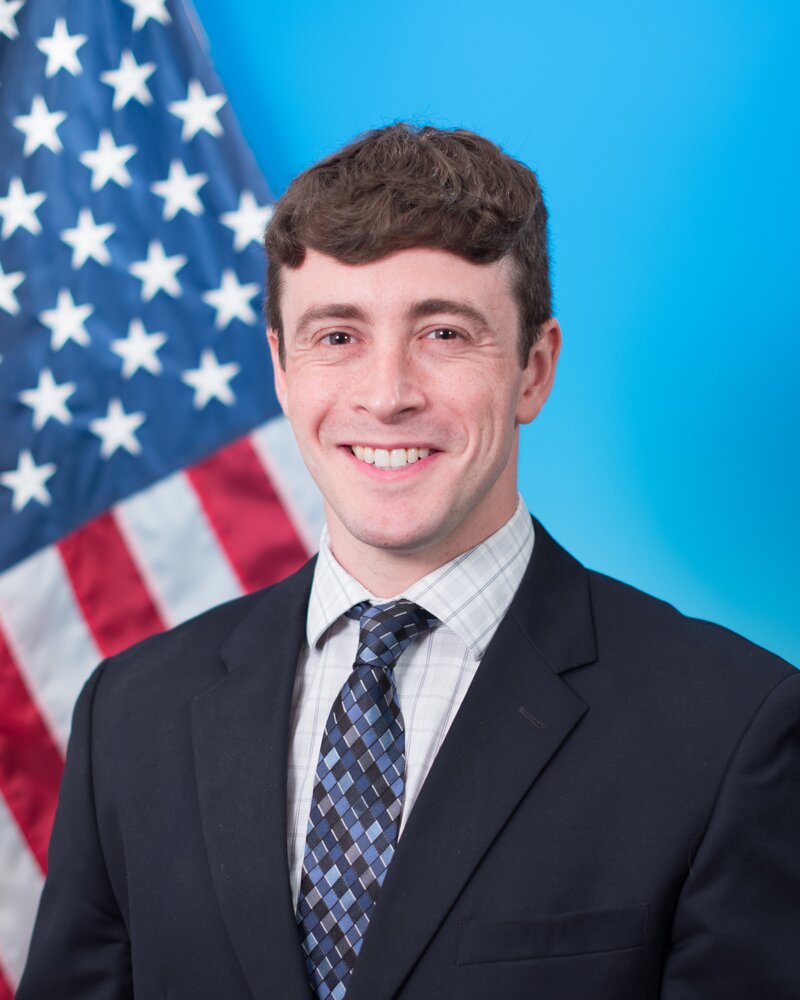

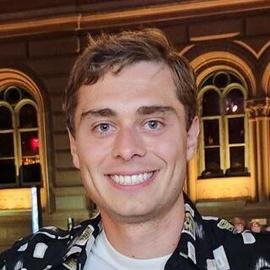
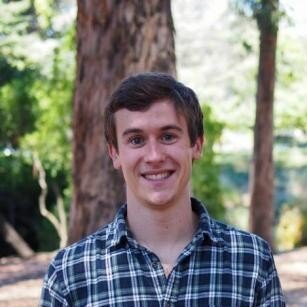

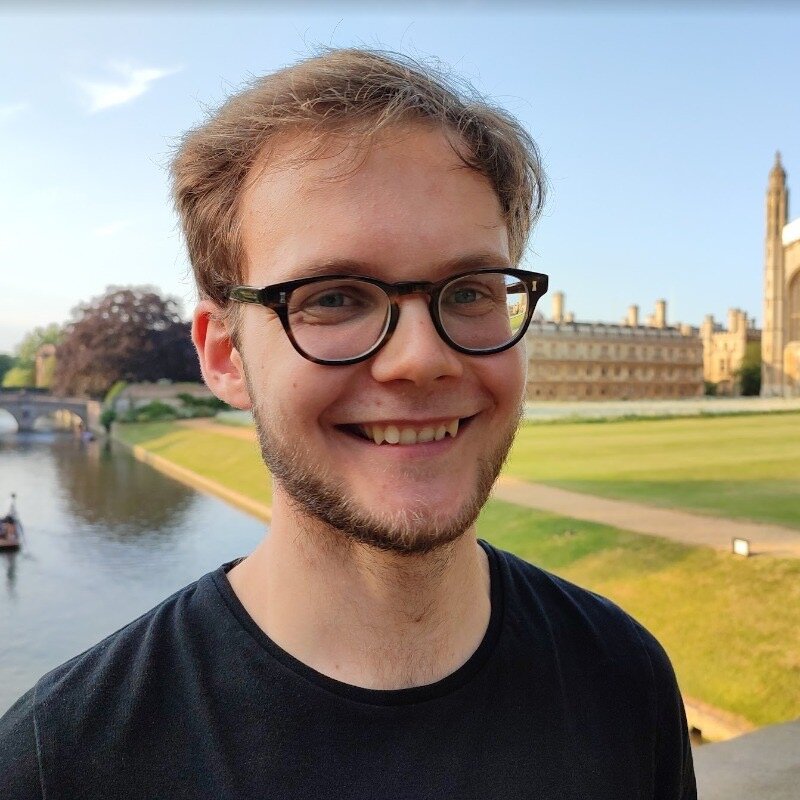

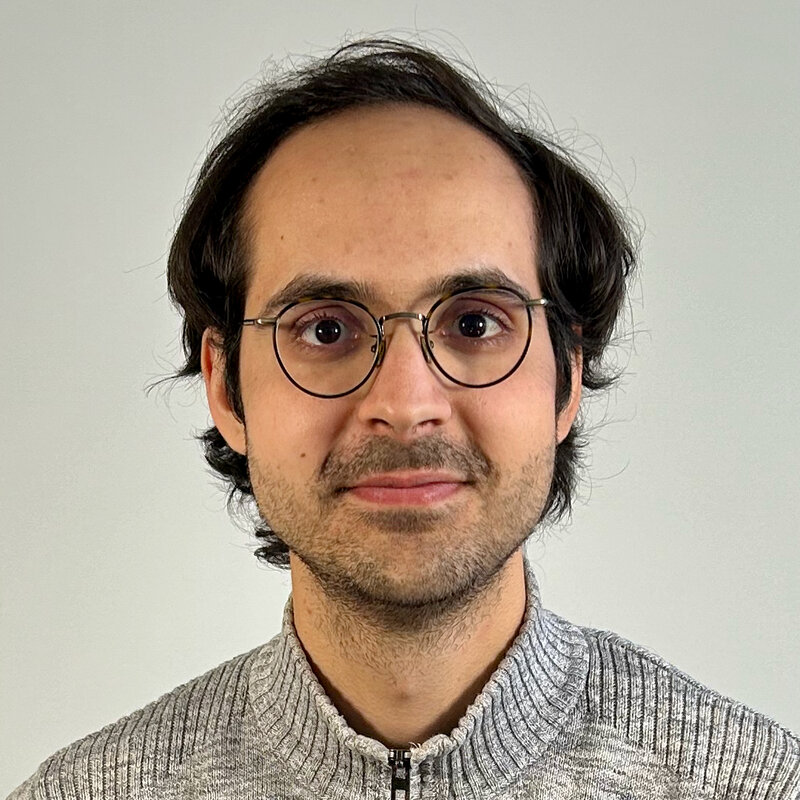


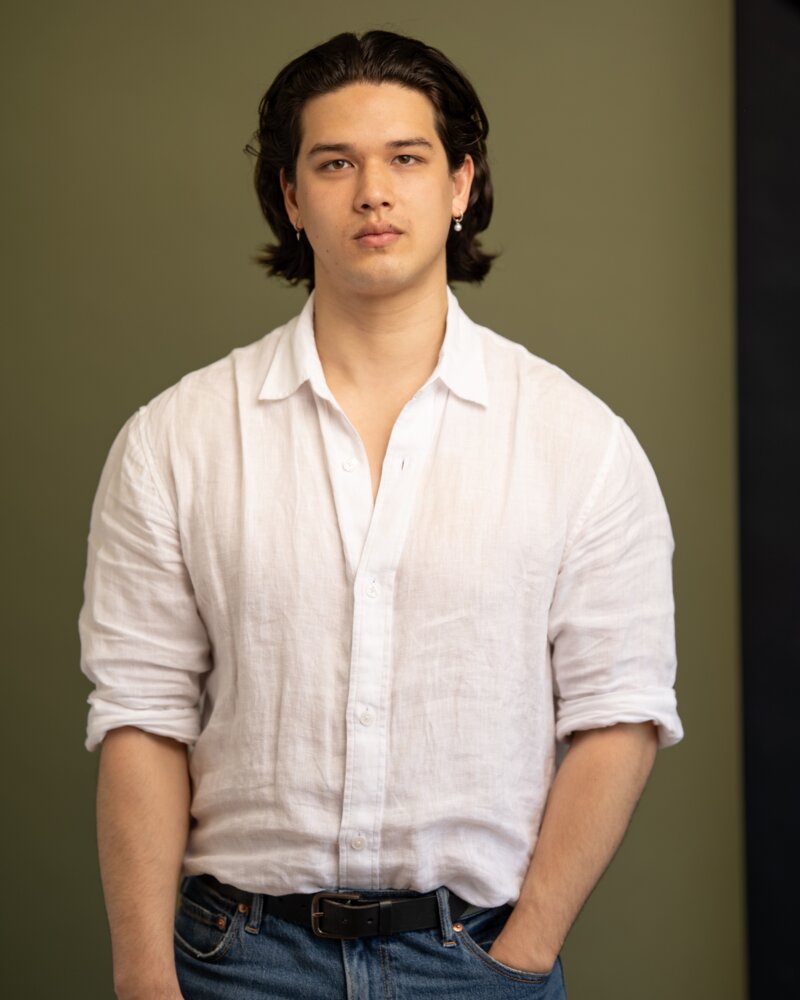
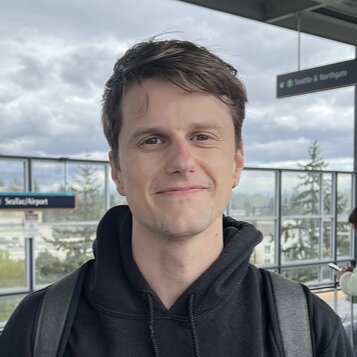

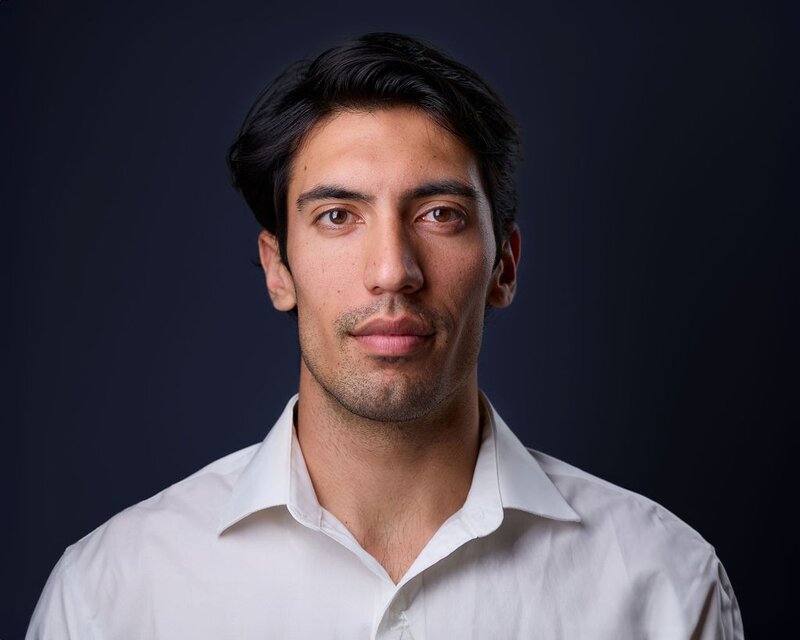
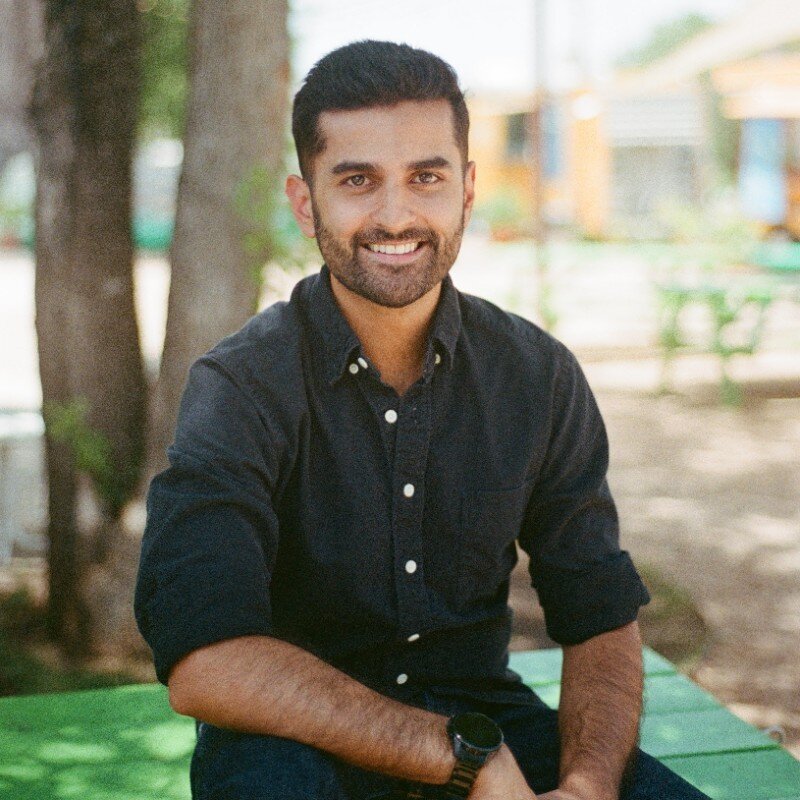
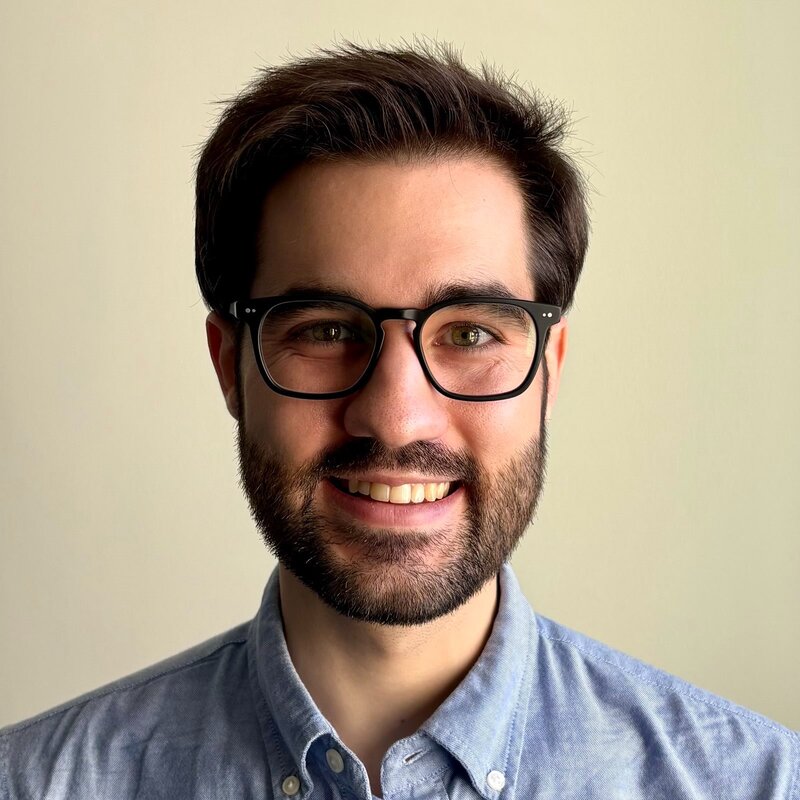
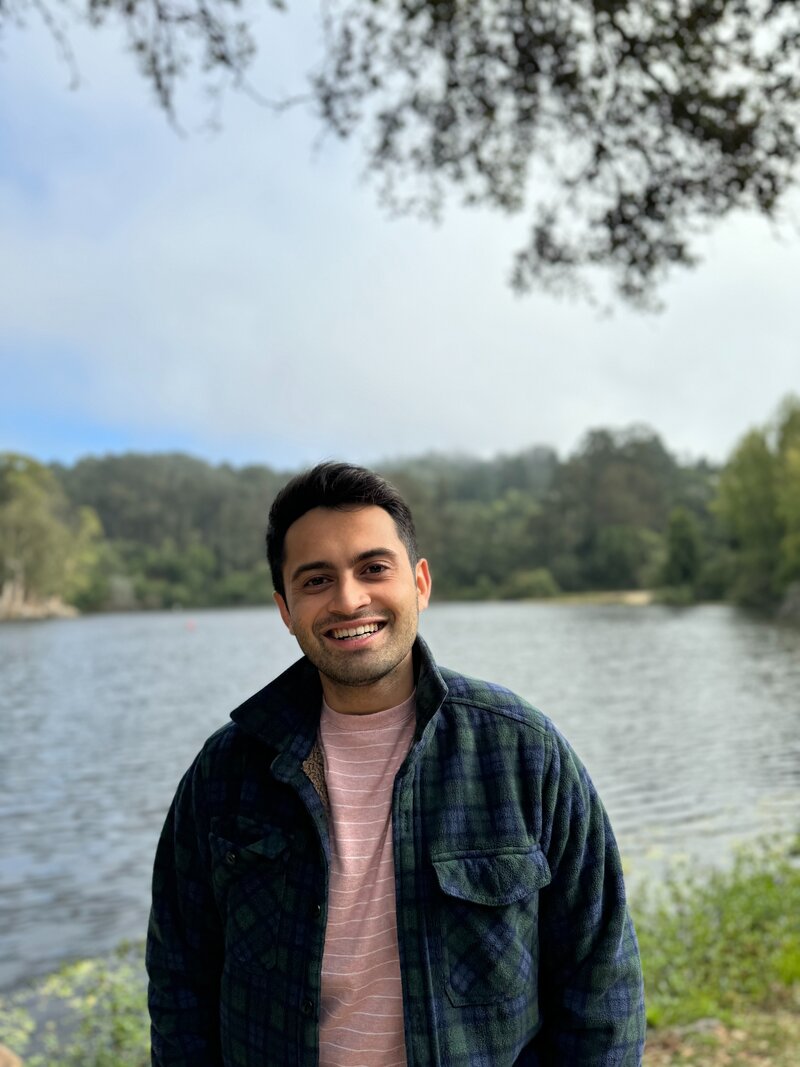

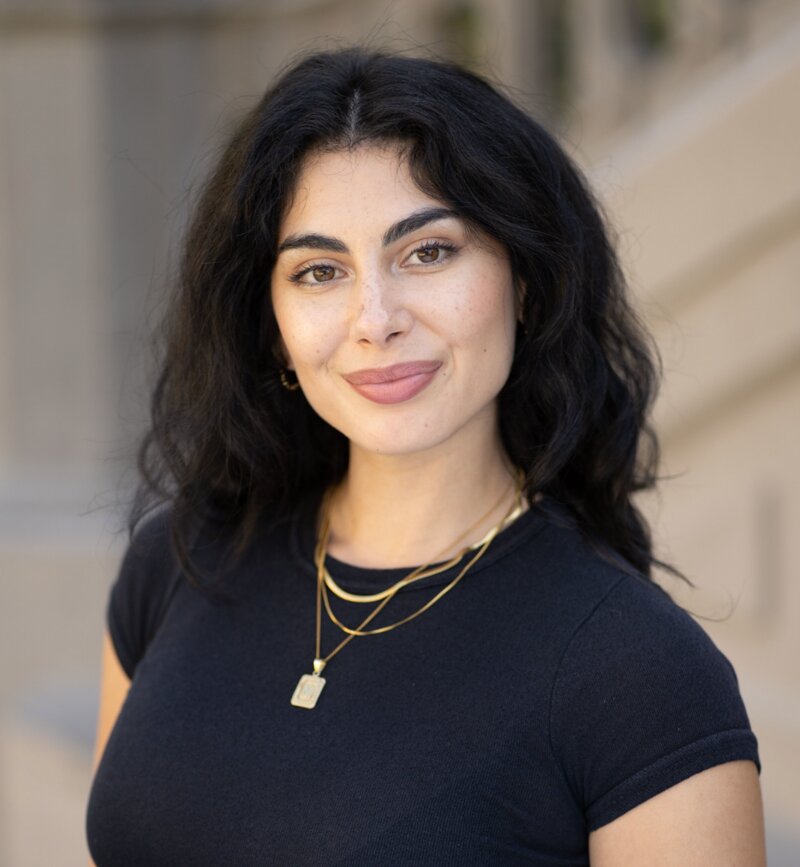

Stephen "Cas" Casper is a computer scientist and an Assistant Professor of Public Policy at the Harvard Kennedy School and a Faculty Affiliate of the Harvard School of Engineering and Applied Sciences. Prior to joining Harvard, he completed his PhD at MIT and did a research residency with the UK AI Security Institute. He is a writer for the International AI Safety Report and a lead writer for the Singapore Consensus. His research has been recognized with a Hoopes Prize, an ML Safety Workshop best paper award, a BioSafeGenAI best paper runner-up, a GenLaw spotlight paper award, a TMLR outstanding paper finalist distinction, and a handful of mentions in news articles and newsletters. Find him on Google Scholar, Twitter (sorry), BlueSky, and LinkedIn.
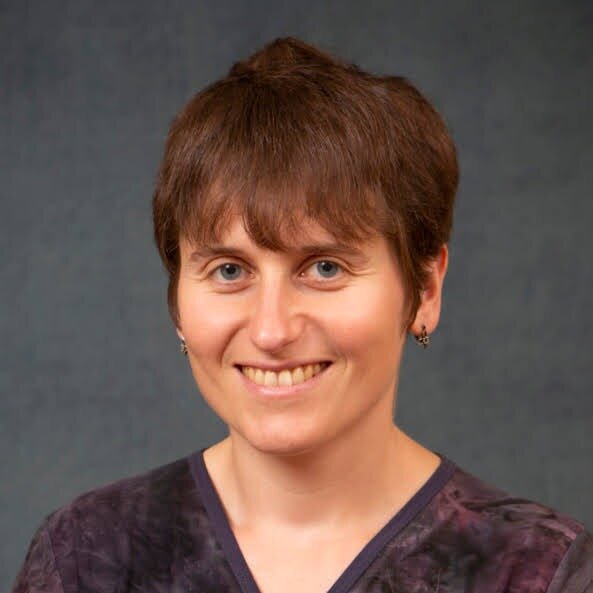
I am a research scientist on the AGI Safety & Alignment team at Google DeepMind. I focus on deceptive alignment and AI control, particularly [scheming propensity evaluations](https://arxiv.org/abs/2605.29729). My past research includes dangerous capability evals, power-seeking incentives, specification gaming, and avoiding side effects.
Mauricio researches AI policy at RAND and Oxford. His work has focused on verification of international agreements on AI. He’s more broadly interested in technical AI governance. Previously, Mauricio contracted with OpenAI and did a master's in Computer Science at Stanford University.
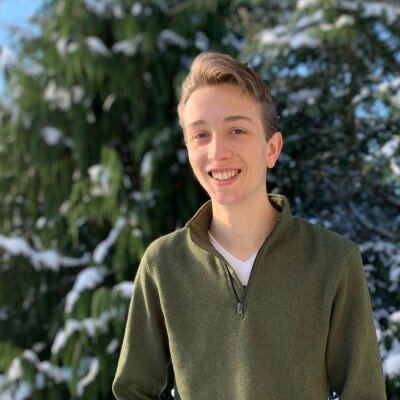
Alex is a member of technical staff at Redwood Research.

Abram Demski is an AI Safety researcher specializing in Agent Foundations, best known for Embedded Agency (co-written with Scott Garrabrant). His overall approach primarily involves deconfusion research in relation to various concepts related to AI risks, including agency, optimization, trust, meaning, understanding, interpretability, and computational uncertainty (more commonly but less precisely known as bounded rationality). More specifically, his recent work focuses on modeling trust, with the objective of clarifying conditions under which humans can justifiably trust AI.
James is a member of technical staff at Redwood Research.
Aryan is a senior member of technical staff at Redwood Research.
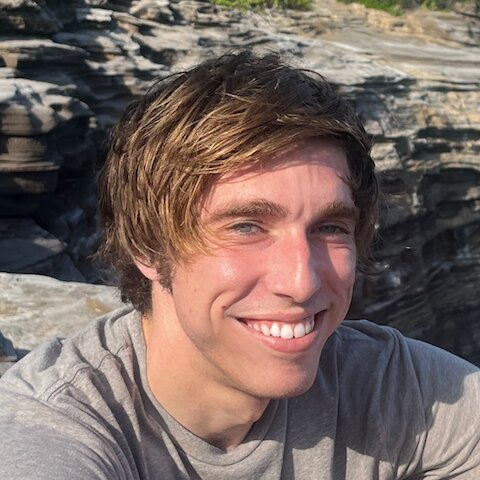
Hi, I'm Jack! I'm interested in understanding the cognition of modern language models, so that we can make them more reliable and aligned with human values. Currently, I lead the "Model Psych" team at Anthropic. We study the internal basis of higher-level cognitive phenomena in LLMs, like introspection, situational awareness, personas, and representations of emotion. We apply these techniques to audit Anthropic’s production models, for instance by monitoring their neural activity for signatures of deception, manipulation, or awareness of being evaluated. Previously, I did my PhD in the Center for Theoretical Neuroscience at Columbia University. For a list of my publications, see my Google Scholar profile.

Vivek is a member of technical staff at Redwood Research.
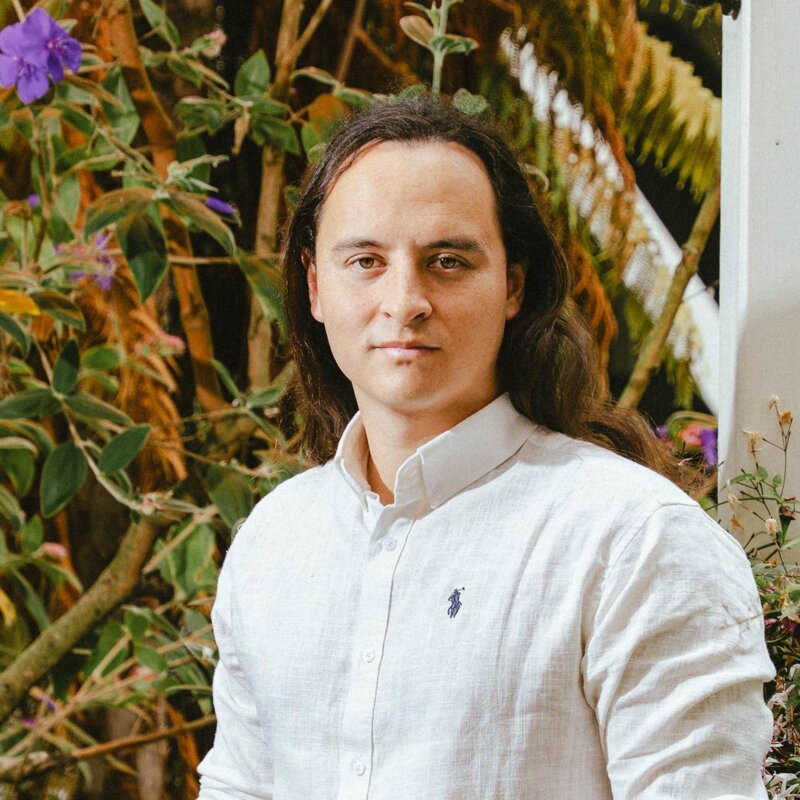
I previously worked on the alignment team at DeepMind, and on the governance team at OpenAI. I'm currently an independent researcher focusing on multi-agent intelligence. My research is in the tradition of natural philosophy; I'm trying to develop vague intuitive concepts (like trust, identity, and integrity) to the point where they can serve as seeds for new scientific paradigms.