MATS mentors are advancing the frontiers of AI alignment, transparency, and security







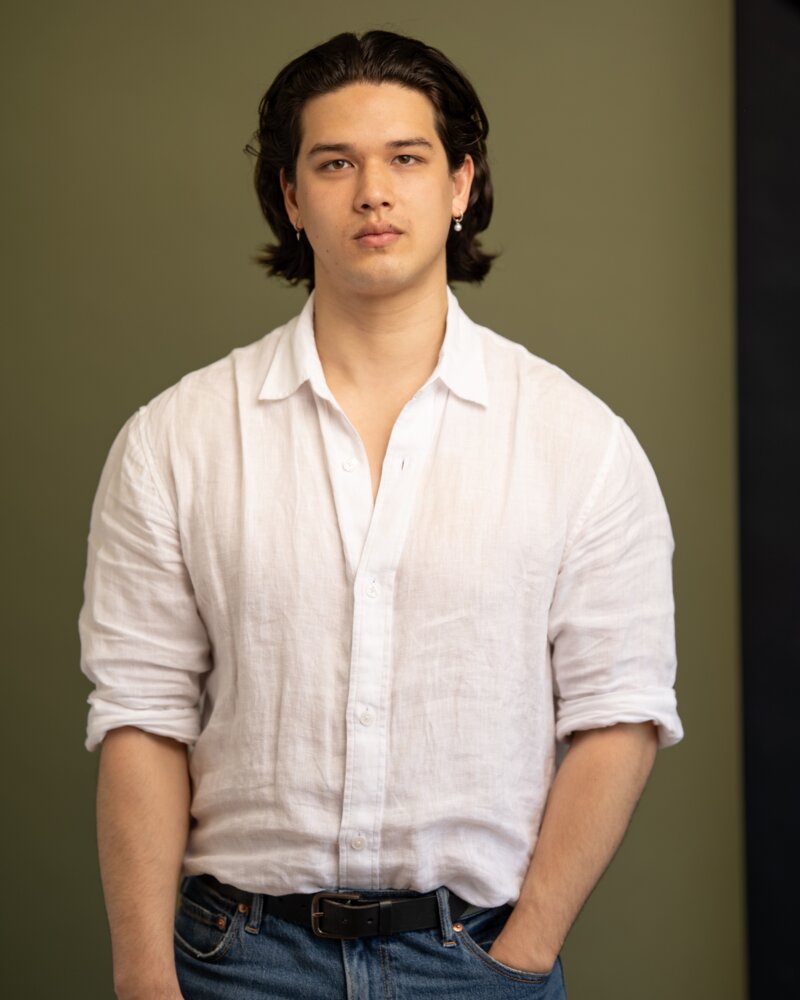
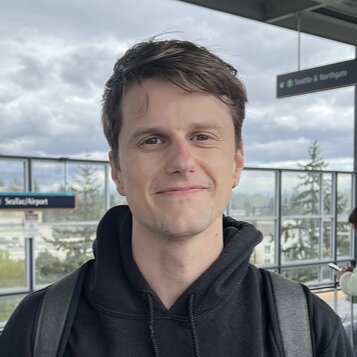

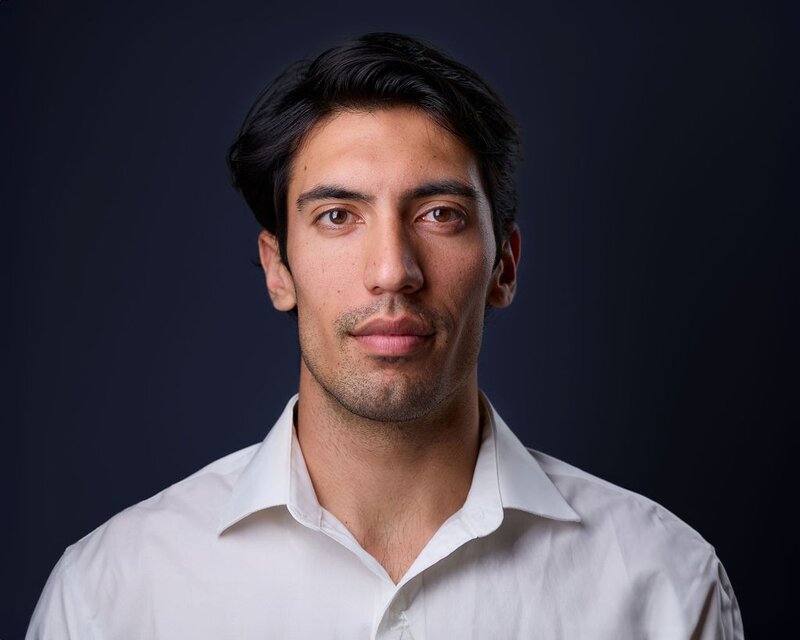
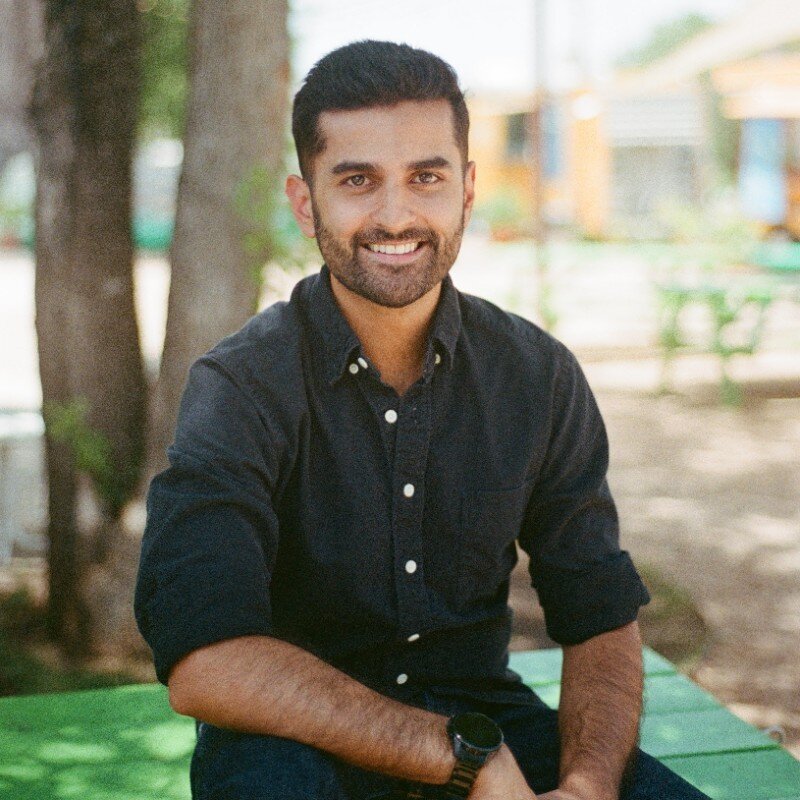


Adin has been a researcher focused on pathogen transmission suppression (PPE, engineering controls, bioshelters) and agricultural biosecurity at Coefficient Giving for over three years, and has recently transitioned to a grantmaking role. He is also a PhD student at Johns Hopkins where he focuses on similar topics, and before this he was a Biotechnology Fellow at the Institute for Progress where he mostly worked on US federal agriculture policy.
Aman joined Coefficient Giving in March 2026. Previously, he worked as the Special Projects Lead at Blueprint Biosecurity, a pandemic prevention nonprofit. He has a B.S. in computational neuroscience from the University of Southern California.

Dewi, originally from Wales, is the CEO of BlueDot Impact and has a focus on attracting top talent into AI safety, helping them figure out how they can have the most impact, and enabling them to do so as fast as possible.

David is a Scientist in the AI Safety team at Lila Sciences, where he leads the technical design and implementation of dangerous capability evaluations in scientific domains like biology, chemistry, and materials science. His work involves measuring model performance on scientific tasks that could pose safety risks through misuse or unintended failure modes as well as the efficacy of guardrails and other mitigations. A core challenge is designing evaluations that meaningfully capture frontier capabilities; assessing not just what models can do today, but what emerging scientific reasoning abilities might enable in adversarial or failure scenarios.
In his previous role, David developed biosafety evaluations featured in the systems cards of Meta’s Muse Spark and multiple versions of Anthropic’s Claude Sonnet and Opus. Previously, he completed his PhD in Theoretical Physics at Queen Mary University of London.
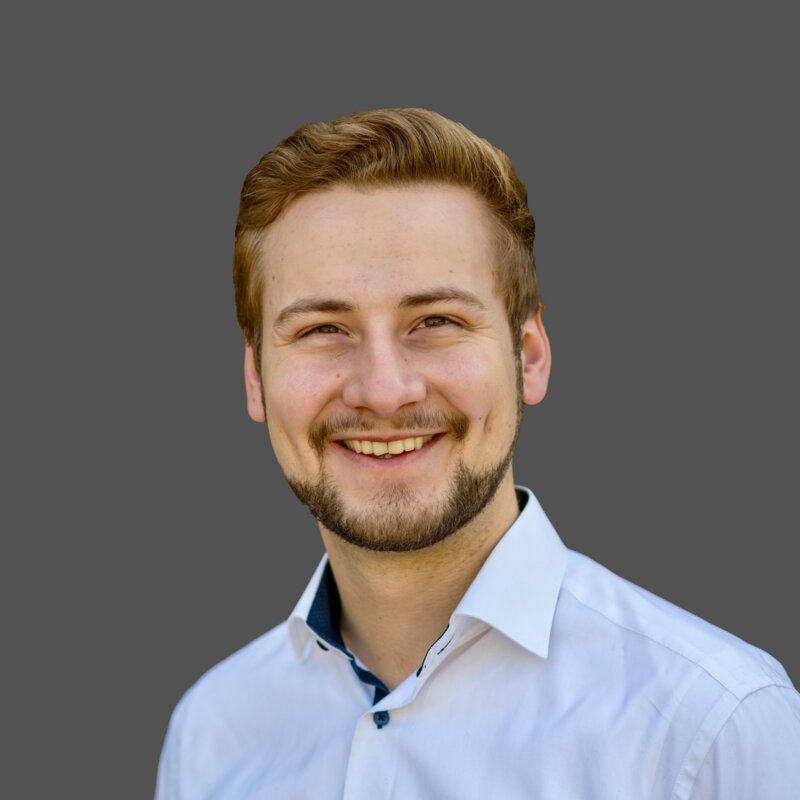
Sebastian Oehm is the co-founder and CEO of SynX Therapeutics, a biotech start-up developing non-natural peptides as next-generation medicines. He is also an Adjunct Assistant Professor at the J. Craig Venter Institute, and a Research Fellow at RAND Europe. He was one of 38 scientists who first publicly warned of the risks from mirror life. Previously, he completed a PhD and postdoc at the MRC LMB / University of Cambridge, where his research focused on non-natural biology. He worked as a staffer in the German parliament, and earned a BA in Natural Sciences at the University of Cambridge.
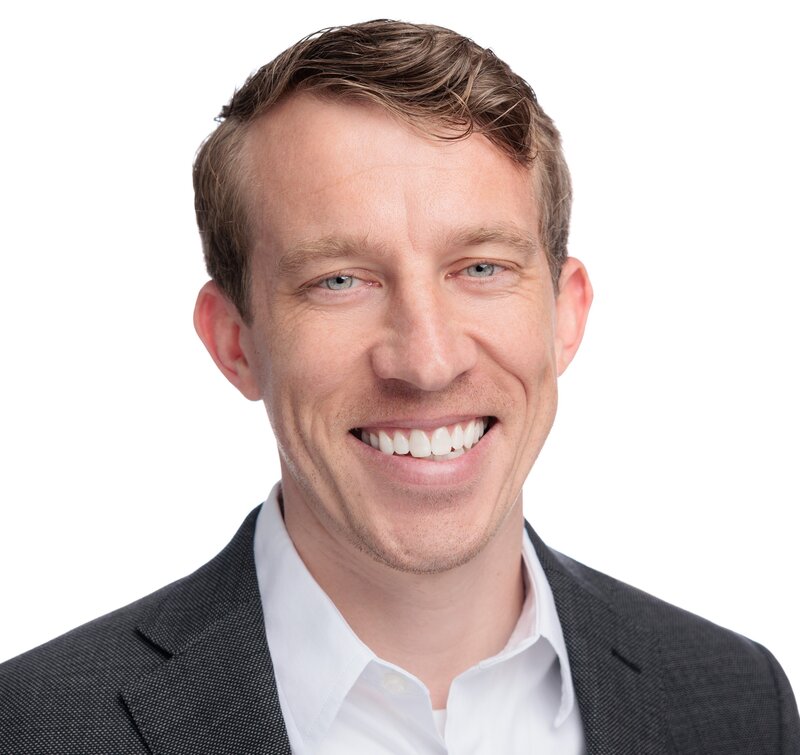
Dr. Jacob Swett serves as Executive Director and founder of Blueprint Biosecurity, a nonprofit dedicated to achieving breakthroughs in humanity’s ability to suppress pathogens. Drawing from a diverse background spanning scientific research, technology R&D, and political strategy, he is considered a leading voice in the biosecurity community.
Jake founded Blueprint directly after his experience shaping the Apollo Program for Biodefense, a report published in the wake of COVID-19 by the Bipartisan Commission on Biodefense. Anchored by Jake’s guidance, the report laid out an ambitious plan for overhauling America’s layers of defense against pandemics. Blueprint was founded to continue this work in the US and abroad.
Jake received a PhD in nanotechnology from the University of Oxford and bachelor’s degrees in physics and applied mathematics from Missouri State University. Before Blueprint, he cofounded a research nonprofit called altLabs and was a research scientist at Lockheed Martin’s Advanced Technology Center. He has contributed to over 70 articles and patents and authored op-eds for the New York Times and STAT.
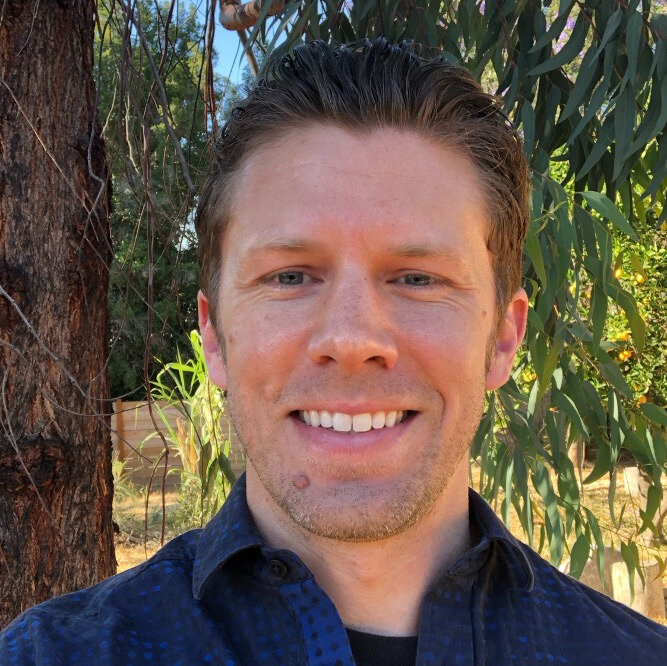
Gary Abel is co-founder and Chief Scientist of Fourth Eon Biosecurity, where he leads research on adaptive safeguards and function-based screening. His expertise spans chemistry, molecular biophysics, biosecurity, and sequencing technology. He's spent nearly two decades studying how DNA, RNA, and proteins behave and interact. Gary is also a Contributing Scholar at the Johns Hopkins Center for Health Security, supporting the Center's work to understand and mitigate global catastrophic biological risks from advanced AI. He has previously mentored Research Fellows through SPAR, MATS, Cambridge ERA, and the Coefficient Giving CDTF. Gary holds a BS in Physics from San Jose State University and a PhD in Chemistry from the University of California, Merced.
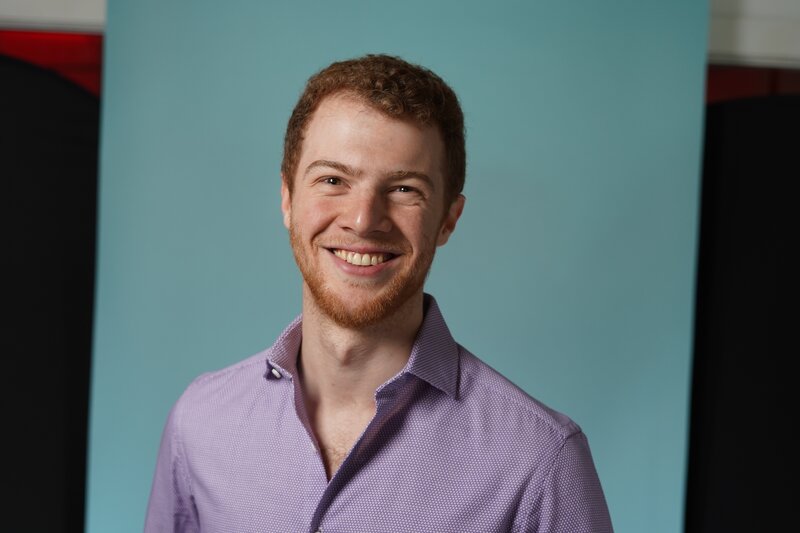
Deger Turan is the CEO of Metaculus. Before Metaculus, Deger Turan served as President of the AI Objectives Institute, developing Talk to the City, a platform that strengthens communication between under-resourced communities and the government officials serving them. Prior to AOI, he founded Cerebra Technologies, which forecasted shifts of public opinion and demand trends for 300 million citizens, used by governments, hedge funds, and international retailers.

I am a researcher on the Biosecurity and Pandemic Preparedness team at Coefficient Giving, where I investigate risks from biology, and also think about whether AI could enable other dangerous technologies. Prior to this I worked at the Future of Humanity Institute, and before that completed a PhD in physics at Princeton.

I am a group leader at the University of Oxford working in protein chemistry and machine learning. Our field has had huge success with AI, but these successes come with potential catastrophic risks. Much of my research focuses on responsible innovation and biosecurity alongside the more academic work in biophysics and protein design. I am interested in empirical studies that can support biosecurity and foundational biosecurity work that sits closer to policy.