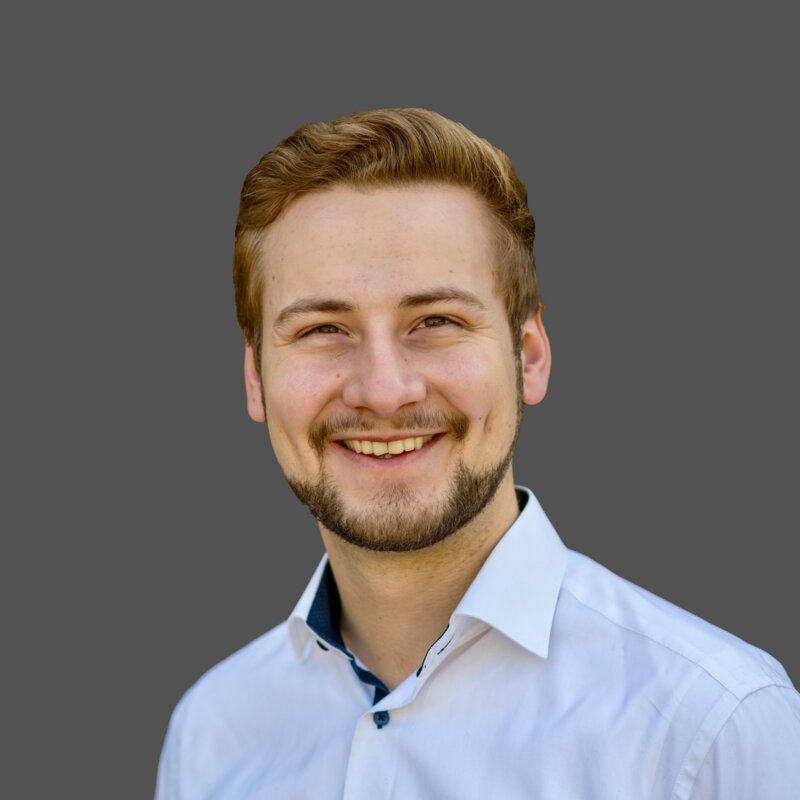
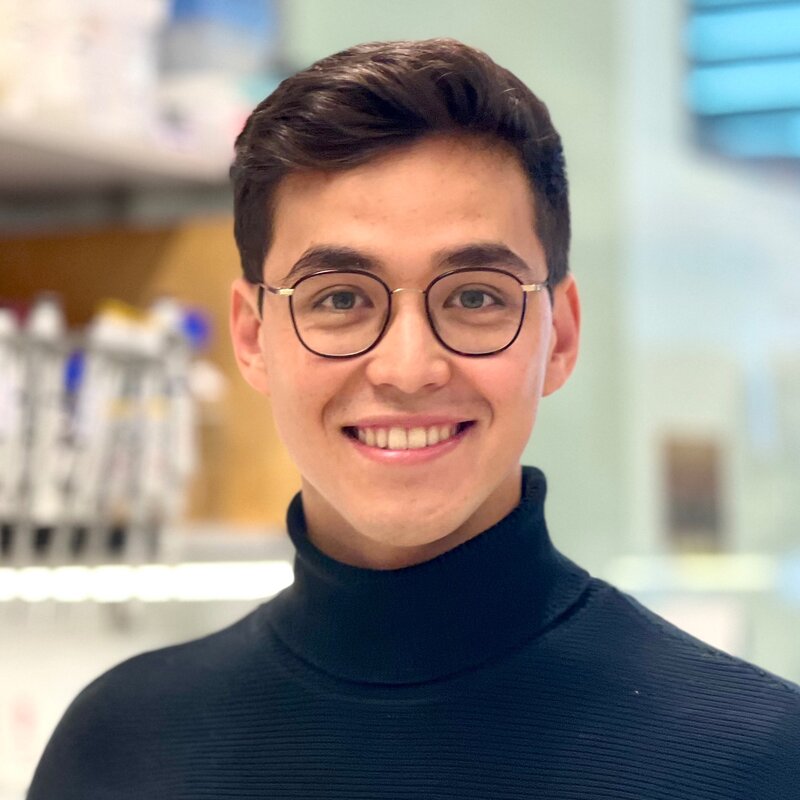
Sebastian Oehm, Askar Kleefeldt
Therapeutics may have durable advantages over pathogens even in the limit of technological progress. How can therapeutic development and manufacturing be made resilient under biorisk scenarios? How can AI progress be maximally leveraged for defense?
Stream overview
Therapeutics may have durable advantages over pathogens even in the limit of technological progress, as it is more difficult to design complex, self-replicating machines than to make wrenches that break them. Rapid, responsive therapeutic development during a pandemic or biorisk scenario is key to exploiting this defensive advantage.
We are interested in turning this theoretical advantage into practical capabilities:
- Resilience: How can therapeutic development and manufacturing be made resilient under biorisk scenarios? While global drug discovery R&D and manufacturing is large, not all parts of it may continue equally under disruption. Projects in this area include identifying interventions which would maintain the ability of drug development in a pandemic, paths towards self-sufficient drug discovery labs, and mapping global manufacturing capacity for the deployment of therapeutics in an emergency.
- AI uplift: How can AI progress be maximally leveraged for defense? AI progress may be rapid in the coming years, with paths to AGI increasingly plausible. AI progress increases biorisk but also technological capabilities for defense. What are the main bottlenecks to leveraging the defensive benefits of AI that could shift the offense-defense balance? Projects in this space could include mapping bottlenecks (cognitive, data, infrastructure, legal) to the use of AI in rapid-responsive therapeutic discovery, or building prototype computational infrastructure that could help leverage the cognitive uplift from advanced AI for defense.
We may also be open to hosting a fellow who might want to do more conceptual work around the role of therapeutics in biodefense or the offense-defense balance of AI progress, or people who are interested in exploring concrete opportunities for technical work on prototype pathogens or pre-pandemic, broad spectrum therapeutics.
We have a special interest in peptides as a therapeutic modality as they combine many features that could be beneficial in risk scenarios. Projects may look at peptides specifically or therapeutics more broadly.
Standard (1-2 hours of weekly 1:1s)
London
No preference for this location
No preference for this location
Mentors
Sebastian Oehm is the co-founder and CEO of SynX Therapeutics, a biotech start-up developing non-natural peptides as next-generation medicines. He is also an Adjunct Assistant Professor at the J. Craig Venter Institute, and a Research Fellow at RAND Europe. He was one of 38 scientists who first publicly warned of the risks from mirror life. Previously, he completed a PhD and postdoc at the MRC LMB / University of Cambridge, where his research focused on non-natural biology. He worked as a staffer in the German parliament, and earned a BA in Natural Sciences at the University of Cambridge.
Askar is Co-Founder of SynX Therapeutics, a London-based biotech start-up developing a rapid drug discovery platform for peptide therapeutics. His work spans synthetic biology technology development across drug discovery, medical countermeasures, and synthetic genomics. During his doctoral research at the MRC Laboratory of Molecular Biology, Cambridge, Askar developed methods for megabase-scale DNA assembly and whole-genome synthesis of E. coli.
Askar has worked on policy questions related to biosecurity and the bioeconomy and contributes to EU medical countermeasure policy via DG HERA's Joint Industrial Cooperation Forum.
Fellows we are looking for
- Strong interest in biosecurity, AI, and therapeutics. The fellow should be motivated by the question of how societies can maintain and accelerate therapeutic response capacity under severe biological risk scenarios.
- Research independence. The fellow should be able to take an ambiguous question, break it into tractable parts, identify relevant evidence, and converge on a useful output.
- Strong writing and synthesis skills. A successful project will likely involve producing clear memos, maps, frameworks, or recommendations that are useful to technical teams, funders, or policymakers.
- Technical seriousness. The fellow should be willing to understand how therapeutic development actually works, including targets, assays, validation, manufacturing, data, and deployment constraints, rather than staying at the level of general claims about “biotech” or “AI for biosecurity.”
- Basic familiarity with biology and drug discovery. The fellow should understand, or be able to quickly orient themselves around, concepts such as therapeutic modalities, targets, assays, validation, manufacturing, and clinical development.
Preferred:
- Background in one or more of: biotechnology, drug discovery, computational biology, AI-for-bio, peptide/protein science, pharmaceutical manufacturing, supply-chain resilience, or technology policy.
- Experience producing an independent research output, such as a thesis, technical report, policy memo, software tool, dataset, literature review, or strategy analysis.
- For AI-focused projects: comfort with Python, data analysis, computational biology tools, AI agents, scientific software infrastructure, or machine-learning-based workflows. I am especially interested in people who can identify practical bottlenecks to using AI for rapid therapeutic discovery, not only people interested in model development itself.
- For resilience-focused projects: interest in mapping real-world capabilities, interviewing experts, analysing supply chains or manufacturing capacity, and identifying interventions that would make therapeutic development more robust during a crisis.
- Interest in peptides or other non-antibody therapeutic modalities is welcome, but not required.
Not a good fit:
- Fellows who are only interested in high-level biosecurity strategy and do not want to engage with the technical details of therapeutic development.
- Fellows who are excited about AI in the abstract but are not interested in the data, experimental, legal, manufacturing, or organisational bottlenecks that determine whether AI capabilities can actually be used for defense.
Project selection
We will jointly define the exact project with the fellow, based on their background, interests, and comparative strengths, as well as our current priorities. I expect strong fellows may have their own questions and ideas, but we will provide substantial guidance early on to help turn those ideas into a clear, useful, and realistically scoped project.
In the first phase, we will discuss several possible directions, identify where the fellow can make the strongest contribution, and agree on concrete outputs. Once the project is scoped, I expect the fellow to take ownership of the work, with regular mentorship and feedback to keep it aligned and help overcome any difficulties.