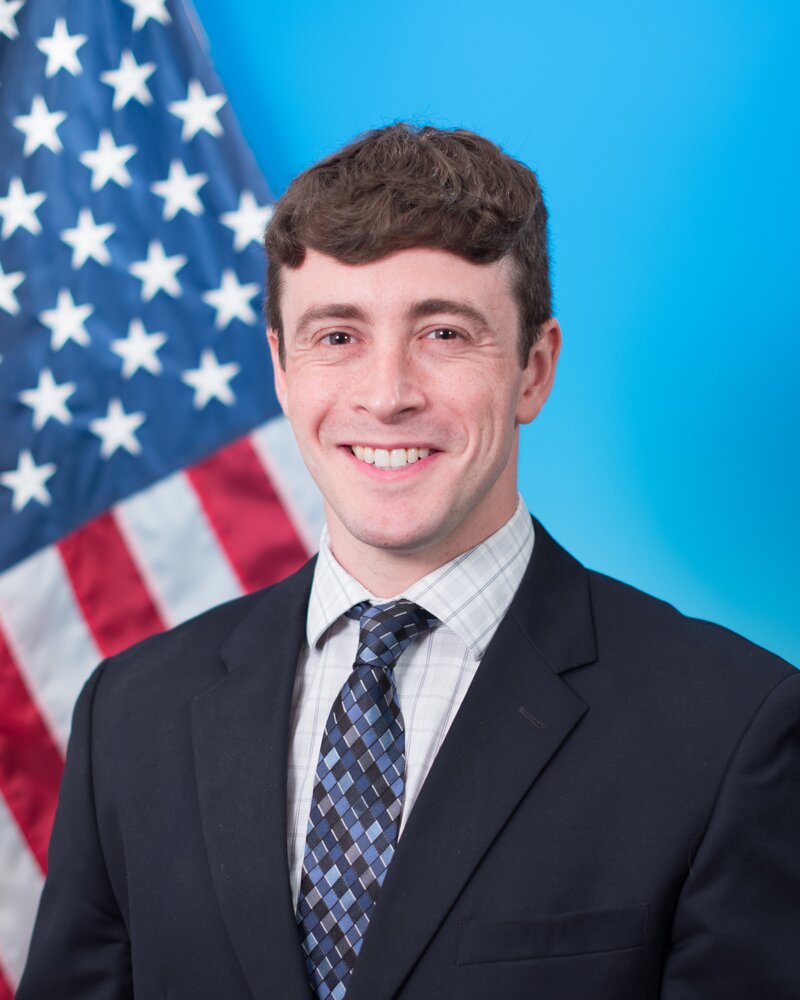
Byron Cohen
I'm mentoring projects that apply AI advances to core biosecurity challenges — early detection and attribution of biological threats, characterizing AI-enabled bioweapons uplift, accelerating medical countermeasure design, and building biosecurity-by-design into frontier biological AI tools. Fellows have wide latitude to scope their own project within (or adjacent to) these themes, including ideas I haven't yet considered, and are expected to drive the technical work independently. My comparative advantage is high-level strategic direction grounded in biosecurity, pandemic preparedness, epidemiology, and US R&D policy rather than hands-on ML or software engineering guidance.
Stream overview
This stream is looking to support:
- Research projects to leverage AI advances for early detection of biological threats. This might involve (but is not limited to):
- software engineering efforts that better integrate different biosurveillance data streams
- bioinformatics efforts that develop new approaches for the use of metagenomics to detect novel biothreats
- SWE efforts that reduce the labor intensity of clinical metagenomics for biosurveillance
- Research projects to leverage AI advances for attribution of biological threats. This might involve (but is not limited to):
- SWE efforts that better integrate orthogonal biosurveillance data streams to facilitate attribution analyses
- AI/ML efforts to develop new approaches that leverage orthogonal intelligence streams for attribution of novel biological observations (ex: genetic engineering detection, DNA/RNA functional characterization, and attribution of origin)
- Research projects to characterize AI-enabled biology and bioweapons uplift. This might involve (but is not limited to):
- developing rigorous, reproducible, open-world evaluations that probe AI systems’ ability to complete long-horizon, high-consequence tasks where success cannot be pre-specified and evaluation cannot be automated
- mapping opportunities for monitoring and detection of malicious misuse of LLMs and biological design tools, drawing on lessons from law enforcement interdicting other harmful digital content such as child sexual abuse material
- exploring how open-source AI acting as a strategic guide can influence the intentions of would-be malicious actors to pursue different types of strategies in achieving their goals
- Research projects to leverage AI to accelerate medical countermeasure design and delivery. This might involve (but is not limited to):
- efforts to develop new platforms leveraging AI to accelerate and/or reduce costs of clinical trials
- efforts to leverage AI for rapid MCM design and in-silico simulation testing
- Research projects to help develop frontier AI-enabled biology research tools that embody biosecurity principles by design. This might involve (but is not limited to):
- efforts to develop malicious intent classifiers for open-source biological AI models that not only refuse dangerous requests but share evidence of malicious intent with law enforcement
Mentors
Byron Cohen is an AI and Biosecurity Research Resident at RAND, where he works on AI-biosecurity risk assessment and policy research. Previously, he served as a biosecurity advisor at DARPA’s Biological Technologies Office, where he advised on biosurveillance, attribution, epidemiological modeling, and AI:bio uplift risk. Before that, he served as Advisor for Interagency R&D Oversight at the White House Office of Pandemic Preparedness and Response Policy (OPPR). An epidemiologist by training, he holds a PhD in population health sciences from Harvard University, and has conducted peer-reviewed epidemiological modeling research on biosafety and global health security.
Mentorship style
I want my applicants to please keep in mind that my comparative advantage as a mentor is in providing high-level strategic direction in biosecurity, pandemic preparedness, epidemiology, and US R&D policy. I'm not a machine learning or software engineer, so I won't be able to debug your code (unless it's an epidemiological model).
I anticipate meeting with the fellow for 30 minutes each Monday and Thursday for high-level guidance. We can coordinate on Slack or email, and I will typically respond within a day for quick questions or conceptual feedback. I will not debug code. Expect asynchronous iteration on experiment design and results between meetings. Scholars can also schedule ad-hoc calls if they're stuck or want to brainstorm.
Fellows we are looking for
Essential skills:
- research independence/skills
- writing ability
- mission alignment
Preferred skills:
- AI/ML engineering
- experience
- software engineering experience
- basic familiarity with bio-risk domain
Not a good fit:
- Those who need heavily structured guidance or a high level of time commitment from me
- Those who need technical guidance in AI/ML or SWE from me
Project selection
While I am hopeful that my partner fellow will pick a project in one of the areas I've delineated above, fellows have wide latitude to decide on a specific project to pursue, subject to my agreement (I want to make sure they choose a path that is both useful and viable). I am also very open to new ideas from fellows that I have not already thought of-particularly ones that address some of the challenges raised above. If needed, my assigned fellow can experiment with exploring multiple projects during the first week before picking one to focus on.