
Asymmetric Security
This stream focuses on building realistic defensive cybersecurity benchmarks utilizing data from Asymmetric Security's work on real-world incidents.
Stream overview
Existing cybersecurity benchmarks lack realism, rarely testing how models behave in realistic security scenarios. This is especially challenging in cybersecurity because most relevant data is private.
Asymmetric Security responds to real cyber incidents and therefore holds data not available in the public domain. We would like to work with MATS scholars to build realistic benchmarks grounded in these real cyber incidents.
Mentors
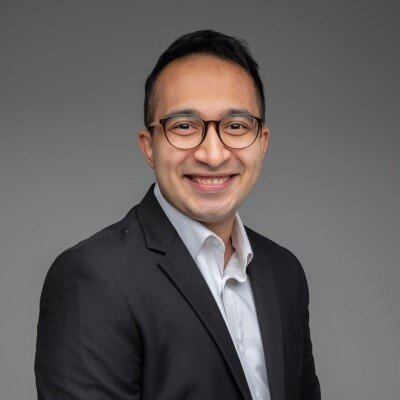
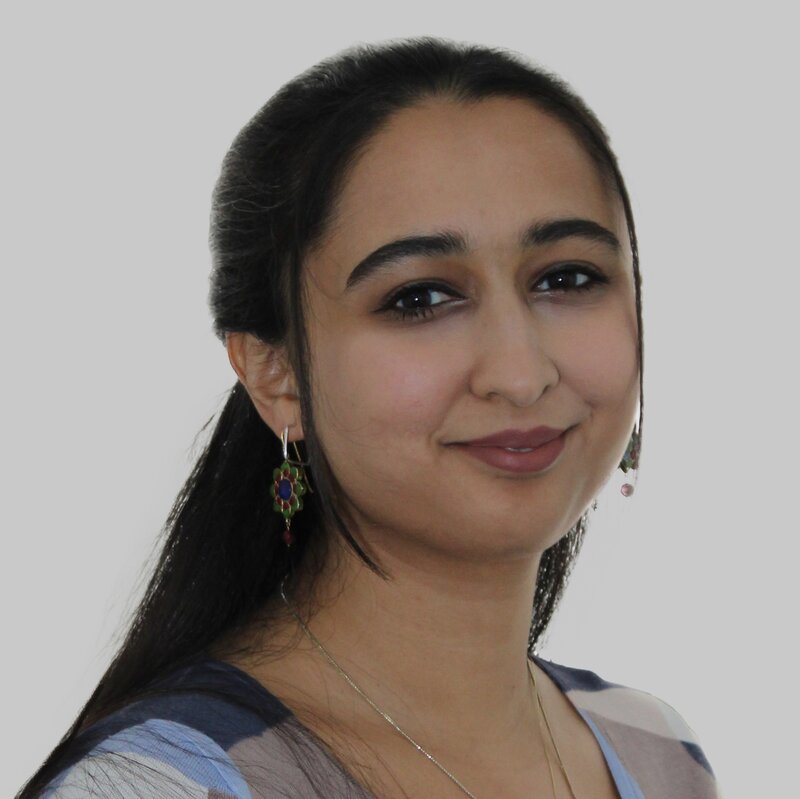
Zainab is the co-founder of Asymmetric Security. She was previously a cybersecurity analyst at Stroz Friedberg, where she investigated some of the largest cybersecurity breaches of the past decade (e.g., Cambridge Analytica). She has also published at NeurIPS on AI cybersecurity evaluations. Zainab holds a master’s degree in Physics from Oxford University.
Alex Chan is Chief Scientist at Asymmetric Security, working on AI for cyberdefense and incident response. Previously, Chan was Director of Software Engineering at Salesforce, leading reinforcement-learning post-training for GUI agents.
Mentorship style
1 hour weekly meetings by default for high-level guidance. We will respond within a day to async communication.
Fellows we are looking for
Essential:
- Experience implementing AI model evaluations.
Preferred:
- At least one year of professional software engineering experience.
- Strong interest in AI cybersecurity.
Scholars can collaborate with other MATS scholars and can find collaborators on their own. Asymmetric Security staff may also engage deeply.
Project selection
We will assign the project direction; scholars will have significant tactical freedom.
The Winter 2026 cohort offers a wide range of research streams led by experts across AI alignment, interpretability, governance, and safety. Each stream provides its own research agenda, methodology, and mentorship focus.