MATS Winter 2027
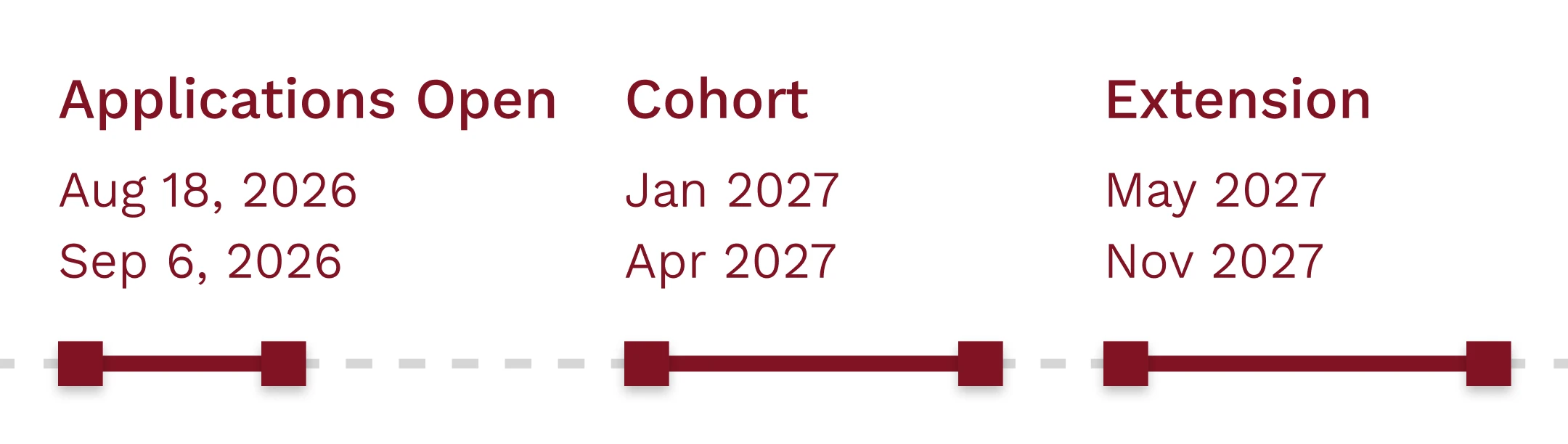
The Winter 2027 program will run for 12 weeks, from January 19th to April 10th, in Berkeley, CA and London, UK, with remote options also available. Fellows will receive mentorship from world-class researchers at organizations like Anthropic, Google DeepMind, OpenAI, Redwood Research, and ARC, with the option to apply for a 6–12 month funded extension beyond the main program.
Applications are now closed.
Program phases
Key dates for the application and admissions timeline
Applications typically open several months before the program begins. Applicants complete a multi-stage admissions process, beginning with a general application. Depending on the tracks, streams, and mentors they apply to, applicants may also complete additional evaluations such as interviews, work tests, coding assessments, or writing samples before final admissions decisions are made. More information can be found on the apply page.
In Stage 1, applicants apply to one or more tracks (broad research areas): Empirical, Theory, Strategy & Forecasting, Policy & Governance, System Security, Biosecurity, and Founding & Field-Building. In Stage 2, advancing applicants choose specific streams within those tracks, each led by one or more mentors with their own research agenda. You can view this list below or as a grid here.

This stream focuses on identifying tractable policy and technical interventions to gradual disempowerment, focusing on economic disempowerment and the intelligence curse. Possible project areas include:
- Formalizing intelligence curse dynamics into a model that can be tracked and monitored.
- More durable policy solutions to mass unemployment than UBI.
- Technical interventions to extend the centaur period.
This stream focuses on critical challenges in AI safety and alignment, including risks from automating AI research, bottlenecks to recursive self-improvement, and the automation of safety and alignment research. Priority topics also include AGI privacy, measuring long-horizon agentic capabilities, developing new alignment methods, and advancing the science of post-training.
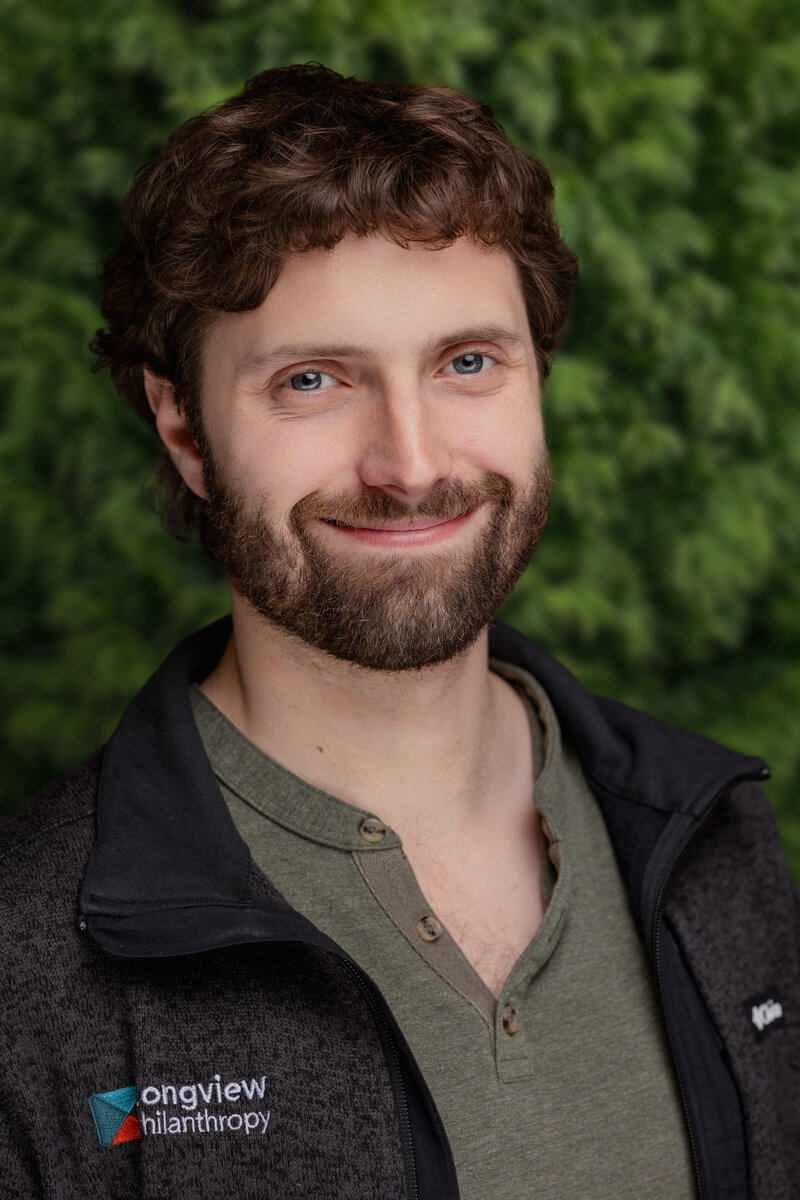
My stream aims to prevent catastrophic outcomes through the AI transition by focusing on three lines of effort: nuclear and AI-enabled strategic threats; cognitive security, information competition, and AI-enabled influence; and moral game theory, competitive strategy, and peace. Fellows can pursue their own research, help build the field, or support grantmaking in any of these areas.

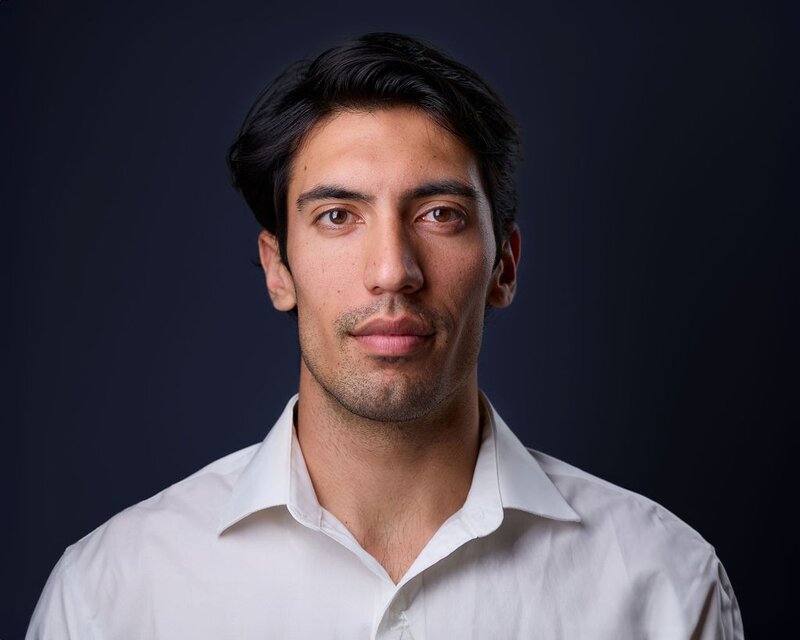
Our stream focuses on AI verification, as in how actors can check that the use of AI compute is compliant with policy, especially for enabling international agreements on AI. This sense of verification is much broader than formal verification.
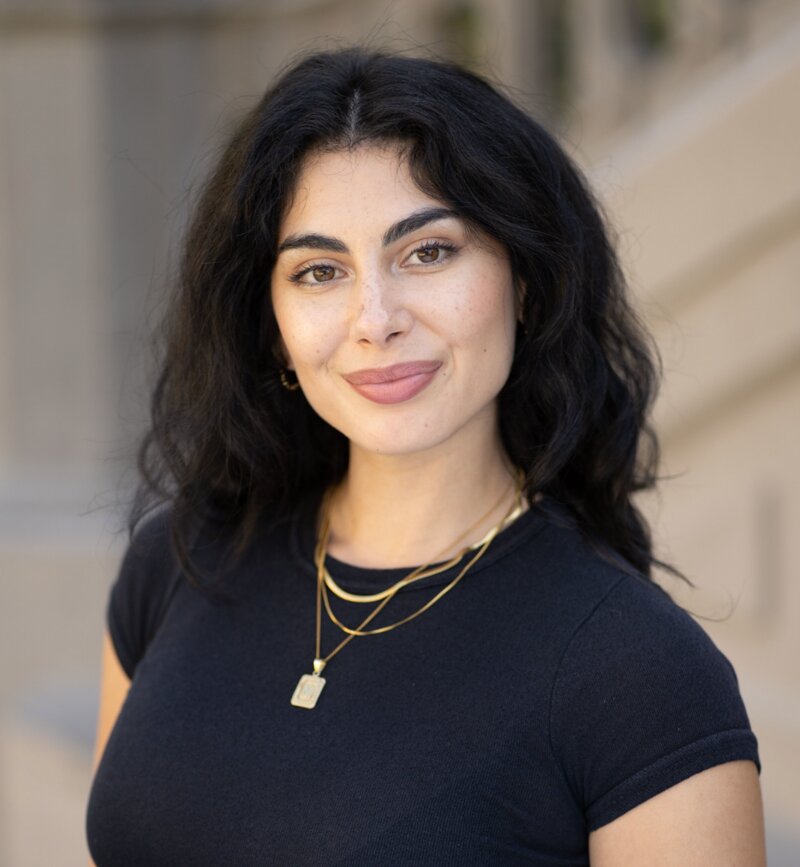
This stream will focus on preparing AI governance policies for future policy windows through scenario mapping and policy architecture.

Research papers (technical governance or ML) related to evaluating and mitigating dangerous AI capabilities, with a focus on what's actionable and relevant for AGI companies
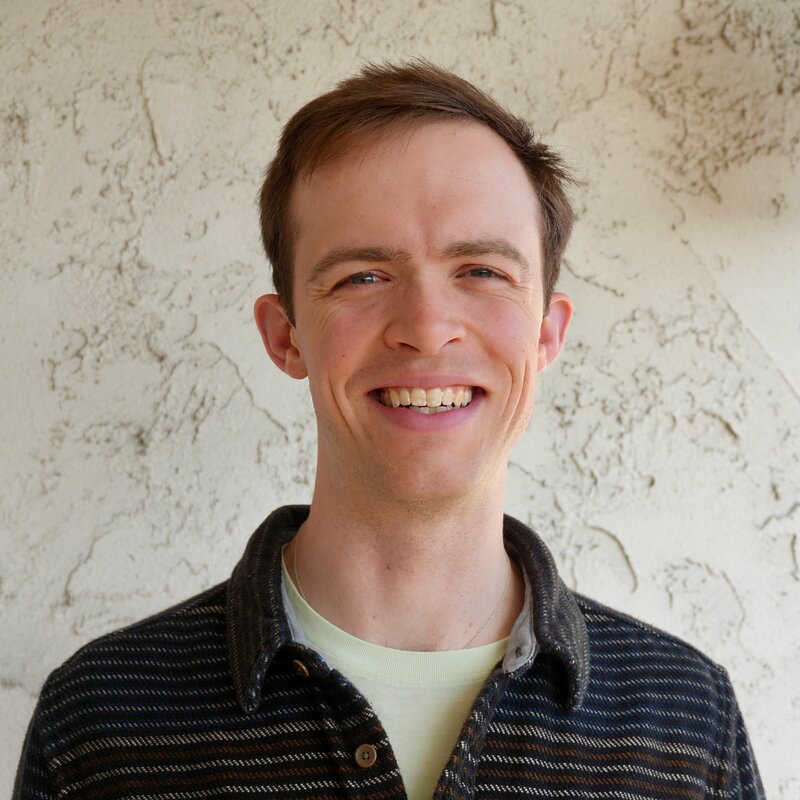
This stream focuses on understanding model character in language model training dynamics, addressing questions around character reliability, scaled RL’s effects on character training, and how model character interacts with capabilities training. We plan on building a training-focused workstream to answer these questions, with a goal of building out the early, foundational research area on character training across ML, NLP, and safety fields.

Neel takes a pragmatic approach to interpretability: identify what stands between where we are now and where we want to be by AGI, and then focus on the subset of resulting research problems that can be tractably studied on today's models. This can look like diving deep into the internals of the model, or simpler black box methods like reading and carefully intervening on the chain of thought - whatever is the right tool for the job. This could look like studying how to detect deception, understanding why a model took a seemingly concerning action, or fixing weak points in other areas of safety, e.g. using interpretability to stop models realising they are being tested. You can learn more about Neel's approach in this podcast.
He has spent far too much time having MATS scholars, and has worked with ~60 so far - he’s excited to take on even more!
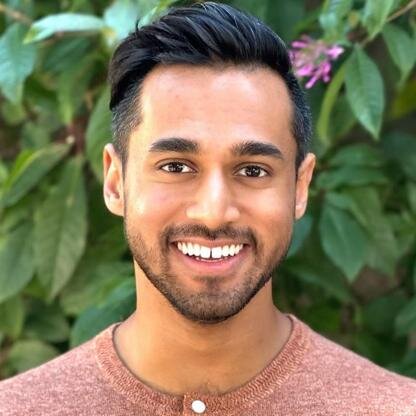
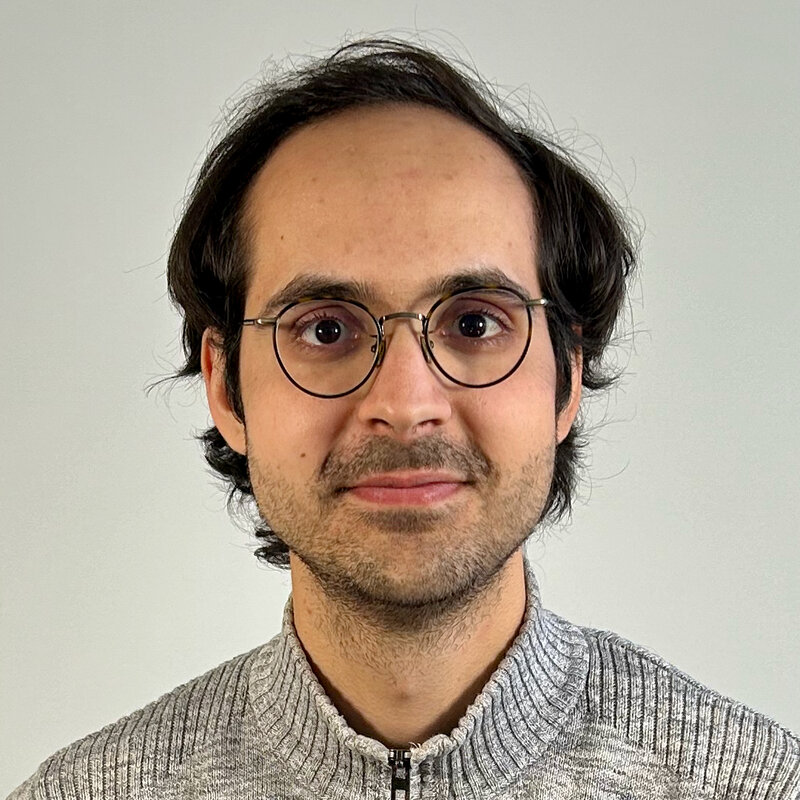
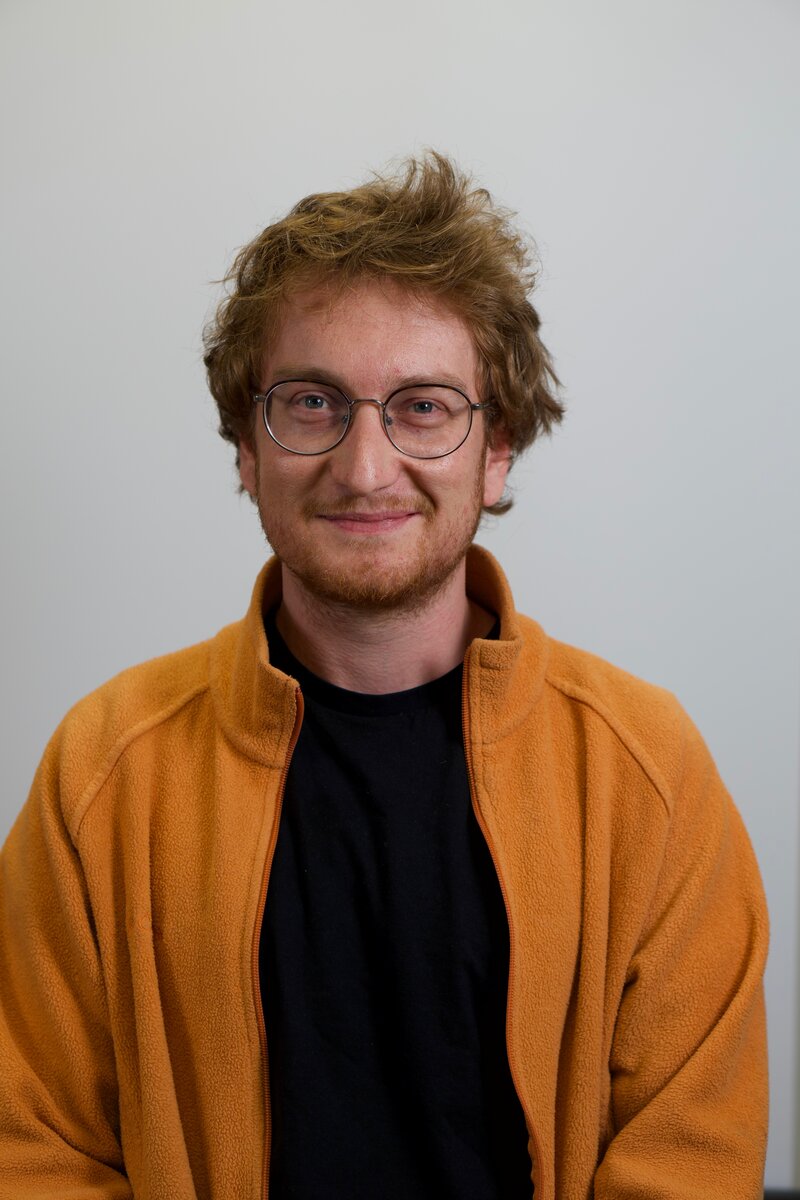
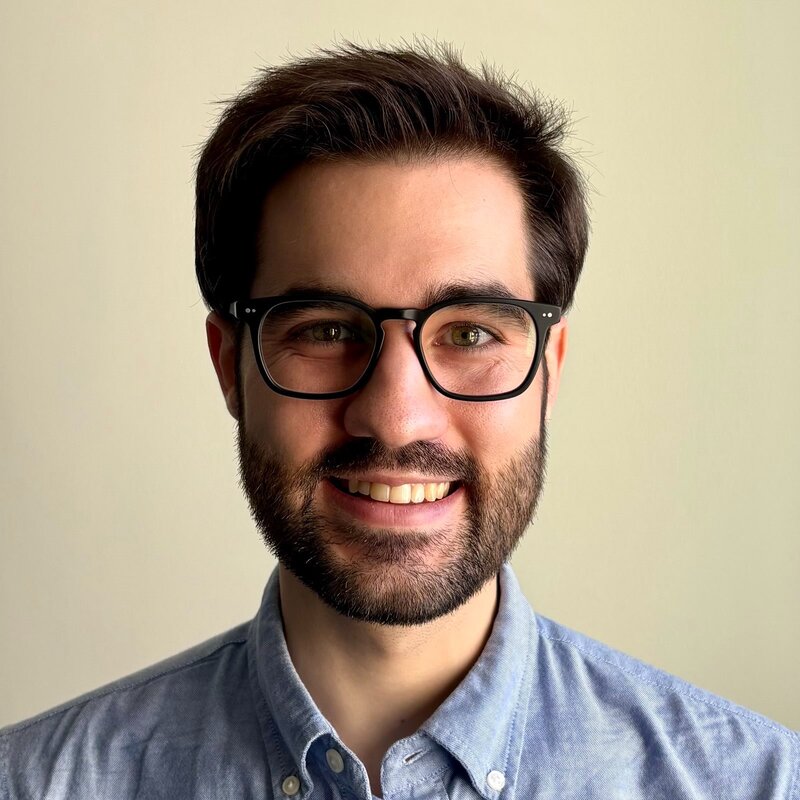
The MATS Program is supported by a diverse and highly respected group of mentors — top-tier researchers, engineers, and thinkers working across AI alignment, governance, interpretability, and security.









Application
What are the key dates for MATS Winter 2027?
The timeline for the MATS Winter 2027 program is:
- Application final deadline: September 6th, 2026
- Evaluations: September, October and early November
- Offers sent: Early to mid-November
- Program dates: January 19th to April 10th. The Winter 2027 Program has a time commitment of 40 hours per week over 12 weeks and takes place in-person in Berkeley, CA and London, UK. Remote or part-time participation is a possibility depending on your circumstances and mentor.
- Extension phase: Possible 6 or 12-month extension for select fellows after the 12-week program, starting in December.
What if I am accepted by multiple streams?
Based on stream rankings of applicants and applicant rankings of streams, a final matching process uses both sides' rankings to send out a single offer.
How long does the application process take?
Stage 1 applications open on August 18th and close on September 6th, end of day anywhere on Earth. Offers go out in early to mid-November, and the program starts on January 19th.
Finances
What does “financial support” concretely entail?
MATS provides a stipend of $1600 per week for participation in the main program ($19,200 for the full 12-week program). Scholars who are participating and performing research for less than 40 hours/week and/or for less than 12 weeks will receive stipends proportional to their level of participation.
Separately from this stipend, MATS will provide scholars with travel to and from Berkeley or London, housing, office space, and lunch and dinner on weekdays.
Do I have to pay taxes on the grant I receive for the MATS Program?
MATS participants may have to pay taxes on their grants based on the rules of the countries in which they are a resident for tax purposes. The grants should be regarded as private grants from a non-profit entity provided to individuals for the purpose of independent research and participation in a US-based educational seminar program.