MATS mentors are advancing the frontiers of AI alignment, transparency, and security
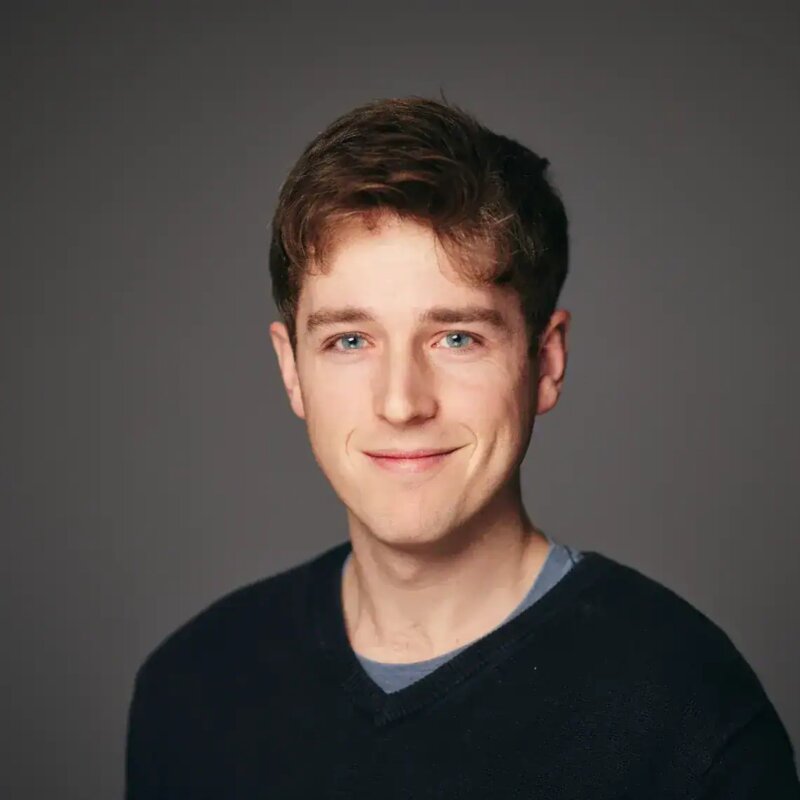
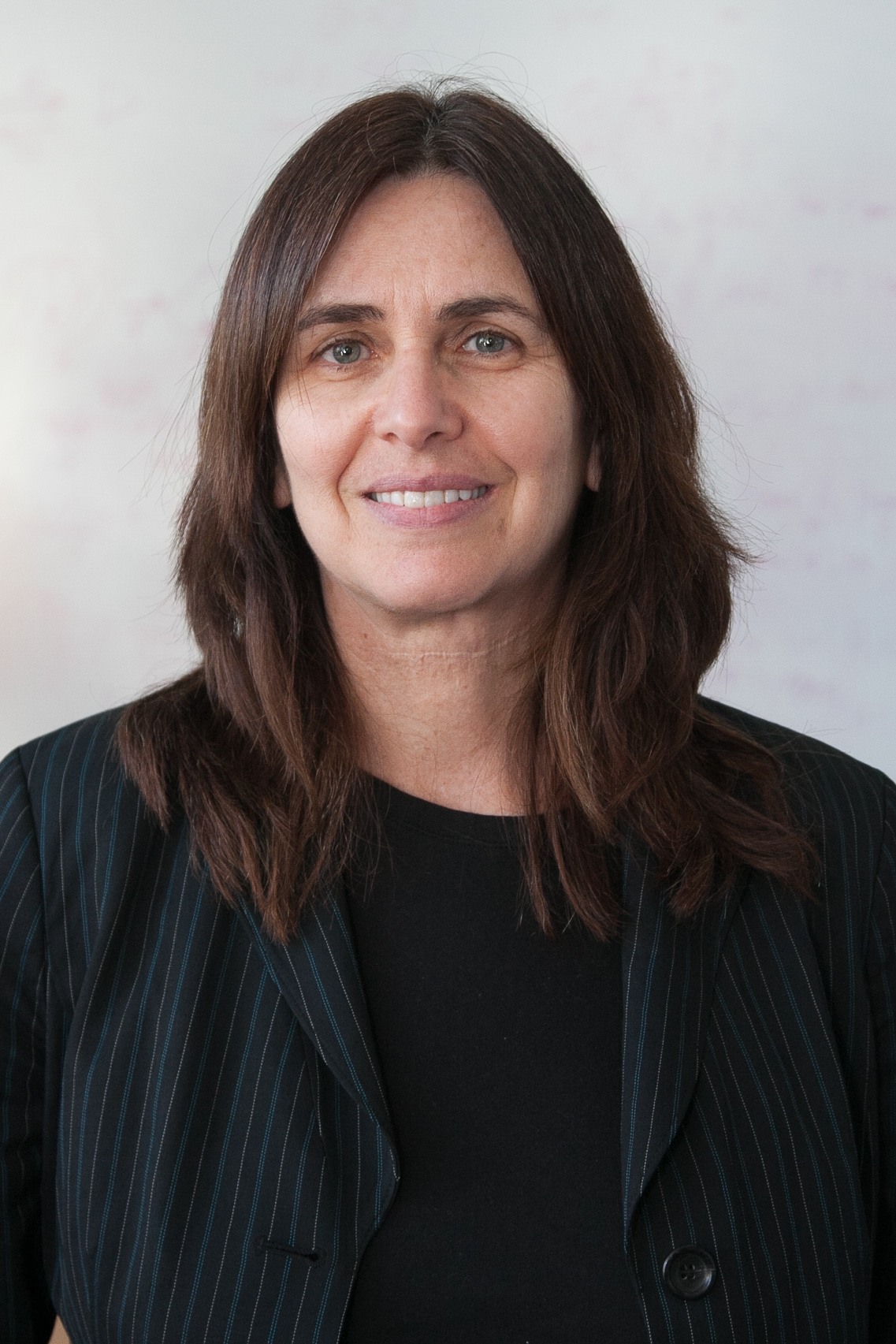
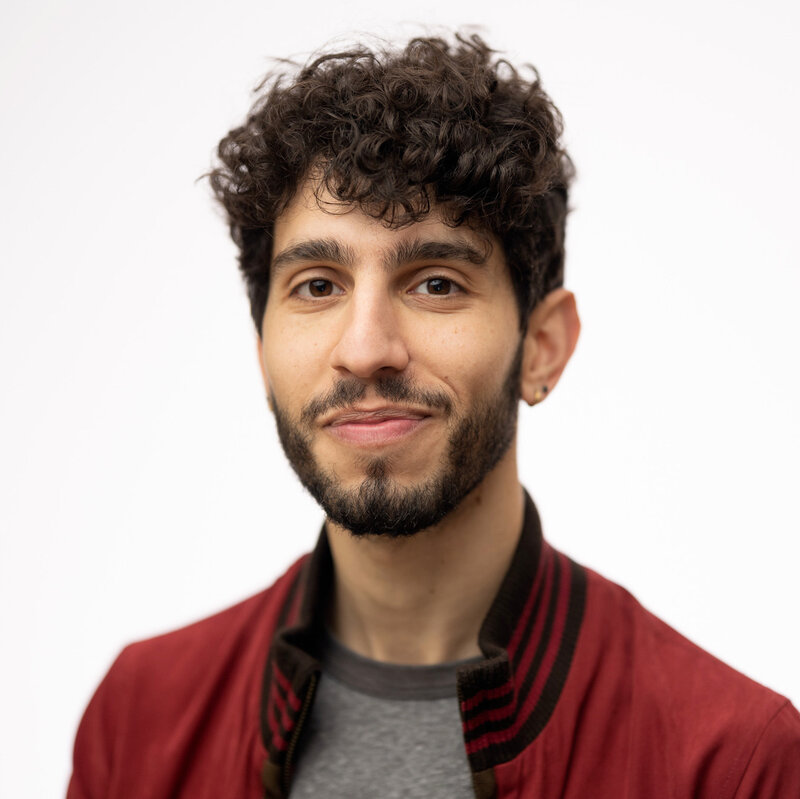
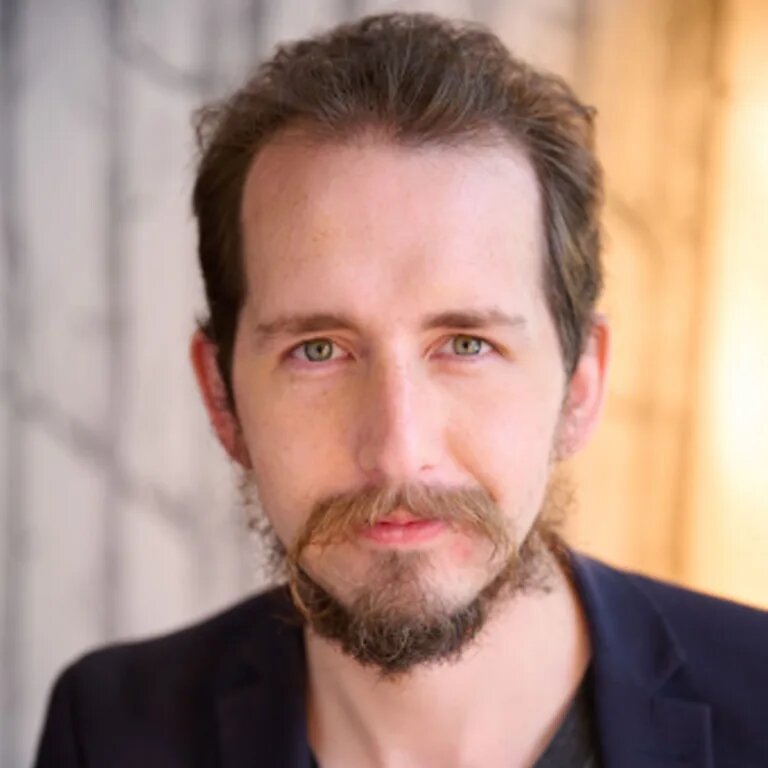


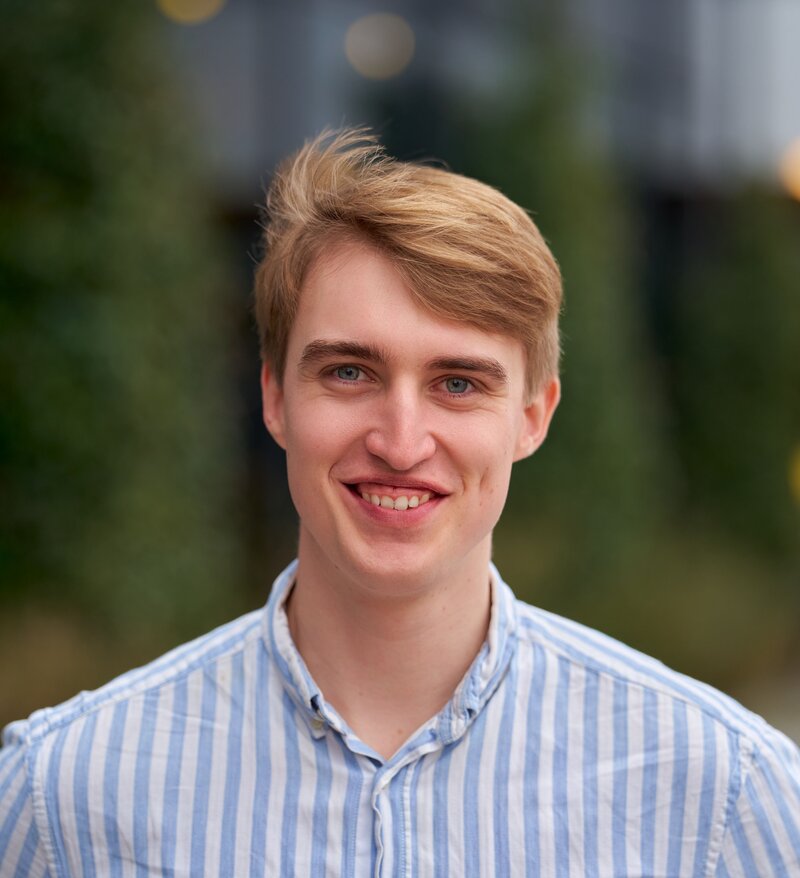
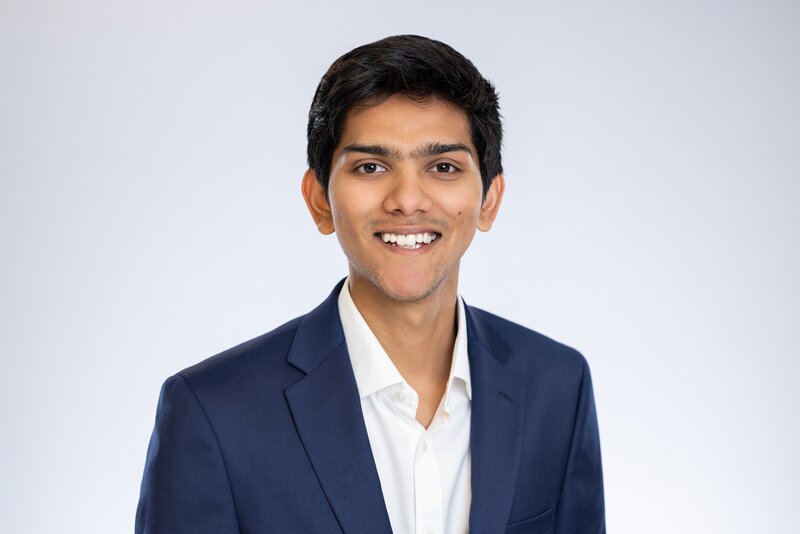

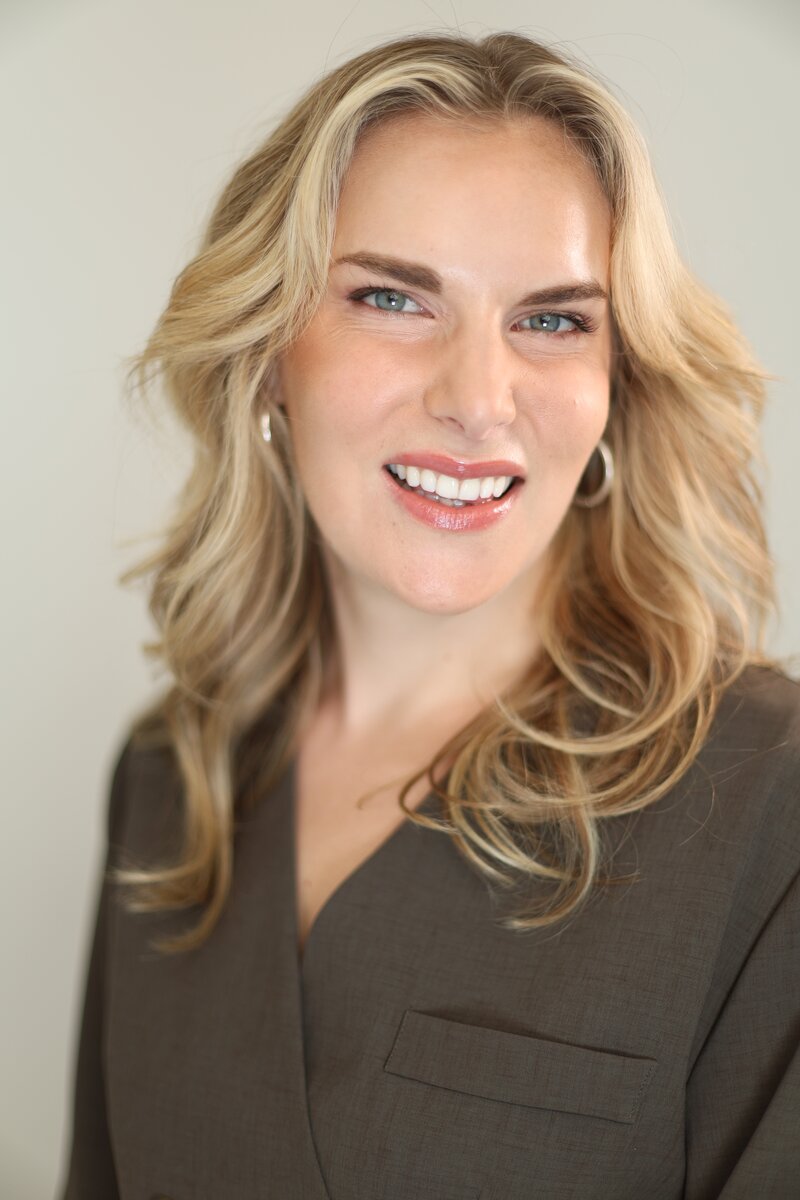
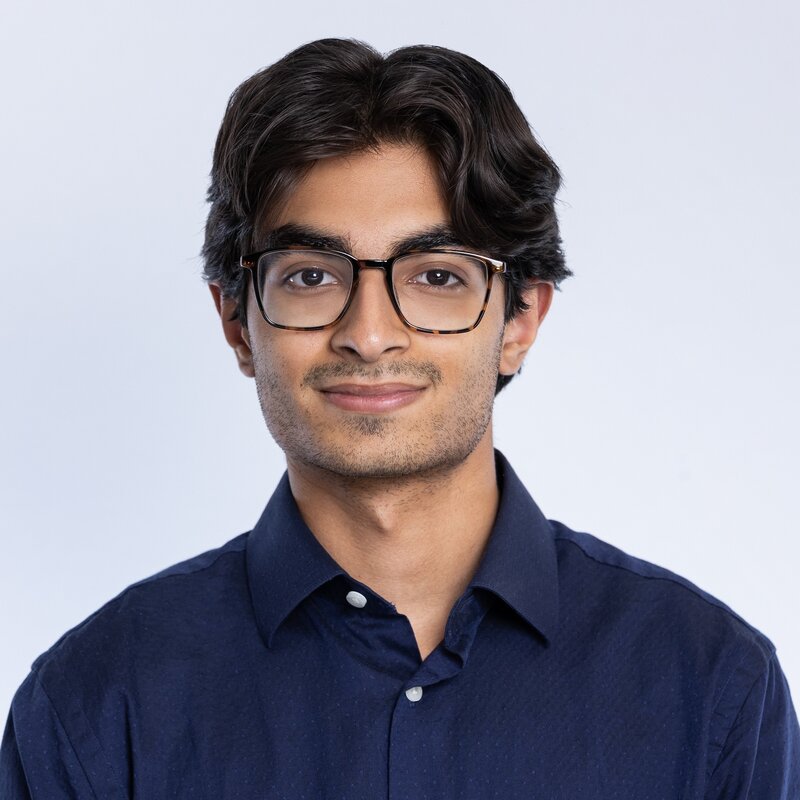
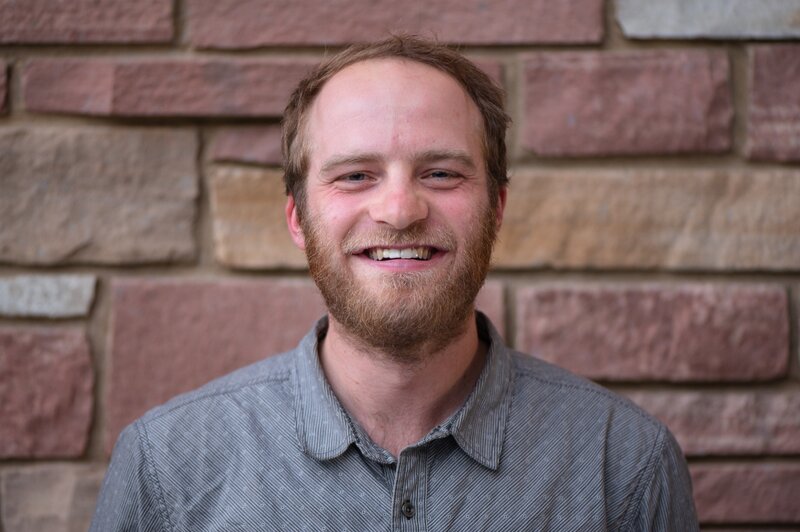
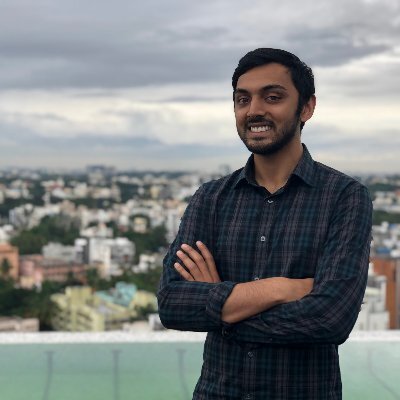
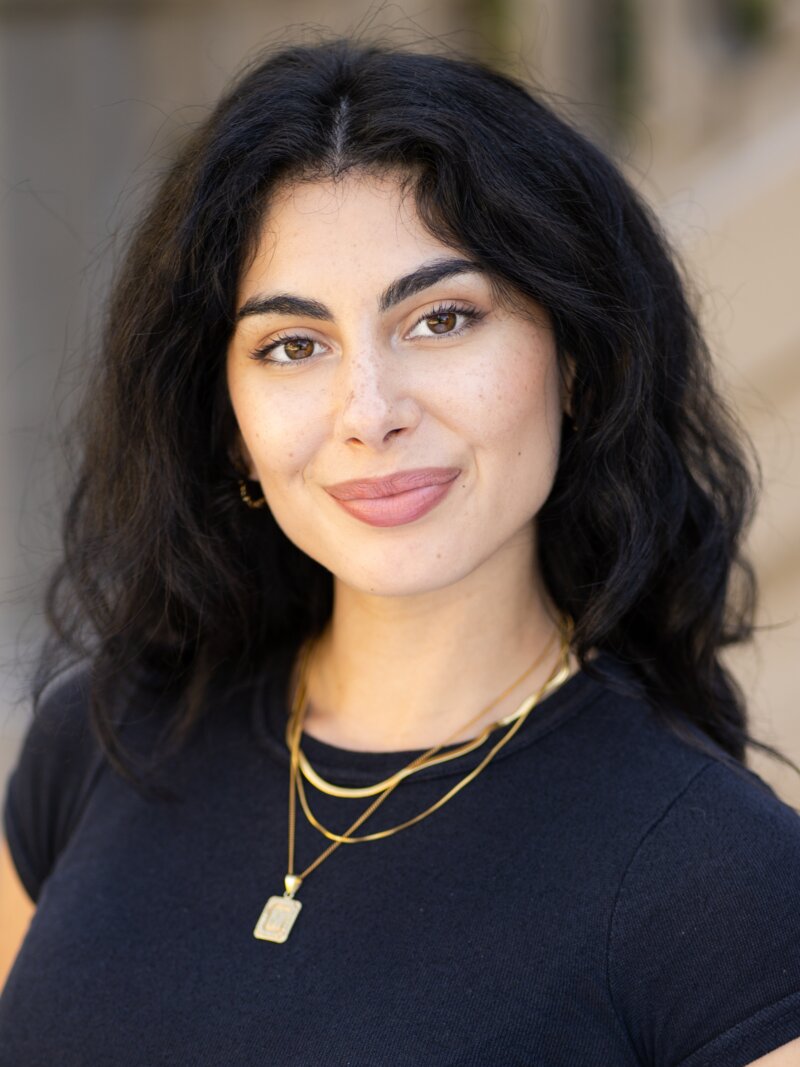
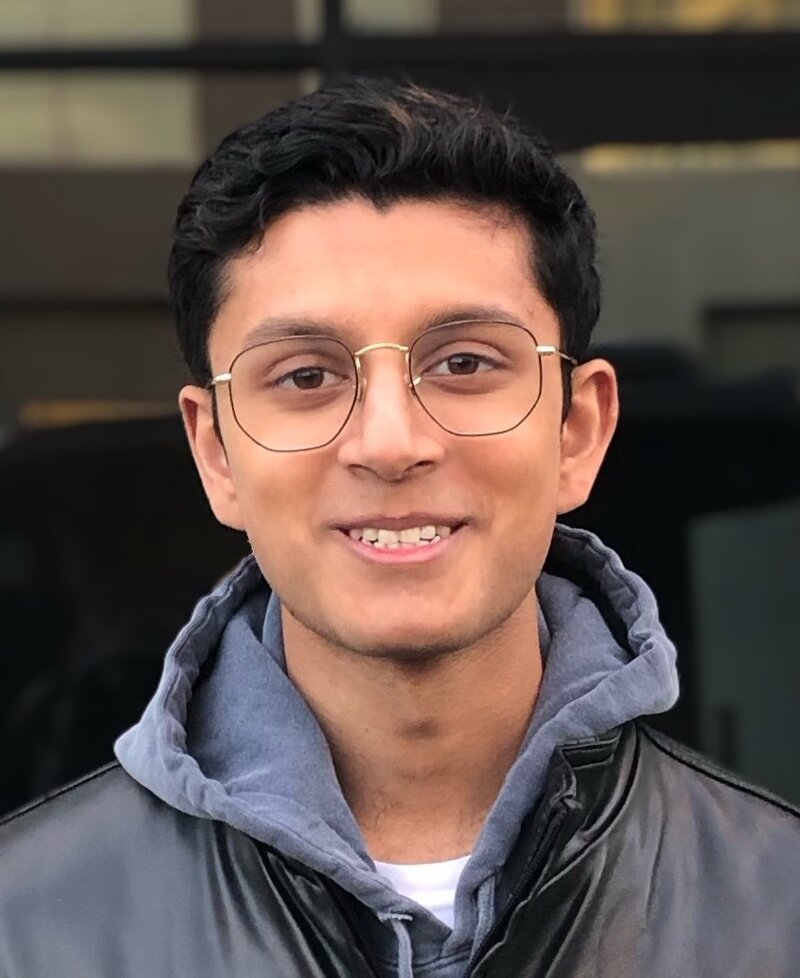
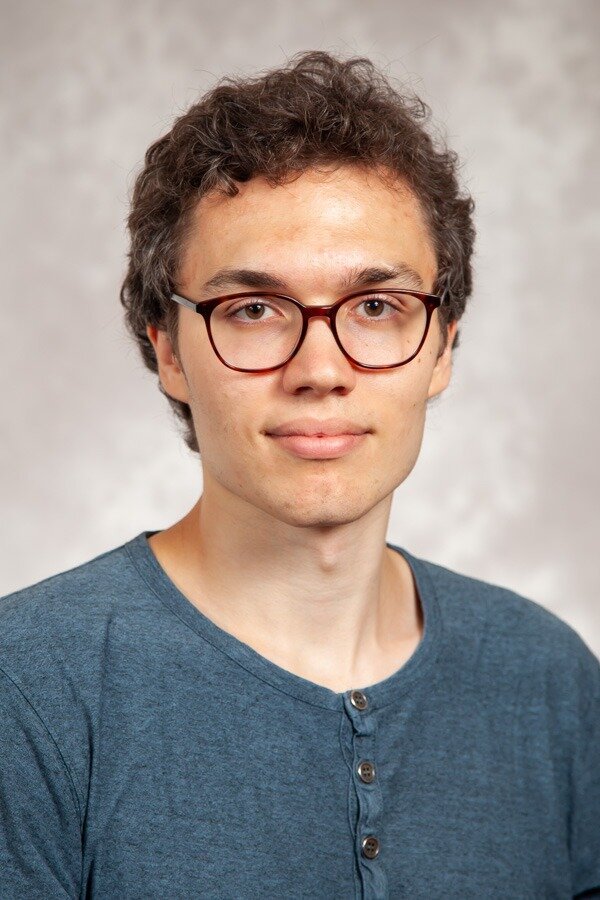
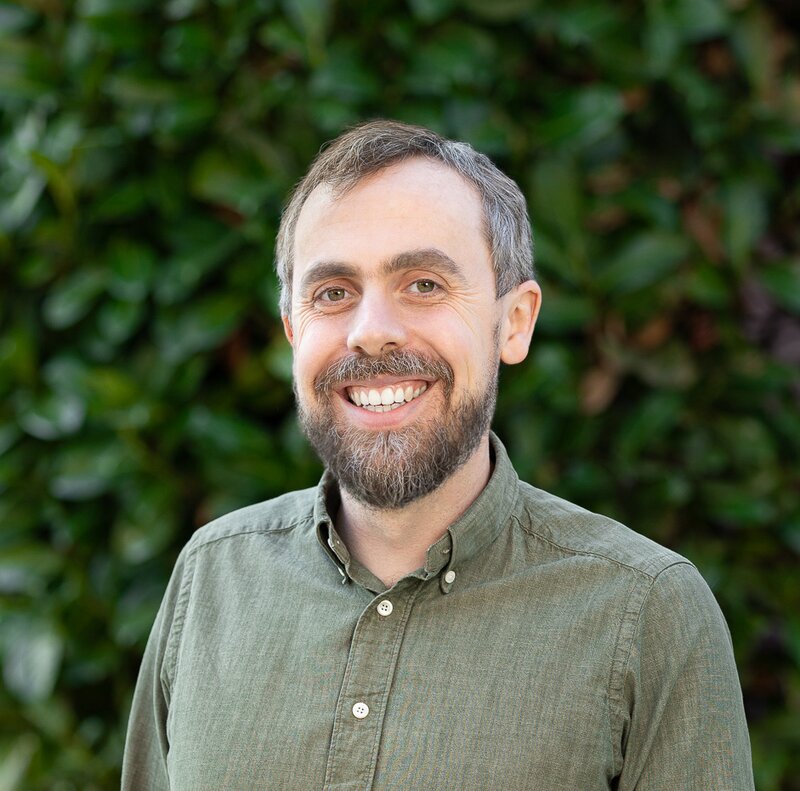
I am the executive director of the Alignment Research Center and a technical advisor at the Center for AI Standards and Innovation within NIST. I previously ran the language model alignment team at OpenAI. Before that I received my PhD in statistical learning theory from UC Berkeley.
You may be interested in my writing about alignment, my blog, my academic publications, or fun and games.
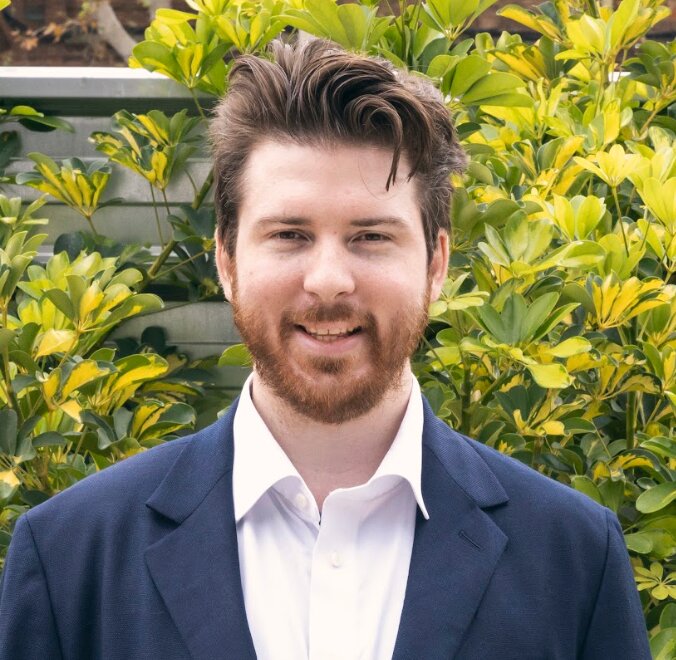
Peter Wildeford is the Head of Policy at The AI Policy Network an organization building bipartisan support for policies that prepare America for AI superintelligence. He has spoken about AI on Good Morning America, the Daily Show, TIME, Politico, The Information, TechCrunch, and Transformer. Previously, he co-founded the Institute for AI Policy and Strategy and before that he was a data scientist and software engineer for five years. He is also a top-20 forecaster on Metaculus and has placed highly in multiple forecasting tournaments.
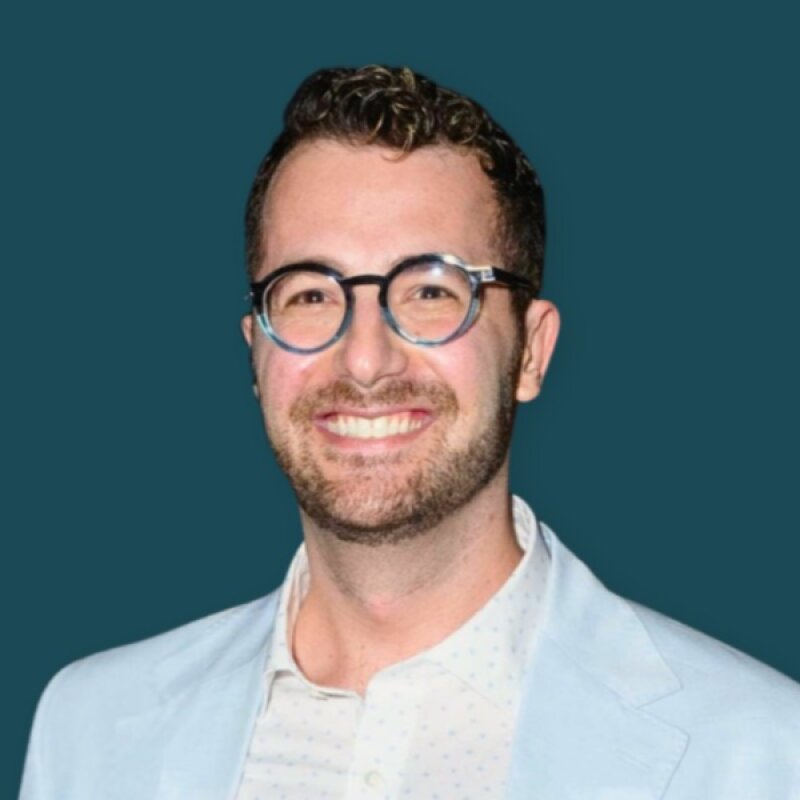
Ross has built his career at the intersection of catastrophic risk mitigation, entrepreneurship, and market research. At Halcyon, he focuses on investments and incubations in cyber defense, frontier AI verification and control, and biosecurity.
Before joining Halcyon, he worked at Bessemer Venture Partners. He also founded Tailwinds, a product marketing consultancy for early-stage AI startups, and he began his career as a tech reporter at The Information.
Ross is a BlueDot Impact course alumnus and a Cosmos Institute grantee.
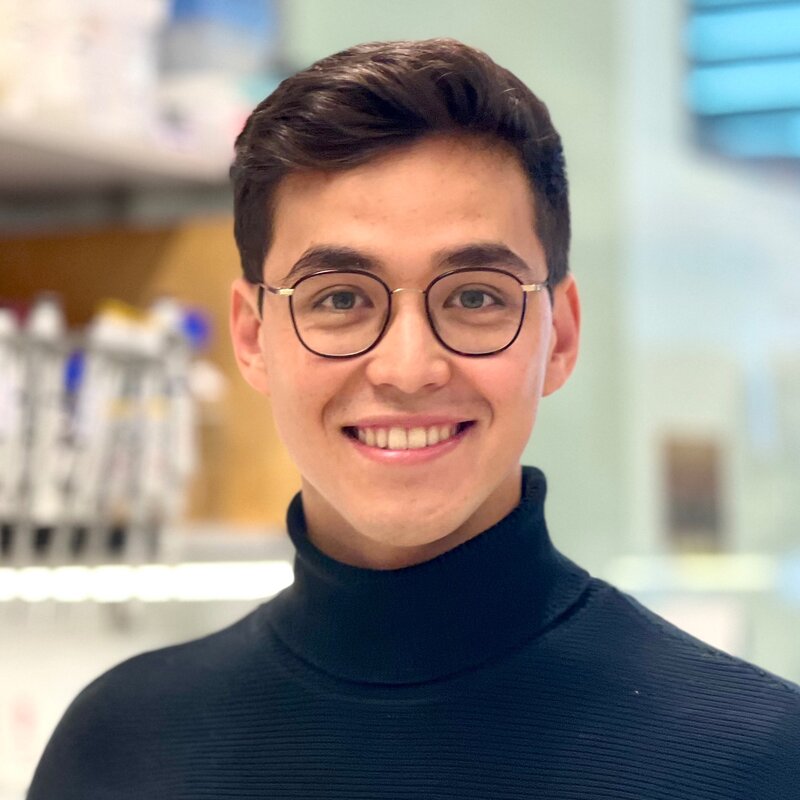
Askar is Co-Founder of SynX Therapeutics, a London-based biotech start-up developing a rapid drug discovery platform for peptide therapeutics. His work spans synthetic biology technology development across drug discovery, medical countermeasures, and synthetic genomics. During his doctoral research at the MRC Laboratory of Molecular Biology, Cambridge, Askar developed methods for megabase-scale DNA assembly and whole-genome synthesis of E. coli.
Askar has worked on policy questions related to biosecurity and the bioeconomy and contributes to EU medical countermeasure policy via DG HERA's Joint Industrial Cooperation Forum.
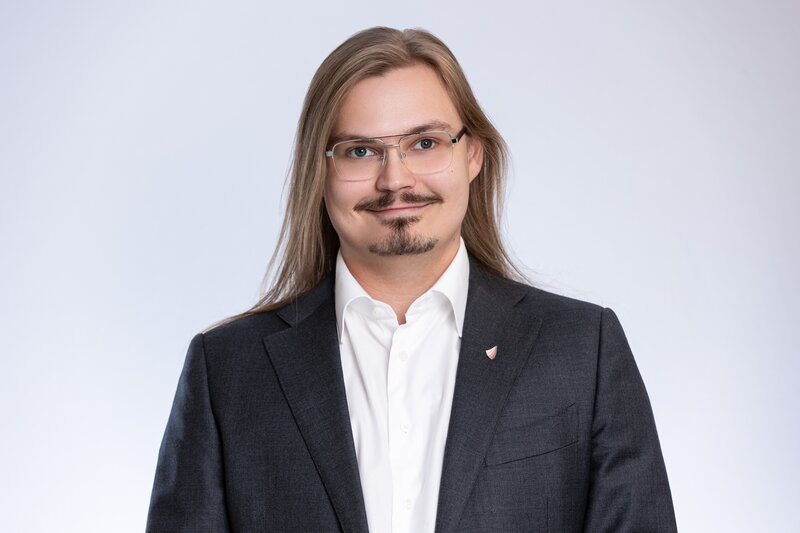
Onni Aarne is the research lead for compute policy at the Institute for AI Policy and Strategy (IAPS), and is setting up a new Institutional Resilience workstream at IAPS.
Onni has been working on compute policy since 2022, and is best known for work on hardware-enabled mechanisms, including location verification and flexHEGs. More recently he has worked on AI integrity and other interventions to counter risks of extreme power concentration.
He has a BSc in Computer Science and a MSc in Data Science from the University of Helsinki.
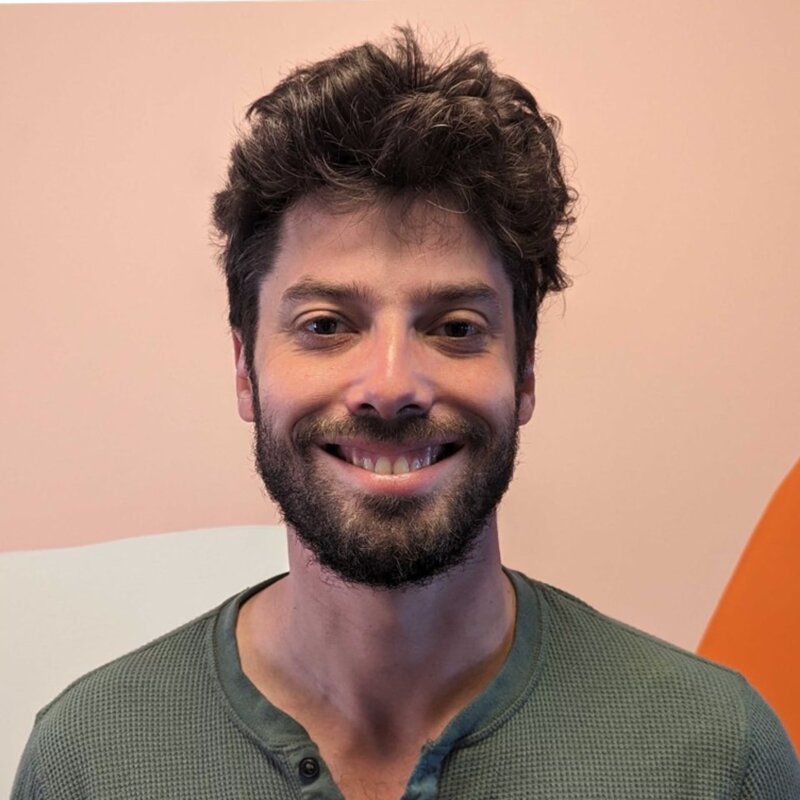
Nick Fitz is a founder and general partner at Juniper Ventures. He previously co-founded and led Momentum, an AI donor-engagement company acquired by Virtuous in 2025.

Guy is a researcher at Security Level 5, an AI Security Tech Lab with the mission to create the technical and strategic optionality for frontier AI labs to reach SL5 (security against priority nation state attacks) for their core internal operations in the coming years. The team developed the world’s first SL5 Standard, and is currently prototyping mock SL5 datacenters in coordination with frontier AI labs. The SL5 work brought together 100+ security engineering specialists across frontier AI labs, the US intelligence community and broader AI Security ecosystem to chart the technical path towards reaching nation-state secure AI Datacenters and frontier AI workflows by 2028.
At SL5, Guy is leading the datacenter project, agent security research and various components necessary for SL5. Previously he worked on high-dimensional geometry analysis on language models, algorithmic / graph theory research and low-level engineering for HPC hardware and on low-level / embedded vulnerability research and engineering.
He also worked on a musical about AI which debuted in 2025 titled Out of This Box: The Last Musical (Written by Humans)

Joe is a Member of Research Staff at Guidelight AI Standards working on standards and assessments for safe frontier AI development practices. Previously, he worked on threat modeling with Forethought, AI governance with GovAI, multilingual LLMs at LG AI Research, and empirical ML safety + computational cognitive science at MIT.

My main research interest is figuring out what a good future might look like given the development of very advanced AIs, including how society might be structured and what types of AIs might exist. I also do some empirical research on language model psychology. My first real foray into research was MATS 4.0, focused on theories of agency for predictive models.
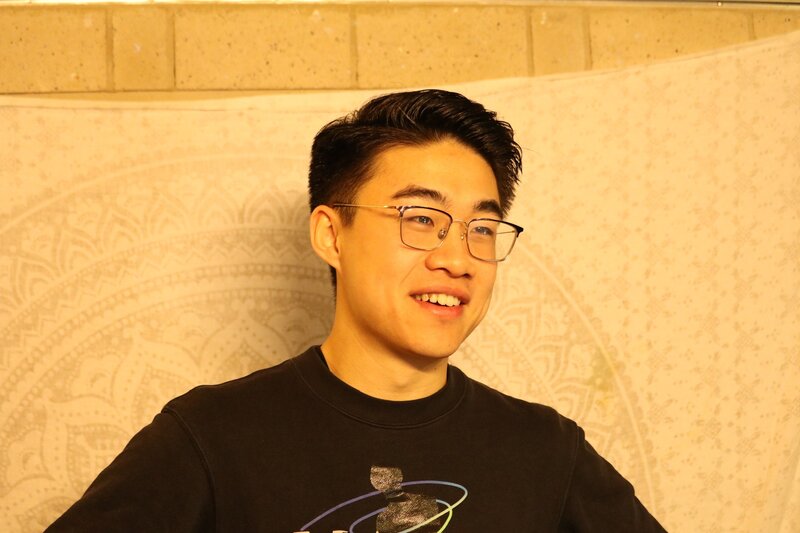
Yawen Duan is a Senior Researcher at the Safe AI Forum (SAIF), where he works on international coordination and technical AI governance for managing extreme risks from advanced AI. His research focuses on risks from increasingly agentic AI systems: how to set and operationalize risk thresholds and red lines, and how to evaluate and monitor agents post-deployment. Previously, as AI Safety Research Manager at Concordia AI, he led the Frontier AI Risk Management Framework (co-published with Shanghai AI Lab).