MATS mentors are advancing the frontiers of AI alignment, transparency, and security
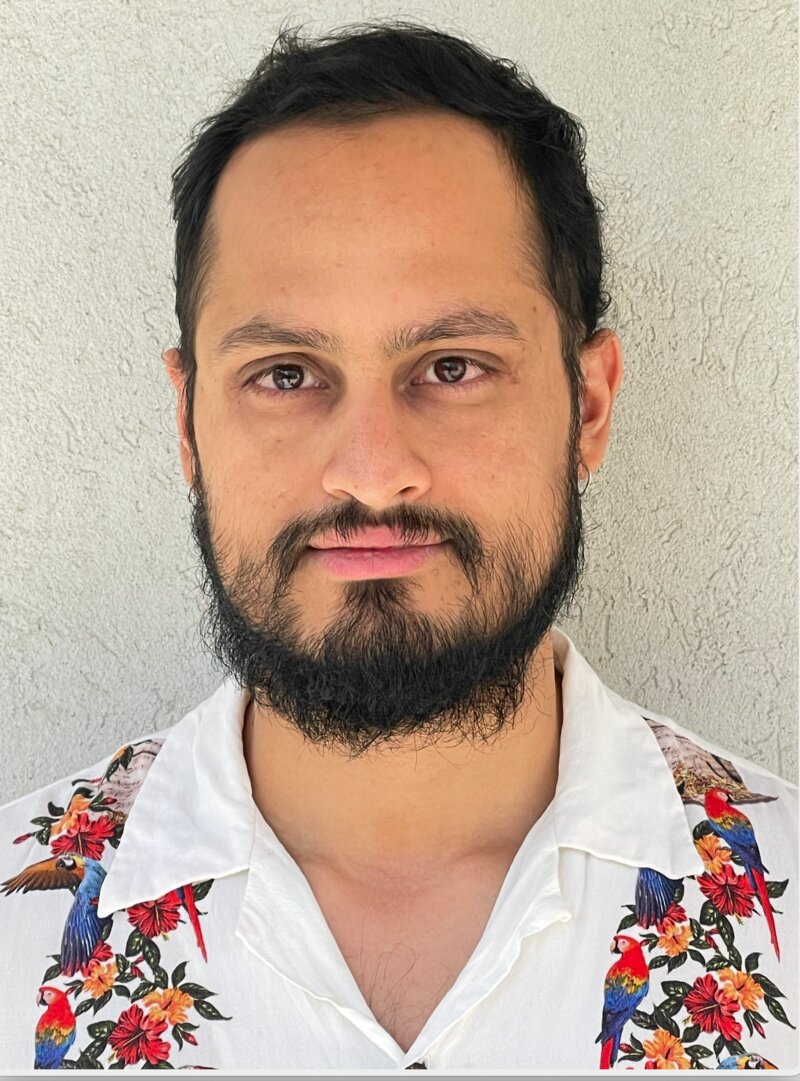
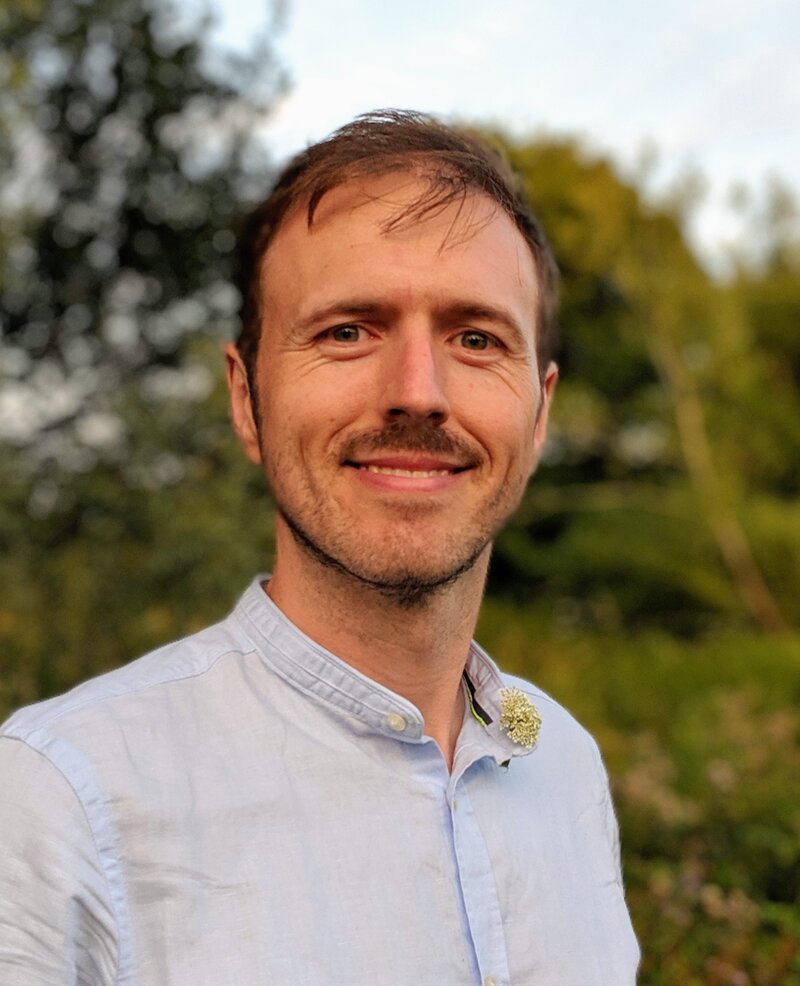
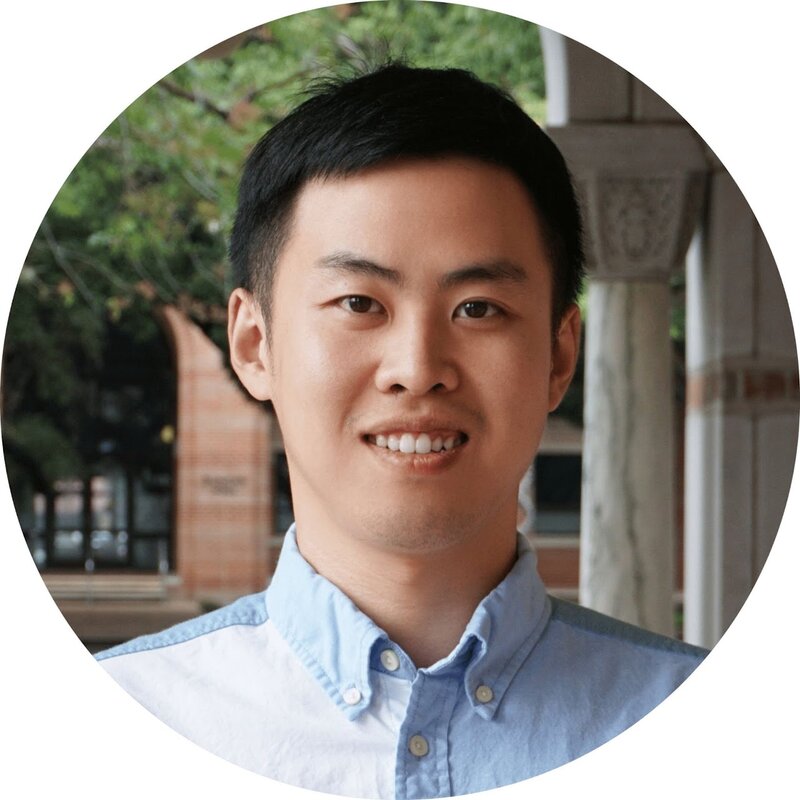
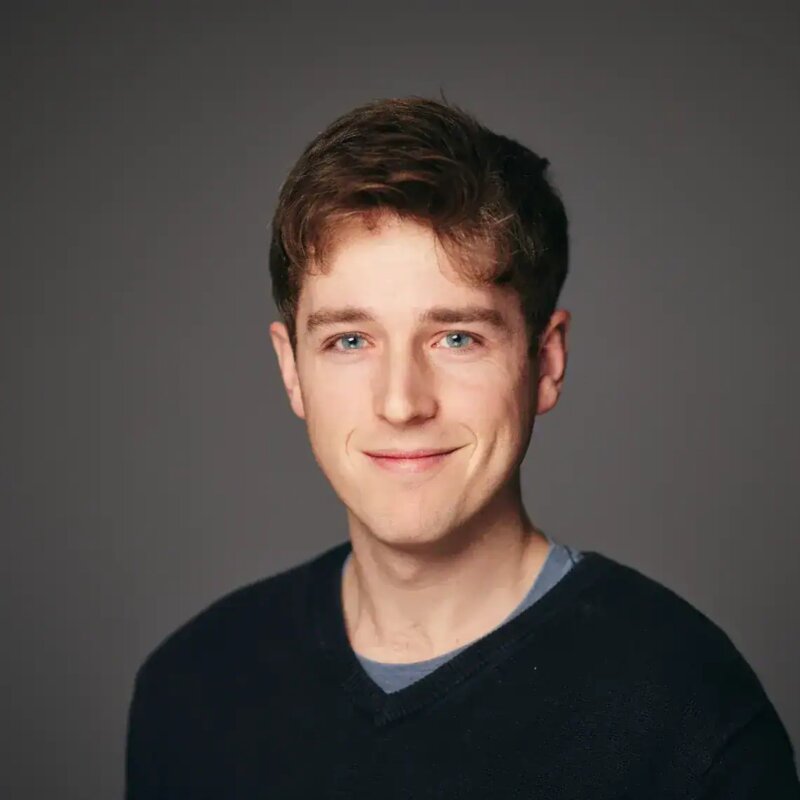
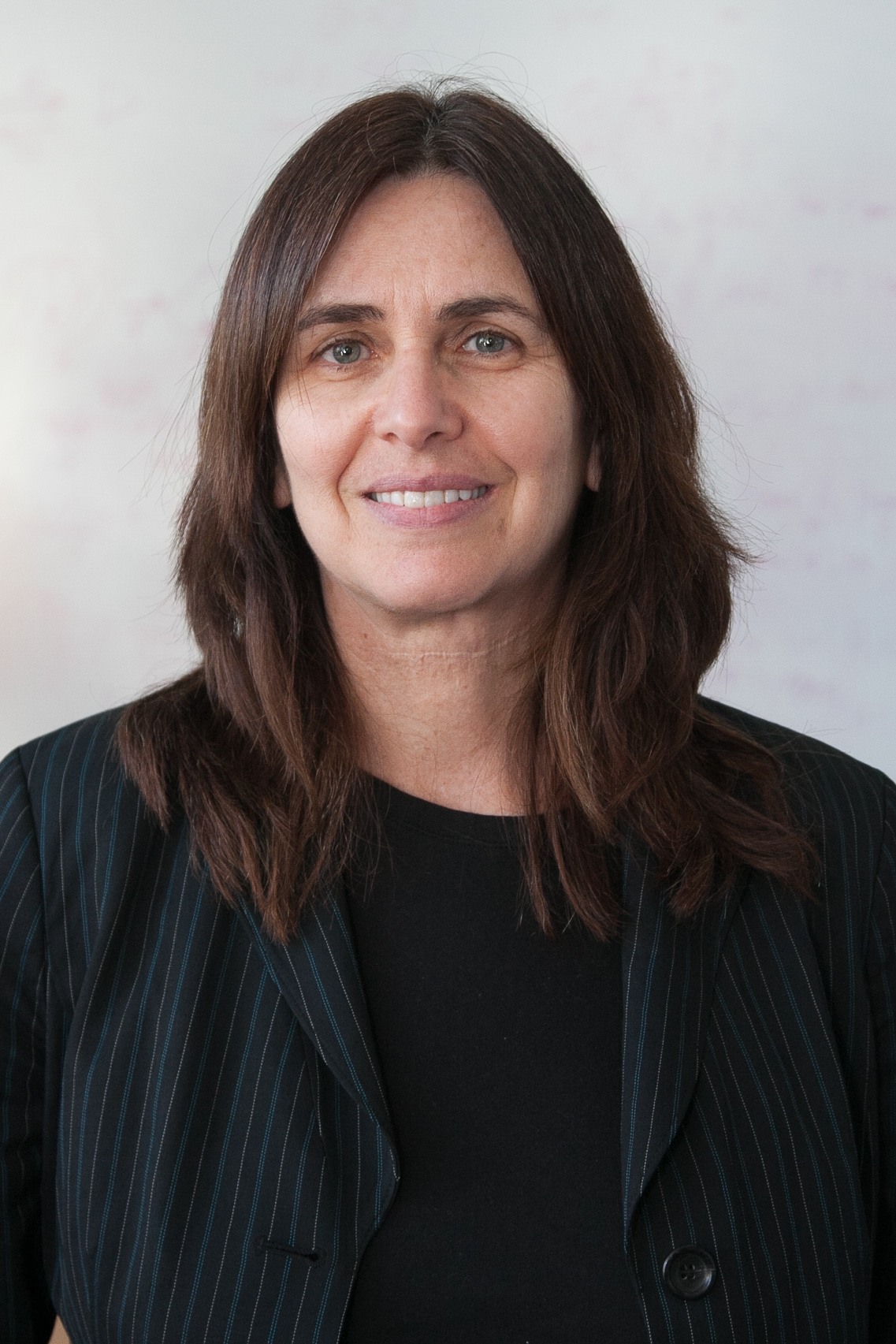
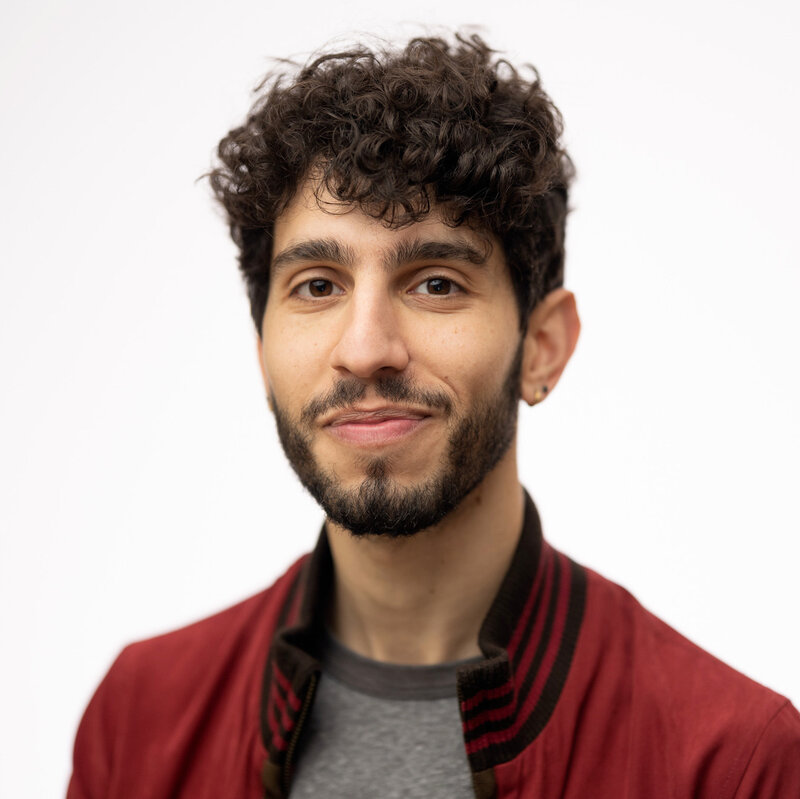
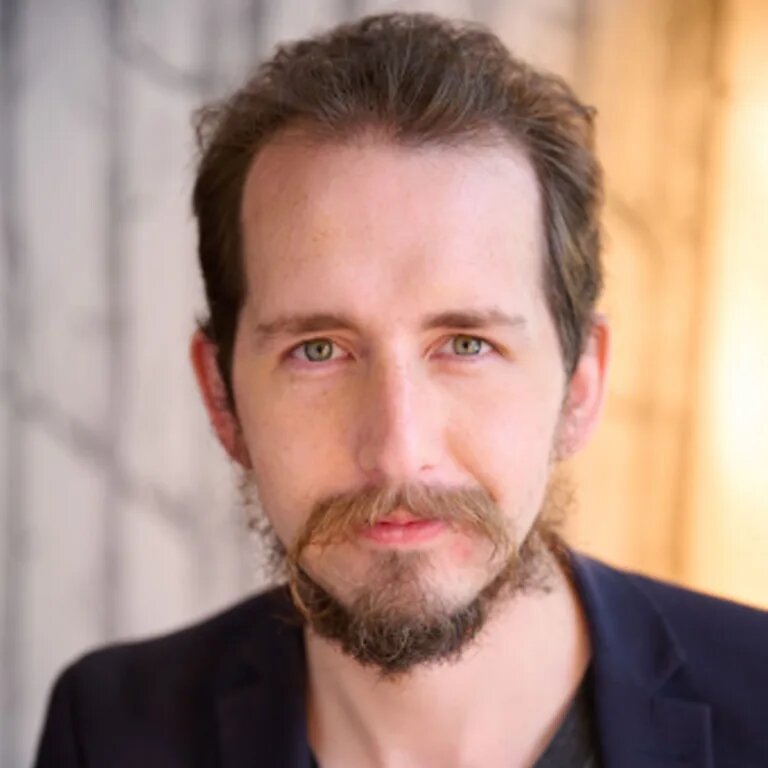

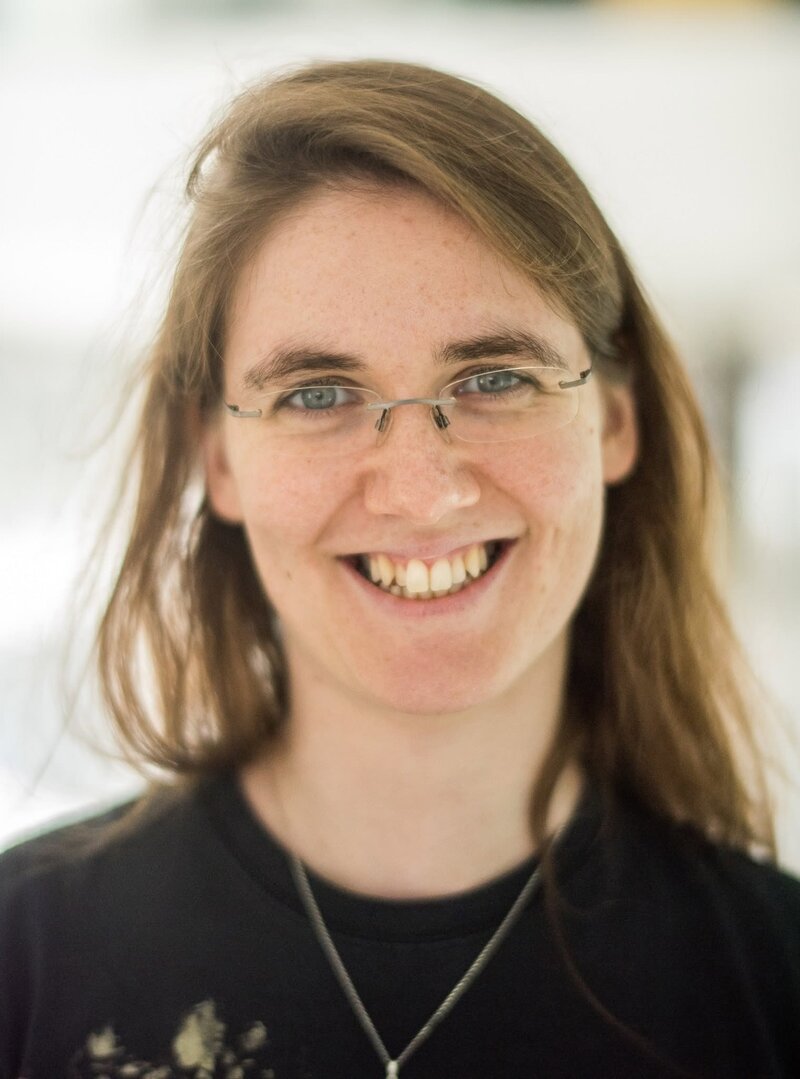
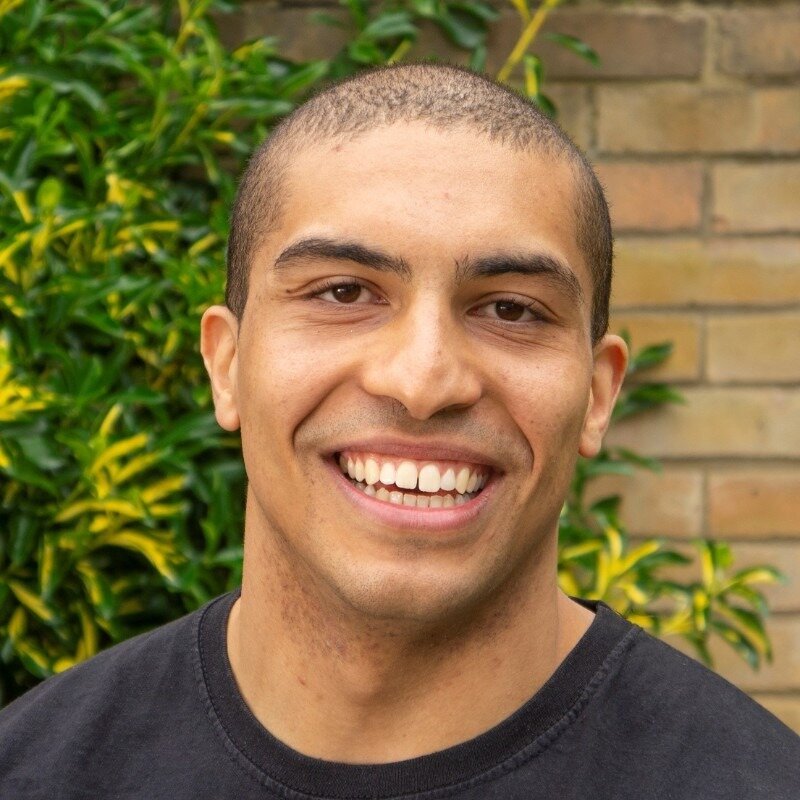
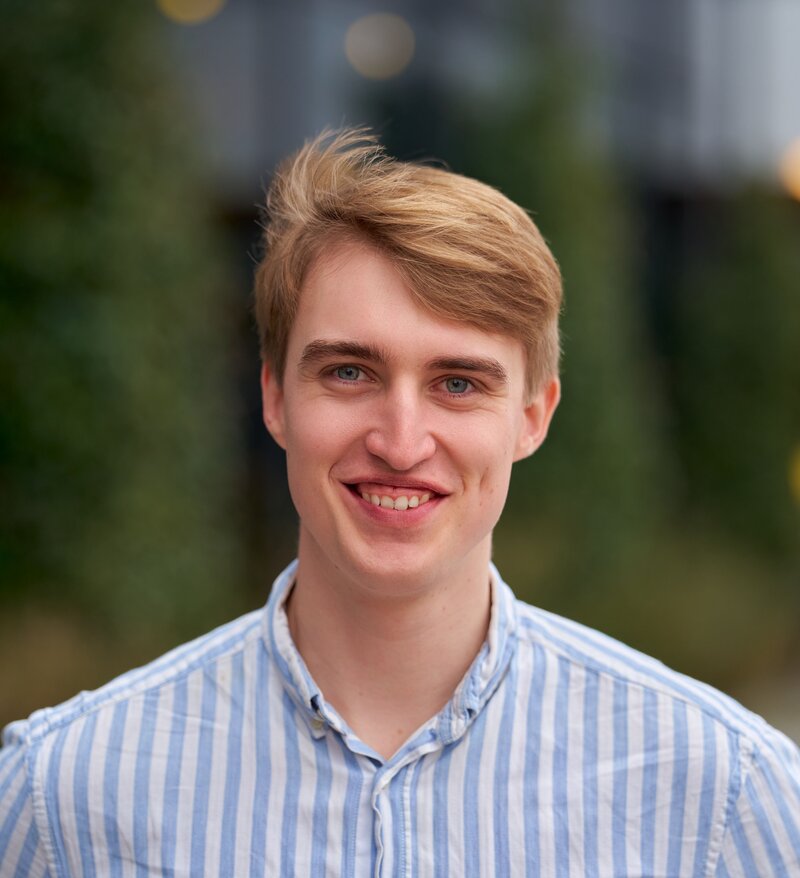
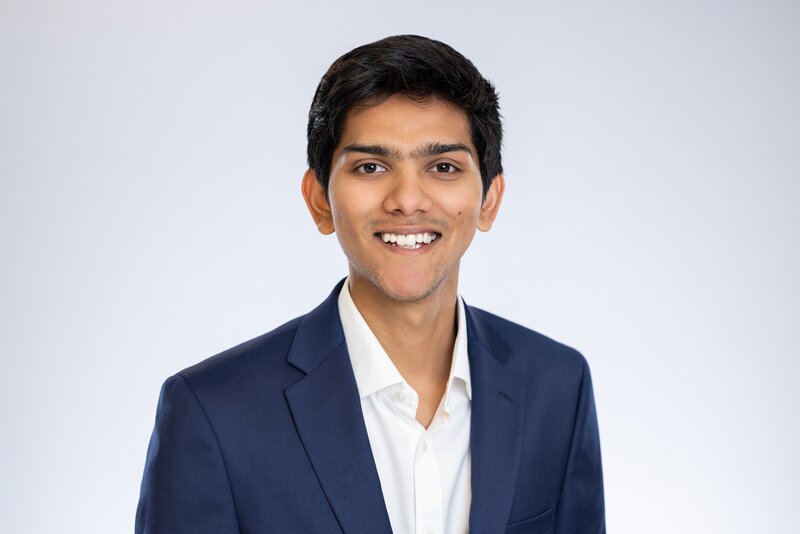
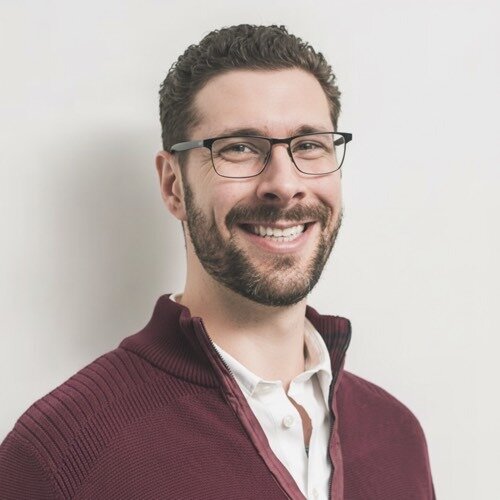
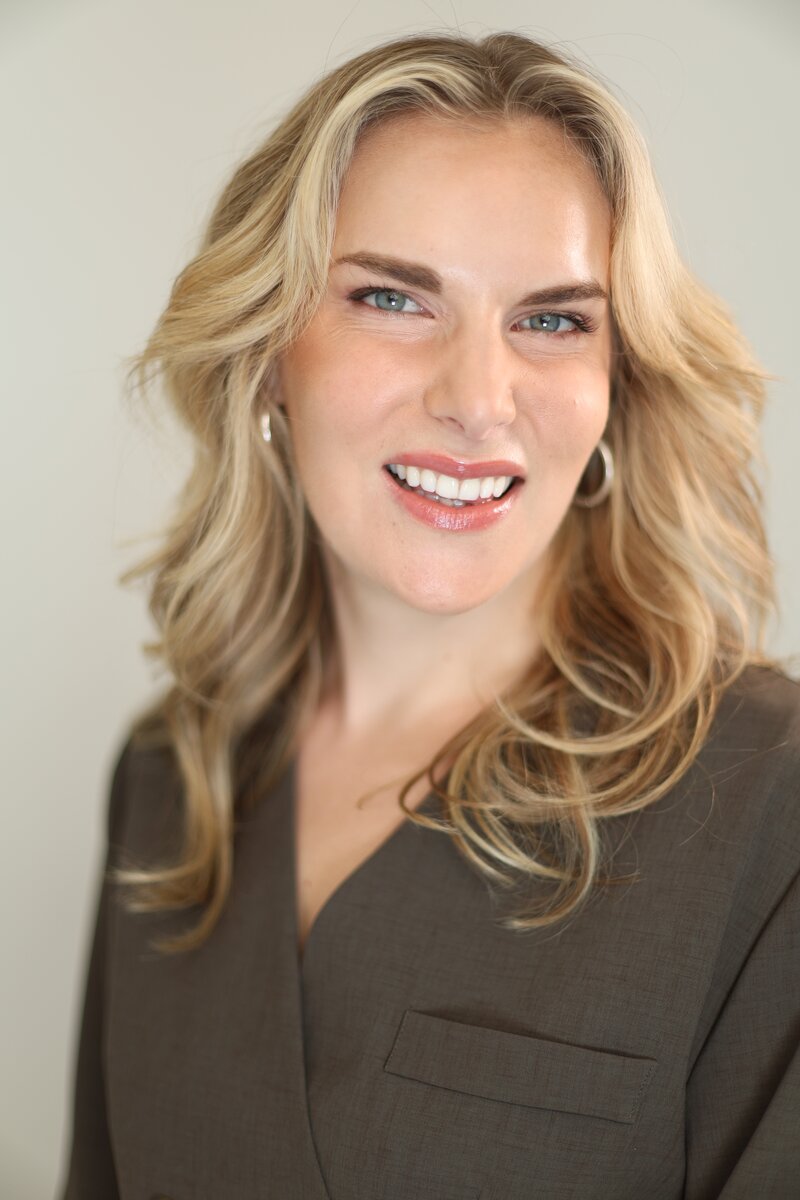
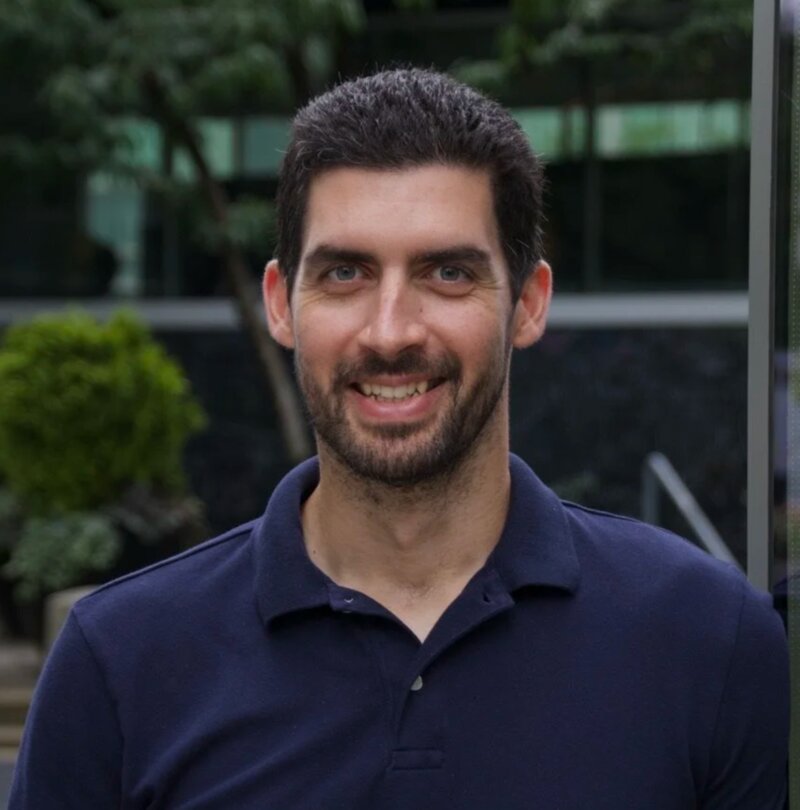
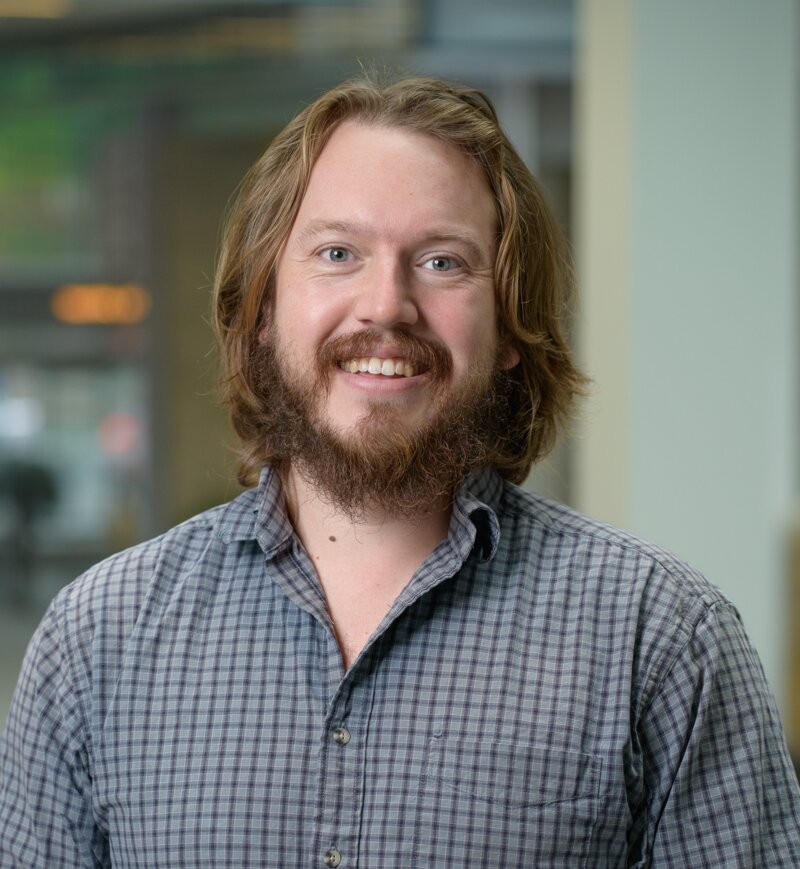
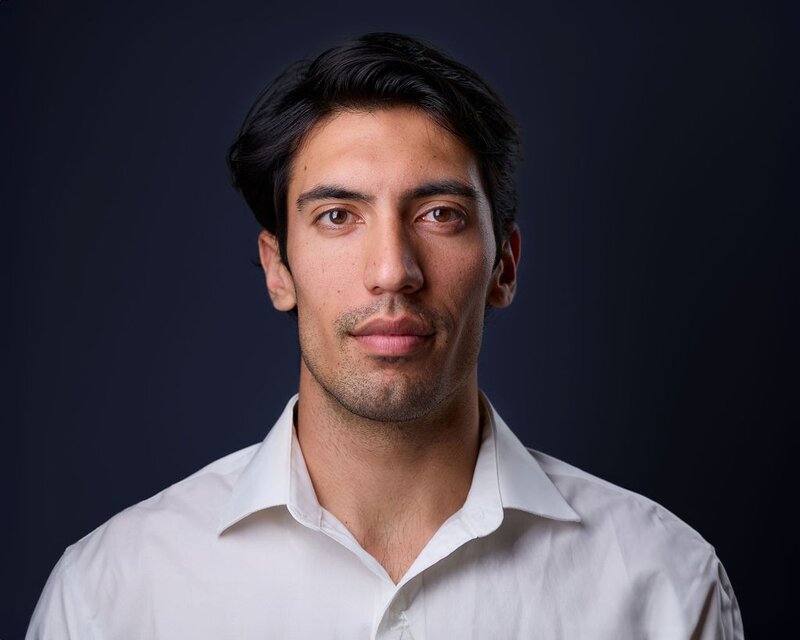
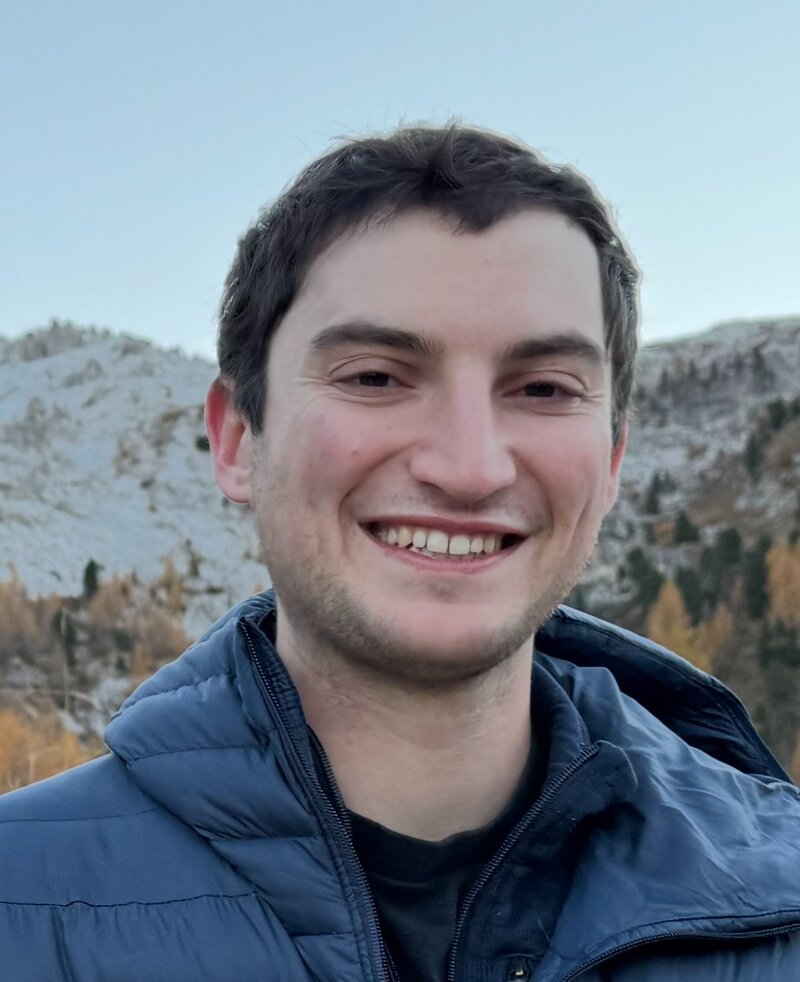
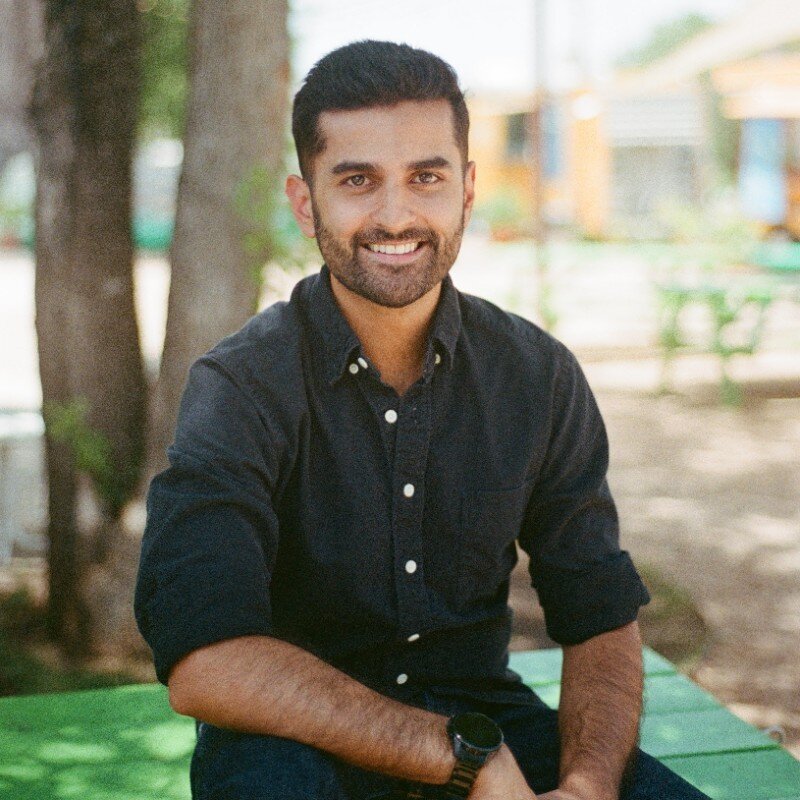
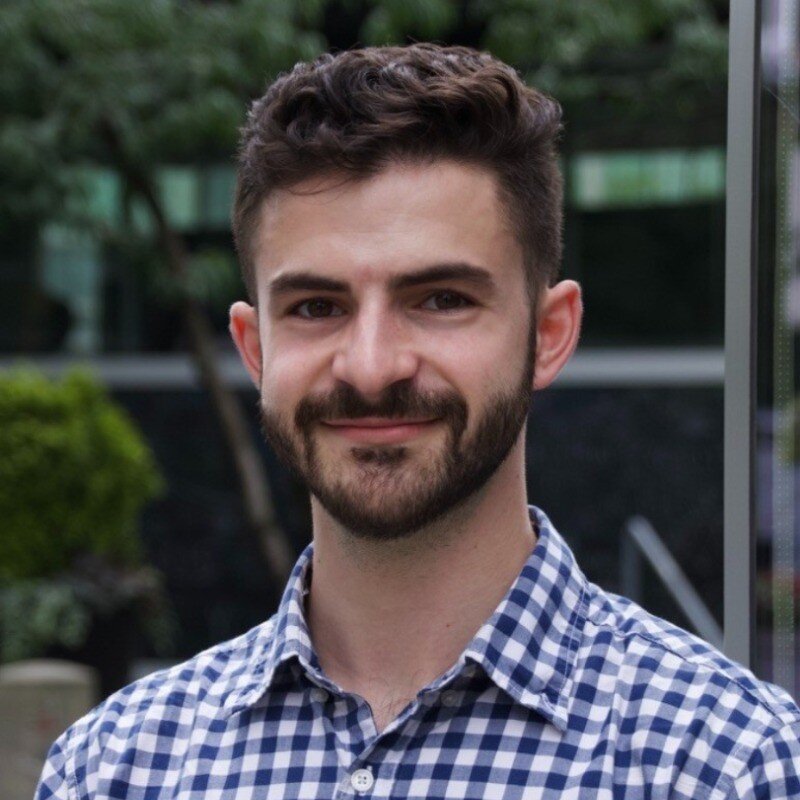
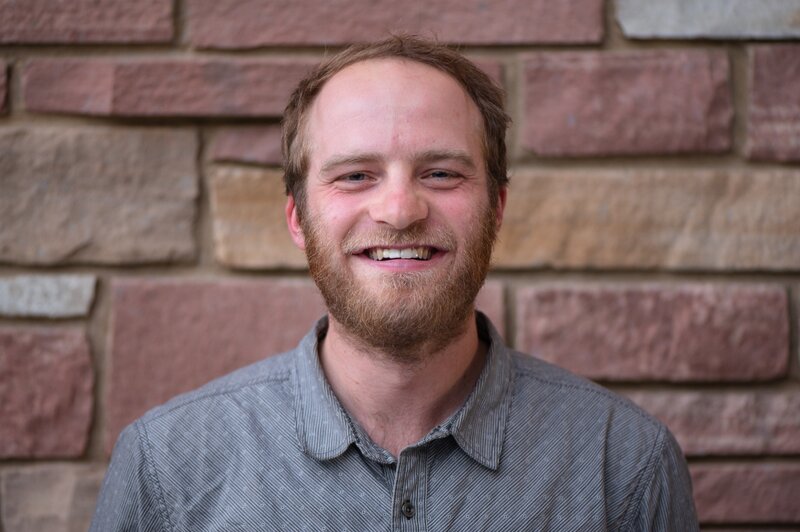
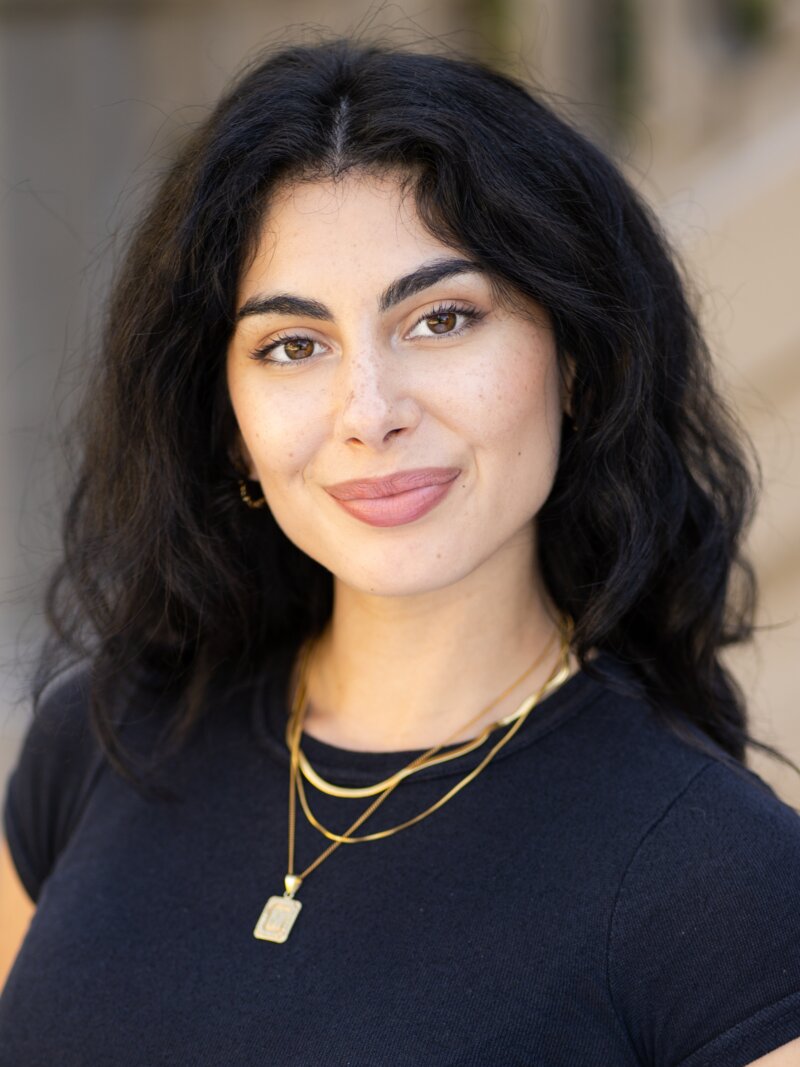
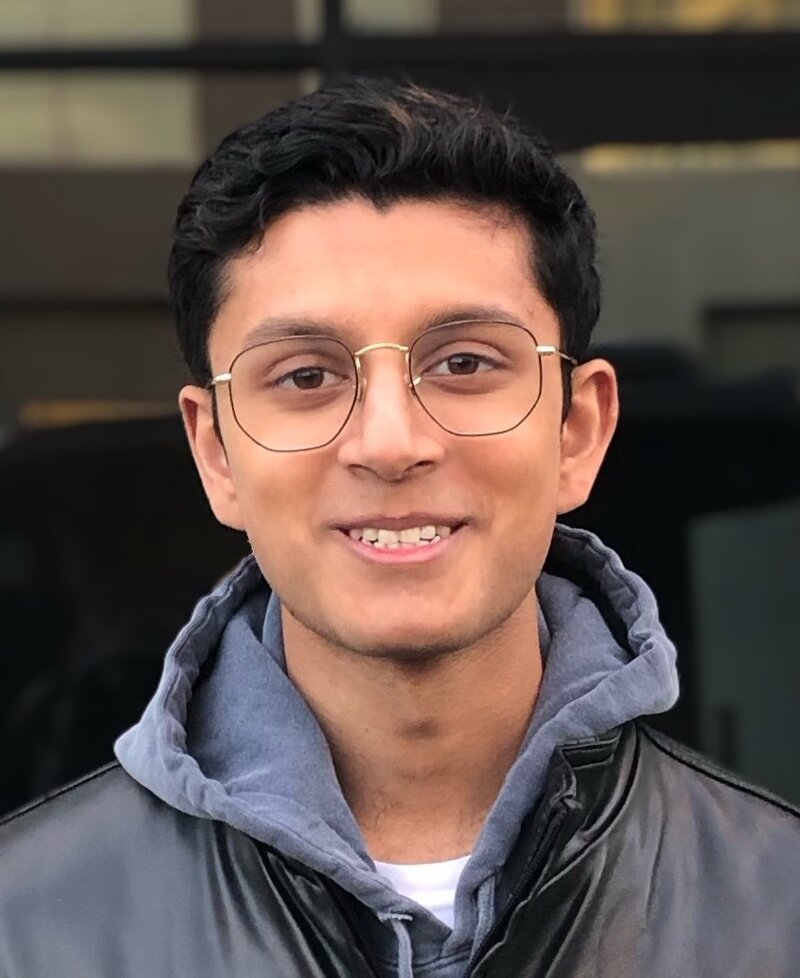
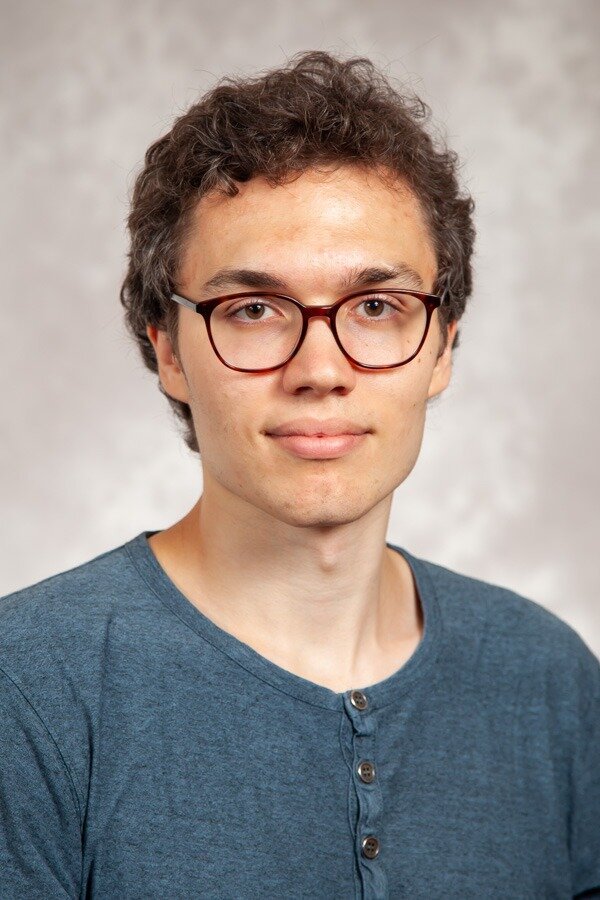

Rosie Campbell is Managing Director at Eleos AI Research, a non-profit that researches AI consciousness and welfare. She previously worked on frontier policy issues at OpenAI such as dangerous capability evaluations. Before that, she was Head of Safety-Critical AI at the Partnership on AI and Assistant Director of UC Berkeley's Center for Human-Compatible AI. She has a background as a research engineer and holds degrees in Physics and Computer Science.

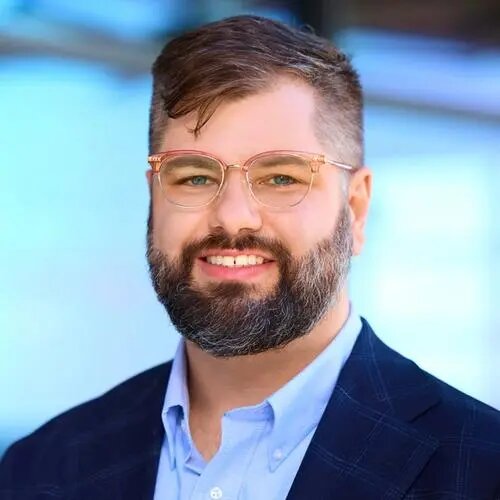
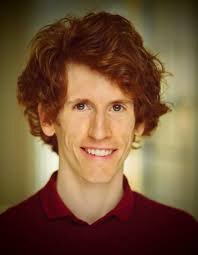
Mike has spent his career in startups and venture capital. Prior to founding Halcyon, he was a partner at GPV, a VC firm managing more than $1 billion in capital. He was an early investor in several unicorn companies.
Since 2022, Mike has been focused on grants, investments and incubating new projects in AI security and global resilience.

I currently lead the science of evaluation team at the AI Security Institute in London. I joined AISI early in its life, and have worked in several roles, including co-leading the team responsible for our pre-deployment testing programme.
I'm generally interested in topics around dangerous capability evals, and understanding agent behaviours and their implications for policy. In particular, I'm interested in:
- Developing predictive statistical models that capture the relationships between LLM performance, task characteristics and LLM characteristics.
- Developing methods to predict when models might cross a capability threshold.
- Developing hinting-based methods for partial progress & estimating gaps in knowledge/skills required to cross thresholds (and track these over time).
Before AISI I was chief scientist at a startup in Cambridge, where I led a team of 25 researchers with a mission to optimize decision making in electricity grids, and improve economic efficiency and reduce emissions.
I have a PhD in physics from the University of Waterloo and Perimeter Institute for Theoretical Physics. My focus was on reconstructing quantum theory from simple first principles, so we can all stop worrying about the reality of the wave-function.
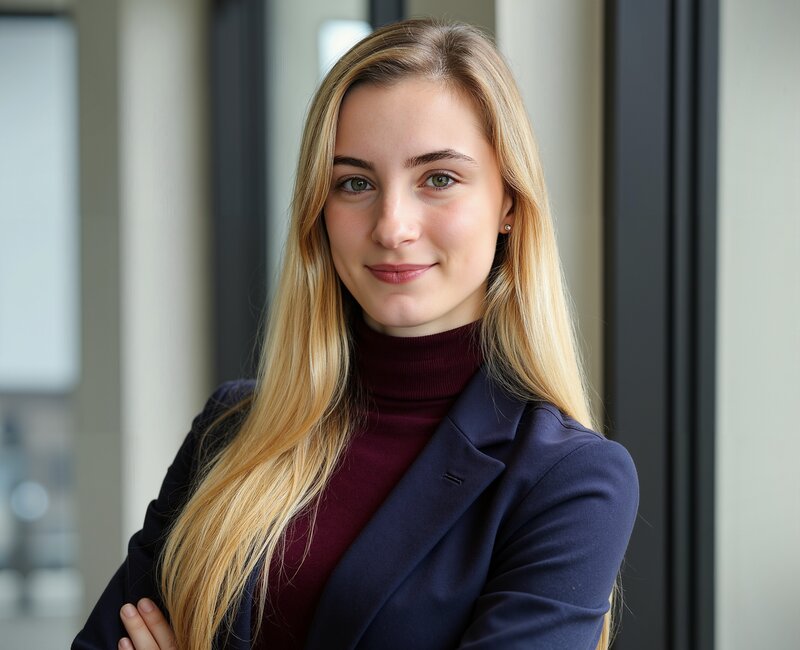
Lisa is the CEO of Security Level 5, an AI Security Tech Lab she founded with the mission to create the technical and strategic optionality for frontier AI labs to reach SL5 (security against priority nation state attacks) for their core internal operations in the coming years. Her team developed the world’s first SL5 Standard, and is currently prototyping mock SL5 datacenters in coordination with frontier AI labs. The SL5 work brought together 100+ security engineering specialists across frontier AI labs, the US intelligence community and broader AI Security ecosystem to chart the technical path towards reaching nation-state secure AI Datacenters and frontier AI workflows by 2028. Lisa’s background includes a BSc in Computer Science from TUM, Graduate Machine Learning Research at Georgia Tech, as well as an AI Security DPhil researcher affiliation at the Oxford HAIGL Lab. Previous to founding SL5, Lisa was a senior director at IST, research lead at MIRI where she founded and led the technical governance team (verification, hardware security, etc), as well as participated in MATS3 as a mentee under Alex Turner in 2023 where she helped pioneer the technique of activation steering. Lisa has been a 2026 FLI Fellow, 2025 Brains Fellow, 2024 Foresight Fellow, Fulbright Scholar and participant in Entrepreneur First and 5050 by 50Years.

I work at the intersection of frontier AI and high-security systems. My focus is turning abstract safety and security requirements into deployable technical artifacts that can withstand real adversaries, from nation-state attacks to loss-of-control scenarios.
Focus areas:
- Frontier AI Security (SL5): Securing model weights, inference systems, and lab infrastructure against nation-state threats and loss-of-control failure modes.
- AI Alignment and Interpretability: Mechanistic interpretability, scalable oversight, and monitoring-based interventions.
- Security Engineering: Air-gapped deployments, attack surface minimization, and high-assurance runtime design.
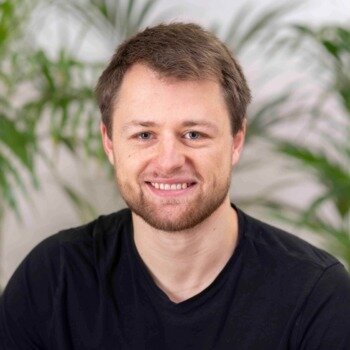
Alexander Meinke is Head of Research at Apollo Research. His team empirically studies how "scheming" can emerge in future AI systems.
He started working on AI safety research in 2023 with Owain Evans in the MATS 4.0 cohort.
Before that, he completed his PhD on adversarial robustness at the University of Tübingen, Germany. He holds a B.Sc. and M.Sc. in Physics.
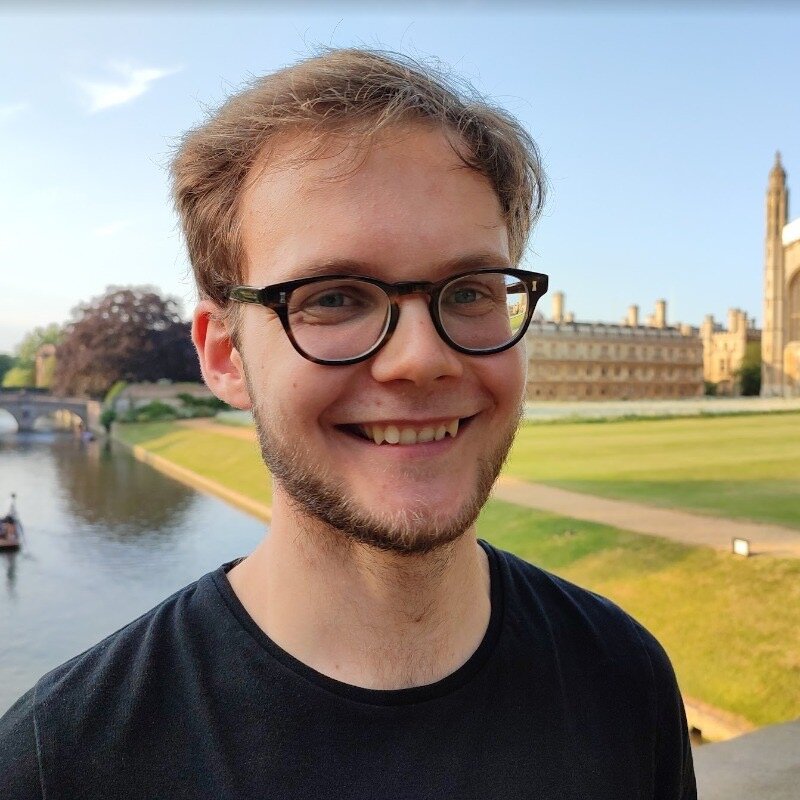
I work at Thinking Machines and previously co-founded Workshop Labs. I've written pieces including the scenario "A History of the Future" and co-authored The Intelligence Curse. Before that, I worked on AI safety research (including at MATS).
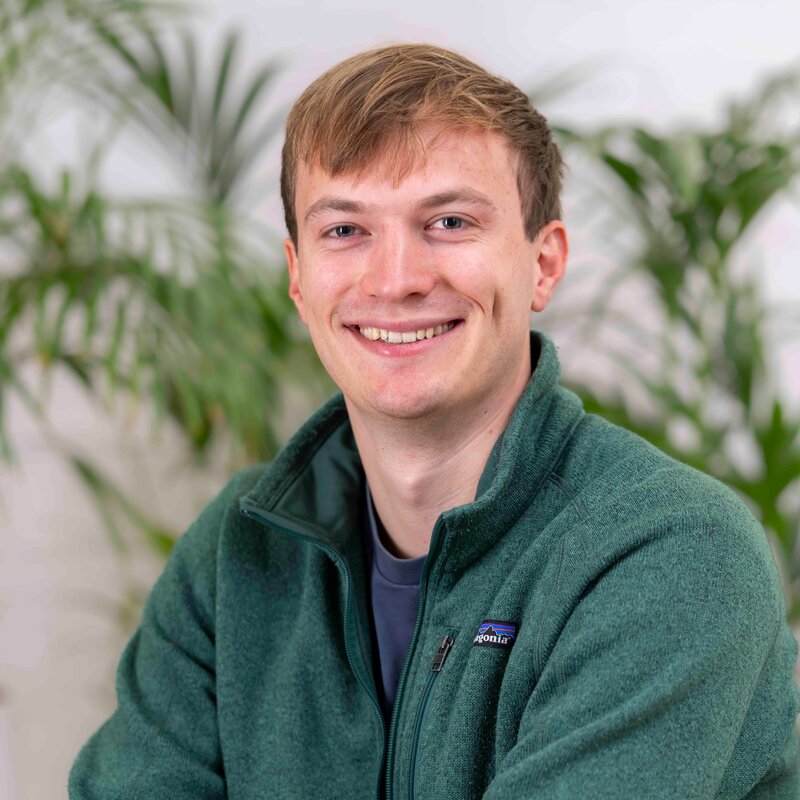
Teun leads the RL dynamics project at Apollo Research. The RL dynamics project fits under the umbrella of our science of scheming approach. The current main focus is to understand reward-seeking dynamics during reinforcement learning, for which we combine theory and empirics.
Before that, he worked on control, sandbagging, building an AI superforecaster, and more. He took part in MATS 5.0!
Teun is also a board member for ENAIS and SAIN.

Luke is a member of technical staff at Thinking Machines. He is also the co-author of The Intelligence Curse, an essay series that examines the potential for mass automation to drive economic gradual disempowerment.
He previously co-founded Workshop Labs -- an AI research company building user-aligned models to combat disempowerment, which recently joined Thinking Machines. Prior to Workshop Labs, he was the AI governance and AI economics lead at BlueDot Impact. Before AI safety, he managed winning local election campaigns in North Carolina. He studied History & Politics at Oxford.
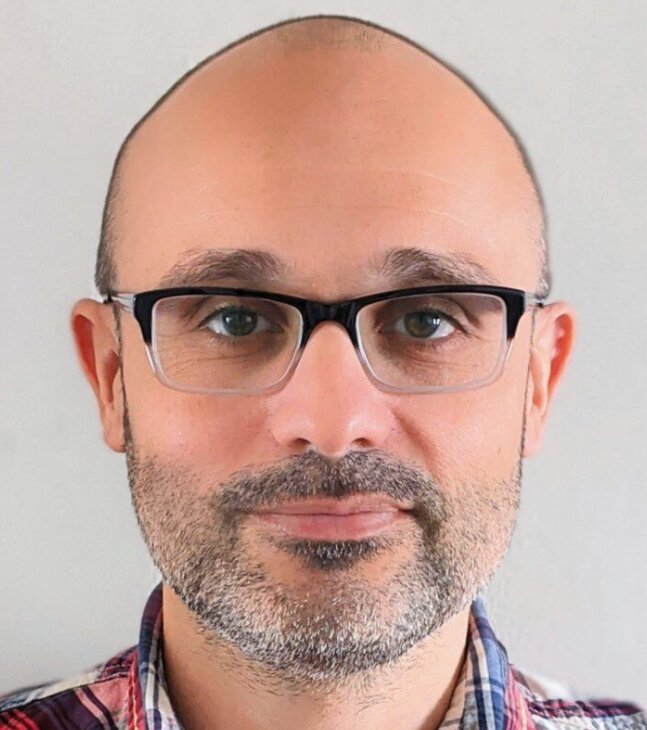
Mirko is a research scientist at LawZero, where he works on the theory and engineering behind the Scientist AI and on interpretability and introspection research.