Active Site
In my stream, I focus on empirically measuring how frontier AI changes human capabilities in biology and the implications of it for biological risk. I’m particularly interested in real-world evaluations, understanding what drives AI-enabled uplift, and developing simulations or other proxies that can be validated against physical experiments and used to rapidly assess new models.
研究小组概览
I’m interested in mentoring fellows who can work independently and take ownership of an empirical AI-bio project, either one we have already identified or one they develop themselves that fits with Active Site’s research area. By the start of the program, I expect us to have a rich dataset from a new 2026 novice uplift study, including chat logs, weekly lab notebook entries, surveys, and task-level measures. This should create several opportunities for a fellow to make progress quickly. Example projects include:
Understanding what drives AI-enabled uplift.
Analyze participant interactions and experimental data to understand where people succeed or fail, how factors such as elicitation skill affect outcomes, and which behaviors or interactions are most predictive of progress.
Modeling counterfactual participant performance.
Combine data from our 2026 study with previous studies to model how participants might have performed if they had access to a different LLM or worked on a different task. A fellow could test how well these models predict held-out real-world outcomes and whether they can help anticipate the effects of new models or prioritize future human subject studies.
Building a wet-lab simulation calibrated to real-world data.
Use data from real participant trajectories to develop an interactive, in silico version of a wet-lab study. A user (or agent) might choose an approach or experimental step and receive outcomes informed by what happened to comparable participants in the real world. The goal would be to build and validate a simulation that can be run quickly on new AI models as they are released in order to help track capabilities, forecast when meaningful increases in real-world uplift may occur, and identify which hypotheses to test in a physical laboratory.
I would also be excited to work with a fellow who identifies a different, high-value project with strong overlap with our goals and can make a compelling case for pursuing it. Other areas we are considering include evaluations of biological design tools, expert uplift, and AI-directed lab automation.
Light-touch (.5 hours of weekly 1:1s)
Indifferent
Indifferent
导师
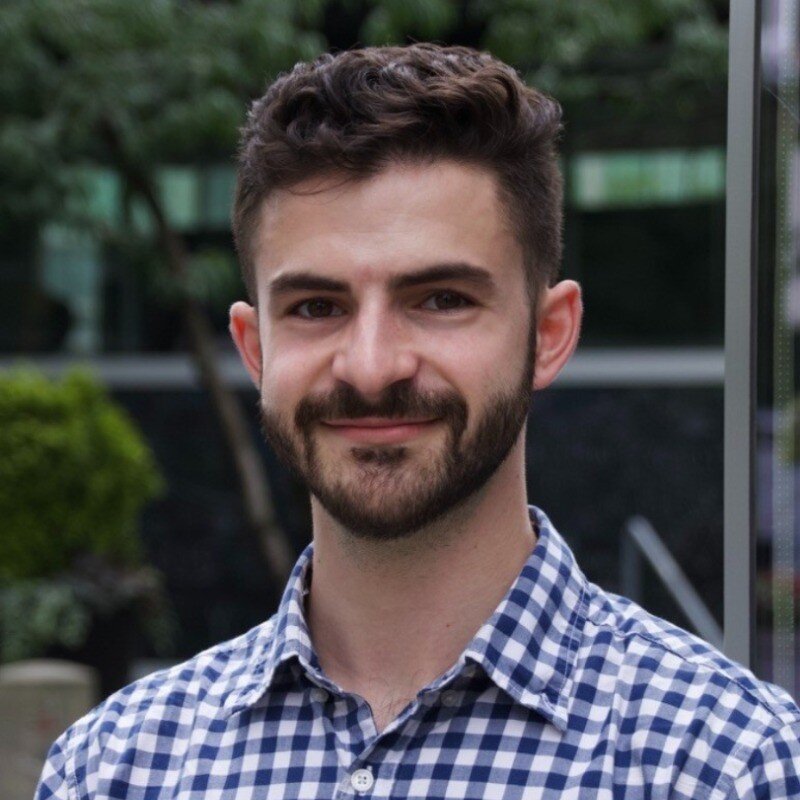
Alex Kleinman 是 Active Site 的联合创始人。此前,他曾在 Alvea 参与广谱疫苗研究。
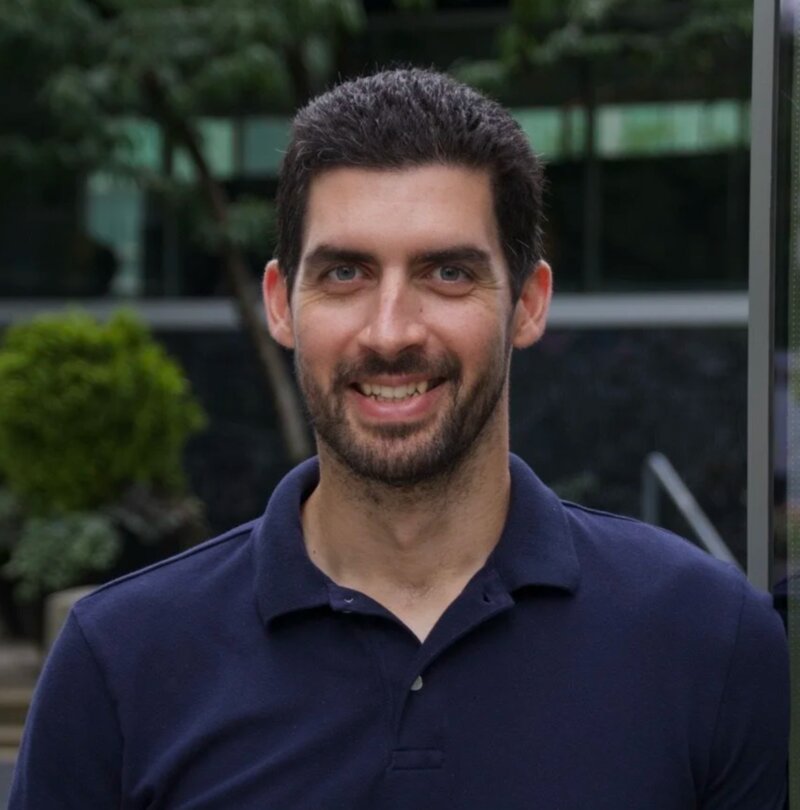
Joe Torres 是 Active Site 的执行主任。Active Site 是一家非营利研究机构,通过现实环境中的实验研究前沿技术带来的生物风险。他目前关注 AI 与生物安全风险,包括通过随机对照试验测量 AI 对生物实验室工作表现的影响,以及研究生物风险中的脆弱点。在转向 AI 与生物安全风险之前,他在 Active Site 的工作包括广谱抗病毒药物和镜像生物学对策。Joe 获得了 UMass Amherst 分子与细胞生物学博士学位。
我们希望招收的学员
- 独立开展研究。 曾独立负责研究项目,无需频繁接受下一步工作指示也能持续推进。
- 聚焦研究问题。 能够将宏大问题聚焦为适合在项目期间完成、并能产出有用结果的研究项目。
- 技术能力。 具备完成项目核心工作的必要技术能力。
- 操作安全与信息风险意识。 能够识别并妥善处理敏感信息,以及可能带来信息或关注风险的研究。
- 行动迅速,善于迭代
- 具备生物学知识和/或相关经验
- 具备科学写作能力