MATS mentors are advancing the frontiers of AI alignment, transparency, and security
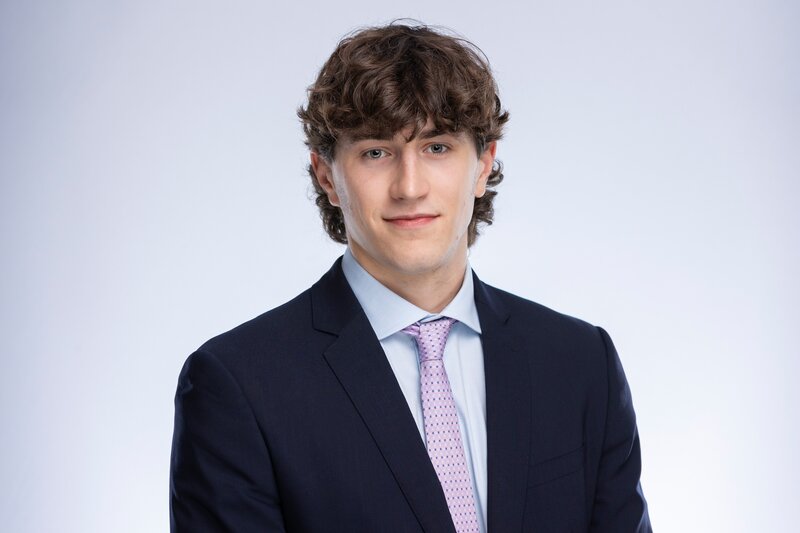


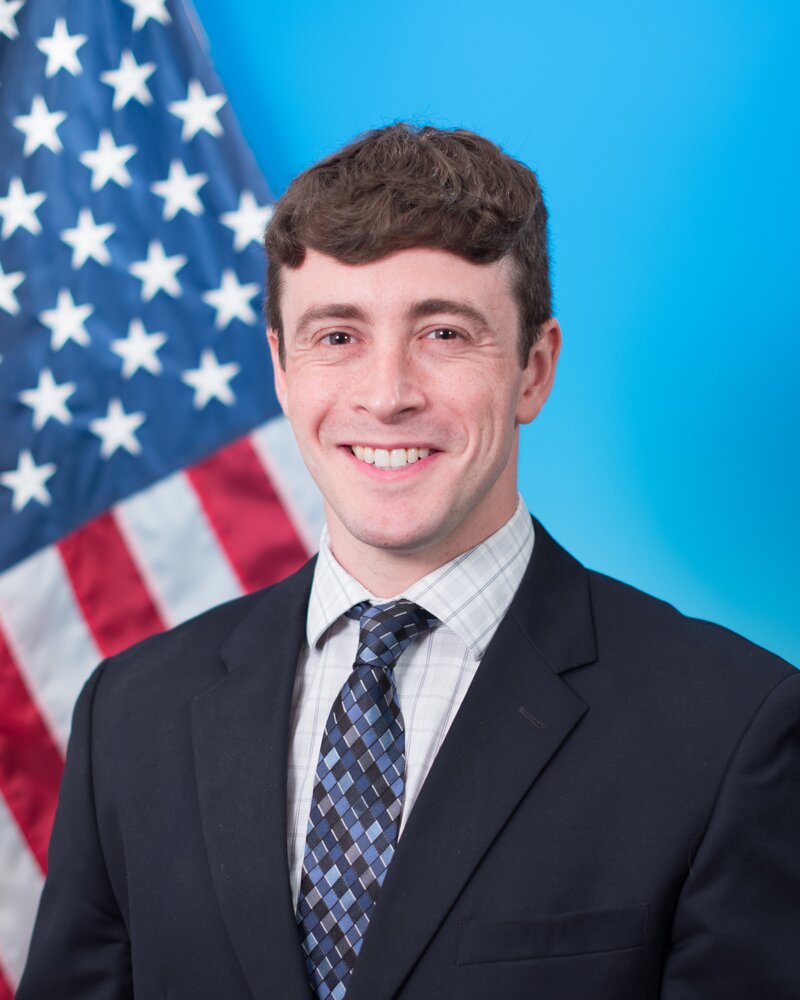





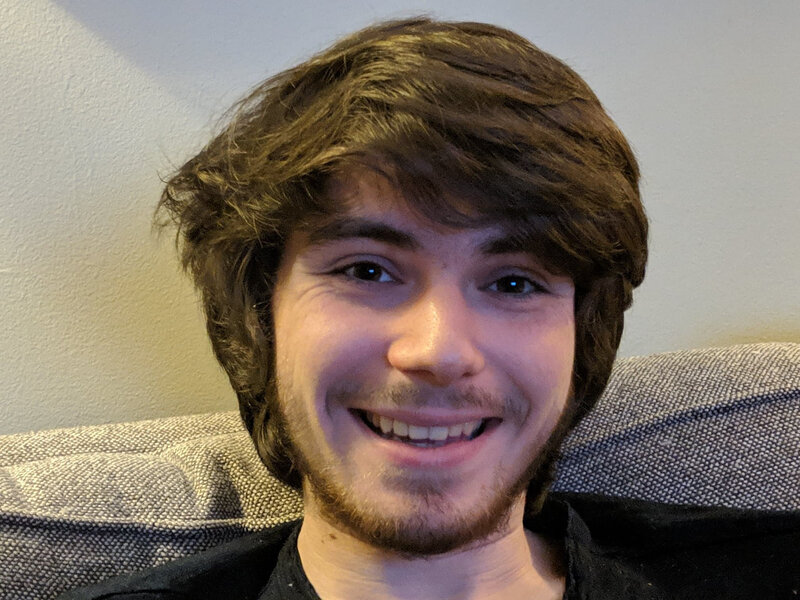
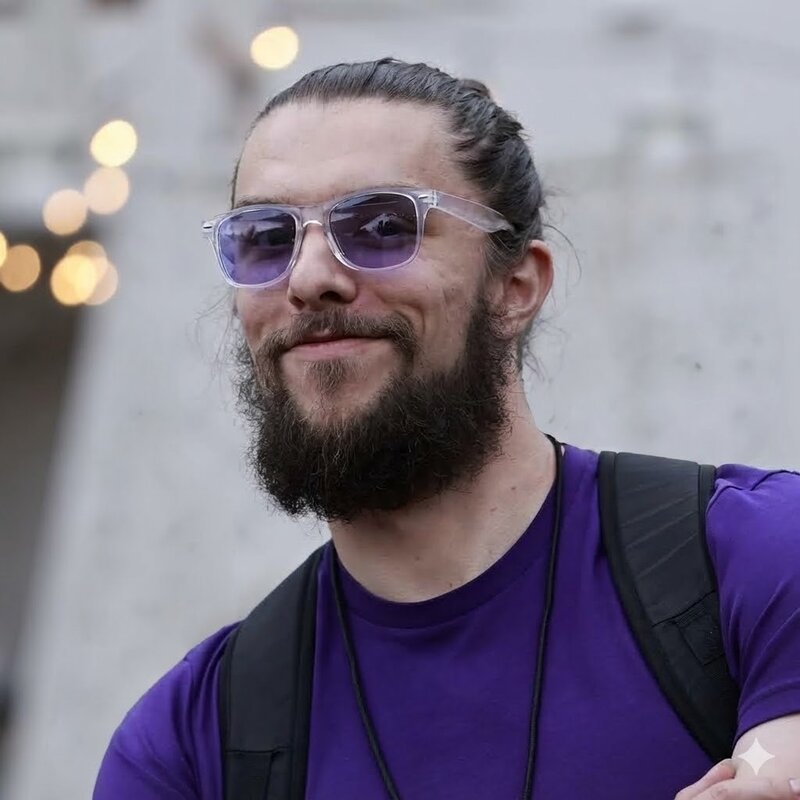
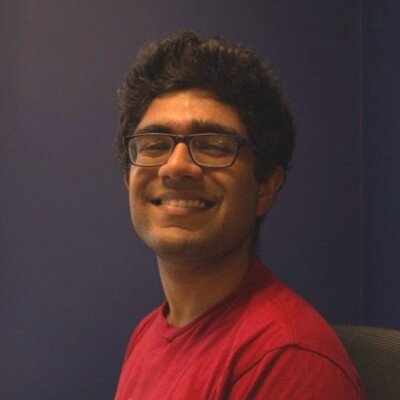
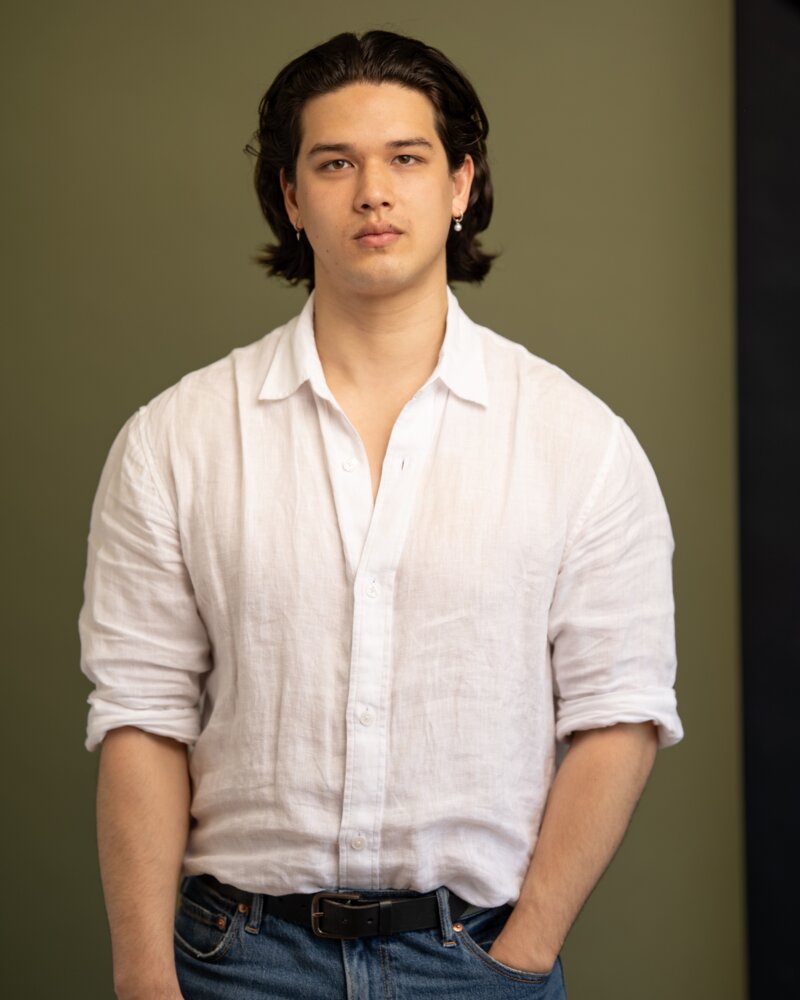

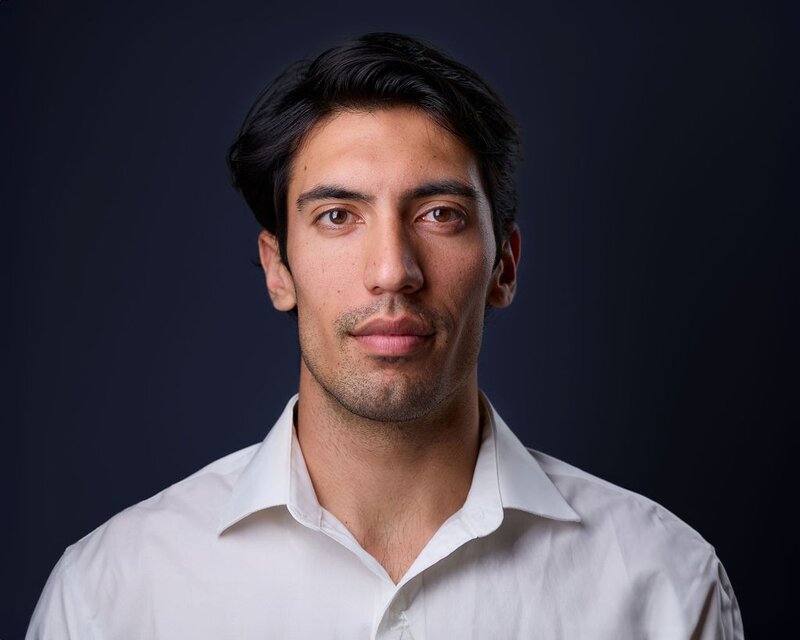
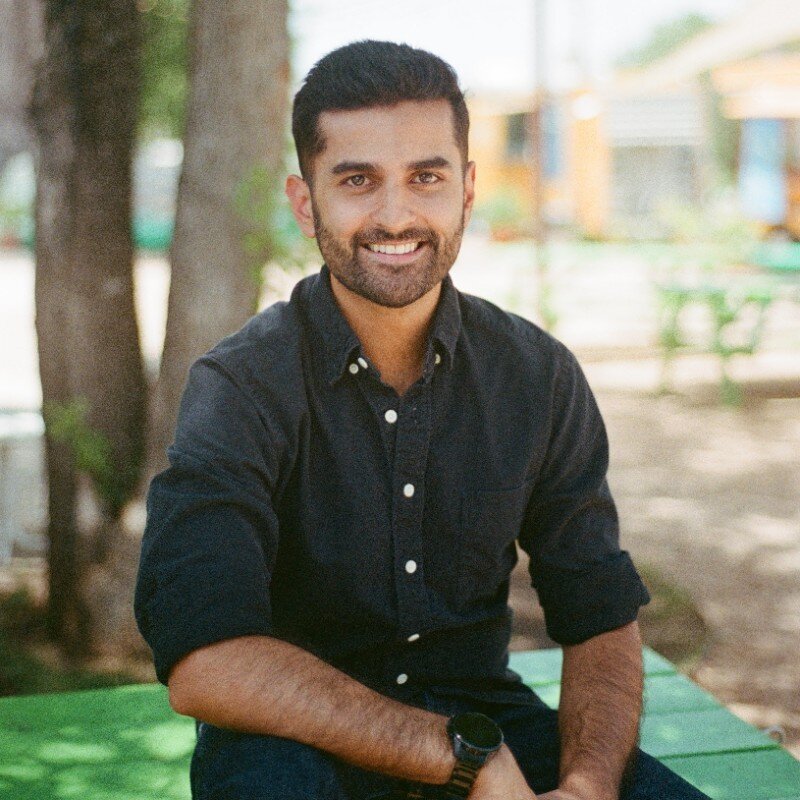
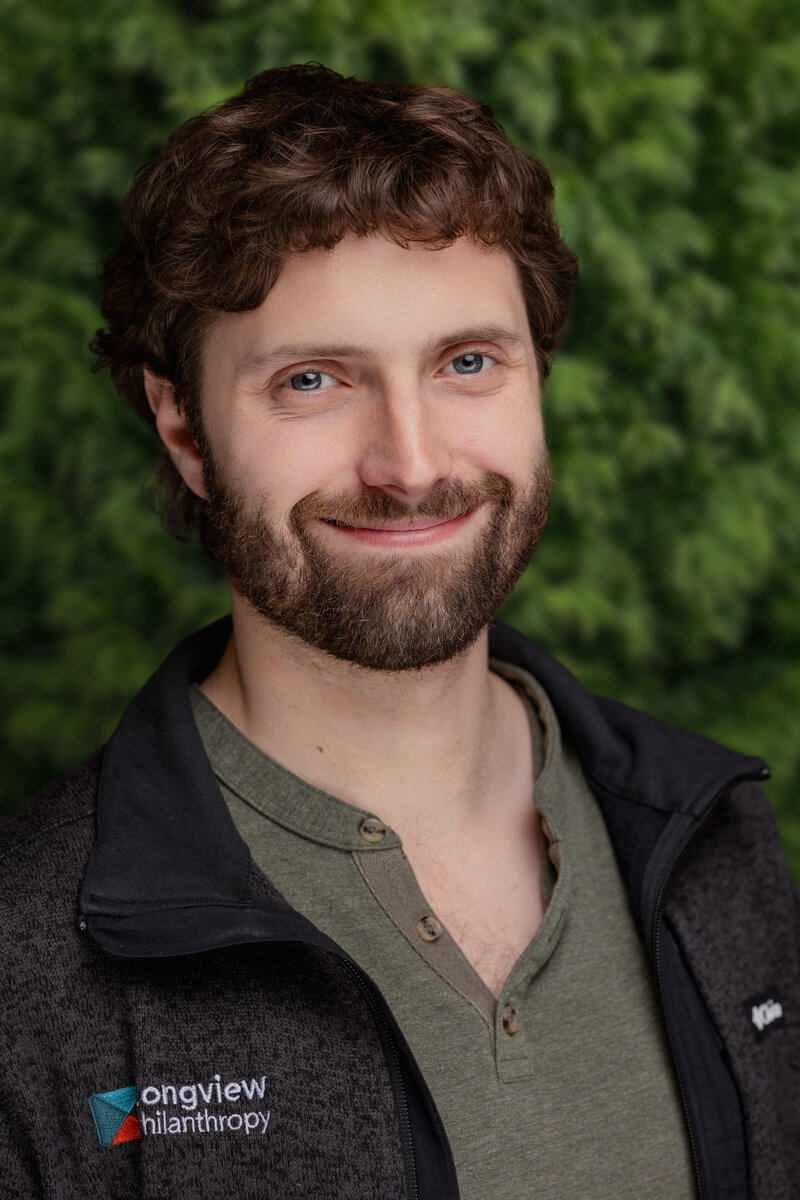
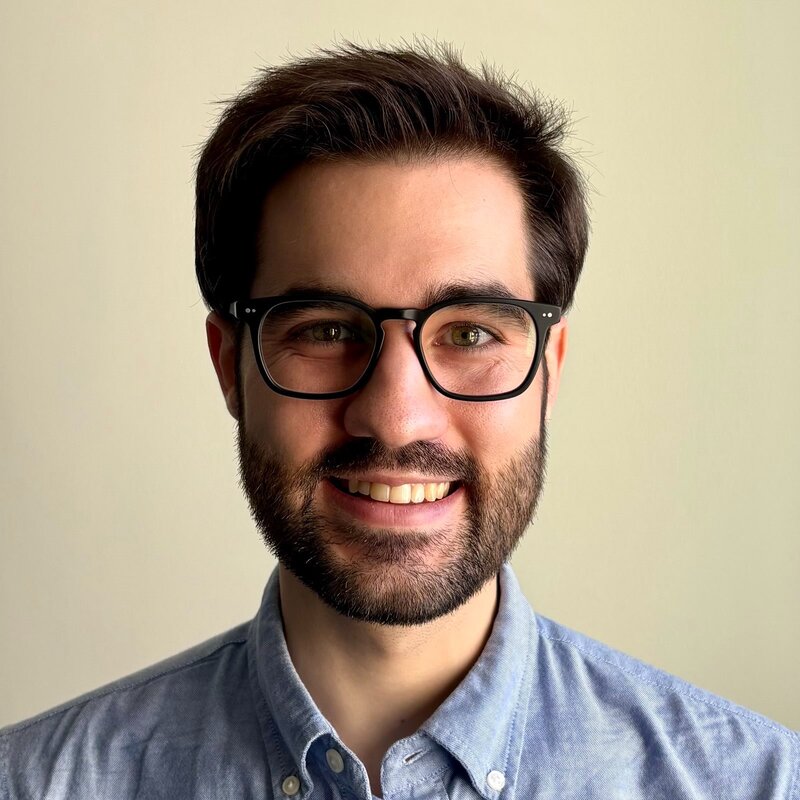
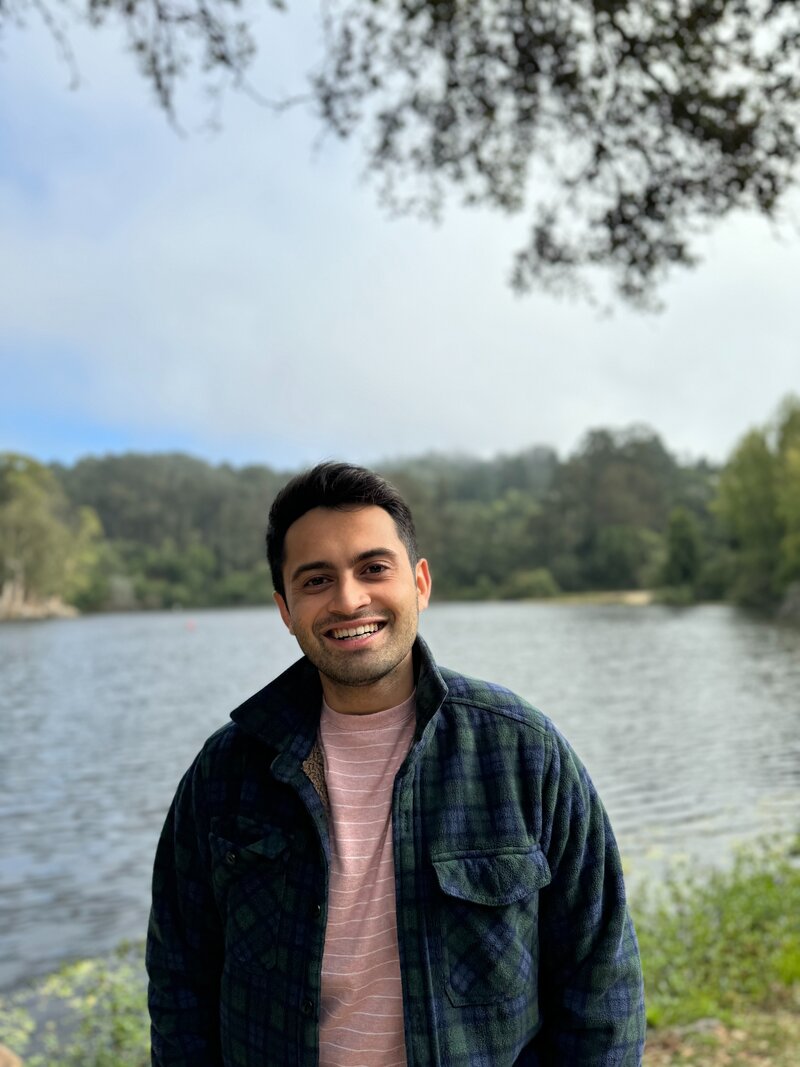

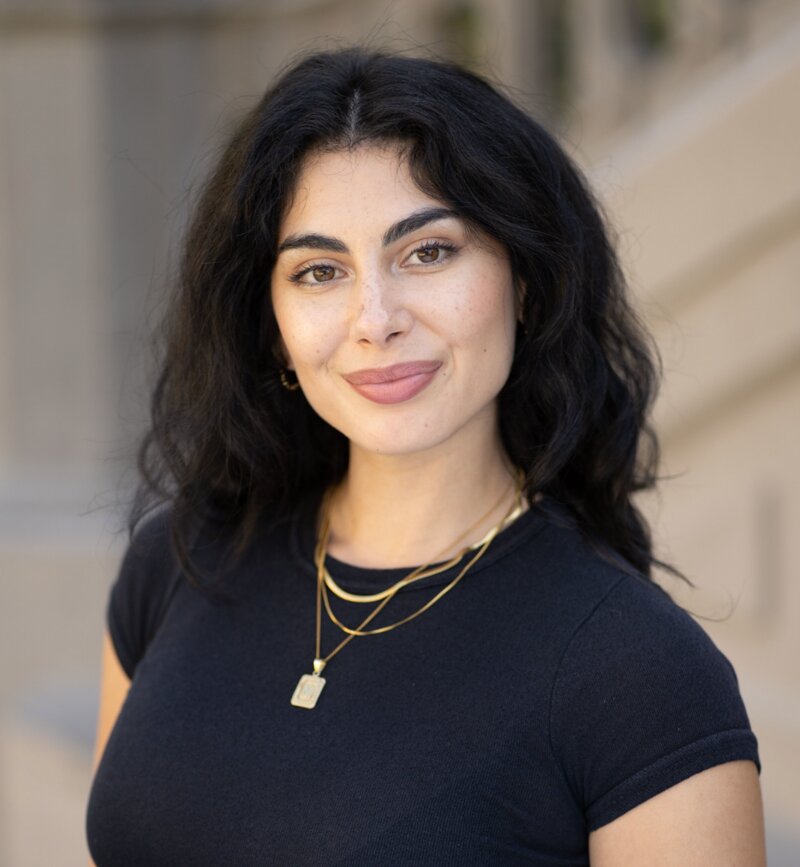
Fynn Heide is Executive Director of the Safe AI Forum. Previously, Heide researched AI policy in China as a research scholar at the Centre for the Governance of AI.
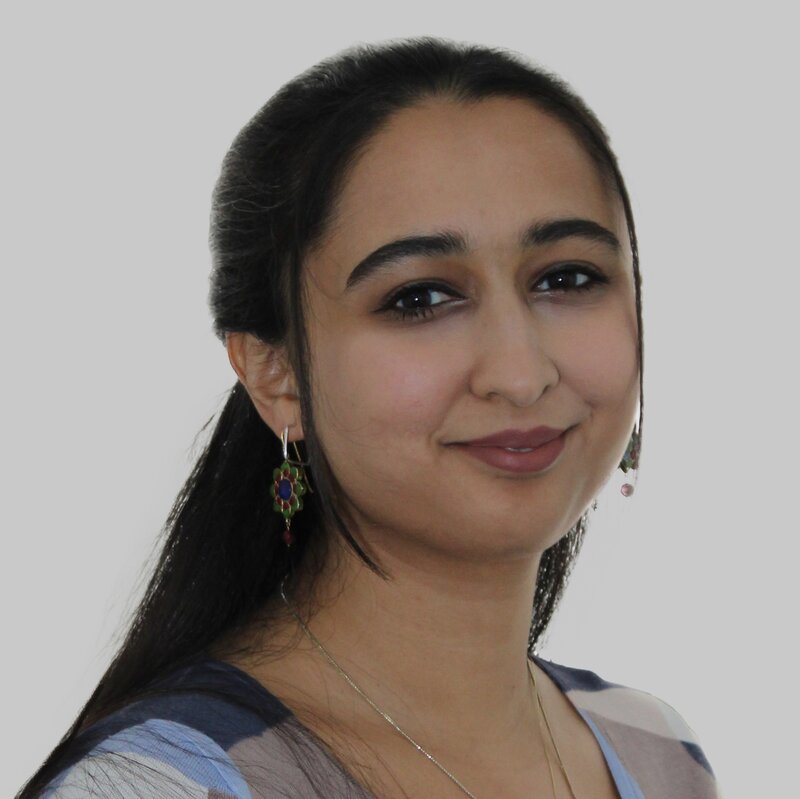
Eric Neyman is a researcher at the Alignment Research Center (ARC), which is working on a systematic and theoretically grounded approach to mechanistic interpretability. Before joining ARC, he was a PhD student at Columbia University, where he researched algorithmic Bayesian epistemology.
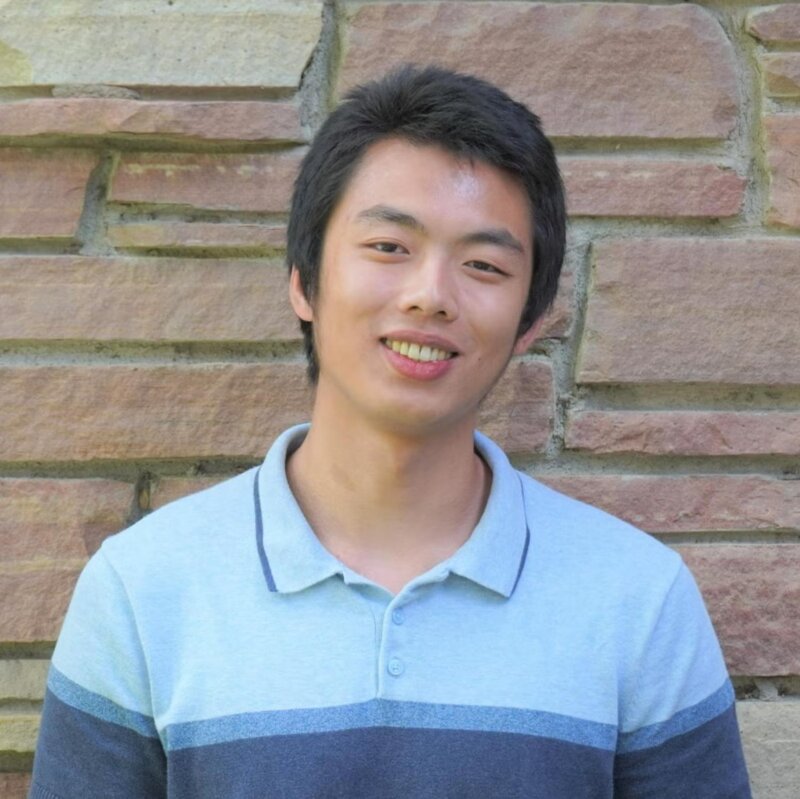
He He is an associate professor at New York University. She is interested in how large language models work and potential risks of this technology.

Alan is Head of Autonomous Systems & Control at the UK AI Security Institute, where he works on empirical AI control and monitoring. He co-authored RepliBench, an evaluation suite measuring autonomous-replication capabilities in language-model agents.

Alexis is the co-founder and CEO of Asymmetric Security. He was previously an AI security fellow at RAND and part of the founding team of GovAI.
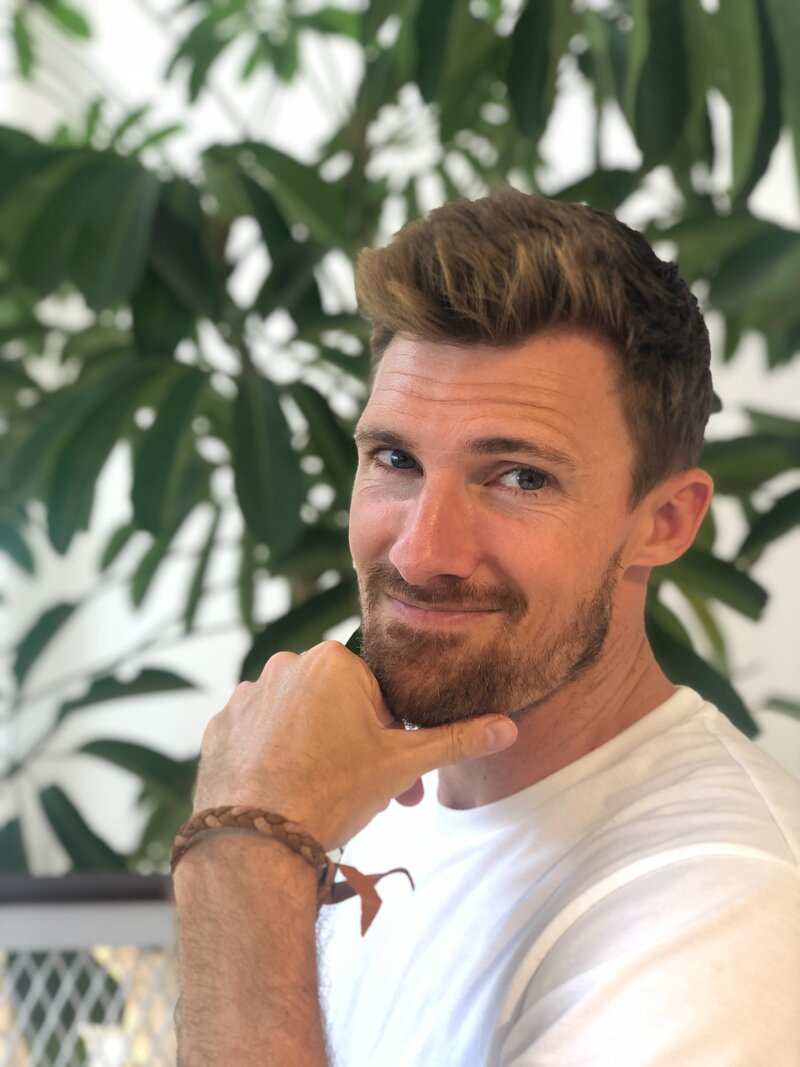
Paul Riechers is a researcher and scientific leader with deep expertise in the physics of information and the fundamental limits of learning and prediction. He co-founded Simplex, an AI safety research organization, with Dr. Adam Shai, applying insights from theoretical physics and neuroscience to build foundational understanding of internal representations and emergent behavior in neural networks. Paul earned a PhD in theoretical physics and an MS in electrical and computer engineering from UC Davis. Prior to founding Simplex, he spent five years as a Research Fellow at Nanyang Technological University in Singapore. He is also co-founder of the Beyond Institute for Theoretical Science (BITS), a former Senior Fellow at UCLA’s Mathematics of Intelligences program at IPAM, and has served as both a MATS scholar and mentor. Paul has co-organized multiple workshops on AI interpretability and alignment, and now co-leads the growing Simplex team with support from the Astera Institute.
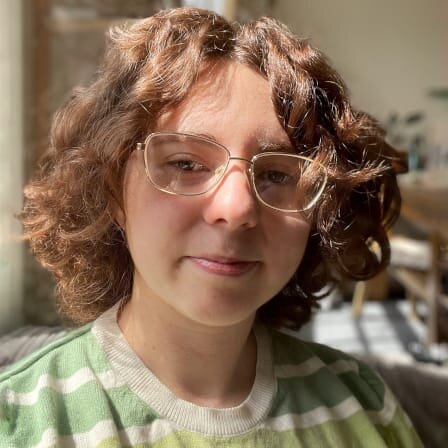
I am a researcher at METR.
I think the development of AI is going to be a confusing time for the world. I want to help provide good evidence and methodologies for tracking AI development and risk, so humanity can make sensible decisions.
I've had different roles at different times, including leading task development and our monitoring stream. I like prototyping new kinds of evaluations. I think it's healthy to read transcripts. I'm interested in what capabilities matter for being a competent agent, and why current AI agents fall short. I feel lucky that I get to spend time building an understanding of the models.
I've previously spent time at the Centre on Long-Term Risk and FHI. Before that I studied physics at university, where I did malaria diagnostics research.

Peter is an assistant professor at Princeton University, where he works on reinforcement learning, alignment, and law. He received a J.D. and Ph.D. in computer science from Stanford University.
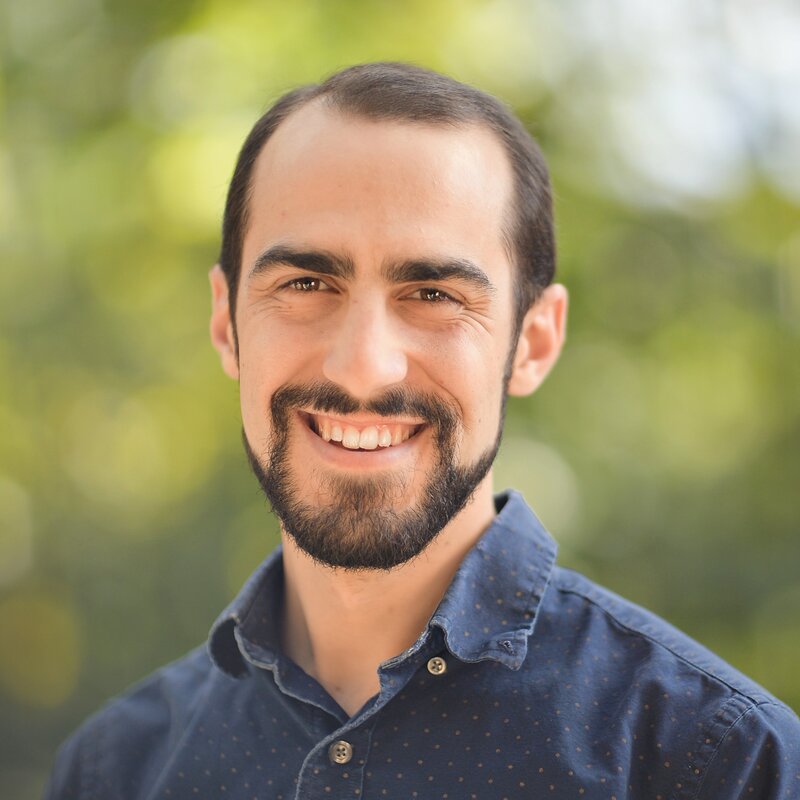
Cristian is a Research Fellow at Artificial Intelligence Underwriting Company (AIUC). Insurers have been known to play the role of private regulators (such as in commercial nuclear power); his work broadly focuses on how we might steer the insurance market for AI toward an effective private governance regime.
He was previously a Winter Fellow at the Centre for the Governance of AI, and an independent researcher at the AI Safety Student Team at Harvard. He has an M.A. in Philosophy from the University of British Columbia.
Milad is a research scientist at Anthropic studying how language models affect computer security. Before joining Anthropic, Milad researched AI security and privacy at OpenAI and Google DeepMind.