MATS mentors are advancing the frontiers of AI alignment, transparency, and security
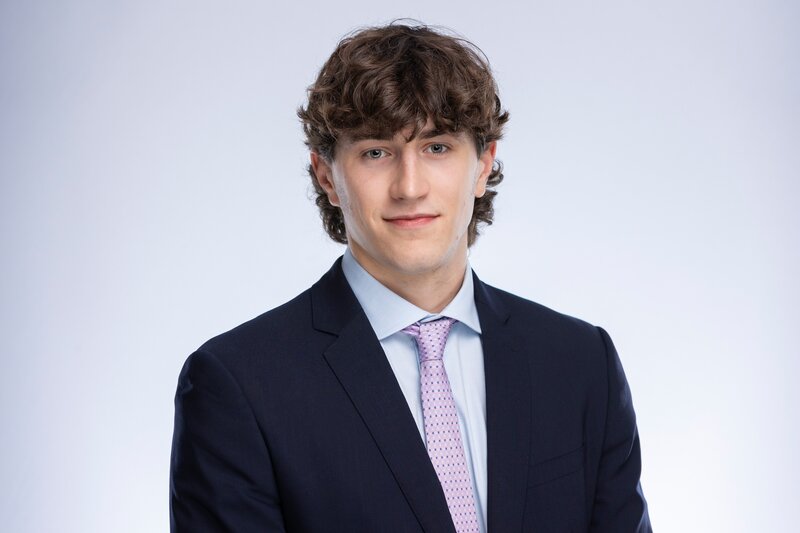
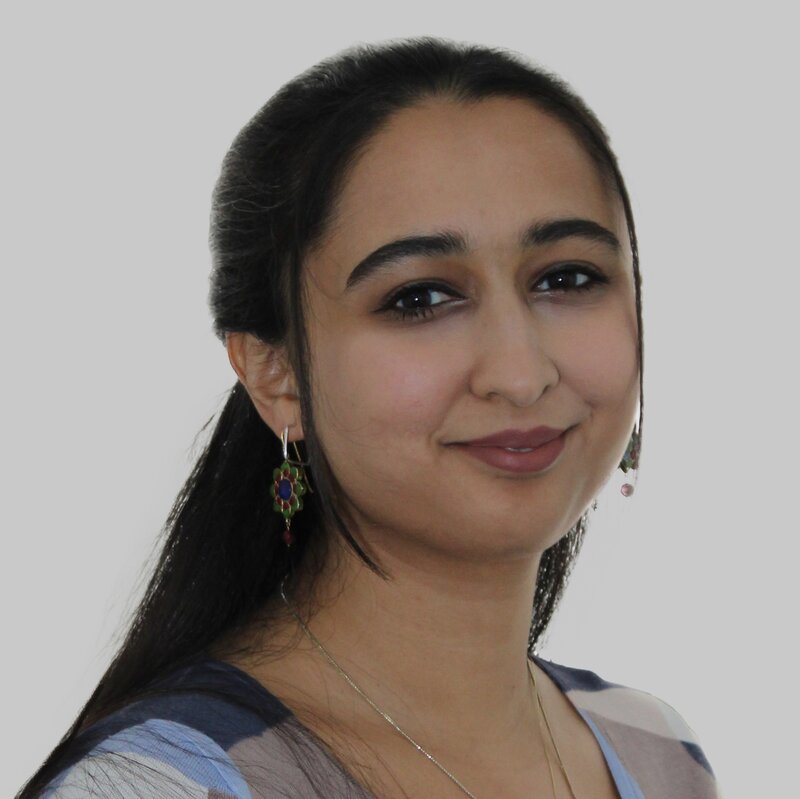
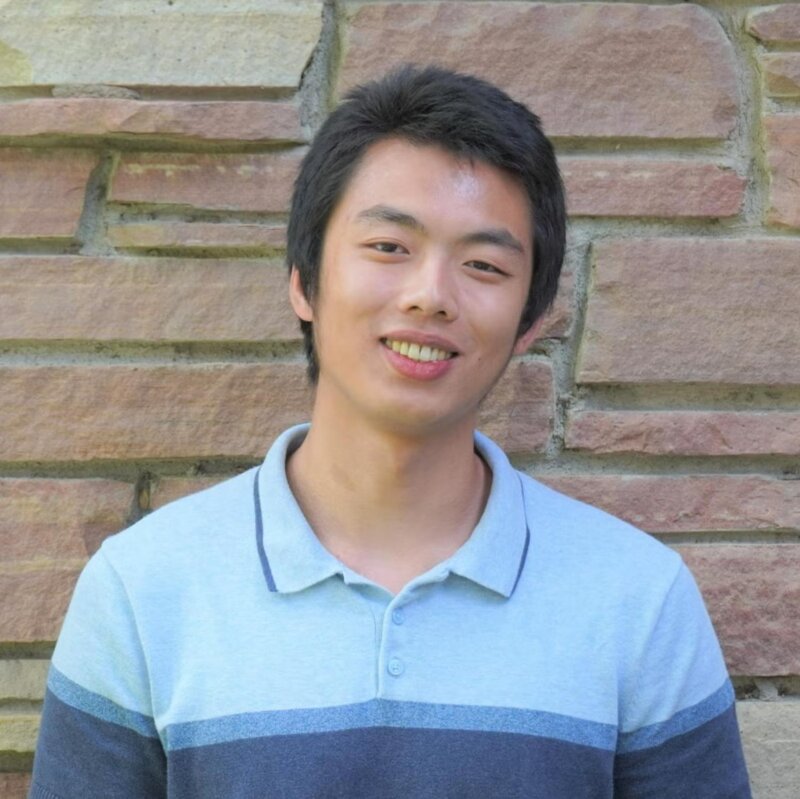


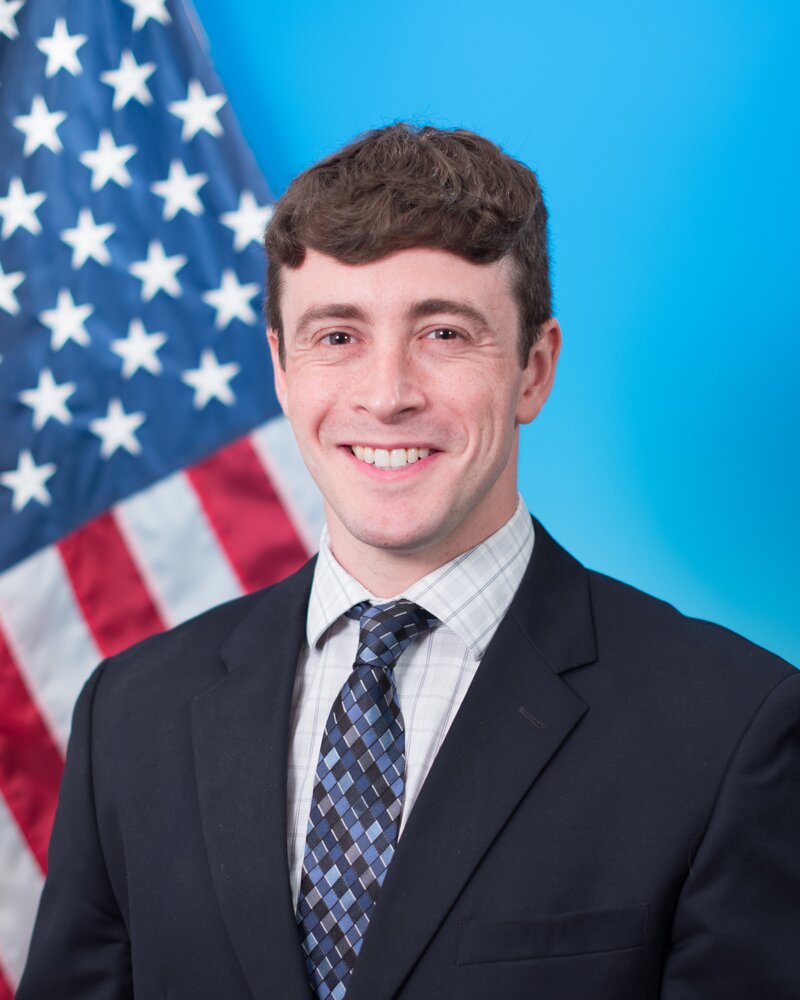
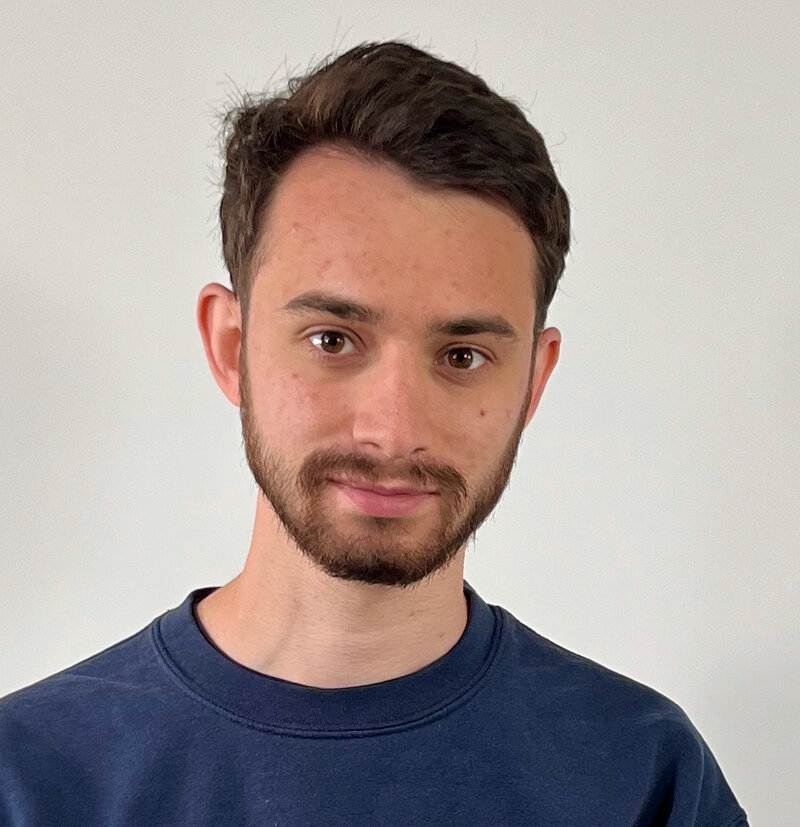
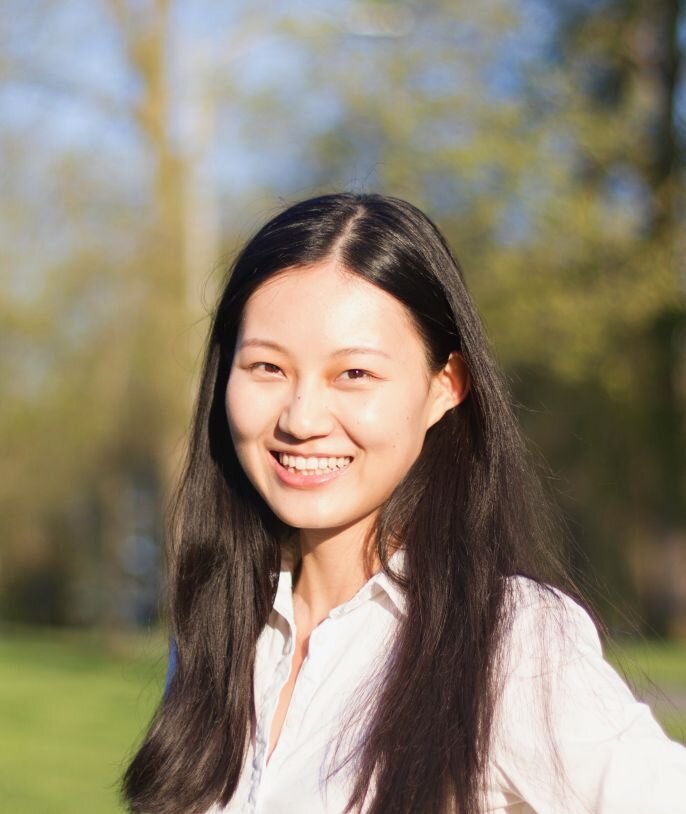





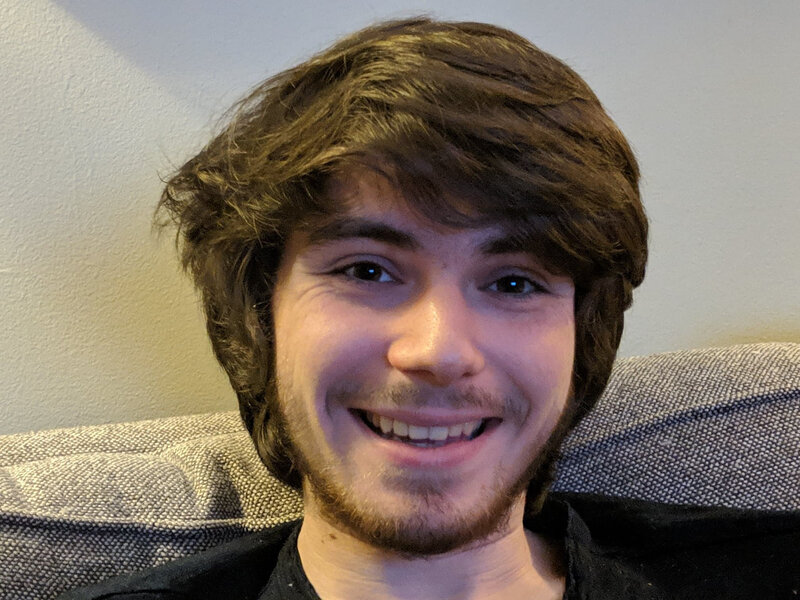
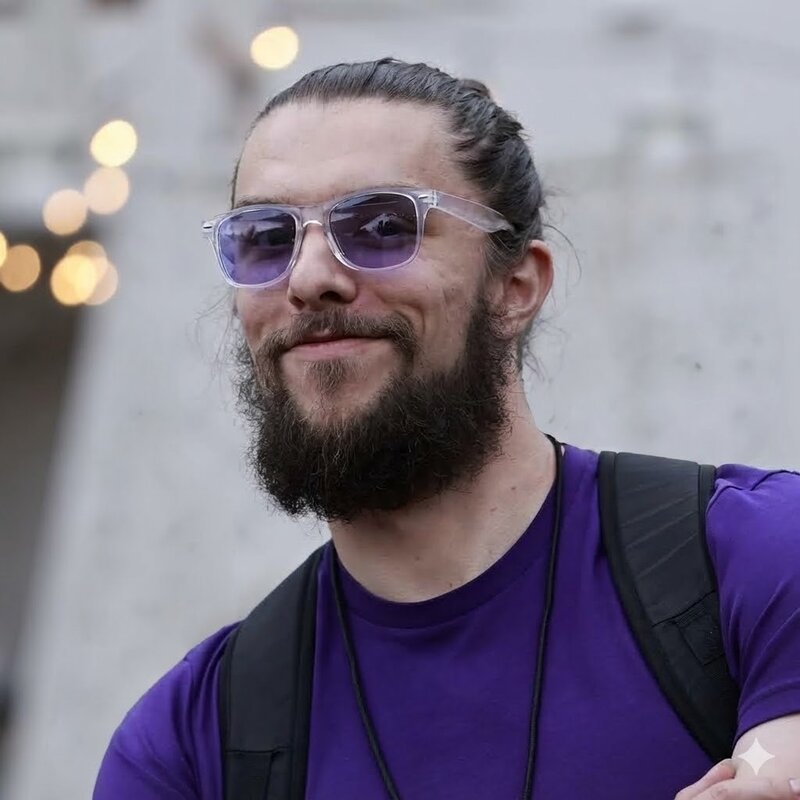
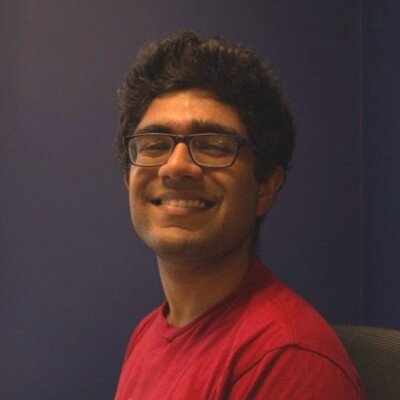
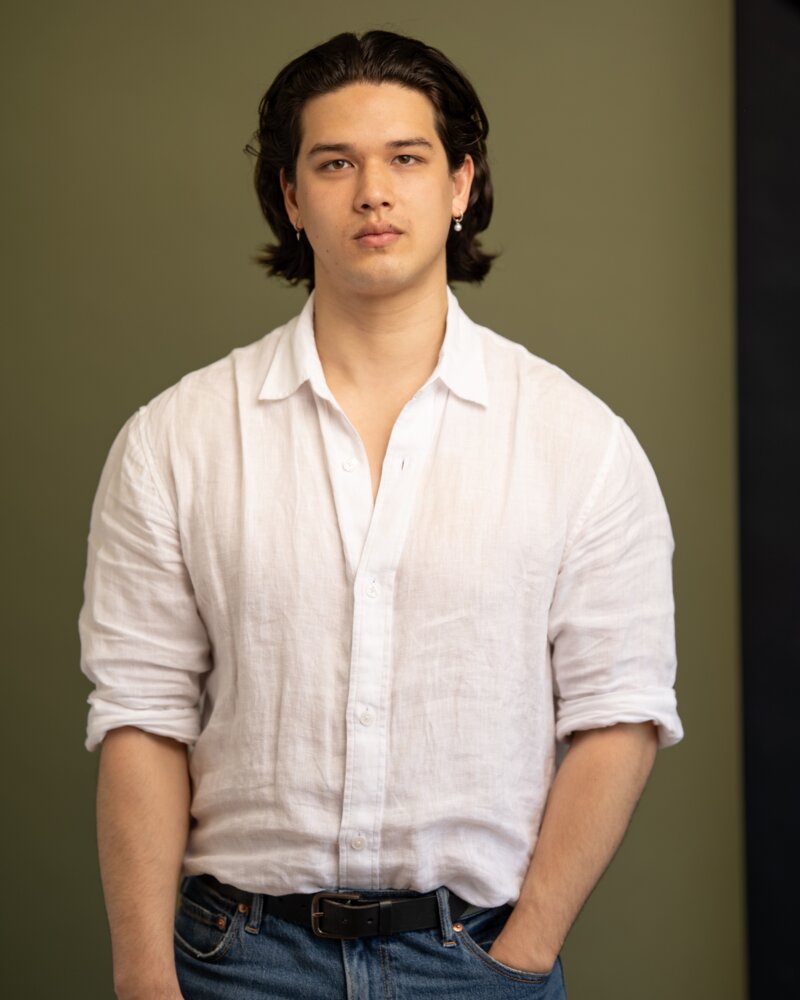


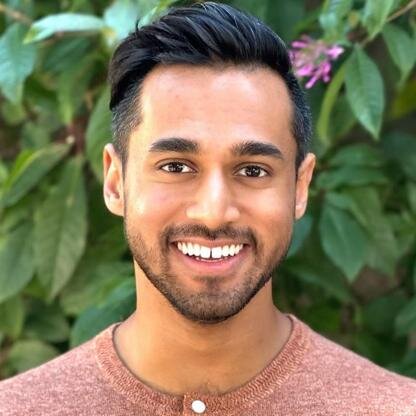
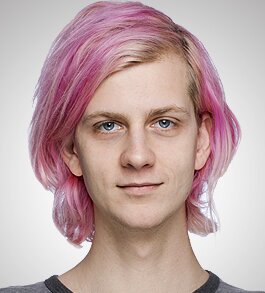
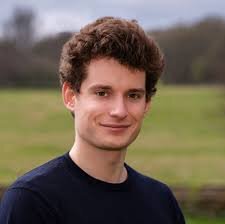
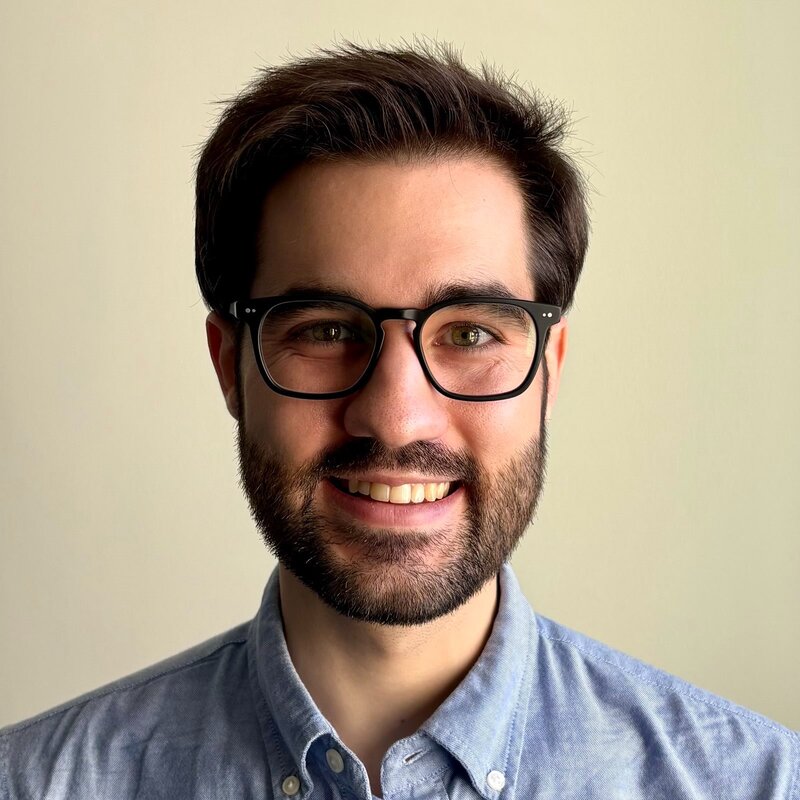
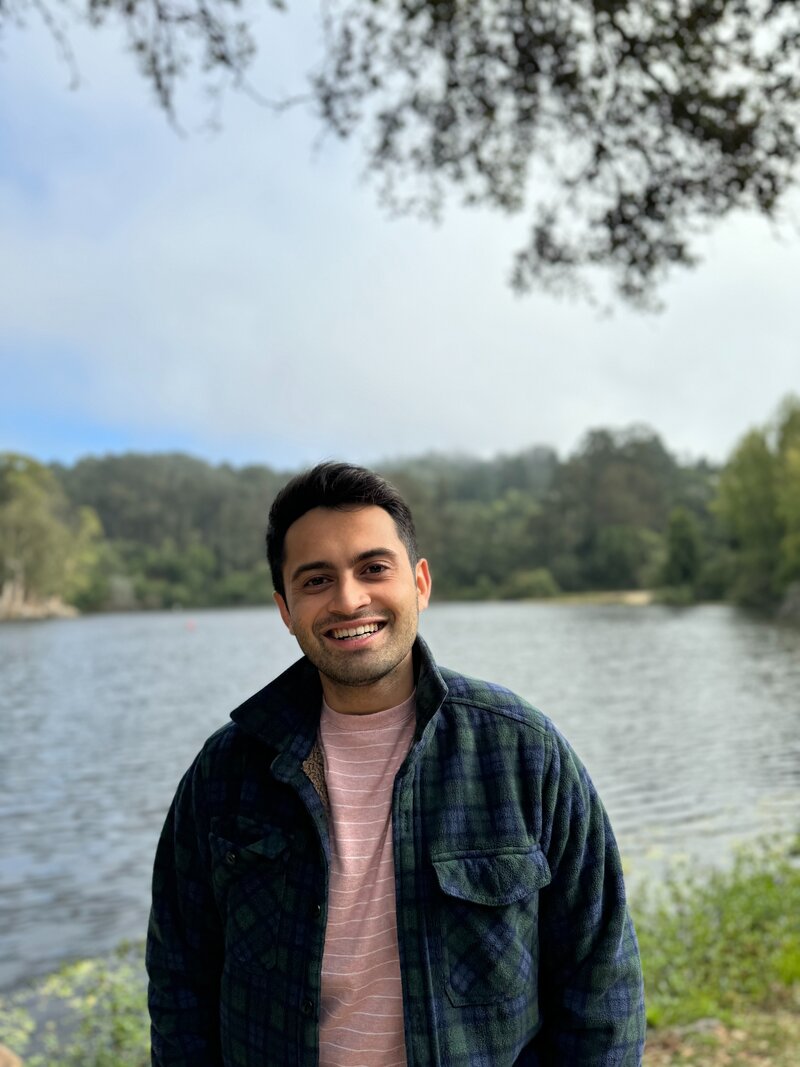

Charlie Whittaker 是加州大学伯克利分校公共卫生学院的助理教授,并负责该校大流行与流行病威胁分析实验室(PETAL)。他的研究聚焦于具有大流行潜力的病原体的传播动态、可检测性与控制,并运用计算建模研究传染病的传播方式,以加强公共卫生突发事件和可能造成全球灾难的生物风险的准备与应对工作。目前的项目包括:建模分析广谱医疗对策在未来大流行期间可能产生的影响,研究如何优化新一代监测系统的结构与设计,以及评估室内空气消毒技术等。

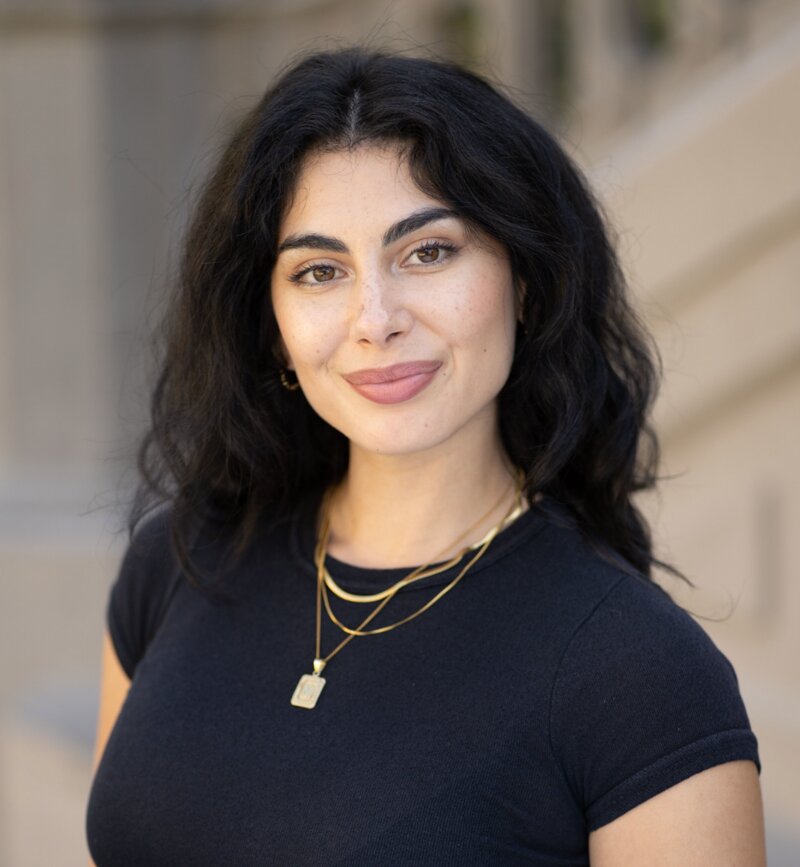
Tessa Alexanian is the Technical Lead for the Common Mechanism, an open-source baseline for nucleic acid synthesis screening developed by the International Biosecurity and Biosafety Initiative for Science (IBBIS). Her previous work has focused on modular lab automation, assessing dual-use risks in synthetic biology projects, bioweapons convention compliance, and creating cultures of responsibility. Tessa wrangled robots to do bioengineering for four years at Zymergen, served for two years as the iGEM Competition’s Safety and Security officer, and has collaborated with organizations including Coefficient Giving and RAND. She was a 2023 CSR Ending Bioweapons Fellow, a 2022 ELBI fellow and 2020 Foresight Fellow.
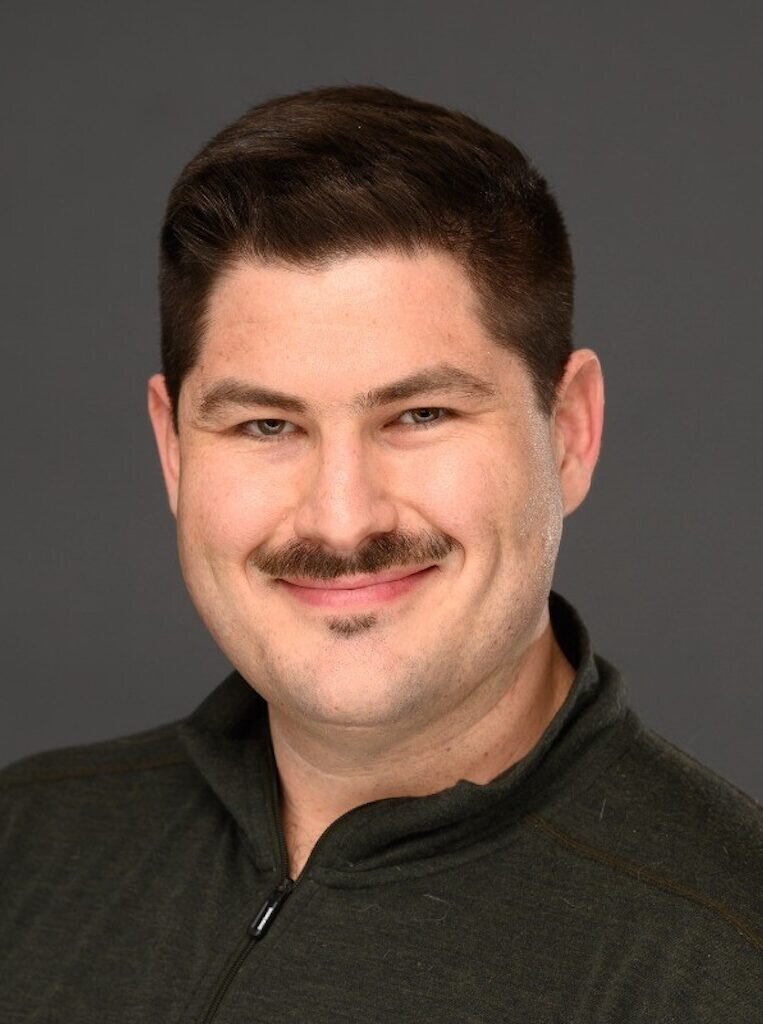
Ben Bateman is chief of staff for Technical AI Safety at Coefficient Giving. Previously, he was director of operations at Mirror Biology Dialogues Fund and spent six years at GiveWell.
Lucas is a program operations associate on Coefficient Giving’s Technical AI Safety team. He previously worked as an associate consultant at Bain & Company and holds a Master in Public Policy from Harvard Kennedy School.

Max Nadeau is a Program Officer on Coefficient Giving's Technical AI Safety team. Previously, he conducted research on machine-learning robustness and interpretability.
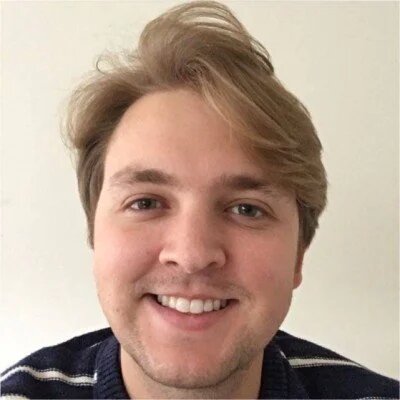
Greg Kollmer is a co-founder of Lucid Computing, which develops secure, verifiable AI infrastructure. As a Columbia engineering graduate student Kollmer co-developed Palmos, a wireless sensor network for early landslide detection.
Jake Mendel is a technical AI safety program officer at Coefficient Giving, where he makes grants for technical work. Previously, he worked as a research scientist at Apollo Research.
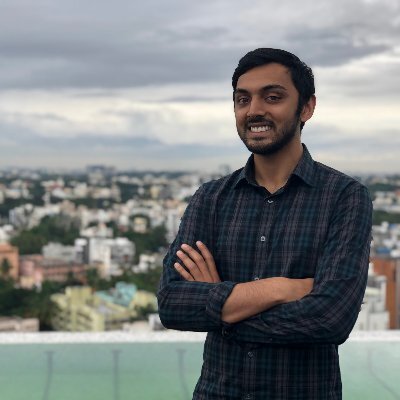
I am a scientist working at the intersection of artificial intelligence and neuroscience. My career began with a focus on understanding how the brain enables perception and behavior, using computational models to connect neural activity with cognition. After nearly a decade of academic research, including a PhD at Stanford University and a postdoctoral fellowship at Harvard Medical School, I have transitioned into industry to apply these insights more broadly.
I am currently a Researcher at OpenAI, where I focus on two goals: advancing safety research to ensure artificial intelligence systems are reliable and aligned, and exploring how AI can accelerate progress in health and medicine. I am especially motivated by the opportunity to translate my background in neuroscience and modeling into building AI tools that both deepen scientific discovery and contribute to human well-being.
At the core of my work is a curiosity about intelligent systems—both biological and artificial—and a commitment to using that understanding to create technologies that are safe, responsible, and transformative.
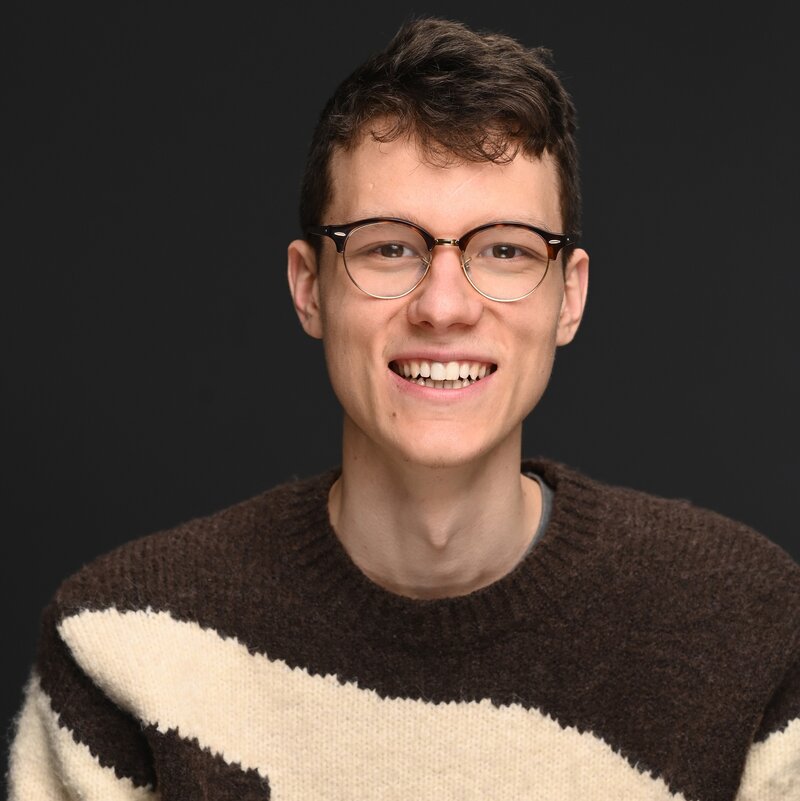
I am a Senior Research Fellow at the Center for the Governance of AI, leading a work stream that investigates national security threats from advanced AI systems. I am also a collaborator at METR, where I help improve the rigor of system cards and evals, and a senior at the Forecasting Research Institute.
I am interested in mentoring projects that create rigorous threat models of near-term AI misuse, especially within biosecurity. Given that this work can include sensitive topics, the final output might look like writing memos and briefings for decision-makers instead of academic publications.
I am also interested in projects that try to strengthen the science and transparency of dangerous capability evaluations reporting. This includes creating standards and checklists, writing peer reviews of model cards, and designing randomized control trials that can push the current frontier.