MATS mentors are advancing the frontiers of AI alignment, transparency, and security
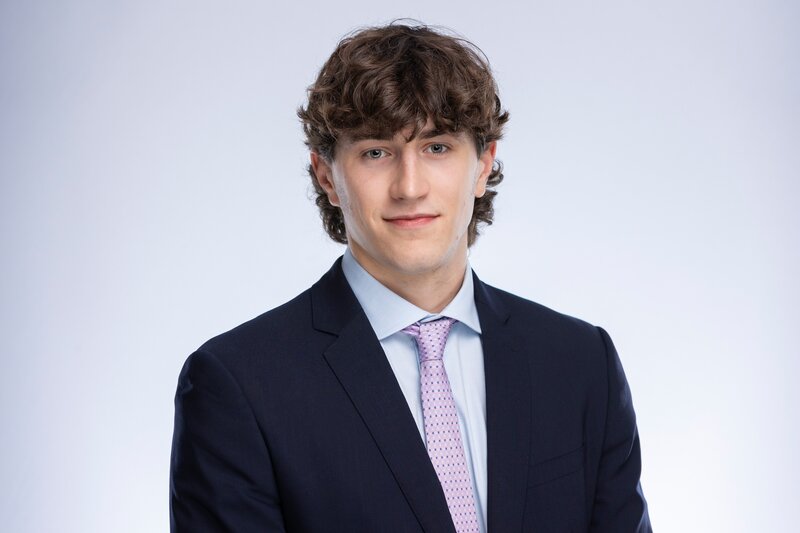
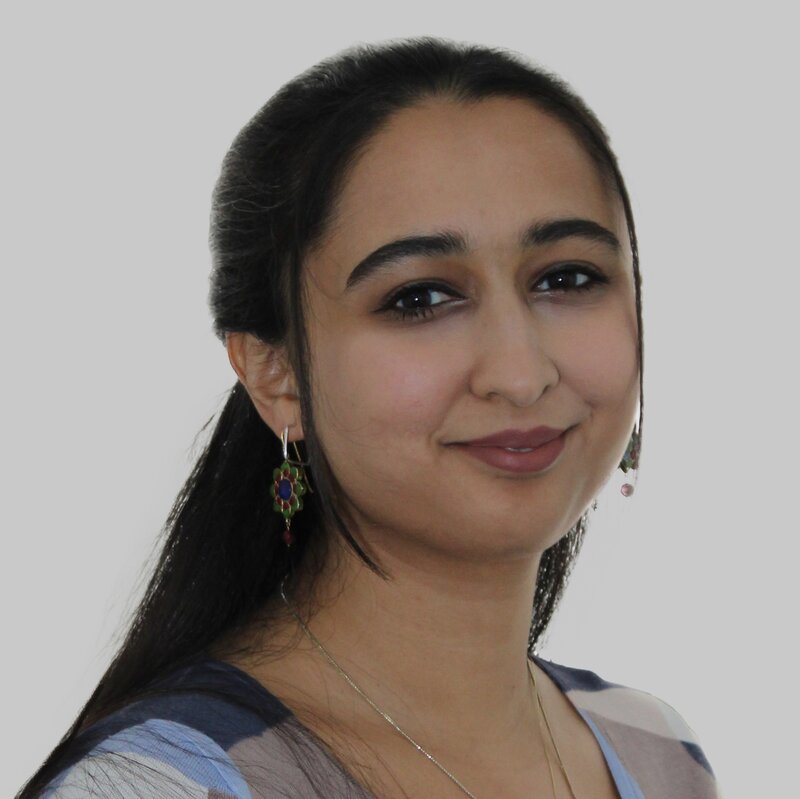
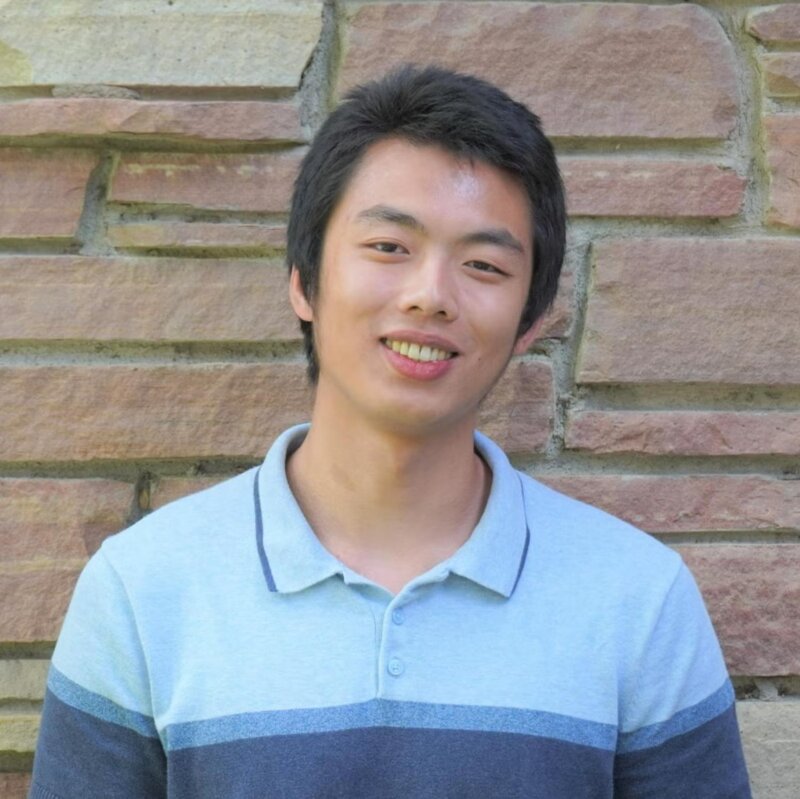


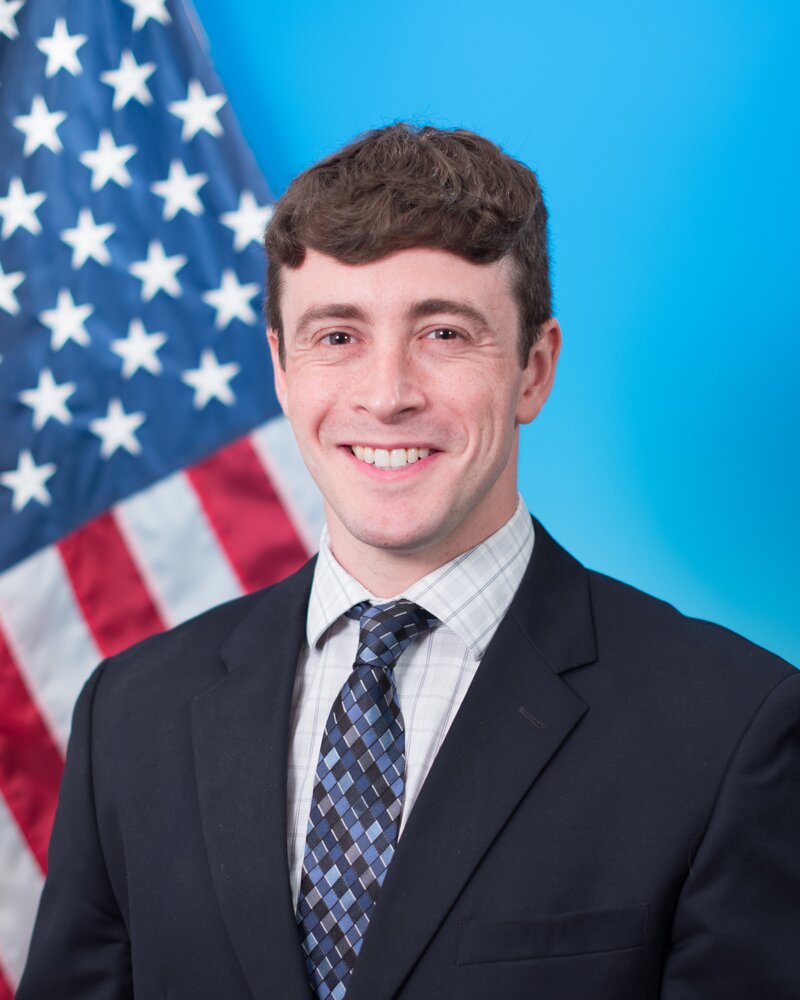
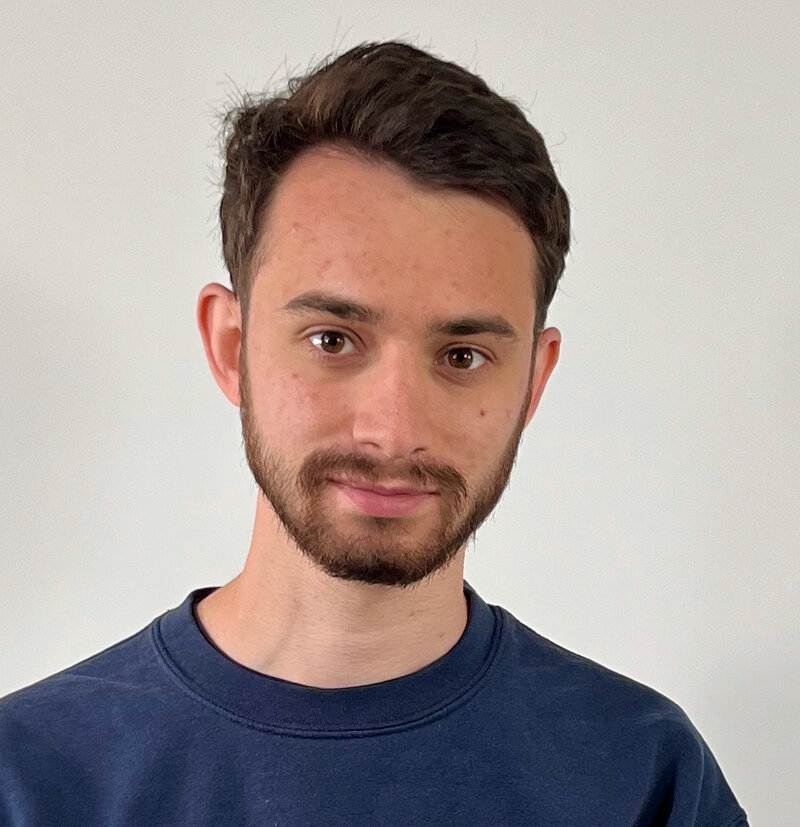
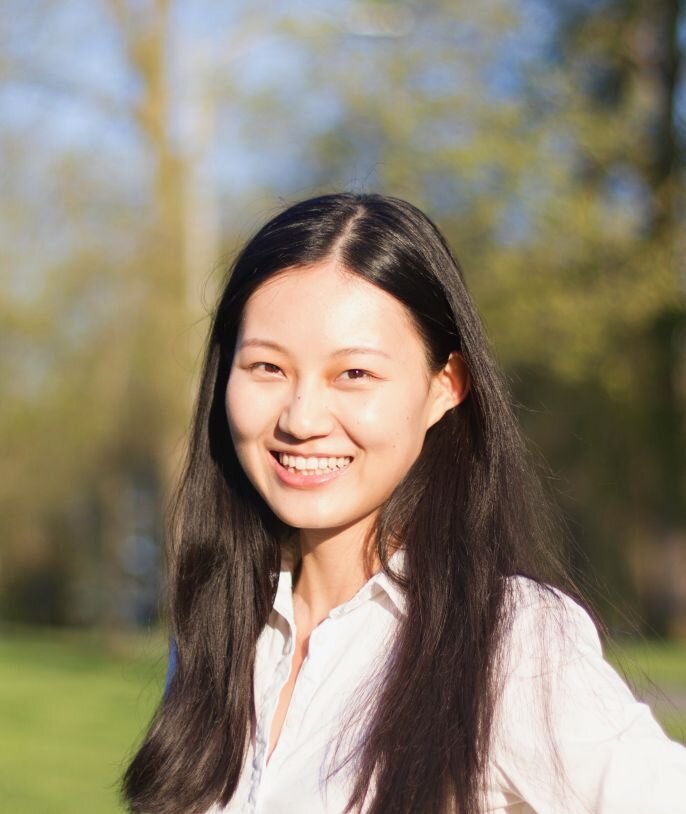





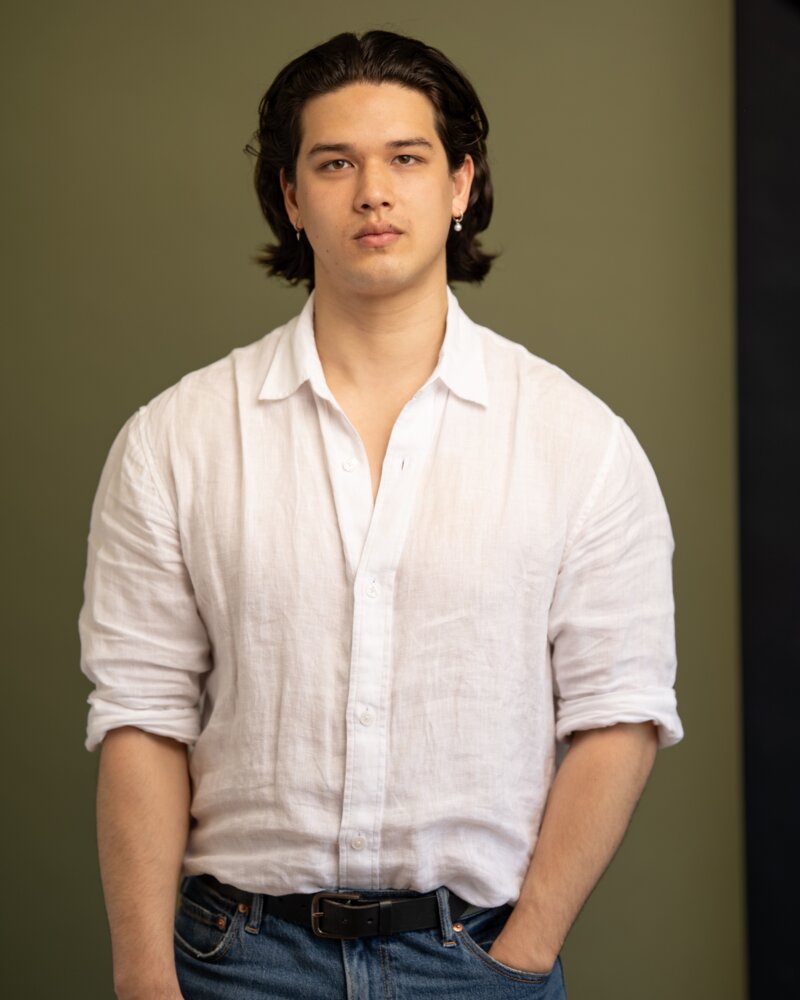

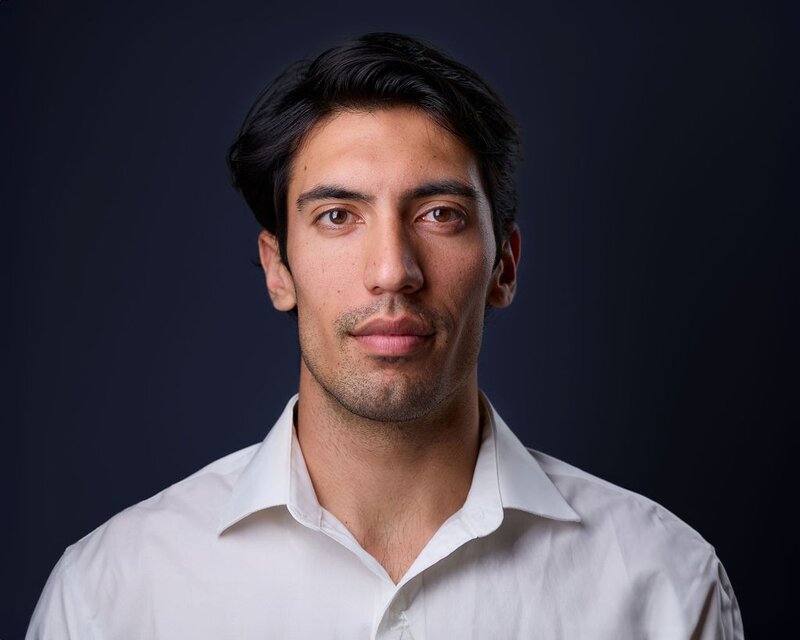
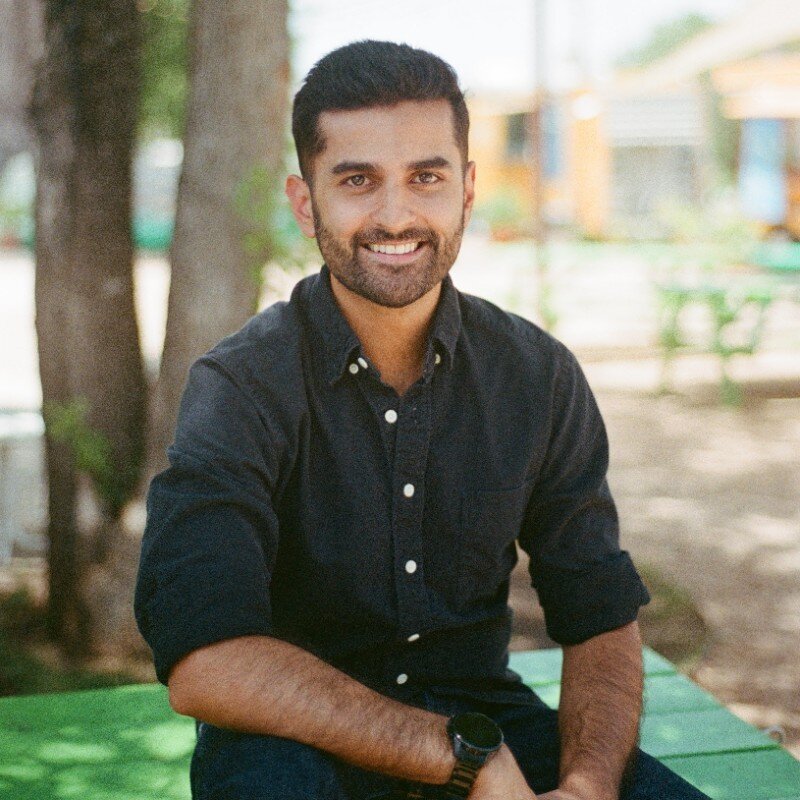

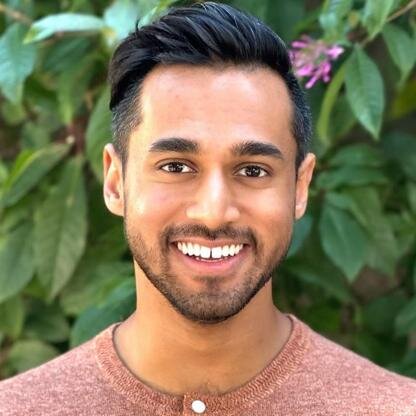
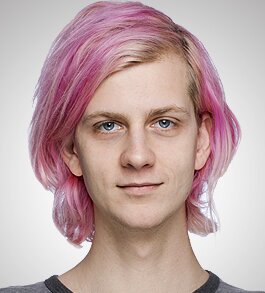
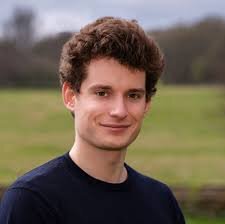
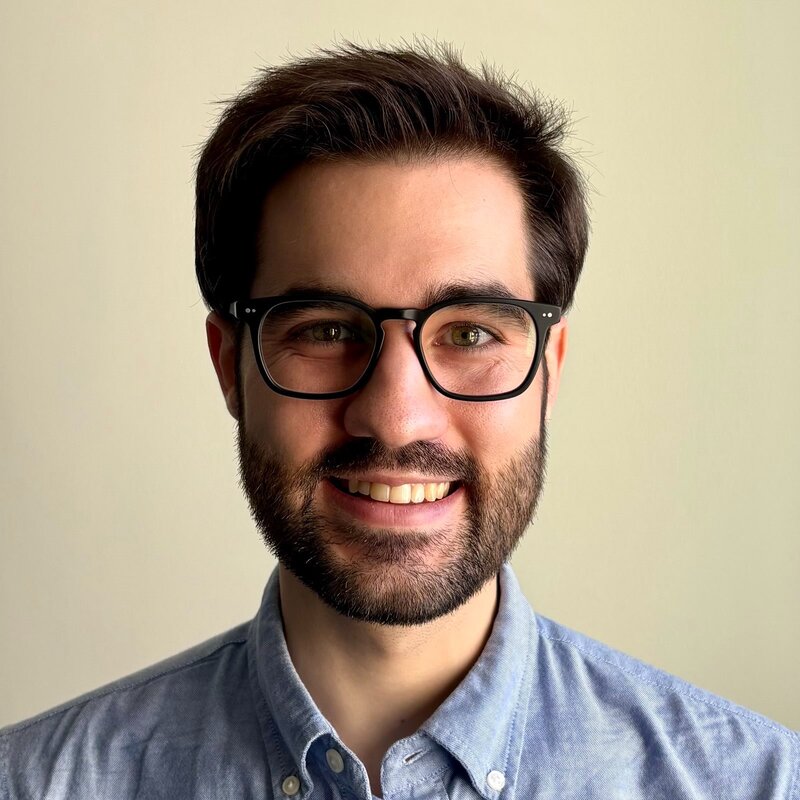
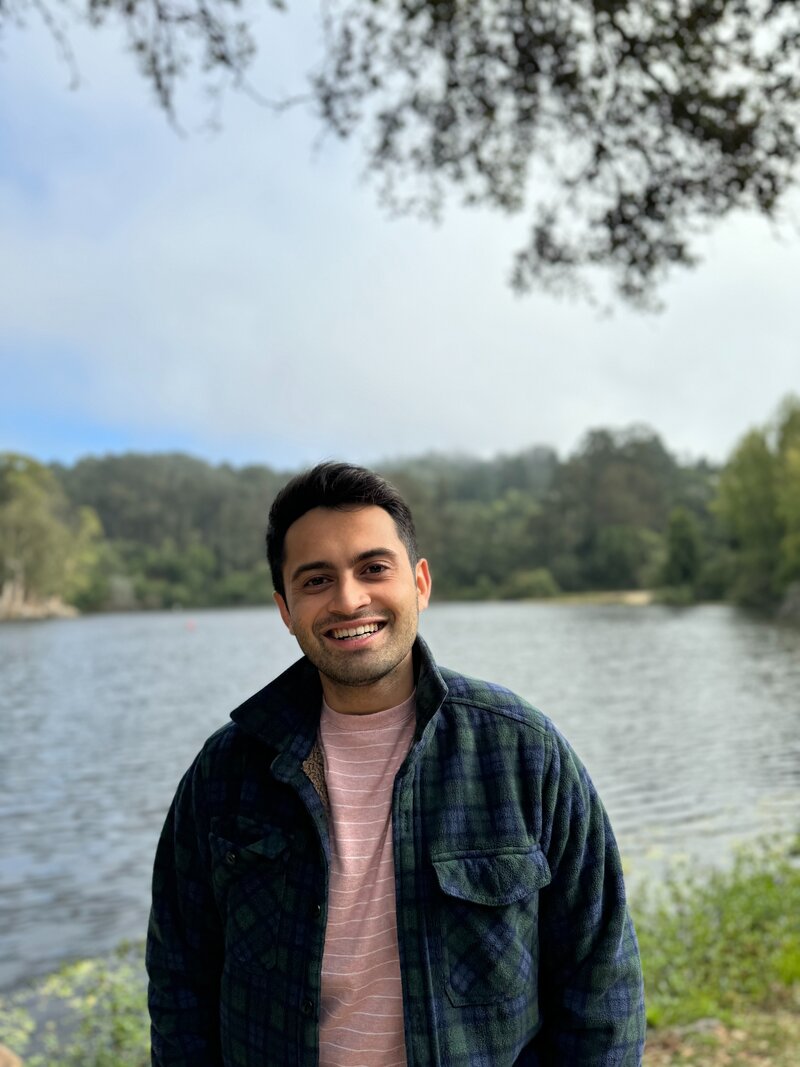

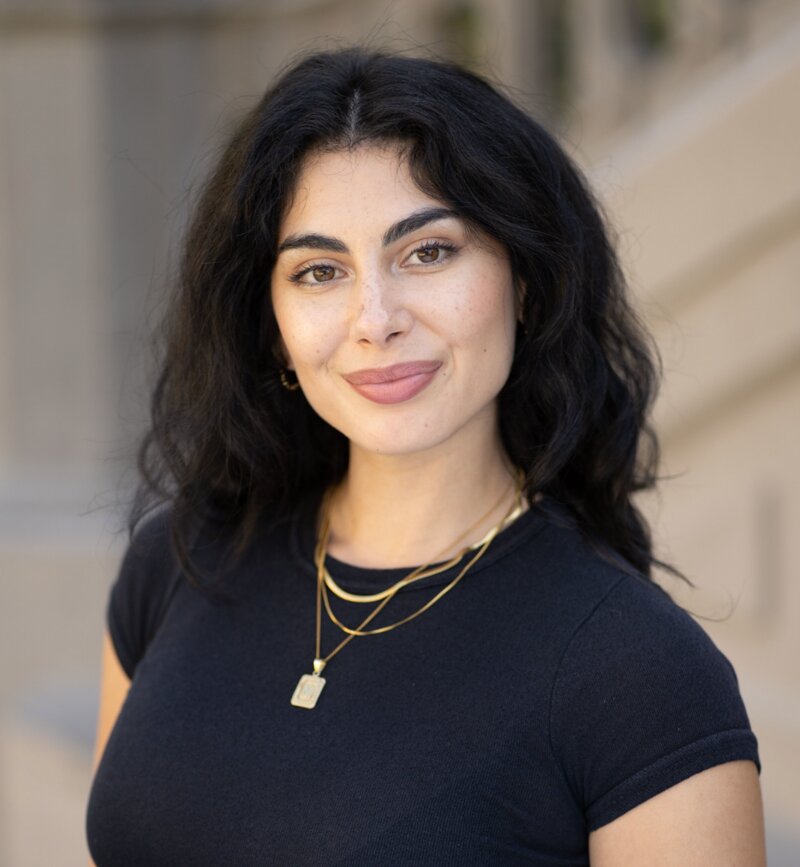
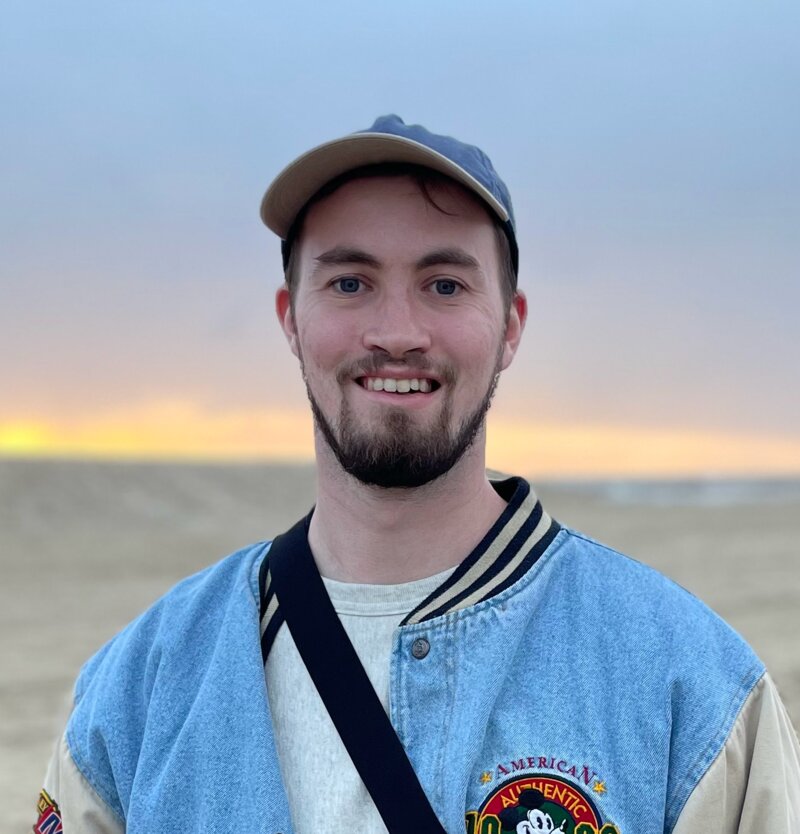
Joseph works in Detections and Response at OpenAI. His public security work includes using large language models to detect malicious macOS activity.

Maja is a researcher at OpenAI, working on techniques for improving control and alignment as AI systems become more capable and agentic. Her team’s work combines longer-horizon research with hands-on deployment. They study long-term questions about how increasingly intelligent systems can be supervised, constrained, and corrected, while also building oversight systems that are used in practice today, both internally and externally (see recent work on code review and action monitoring for codex).
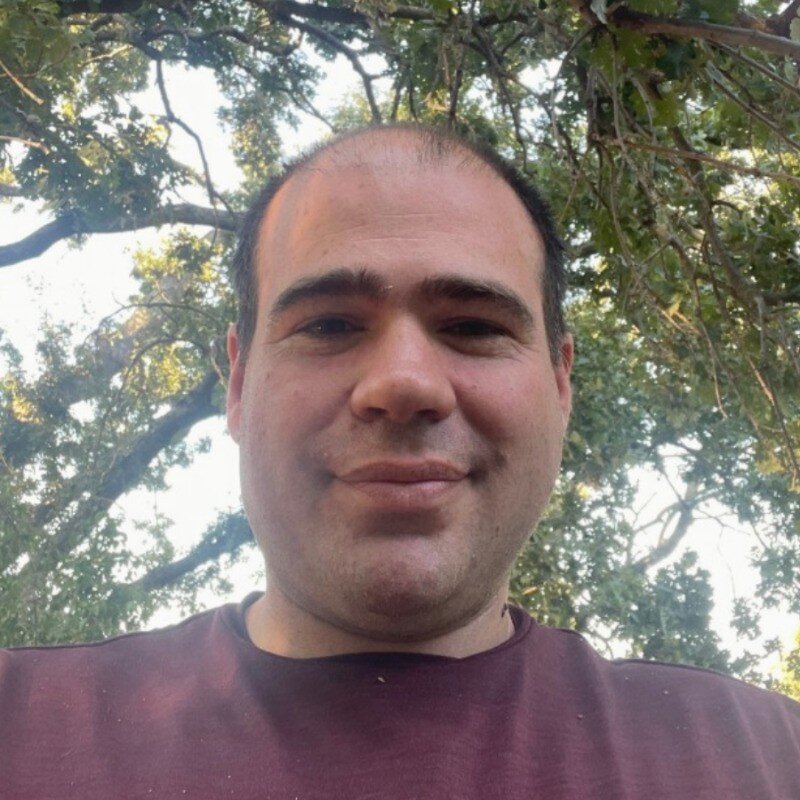
Jason is a Member of Technical Staff at OpenAI working on alignment and model behavior.
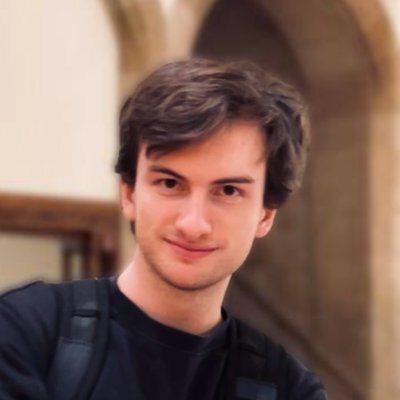
James is a Researcher at OpenAI working on model personality, post-training, and personalization.

Gabriel Wu is an AI alignment researcher at OpenAI. Previously, he directed the AI Safety Student Team at Harvard, where he earned a Master's degree in Computer Science and a bachelor's degree in Mathematics.
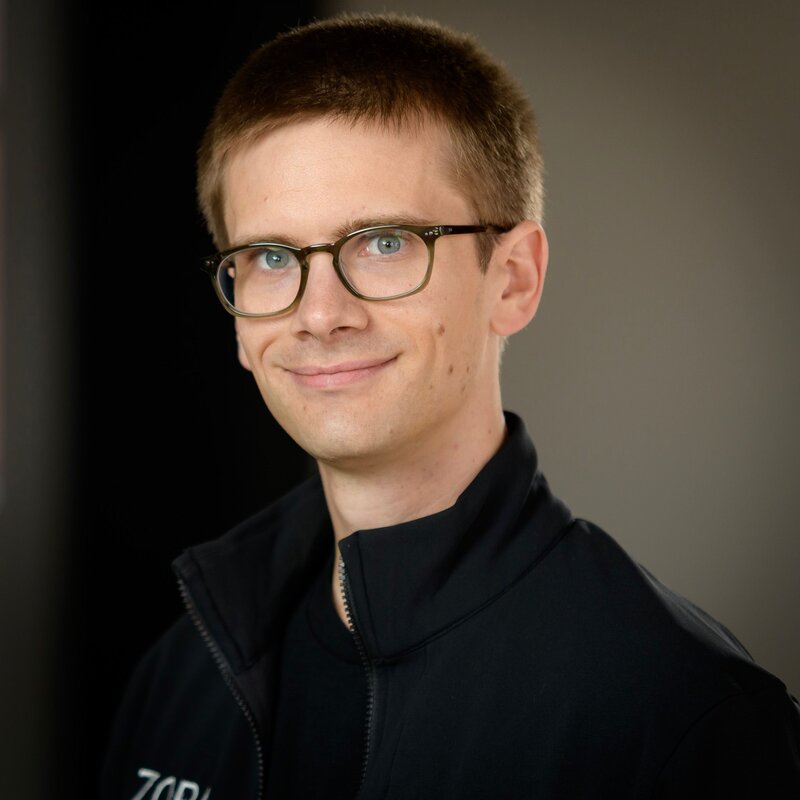
Evan is a research scientist at SecureBio Detection, where he works on computational pipelines and detection methods for uncovering threats in deep metagenomic sequencing data. Prior to transitioning his career into biosecurity, he was the VP of data science and engineering at Zoba, a startup providing optimization services to the shared mobility industry. He holds a PhD in operations research and, in his free time, devotes lots of thought cycles to sourdough pizza.
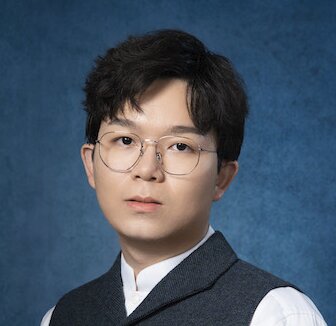
Xiangyu is a researcher at OpenAI, where he works to make LLMs robust. Previously, he obtained his Ph.D. from Princeton University, advised by Prof. Prateek Mittal and Prof. Peter Henderson.

Ollie is a researcher on OpenAI’s Alignment team interested in red-teaming and control. He was previously on the Control team at UK AISI.
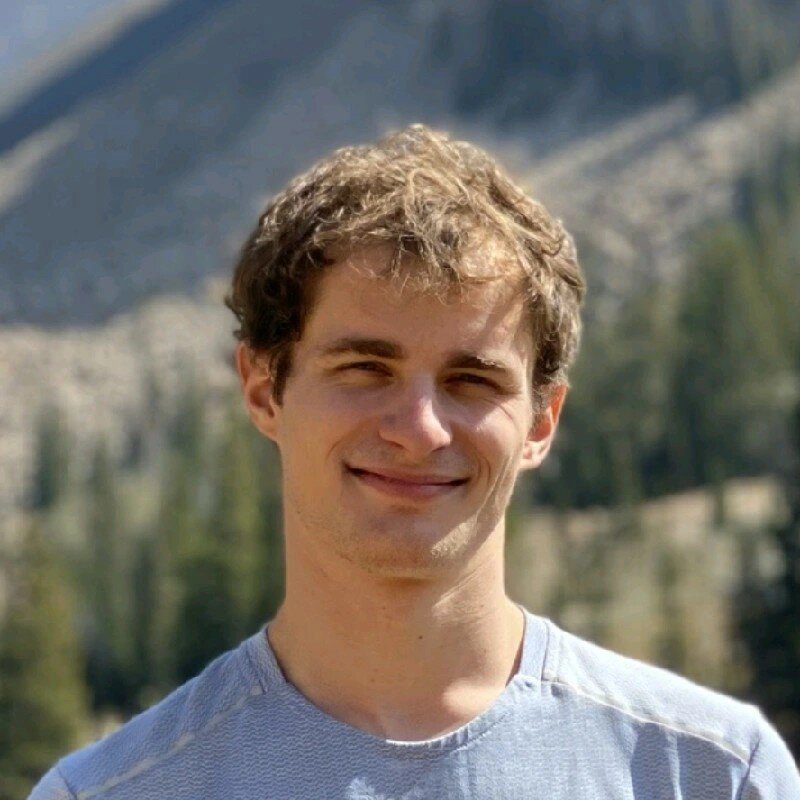
Tom is a research scientist at OpenAI, working on interpretability of language models, for AI safety. He was also a core developer of scikit-learn between 2015 and 2022.

Juan is a researcher in OpenAI’s Safety Systems team. He is broadly interested in mitigating catastrophic risks. He works on adversarial robustness training and automated red-teaming (recent work).