2027 年冬季项目为期 12 周,从 1 月 19 日至 4 月 10 日,在美国加州伯克利和英国伦敦开展,也可选择远程参与。学员将接受 Anthropic、Google DeepMind、OpenAI、Redwood Research 和 ARC 等机构顶尖研究人员的指导,并可申请在主项目结束后继续参加 6 至 12 个月的带资助延长期。
目前已截止申请。
申请与招生流程中的关键阶段
申请通常在项目开始前几个月开放。申请人需完成多阶段录取流程,首先提交通用申请。根据申请的方向、研究流和导师,申请人还可能需要参加面试、工作测试、编程测评或提交写作样本,之后才会作出最终录取决定。详情请参阅申请页面。
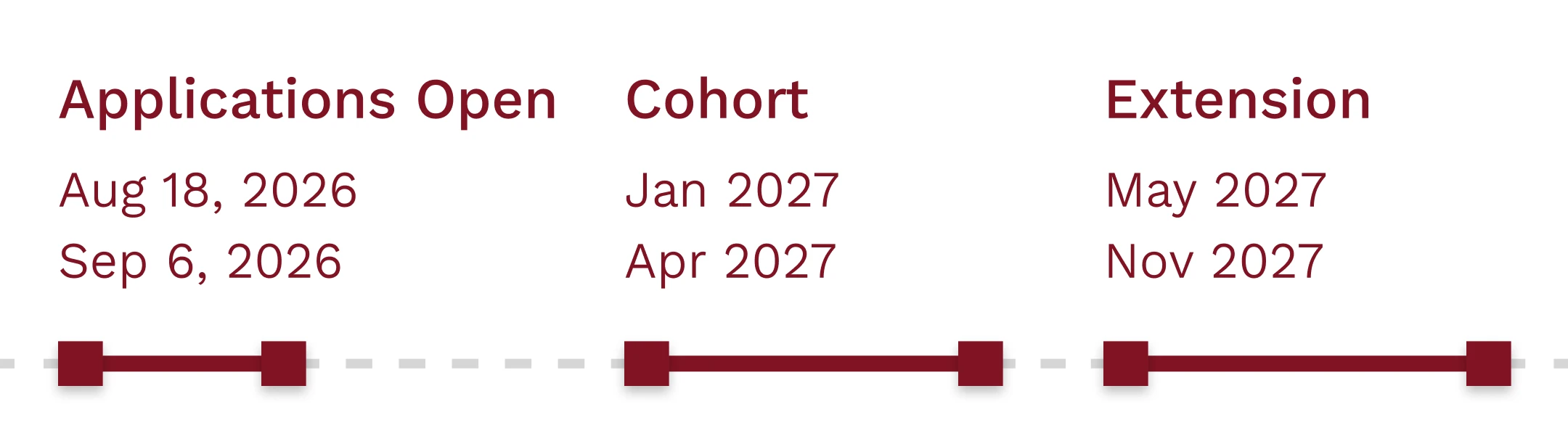
主项目为期 12 周,是一项全职研究奖学金。学员将在一位或多位导师指导下开展独立研究,同时参加工作坊、讲座、办公时间交流以及 MATS 社区活动。研究方向由学员与导师共同制定,学员将在项目期间逐步承担更多自主责任。
延长期通常在主项目结束约两周后开始。主项目期间展现出较强研究潜力的学员可以申请 6 至 12 个月的带资助延长期。延长期学员将在持续指导和支持下继续开展独立研究,通常在 MATS 办公室或其他获批的研究地点工作。最近几届中,约 80% 申请延长期的学员获得录取。
MATS 希望帮助学员成长,使他们能够:
MATS 校友后来发表了安全研究成果、加入了包括 Anthropic 和 MIRI 在内的对齐组织,也创办了对齐研究实验室。更多信息请参阅MATS 校友页面。
第一阶段,申请人可申请一个或多个方向(较广泛的研究领域):实证研究、理论、战略与预测、政策与治理、系统安全、生物安全,以及创业与领域建设。进入第二阶段后,申请人可选择这些方向下的具体研究流,每个研究流由一位或多位拥有各自研究议程的导师负责。你可以在下方查看列表,也可以查看网格视图。
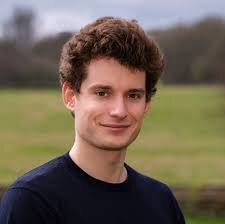
我们将延续上一期研究,继续探索如何在复杂的智能体场景中构建黑盒监测器,识别模型密谋行为。具体来说,我们会扩大数据集和微调工作,详见可扩展监测研究议程。
下一阶段很可能聚焦自动化的红队与蓝队迭代对抗。目前我们正在训练蓝队,之后会训练红队,并在本研究方向中尝试闭环协作,让双方同步训练。
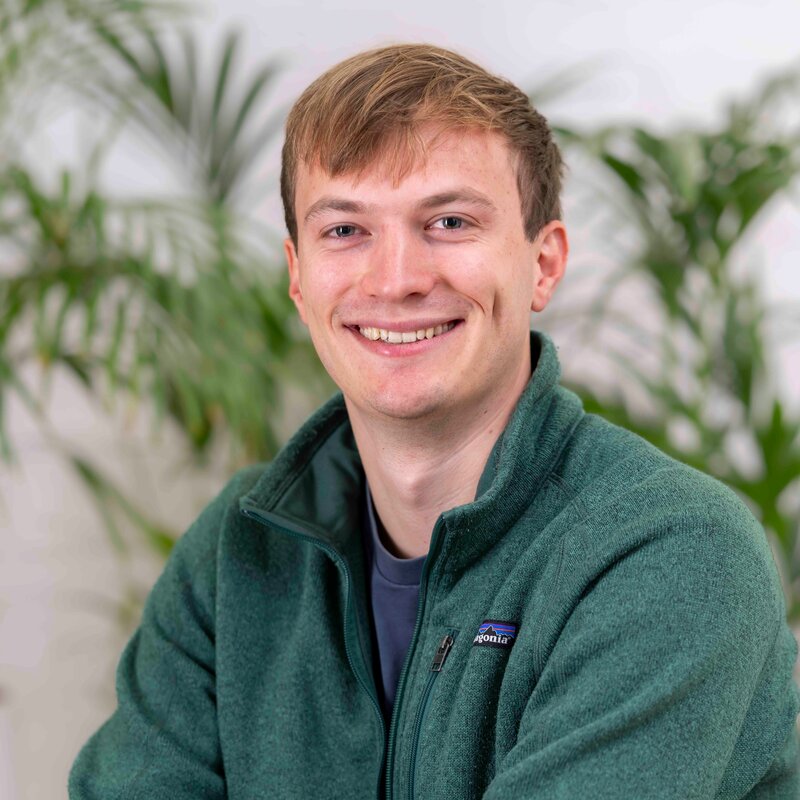
通常每周会安排两次、每次 60 分钟的会议。由于所有人都会参与同一项目,会议将由本研究方向的全体成员共同参加。我每天都会在 Slack 上回复异步消息。学员在日常决策和确定研究方向方面有充分自主权。理想情况下,几周后你会比我更了解项目,并能清楚判断项目下一步该如何推进。我建议学员把全部工作时间投入项目,不要兼顾其他副项目。我认为这样能让大家在 MATS 中学到最多。
学员将参与黑盒监测相关的子项目。详情请见此处。
这个研究方向致力于建立一门“谋划行为科学”:探索未来模型可能通过哪些机制发展出谋划行为,而当前模型为何尚未如此。我们希望通过实证研究发现谋划行为的规模变化规律。例如,随着模型能力提升,欺骗性对齐是否会更容易出现或被发现?
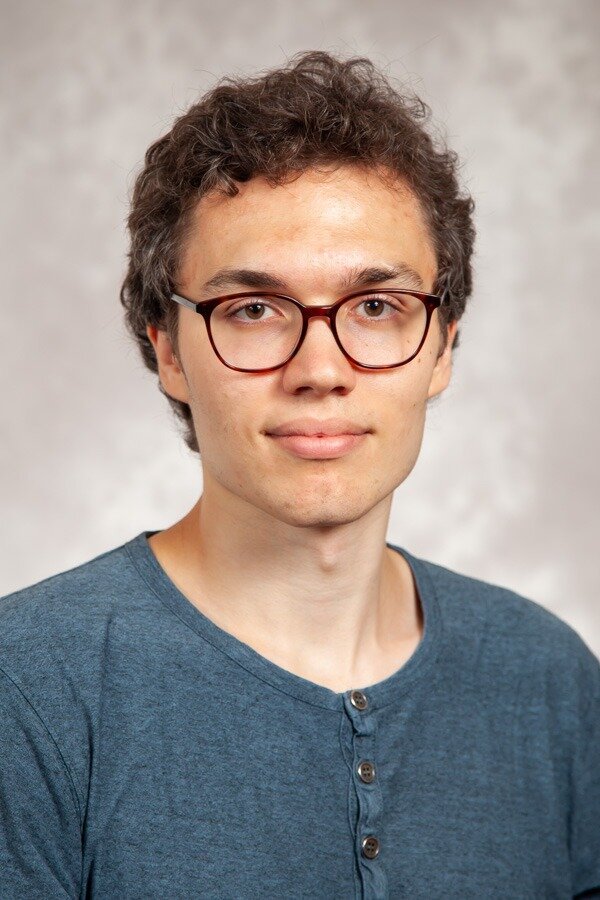
通常每周安排一次一小时的会议,提供方向性指导。我们会积极使用 Slack,通常在一天内回复问题。两次会议之间,也会通过异步沟通讨论实验设计和结果。如果学员遇到困难或想一起梳理思路,也可以随时在 Slack 上联系,我们可以另行安排临时讨论。
我们会按照上述方向制定总体项目规划。你在九月入项时,具体项目内容可能还没有完全确定。所有项目都会围绕“谋划行为科学”这篇文章所探讨的方向展开。
你会与我们两人合作;具体由 Alex 还是 Teun 更多参与,将取决于项目的方向和内容。
变革路径:未来不久,大多数重要工作都将由 AI 完成。AI 会越来越多地为人们提供建议,帮助处理许多重要且受时机和路径选择影响的事务,例如对齐与安全(包括 LLM 说服力很强时应如何表现)、无因果交易,以及社会组织方式。让 AI 能做好这些事,对未来有益。
当然,做好这些事所需的许多能力,也正是会带来 AI 风险、且 AI 公司通常会优先投入的能力,例如编程和某些预测技能。
我们希望提升模型在那些有利于未来、但常规训练未必会重视的任务上的能力;常规训练甚至可能让这些能力变差,例如使模型变得更会迎合用户。
实际上,我们关注的许多任务都属于“概念性”任务:难以验证、没有明确标准答案,但我们仍相信能通过论证和推理取得进展。
欢迎访问 conceptualreasoning.ai,了解我们目前的工作。
我们也非常关注如何让未来的无因果互动产生良好结果。
无
我们希望将公共选择理论等用于分析大规模能动性与权力动态的工具,推广到机器智能能够与人类竞争的情境中。
我们欢迎各种背景的申请者。理想人选可能类似 Robin Hanson 或 David Friedman:既能熟练运用经济学等领域的分析工具,又深入了解人类历史、制度,以及人口、文化、国家和各类组织演变所承受的压力。
本研究流关注先进 AI 可能促成的新型高风险生物技术,并研究随着相关能力出现,何时能有效应对风险、何时风险会变得紧迫。
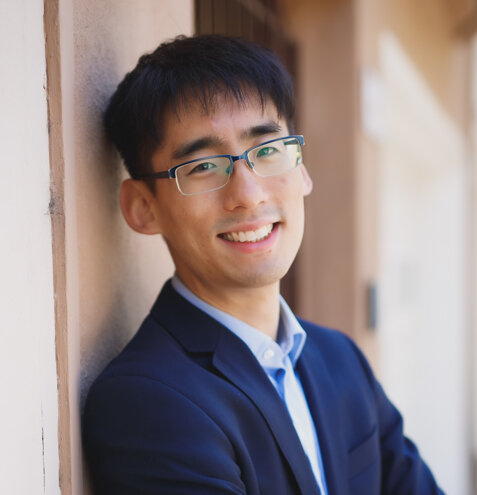
通常每周安排一次半小时的一对一会面,如有需要,也可以延长会面时间或临时加开会议。我会经常查看 Slack,简单问题通常会在一天内回复。两次会面之间,我也愿意阅读草稿并异步提供书面反馈。
优先考虑:
我会先了解学员感兴趣的方向,再从我想提出的几个主题中,和学员共同选定一个大方向。随后我们会一起把项目范围界定清楚,确保问题聚焦且定义明确;我会结合对可行性和价值的判断提供建议。之后由学员主导推进,我们再根据进展调整。
我的研究主要分为两个方向。
安全:
我希望通过实际演示,证明现实中的 AI 部署存在安全漏洞,推动企业投入资源,采用能够解决根本安全问题的对齐技术。
验证:
通过可信执行环境(TEE)或零知识证明(ZKP)进行验证。
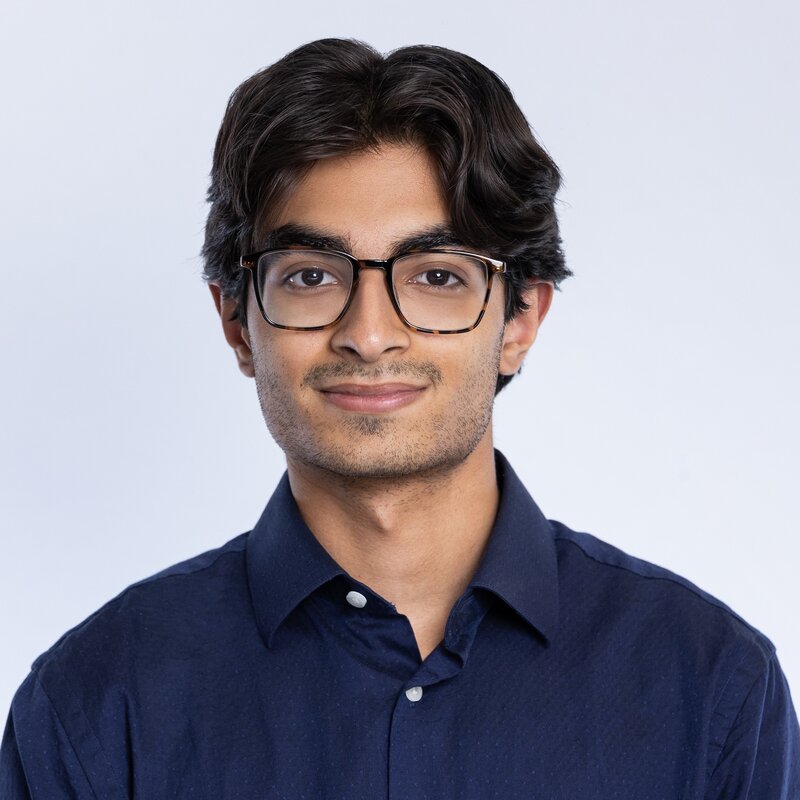
我会根据项目相关兴趣安排一对一或小组交流,并在会外通过 Slack 沟通。
除项目开始阶段外,我更倾向于多次短会,而不是一次长会。
遇到研究障碍时,我也会协助解决,不限于会议时间。
For security:
You should have a strong security mindset, having demonstrated the willingness to be creative on this. I would like to see past demonstration of willingness to get your hands dirty and try many different systems.
For benchmarks:
As creative as possible, willingness to work on the nitty gritty, willingness to work really hard on problems other people find boring. Interests as far away from SF-related interests as possible.
导师会与学员讨论项目想法。
随着政府采用越来越强大的 AI,我的研究方向关注如何保留制衡机制。学员将探讨国会如何监督因 AI 而加速运作的行政部门(例如借助保护隐私的 AI 审计工具),以及如何为政府采用 AI 勾勒积极可行的愿景。项目通常会形成公开报告,有时也会直接与政策制定者及其他相关人士交流。
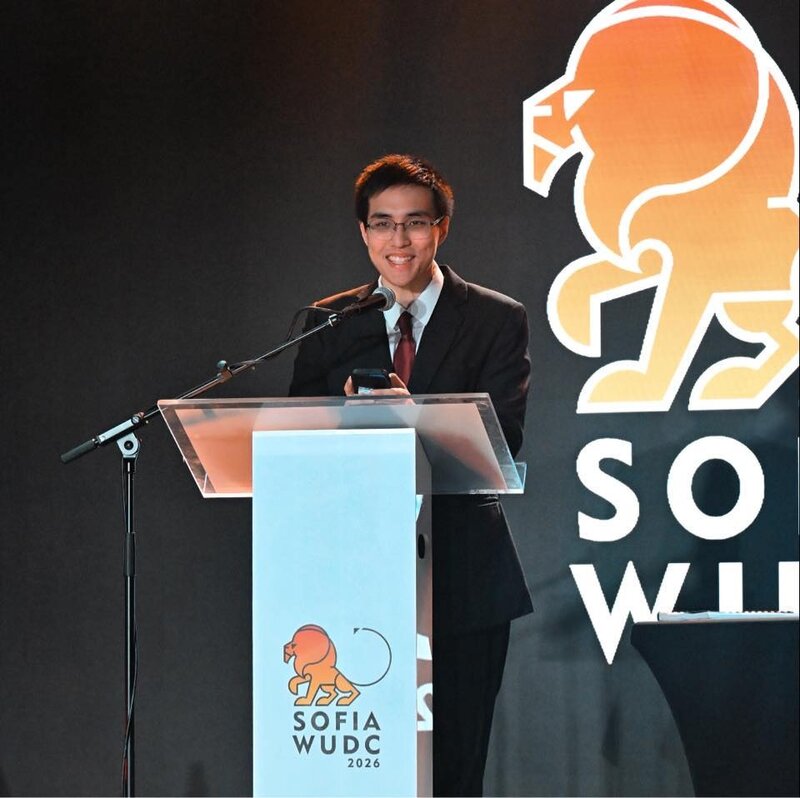
这个研究方向聚焦于模型动机与性格、开放式环境,以及新型失配行为。
The MATS Program is supported by a diverse and highly respected group of mentors — top-tier researchers, engineers, and thinkers working across AI alignment, governance, interpretability, and security.
项目时间安排如下:
项目会综合研究流对申请人的排序,以及申请人对研究流的排序,通过最终匹配流程发出一份录取通知。
申请流程需要多长时间?
第一阶段申请于 8 月 18 日开放,并于 9 月 6 日截止,截止时间为全球任一地点当天结束。录取通知将在 11 月上旬至中旬发出,项目于 1 月 19 日开始。
A track is a broad research area within MATS. Empirical, Theory, Strategy & Forecasting, Policy & Governance, Systems Security, Founder & Field-Building, and Biosecurity are our current tracks. Each track contains multiple streams. In Stage 1, you apply to tracks.
Streams are organized around a research agenda, led by one or more mentors who guide fellows through related projects. In Stage 2, applicants apply to streams within tracks based on research that interests them.
You may apply to as many tracks as you wish at Stage 1. At Stage 2, depending on which tracks you progress in, you may then apply to as many streams as you wish within those tracks; there is no cap. The process is comparable to applying to PhD supervisors.
We want to be flexible for applicants who have urgent prior commitments. Based on individual circumstances, we may be willing to alter the time commitment of the program and allow fellows to leave early or arrive late. Please inform us of your availability in the application process.
Applicants who will be 18 years or older before the program start date are eligible to apply. Both US and non-US citizens are eligible to apply. All backgrounds and levels of experience are welcome and prior AI safety experience is not required.
Yes. The 12-week program requires fellows to commit 40 hours per week to their MATS research. For exceptionally strong candidates with significant concurrent responsibilities, the time commitment can be reduced to 20 hours per week on a case-by-case review. However, the program maintains an expectation of sustained, high-level engagement, including regular participation in core activities and most organized events. Candidates that require a J1 visa to come to the US are unable to participate part time; they can only work part time if they participate remotely or from the UK.
Yes, upon submitting you will receive a link that lets you edit your response. Please note that you will not be able to edit your response once the application period ends.
LLMs may not be used to write any part of your application unless specific work tests or forms explicitly permit it. MATS monitors for LLM use, and applicants found to have used LLMs may be disqualified.
Depending on the evaluations of the tracks and streams you apply to in Stages 1 and 2, we will contact your references. We will send them a form with our own set of questions, so they will not have to prepare a reference letter.
MATS 为参与主项目的学员提供每周 1,600 美元的津贴,12 周项目总计 19,200 美元。如果学员每周参与或研究时间不足 40 小时,或参与时间不足 12 周,津贴将根据实际参与程度按比例发放。
除津贴外,MATS 还会为学员提供往返伯克利或伦敦的交通、住宿、办公场所,以及工作日的午餐和晚餐。
学员可能需要根据其税务居民所在国家或地区的规定,为项目资助缴税。该资助应视为非营利组织向个人提供的私人资助,用于独立研究并参与在美国开展的教育研讨项目。
Although MATS sometimes supports UC Berkeley-based mentors, MATS is an independent program and is not formally part of UC Berkeley. As such, MATS will not be providing student cards to our scholars.
The main program, or Research Phase, takes place in person in Berkeley, CA and London, UK. Historically, most fellows participate from Berkeley. London is typically chosen by fellows who want to co-locate with their mentor or who have a preference to work from the UK instead of US.Will this program be remote or in-person?
The main program, or the Research Phase takes place in Berkeley, CA and London, UK, with the majority of fellows participating from Berkeley. We strongly encourage in-person participation when possible, as a core part of the program experience comes from day-to-day interactions with your cohort and others in the broader AI safety ecosystem.
Decisions about remote participation are made on a case-by-case basis and depend primarily on mentor preferences, many of whom are open to the possibility, especially if you have family or other obligations that make in-person participation difficult. We strongly encourage in-person participation when possible, as a core part of the program experience comes from day-to-day interactions with your cohort and others in the broader AI safety ecosystem.
If you have difficulties in securing a visa to participate from Berkeley, we are likely to be able to support participation from our London office.The 6–12 month extension gives fellows the option to participate from Berkeley, London, or remotely.
MATS is a scientific and educational seminar and independent research program, and provides J1 visas for non-American participants. Participants can also opt to participate from our London office; however, please note that visa support is not available for that option.
During the main program, fellows should expect to meet with their mentor for at least one hour per week, with more frequent communication via Slack. The extent of mentor support will vary depending on the project and the mentor.
Fellows will also receive support from MATS’ Research Management team, who work with mentors by tracking scholar research progress, unblocking scholar research, and assisting with grant applications and deadlines.
Fellows develop as researchers by working with an experienced research mentor, interacting with other fellows, and receiving support from our Research Management team. Research managers meet weekly with most fellows and mentors and help with research strategy, research unblocking, and project coordination.
Other forms of training include workshops on different parts of the research process and seminars on a variety of AI technical safety and governance research.
Throughout the program, each fellow will work on an independent research project with input and guidance from your mentor(s). Depending on which stream you participate in, you may collaborate with other fellows in your stream.
Traditionally, fellows submit a Research Plan midway through the program and present their research at the Fellow Symposium at the end of the program.
We welcome feedback. For feedback for the whole team (visible by all MATS staff), please use this form. For feedback that will only be visible to the Co-Executive Directors, Ryan and Christian, please submit here.
You can contact the MATS Board of Directors using this linked form (responses are only viewable by the Board). Please only use this if you feel your question or concern requires board-level attention.